
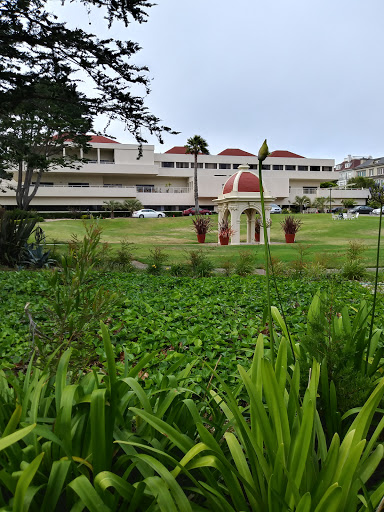

300 Lake St, San Francisco, CA 94118
To contact a resident: (415) 751-6510
For more information about senior living options: (866) 208-4318
Overall Review of St. Anne's Home- NOT AL
Pros
 The sisters are compassionate and help residents.
- They organize large rummage sales twice a year to fund additional services.
- They sell bakery items and offer hotdogs, soda, and chips for $5 on Saturdays.
- The Little Sisters of the Poor are described as the best in the world.
- They actively practice the vow of hospitality, showing care and kindness all day long for those in need.
Review
This community is best suited for seniors who prize a faith-centered, intimate caregiving environment where hospitality is not just a value but a daily practice. Residents who want to be enveloped by a warm, personal approach, delivered with the calm cadence of a convent setting and guided by the Little Sisters of the Poor, will find the daily experience here deeply reassuring. The care ethos centers on genuine kindness, consistent attentiveness, and a sense of belonging that comes from living inside a connected, mission-driven community.
For families considering alternatives, the message is clear: if secular ambiance, expansive amenities, or high-acuity medical oversight are nonnegotiables, this is likely not the right fit. The setting leans toward a home-like, small-scale atmosphere rather than a bustling, high-tech campus. Those who require robust on-site medical specialists, memory-care units, or extensive in-house rehabilitation services may want to compare options with facilities that foreground clinical capacity and more varied programmatic offerings. In short, this is a sanctuary for spiritual-minded companionship; it is less suited to residents who need advanced clinical infrastructure.
The standout pros align tightly with the core mission of hospitality and compassion. Staff and residents describe a level of warmth that transcends routine caregiving, with a daily culture that feels less institutional and more familial. The Little Sisters of the Poor bring a palpable sense of devotion and steadiness, delivering consistent kindness that many families value highly when choosing long-term care. A remarkable facet is the ongoing commitment to expanding services through community-driven fundraising, two sizable rummage sales annually, plus a bakery and low-cost meals on Saturdays, that fund additional support and special programming. This unobtrusive, purpose-driven philanthropy translates into extra value for residents without becoming a drain on families, reinforcing the sense that care is a community effort rather than a commercial transaction.
That same pros-offset framework helps illuminate how the environment might feel to someone weighing options. The intimate, care-forward culture can compensate for a lack of flashy amenities by delivering dignity, respect, and daily purpose. The presence of a religious community offers a stabilizing routine, regular ceremonies, and familiar rituals that can be especially comforting for residents seeking spiritual nurture alongside practical support. The fundraising-driven enhancements demonstrate resourcefulness and a willingness to go beyond baseline services, which can translate into meaningful extras for residents without imposing higher costs on families. In practice, this means emotional security and a sense of being looked after often outweigh what may appear as modest clinical or social programming.
However, potential residents should enter with eyes open to the trade-offs implied by a single-mission, faith-centered model. The strongest draw, genuine hospitality, can also mean fewer secular, activity-rich moments that appeal to residents seeking a wide array of entertainment or contemporary lifestyle amenities. For those who want more diverse dining options, technology-enabled programming, or on-site medical teams with broad specialties, alternative communities may deliver more immediate access to those features. The key is matching the emotional and spiritual needs with the operational strengths: if the heart of care is about kindness, continuity, and shared purpose, this setting delivers; if the day-to-day experience hinges on clinical breadth and secular variety, another option should be compared.
In the end, St. Anne’s Home presents a remarkably compelling choice for a particular kind of elder-care journey. It stands out for its compassionate, hospitality-forward culture, and for residents who want to feel surrounded by a steadfast community that treats daily life with dignity and purpose. The most persuasive evidence of its value lies not in polished marketing language but in the consistency of care described by residents and families: thoughtful, ongoing kindness; a sense of belonging; and tangible, community-funded enhancements that extend the ability to support residents beyond the basics. For families who value a serene, purpose-driven home where faith and fellowship underpin everyday living, this community is an affirming, well-suited option. For others, a more clinical, secular, or high-amenity environment may be a better fit, yet for the right fit, the experience here can be transformative.
 Skilled Nursing Facility
 Activities on-site
 Devotional services off-site
 Indoor common areas
 San Francisco International (13 miles away)
 Ambulatory care
 Diabetic care
 Meals provided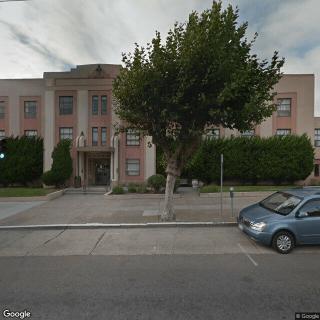

 Senior Move Management: Understanding the Role, Value, and Associated Costs
 Weight Training for Seniors: Building Strength and Vitality
 Understanding the Sandwich Generation: Stress and Responsibilities for Multigenerational Caregivers