The Gardens of Riverside offers a range of accommodation options with monthly costs that reflect the premium services and amenities provided. For a semi-private room, residents can expect to pay $4,745, which is notably higher than Riverside County's average of $2,844 and California's overall average of $3,333. Similarly, for studio apartments at The Gardens, the monthly fee stands at $5,695 - significantly above both the county's average rate of $3,559 and the state's average of $4,145. These figures suggest that while The Gardens of Riverside may be on the pricier side compared to local and state benchmarks, its pricing likely correlates with enhanced care options and a supportive living environment tailored to residents' needs.
Floor plans
The Gardens of Riverside
Riverside County
California
Semi-Private
$4,745
$2,844
$3,333
Studio
$5,695
$3,559
$4,145
Memory care communities with a similar price nearby
Residents are described as being supported with dementia-specific redirection and care.
Several reviewers describe memory-care support for Alzheimer’s or dementia, including staff redirecting residents and addressing safety concerns related to wandering. In one review, the writer also notes hospice care transition while the resident was at the community, describing it as seamless.
common16 reviews mention this
Staff communication and compassion
Staff responsiveness and clear communication are consistently emphasized by families and workers.
Many reviewers highlight staff who are kind, compassionate, and professional, including directors and caregivers. Several families specifically mention getting updates, reassurance during placement, and help with questions. A few reviews also describe day-to-day coordination around care needs, medications, and hygiene support.
common7 reviews mention this
Food quality and dietary options
Food shows up in reviews both for quality and for meeting dietary preferences.
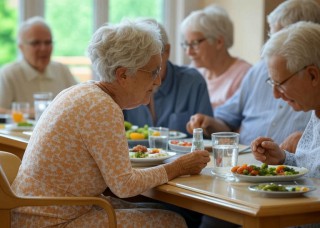
Multiple reviewers say meals look good, are well made, and that residents enjoy eating there. Families also mention menus, dessert service, and accommodations when preferences or dietary needs come up, including a vegan meal made by the chef. One reviewer expresses concerns about meal issues, but still frames overall care as solid in a difficult situation.
common10 reviews mention this
Activities and home-like grounds
Reviews frequently connect the community’s activities with an inviting, home-like setting.
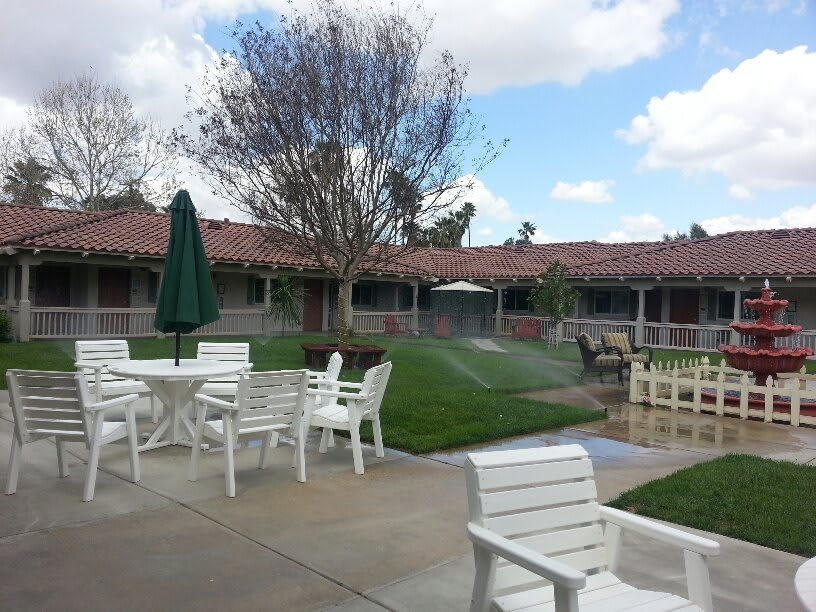
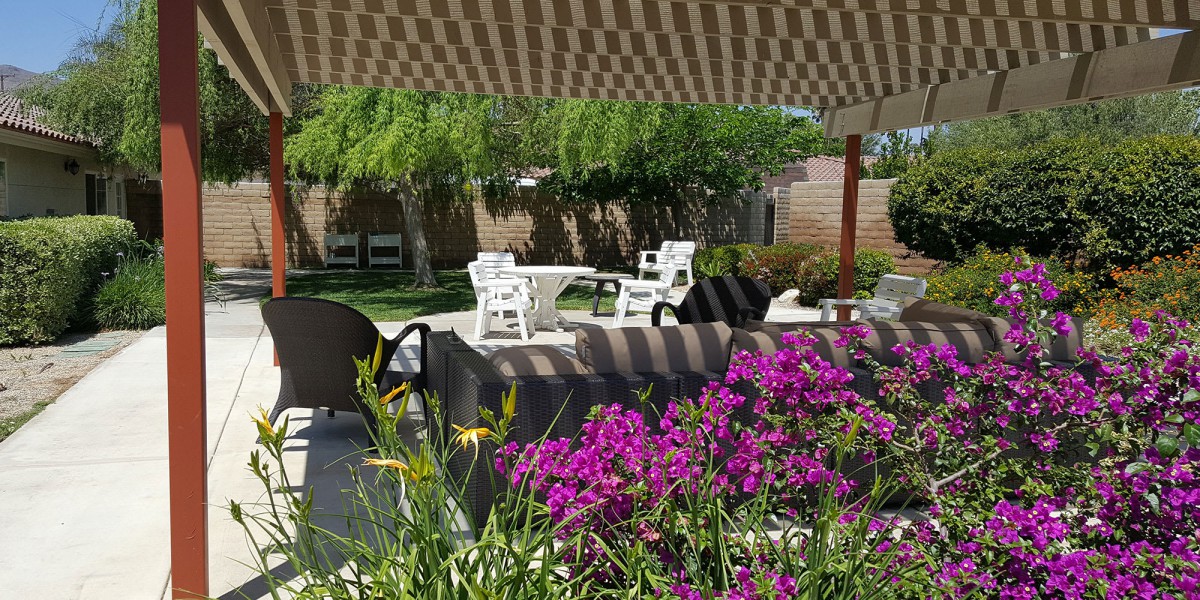
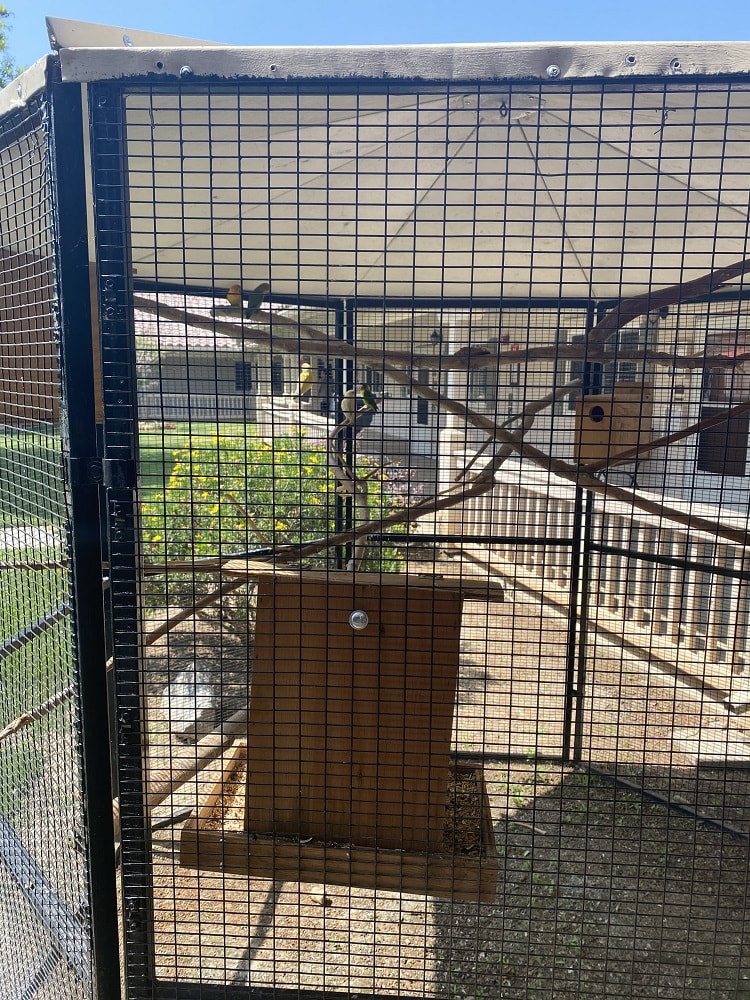
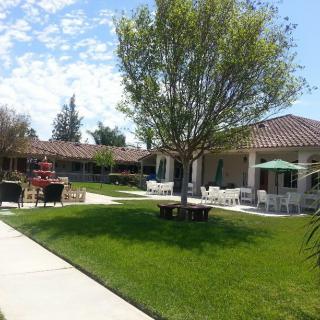
Residents and families describe lots of engagement through events and scheduled activities, including music, karaoke, and group outings. Reviewers also return to the physical setting—courtyards, outdoor space, and the on-site petting/farm-style atmosphere—as part of why the community feels welcoming. A few mentions also point to care routines and comfort details that make the environment feel familiar.
caveat3 reviews mention this
Understaffing and supervision concerns
Some reviews raise concerns about staffing levels and resident monitoring.
A recurring criticism is that staffing is not enough for residents’ needs, with one reviewer saying caregivers were delayed during bathroom assistance. Other negative reviews describe inadequate supervision, residents being left unattended, and issues such as residents being locked out of rooms during the day. These comments stand in contrast to many other reviews that describe staff support, communication, and attentiveness.
How we summarize
Counts show how many written reviews mention each theme; a review can touch several themes, and only frequently mentioned themes are displayed.
Features
Housing
98 resident community capacity
Studio apartments
Types of Care
Memory Care
Amenities
Activities off-site
Activities on-site
Air-conditioning
Beautician on-site
Beauty salon
Cable or satellite TV
Computer center
Devotional services off-site
Devotional services on-site
Dining room
Fitness room
Fully furnished
Gaming room
Garden
Ground floor units
Handicap accessible
Housekeeping services
Indoor common areas
Kitchenette
Move-in coordination
Outdoor common areas
Outdoor space
Private bathrooms
Respite or short term stays offered
Restaurant-style dining
Small library
Telephone
Wellness center
Wheelchair accessible showers
Wi-Fi/high-speed internet available
Transportation
Ontario International (10 miles away)
Community operated transportation
Transportation arrangement
Transportation arrangement (non-medical)
Transportation to doctors appointments
Care Services
12-16 hour nursing
24-hour call system
24-hour supervision
Activities of daily living assistance
Assistance with bathing
Assistance with dressing
Assistance with transfers
Coordination with health care providers
Dementia waiver
Diabetes diet
Diabetic care
Hospice waiver
Incontinence care
Meal preparation and service
Medication management
Mental wellness program
Mild cognitive impairment
Special dietary restrictions
Specialized memory care programming
Transportation arrangement (medical)
Transportation to doctors appointments
Dining
Diabetes diet
Gluten-free
Guest meals
Kosher
Low / no sodium
Meals provided
No Sugar
Room service
Special dietary restrictions
Special dining programs
Vegan
Vegetarian
Activities
Art classes
Catholic services
Community-sponsored activities
Concierge services
Cooking classes
Day trips and outings
Devotional activities offsite
Devotional activities on-site
Fitness programs
Jewish services
Karaoke
Live well programs
Mormon/LDS services
Other religious services
Planned day trips
Protestant services
Resident-run activities
Scheduled daily activities
Visiting chaplain or priest
Nearby Places of Interest
This part of Riverside, California, offers a convenient and diverse array of amenities for senior living. With multiple pharmacies, hospitals, and physicians in close proximity, residents have easy access to healthcare services. Additionally, there are several restaurants and cafes nearby for dining options. For leisure activities, there are theaters for entertainment and parks for outdoor recreation. The presence of places of worship like Riverside Community Church provides spiritual support for seniors seeking a sense of community and belonging. Overall, this area is well-equipped to provide essential services and a comfortable lifestyle for seniors looking to settle in Riverside.
Pharmacies
V 215 (1.8 miles)
Rite Aid (2.2 miles)
Tap Pharmacy (2.8 miles)
Walgreens (3 miles)
Rite Aid (3.3 miles)
CVS Pharmacy (3.5 miles)
CVS Pharmacy (4.1 miles)
Hospitals
Windsor Cypress Gardens Healthcare (2.6 miles)
Parkview Community Hospital Medical Center (3.3 miles)
Molina Medical Center (3.4 miles)
Riverside Center (5.7 miles)
Empire Imaging (6.7 miles)
Vista Cove Care Center At Corona (8 miles)
Physicians
Riverside Family Physicians (2.9 miles)
West Dermatology Riverside (2.9 miles)
Asthma & Allergy Medical Group (2.9 miles)
Li Doris MD Mission Surgical Clinic (3.2 miles)
Renaissance Radiology Medical Group (3.4 miles)
Jurupa Family Health Center (4.6 miles)
Jeffrey M Deledonne Dr DDS (4.7 miles)
Restaurants
Taqueria 2 Potrillos (3 miles)
Yard House (3 miles)
The Cheesecake Factory (3.3 miles)
TGI Friday's (3.3 miles)
Brandon's Diner (3.5 miles)
Rodeo Cafe (3.8 miles)
On The Border Mexican Grill & Cantina (4 miles)
Theaters
AMC Tyler Galleria 16, NEW RESERVED SEATING: Save your favorite seat in advance (3 miles)
The Gardens of Riverside offers a range of accommodation options with monthly costs that reflect the premium services and amenities provided. For a semi-private room, residents can expect to pay $4,745, which is notably higher than Riverside County's average of $2,844 and California's overall average of $3,333. Similarly, for studio apartments at The Gardens, the monthly fee stands at $5,695 - significantly above both the county's average rate of $3,559 and the state's average of $4,145. These figures suggest that while The Gardens of Riverside may be on the pricier side compared to local and state benchmarks, its pricing likely correlates with enhanced care options and a supportive living environment tailored to residents' needs.
The comprehensive features of The Gardens of Riverside are designed to enhance the quality of life for residents experiencing varying stages of dementia or Alzheimer's disease. Around-the-clock supervision ensures safety and immediate support, while assistance with activities of daily living, such as bathing and dressing, fosters dignity and independence. Coordination with healthcare providers and medication management helps to maintain optimal health, addressing any medical needs that arise. By providing incontinence care and meal preparation tailored to dietary requirements, the facility promotes physical well-being and comfort. The mental wellness program, combined with specialized memory care programming, supports cognitive engagement and emotional stability, which can significantly improve overall resident satisfaction. Additionally, transportation arrangements for medical appointments ensure that residents have consistent access to necessary healthcare services, further supporting their ongoing health management. These interrelated services create a nurturing environment conducive to both physical care and cognitive stimulation essential for individuals navigating the complexities of memory impairment.
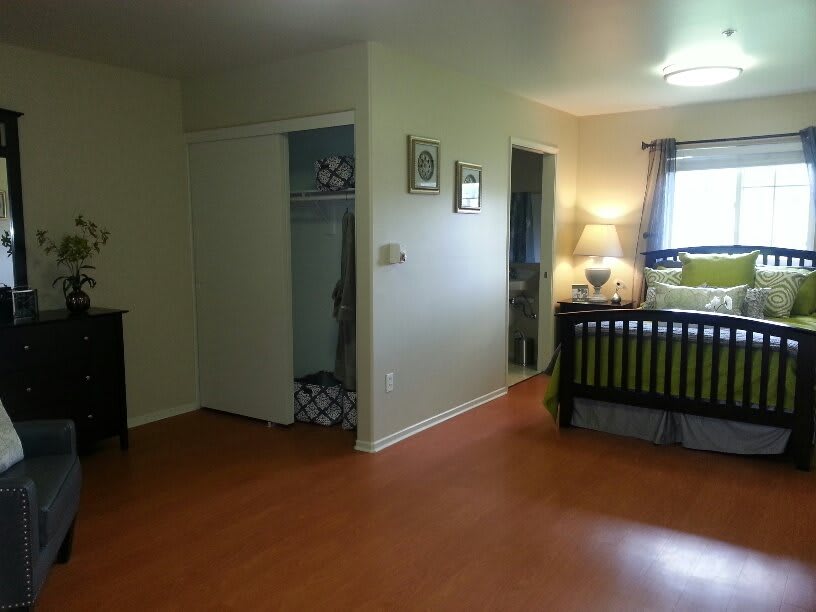
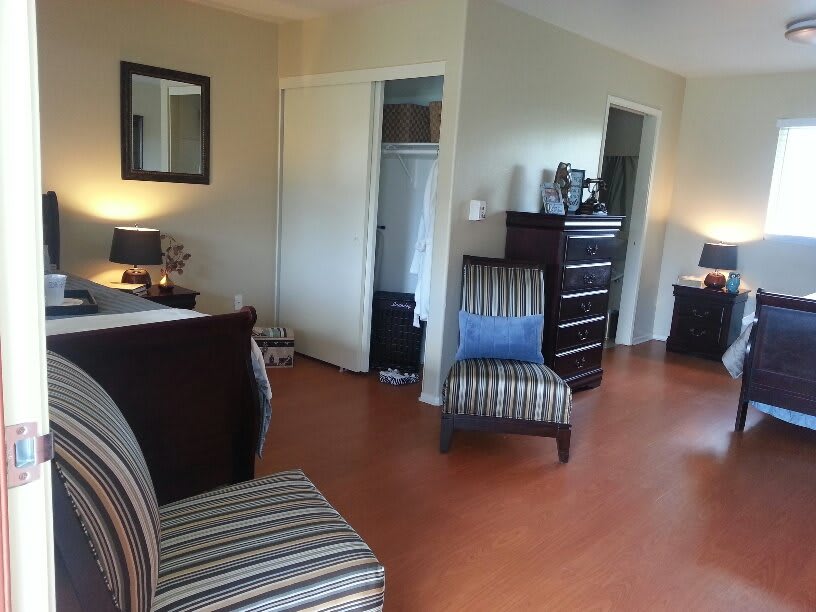
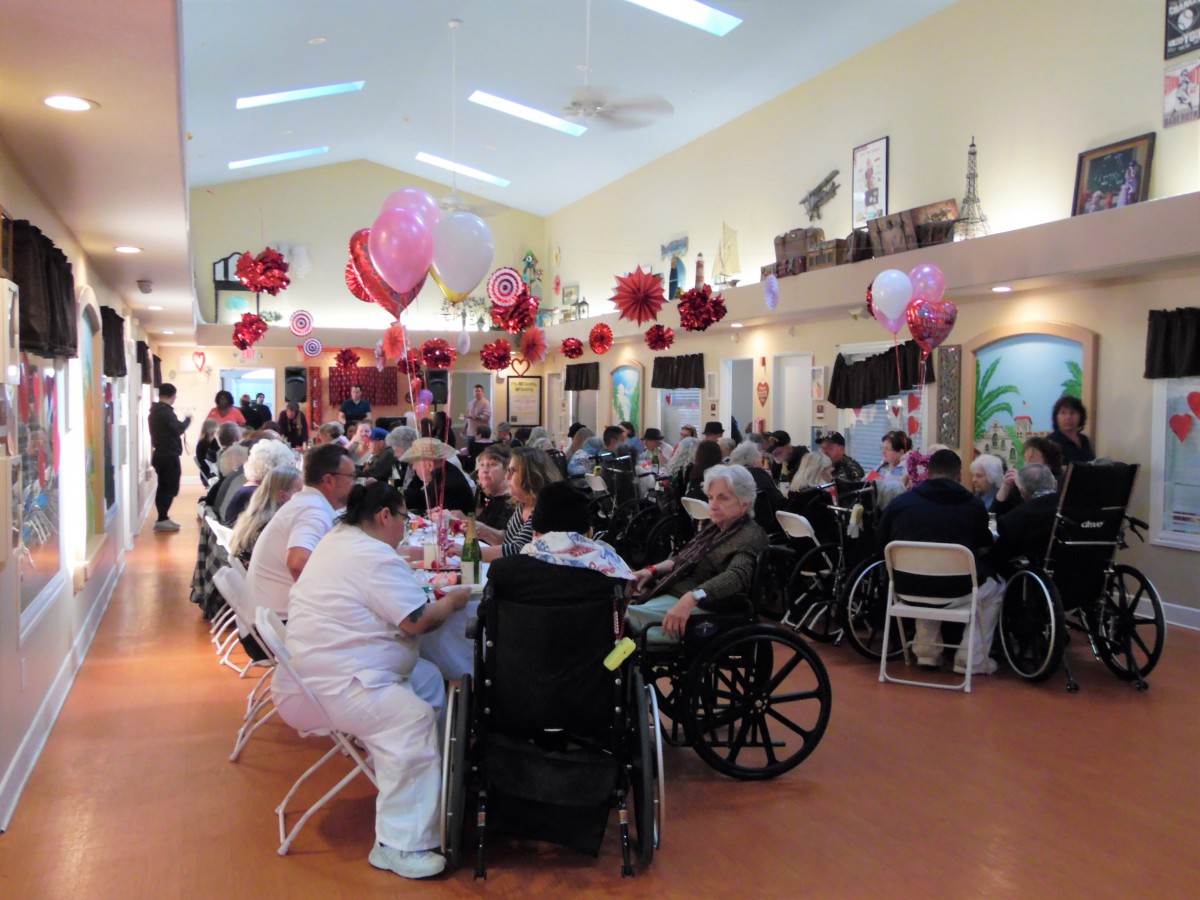
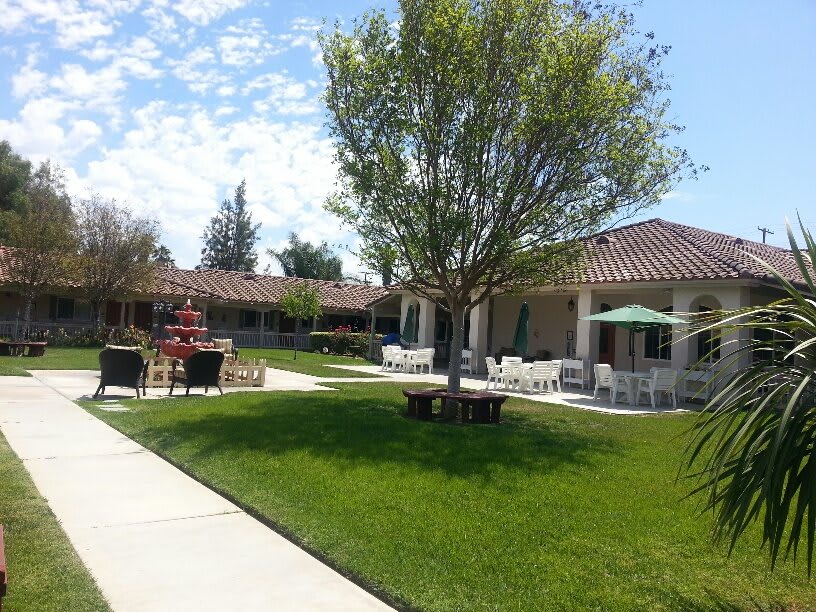
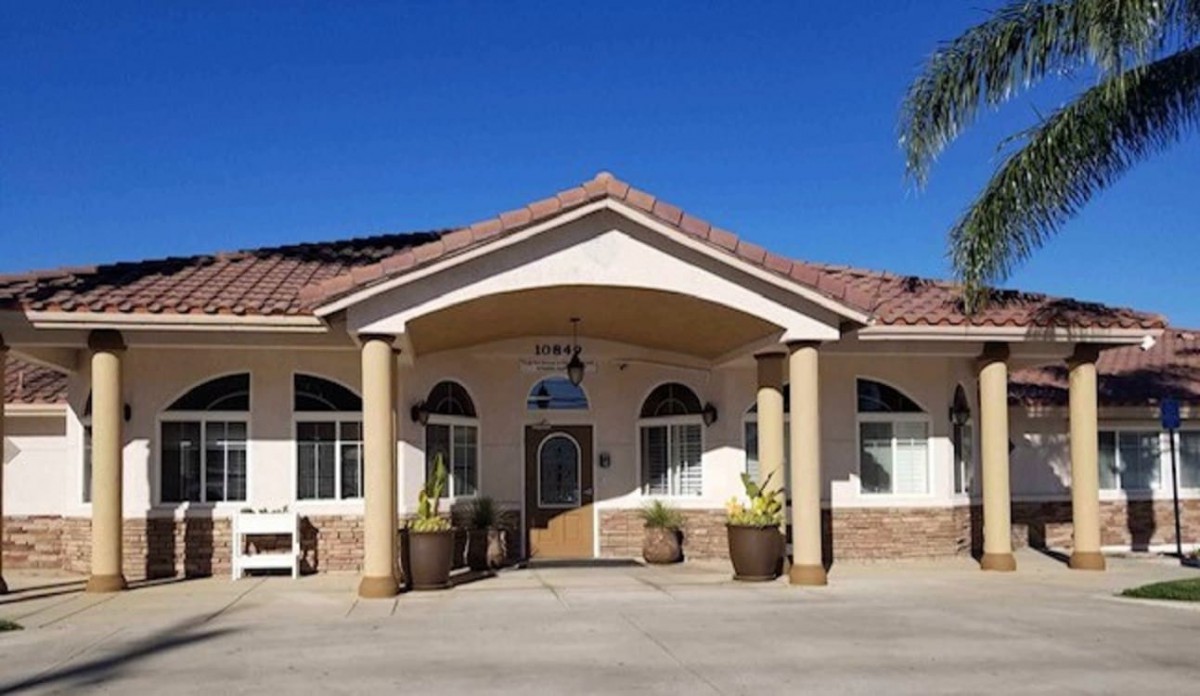
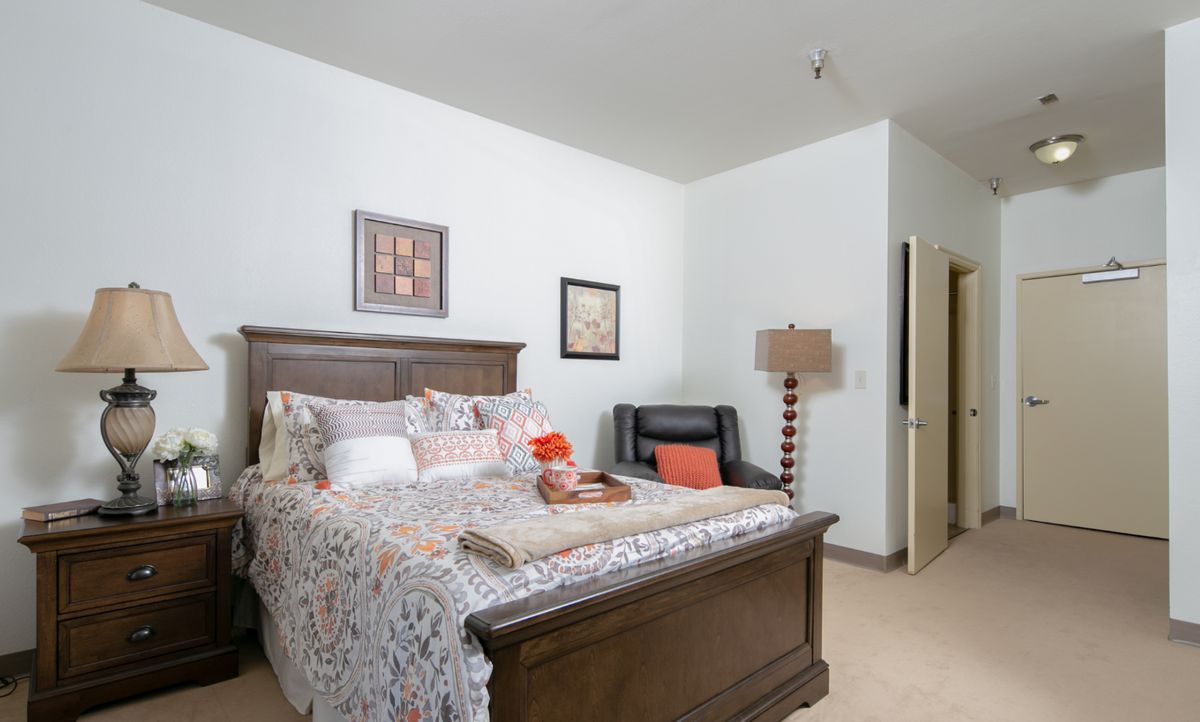
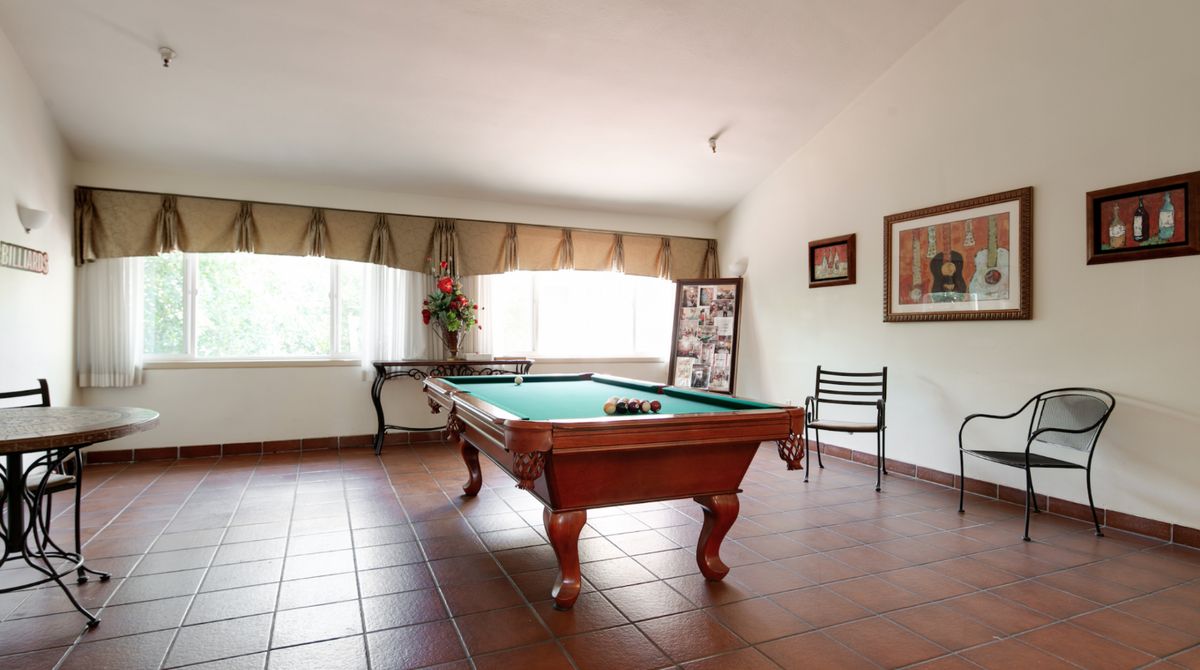
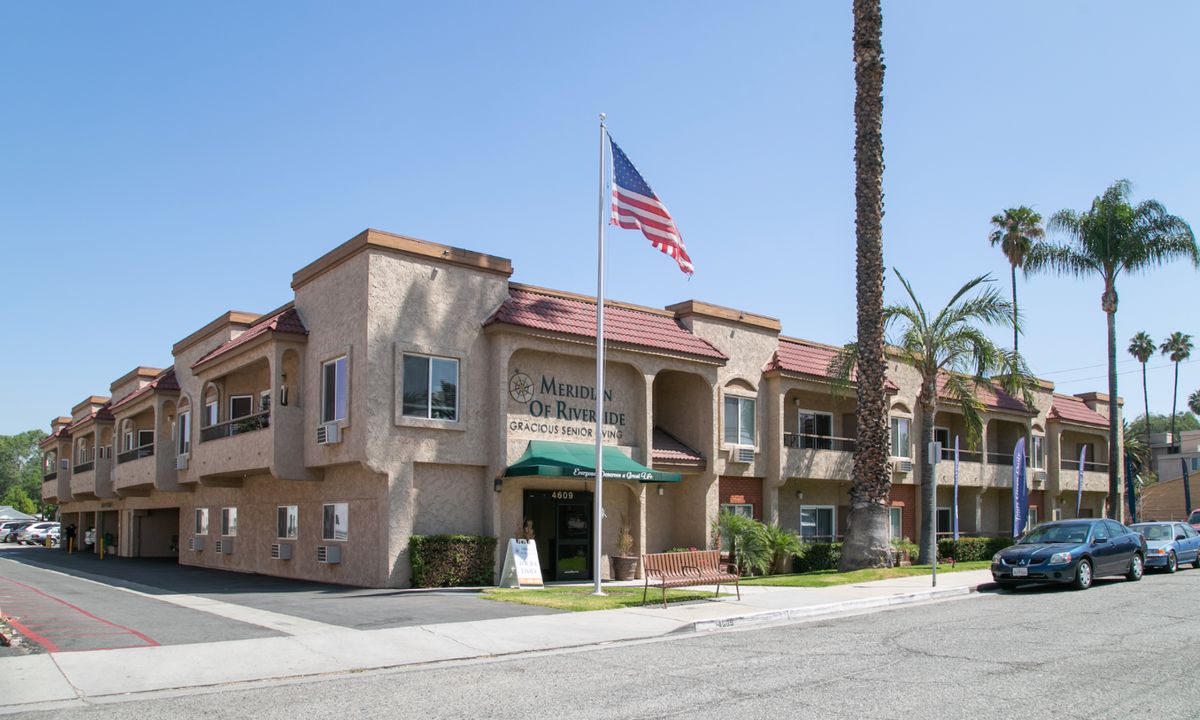
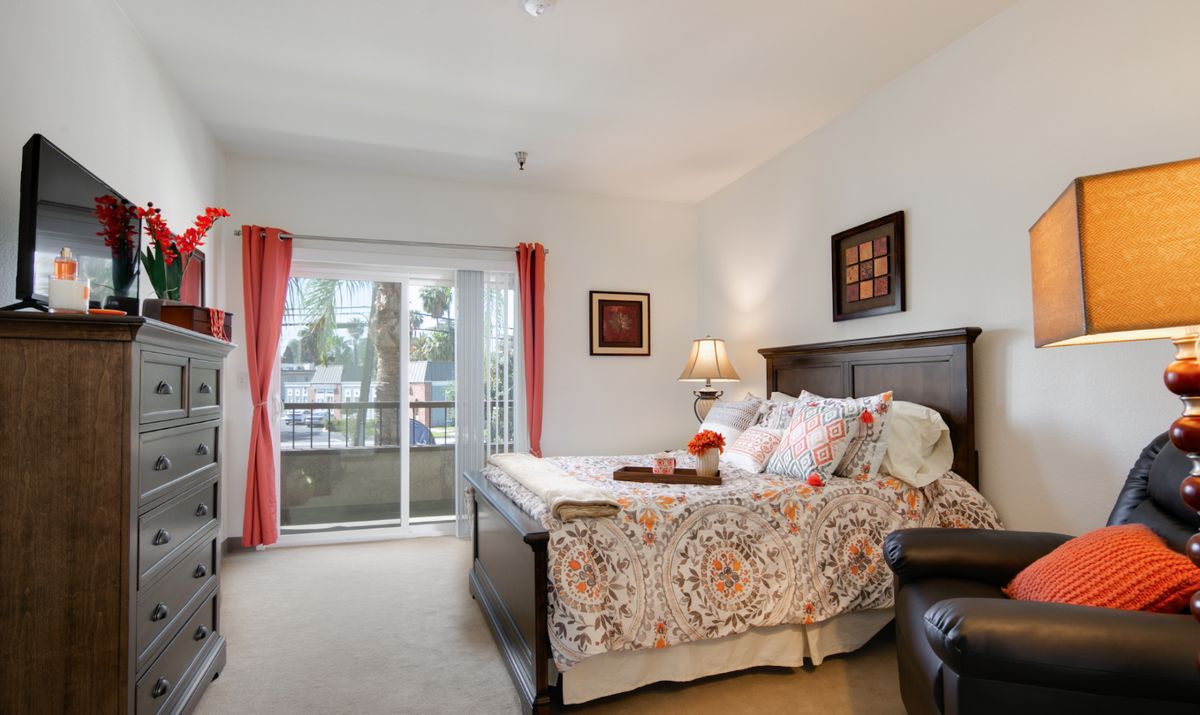
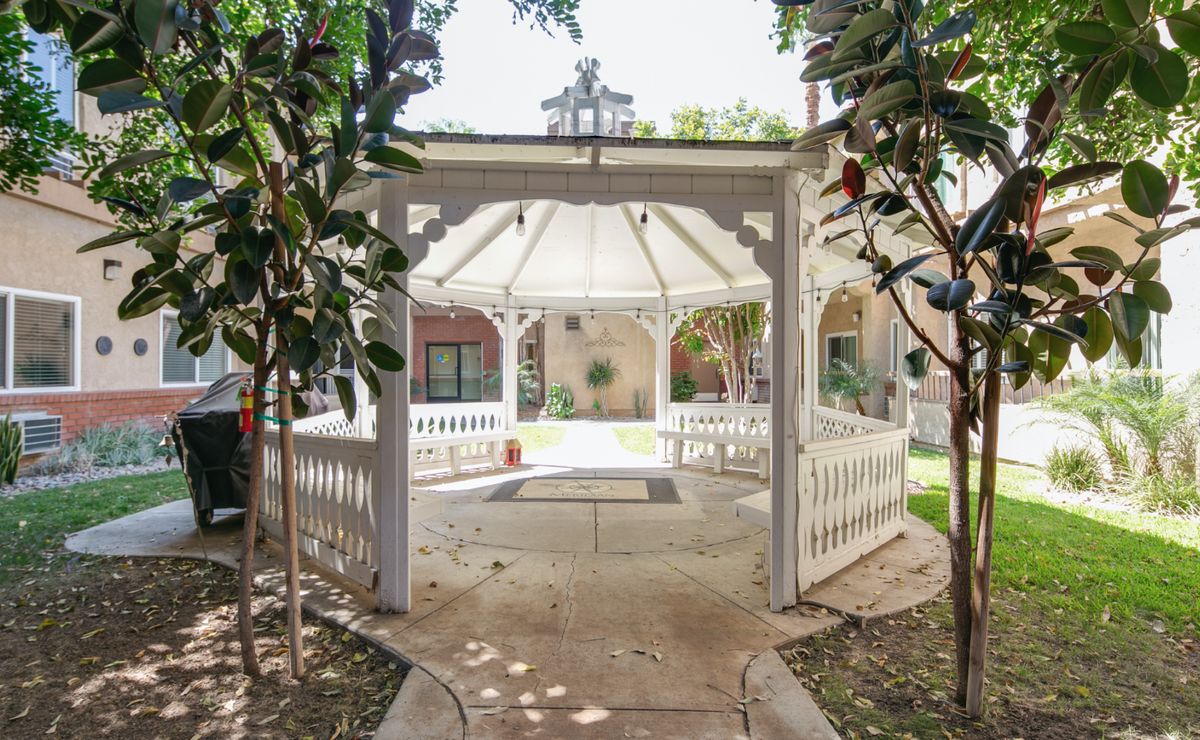
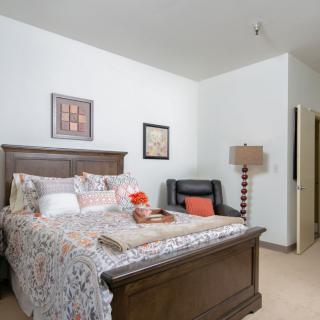
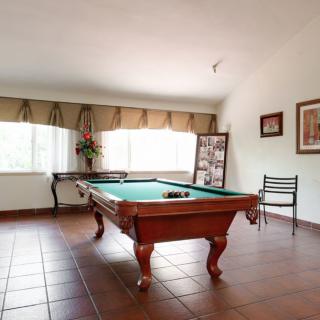
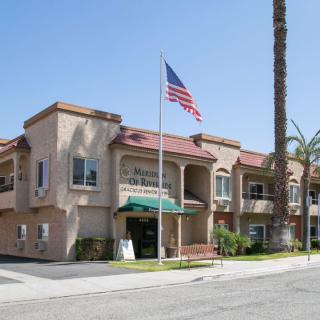
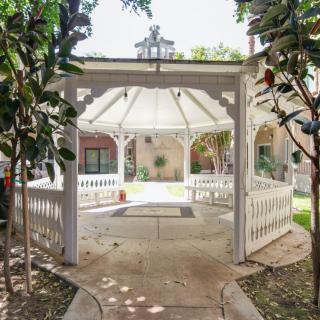
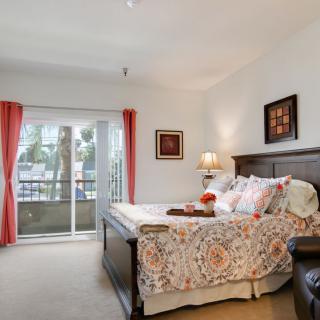
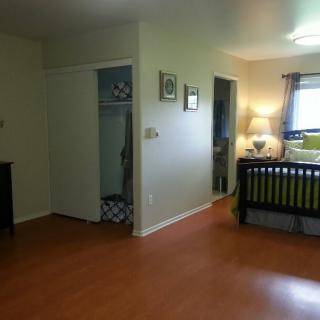
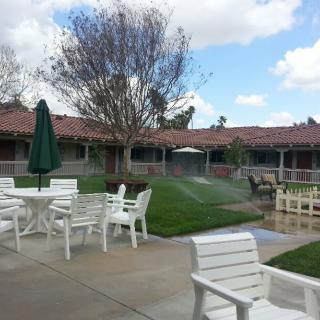
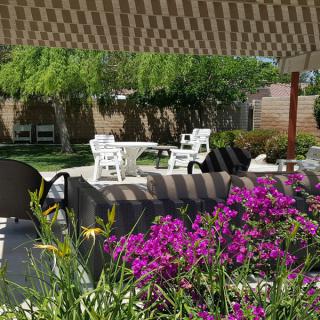
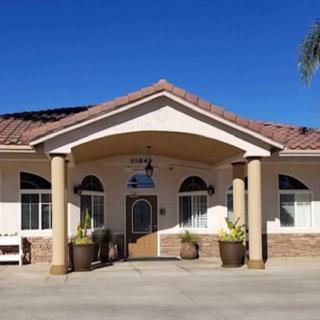
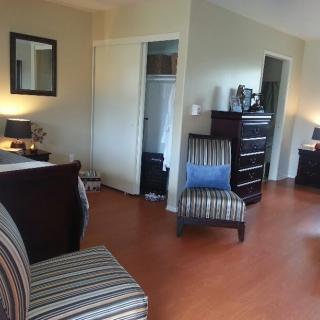
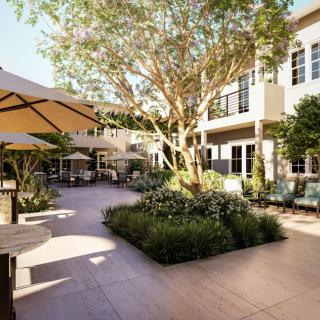
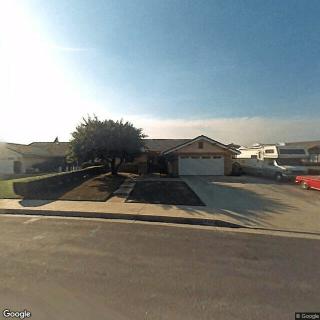
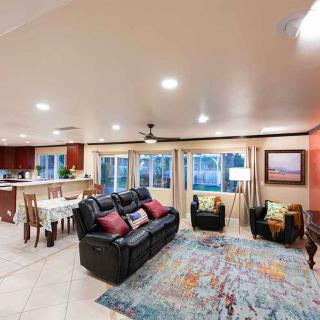
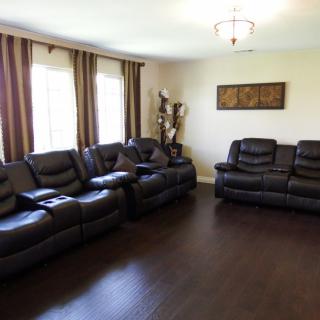
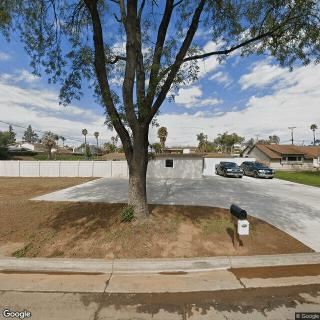
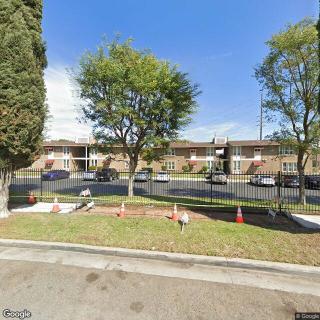
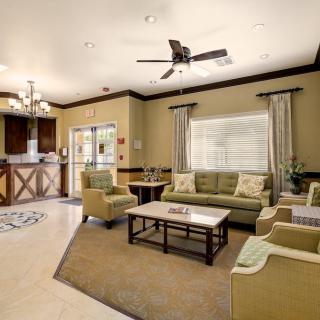
The Gardens of Riverside on seniors.fyi includes 15 photos including images showing interior, bedroom, landscaping, decor, hardwood floor, patio, outdoor, garden, and more.
Nearby Communities
Angels of D & D Elderly Care
Riverside, CA
4.9 from 17 reviews
$2,500 to $6,000 / month
Alicia Pines Residential Care
Riverside, CA
3.5 from 2 reviews
$2,800 to $3,400 / month
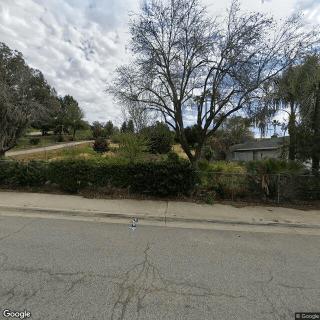
Beautiful grounds with a spacious, peaceful setting and caring staff.
A Perfect Choice Family Home
Riverside, CA
5 from 1 review
Comprehensive care with 24-hour supervision, ADL support, medication management, diabetes-friendly dining, and on-site amenities.
Rose Manor
Riverside, CA
4 from 1 review
$1,800 / month
Friendly staff in a welcoming environment with engaging on-site activities.
Good Shepherd Home Care
Riverside, CA
3.7 from 3 reviews
$1,500 to $7,398 / month
Memory-care focused with private rooms, on-site activities, and comprehensive services (medication management, high acuity and incontinence care).
Fontecha Board & Care
Riverside, CA
Strong proximity to healthcare, dining, parks, and culture.
Sierra Woods Apartments
Riverside, CA
4.8 from 18 reviews
$6,275 to $9,725 / month
Nearby amenities and healthcare access (pharmacies, doctors, hospitals, dining, theater).
Brandon Place Senior Apartments
Riverside, CA
4 from 24 reviews
Convenient Riverside location with spacious apartments and a vibrant social environment.
Pacifica Senior Living Riverside
Riverside, CA
4.7 from 189 reviews
$3,295 to $3,995 / month
Caring staff in a clean, home-like setting with resident-focused attention and engaging activities.
The transition from assisted living to skilled nursing care is often prompted by complex medical needs that assisted living cannot meet, with key indicators including frequent health declines, increased falls, severe memory issues, and caregiver burnout. Families should recognize these signs early to discuss options with healthcare providers and prepare for the emotional and logistical aspects of moving to a facility that offers comprehensive medical support.
Dementia is characterized by cognitive decline, with nutrition playing a vital role in brain health; while no specific diet can prevent or reverse it, a nutrient-dense diet rich in antioxidants and healthy fats may support cognitive function. The MIND diet, which emphasizes beneficial foods and limits processed items, along with proper hydration and individualized meal strategies, can enhance the well-being of dementia patients.
Dementia affects memory and cognitive function in older adults, presenting challenges for caregivers due to behavioral changes such as confusion and mood swings. Compassionate, person-centered care that considers individual history and preferences, along with effective communication and environmental modifications, is essential for supporting both patients and their caregivers.
Get PricingAsk A QuestionSchedule A TourContact Senior Advisor
By clicking submit, you agree to our Partner's Terms of Use. You
also consent to receive calls and texts, which may be autodialed, from our Partner. Your consent is not a condition to
using our Partner's service. Please visit our Partner's Privacy Policy for information about their privacy practices.

 98 resident community capacity
 Studio apartments
 Memory Care
 Activities off-site
 Air-conditioning
 Beautician on-site
 Cable or satellite TV
 Computer center
 Devotional services off-site
 Dining room
 Fitness room
 Fully furnished
 Gaming room
 Garden
 Ground floor units
 Handicap accessible
 Housekeeping services
 Indoor common areas
 Kitchenette
 Move-in coordination
 Outdoor common areas
 Private bathrooms
 Respite or short term stays offered
 Restaurant-style dining
 Small library
 Telephone
 Wellness center
 Wheelchair accessible showers
 Wi-Fi/high-speed internet available
 Ontario International (10 miles away)
 Community operated transportation
 12-16 hour nursing
 24-hour call system
 Assistance with bathing
 Assistance with dressing
 Assistance with transfers
 Diabetes diet
 Diabetic care
 Hospice waiver
 Incontinence care
 Medication management
 Mental wellness program
 Special dietary restrictions
 Transportation arrangement (medical)
 Art classes
 Catholic services
 Concierge services
 Cooking classes
 Day trips and outings
 Jewish services
 Karaoke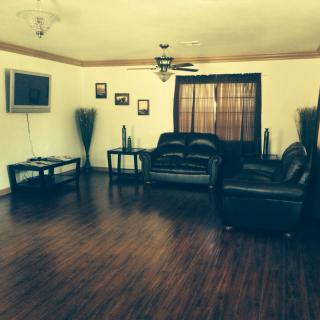
 Beautiful grounds with a spacious, peaceful setting and caring staff.
 8 Key Indicators That Suggest It May Be Time to Transition from Assisted Living to Skilled Nursing Care
 Nourishing the Mind: Essential Dietary Approaches for Dementia
 Understanding Dementia Behaviors: Practical Insights and Strategies for Caregivers