

6675 Valley Drive, Riverside, CA 92505
For more information about senior living options: (866) 208-4318
Alicia Pines Residential Care Costs & Pricing
At Alicia Pines Residential Care, the monthly costs for both semi-private and private rooms are competitively positioned in comparison to Riverside County and the broader state of California. With a semi-private room priced at $2,800, Alicia Pines offers substantial savings compared to the county average of $2,844 and the state average of $3,333. For those seeking more privacy, a private room at Alicia Pines is available for $3,400, slightly lower than the county's rate of $3,474 and significantly below California's average of $3,939. This pricing structure not only underscores Alicia Pines' commitment to providing quality care but also highlights its value as an affordable option within the regional market.
| Floor plans | Alicia Pines Residential Care | Riverside County | California |
|---|---|---|---|
| Semi-Private | $2,800 | $2,844 | $3,333 |
| Private | $3,400 | $3,474 | $3,939 |
Assisted Living communities with a similar price nearby
-
from -$300 / mo
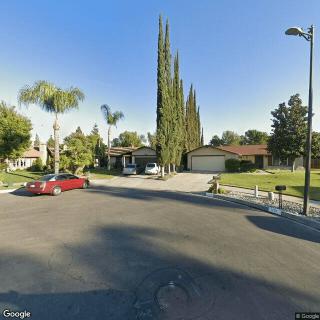
Valley Spring Elderly Care
$2,500 to $3,000 / month13.5 miles away -
from +$200 / mo
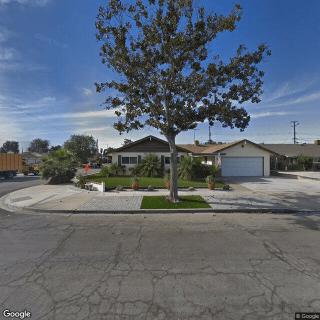
Kozy Quarters 4 Seniors
$3,000 to $3,500 / month22.7 miles away -
from +$200 / mo
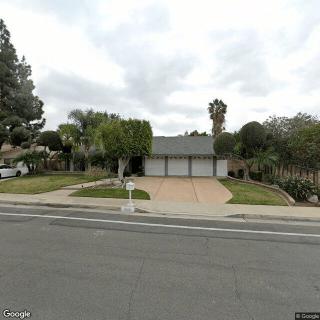
Best Elderly Care I
$3,000 to $3,500 / month21.0 miles away -
About the same

Bianca's Home Care
$2,800 to $3,400 / month6.8 miles away -
from -$100 / mo

The Golden Years Guest Home
$2,700 to $3,500 / month22.8 miles away
Overall Review of Alicia Pines Residential Care
Pros
 The grounds are beautiful.
- The home is spacious.
- The owner is very kind.
Cons
 They were all about the money.
- The price was a bit high for their budget.
- There were alarms on the doors at night that would go off if residents needed to use the bathroom.
- The seniors on the porch seemed sad.
- The place gave a bad vibe.
Review
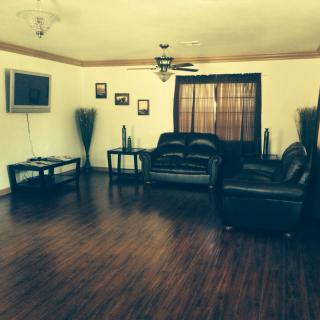
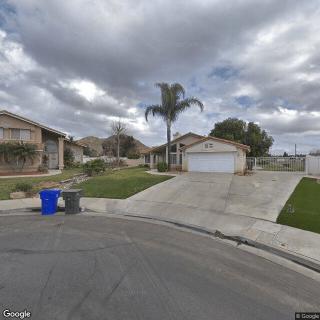
Alicia Pines Residential Care in Riverside is best suited for seniors who want a warm, home-like environment and a proprietor who appears personally invested in residents. The facility presents a spacious, well-kept residence with pleasant grounds, offering a calm atmosphere that can ease the transition into care. The owner’s kindness comes through as a tangible point of contact and reassurance, suggesting attentiveness beyond routine staffing. For families able to absorb a higher-than-average daily rate, this combination of atmosphere and personal touch can feel like a strong match for steady companionship and dignity in late-life living.
However, this option is not a universal fit. Budget constraints will quickly narrow the field, as the price point sits above many peers. A more troubling concern is the impression that profits can drive decisions, which can undermine confidence in the level of genuine care. The presence of alarms on bedroom doors at night can feel intrusive, turning safety into surveillance and eroding the sense of home. Observations that residents appear subdued on the porch add a cautionary note about mood and engagement. Those signals matter and deserve careful weighing against the appealing setting.
On the upside, the property’s space and beauty create a dignified daily life that reduces the stress of transitioning into care. A kind owner aligns with smoother communication and faster responsiveness, which can translate into reliable caregiving and less daily friction than in larger facilities. For families who prize routine, structure, and a serene environment, these elements offer tangible value. Yet the cost and the money-minded perception blunt these advantages. A bright, homey interior cannot fully compensate when residents feel resigned or when care decisions appear tethered to price rather than patient wellbeing. The balance here tilts toward caution rather than unreserved enthusiasm.
With only two reviews informing the impression, the sample is small, so a visit is essential to confirm what truly unfolds in daily life. The strongest red flags, perceived profit-driven focus, nighttime alarms, and signs of sadness among residents, warrant careful probing: ask about day-to-day life, staffing stability, and how independence is supported. Request a transparent price breakdown and clarify what services are included or optional. If nocturnal assistance is essential, verify the facility’s flexibility and comfort with safety measures that respect resident autonomy. In short, warmth on paper must prove itself in numbers, schedules, and real-time care.
Guided by experience, families should evaluate the trade-off between atmosphere and affordability. Seek specifics on caregiver ratios, staff training, and activity programming; inspect meals and housekeeping quality; and review the discharge or transfer process if a move proves necessary. Also consider the overall mood of residents and whether there is genuine social engagement beyond casual hallway greetings. A practical decision will balance the emotional appeal of a quiet, attractive home with the realities of ongoing care costs, accessibility, and the facility’s track record for consistent, compassionate support.
Bottom line: Alicia Pines Residential Care can be an excellent fit for those who value a home-like setting and direct leadership, provided the budget aligns and the care atmosphere meets expectations. For families prioritizing affordability or wary of a profit-driven narrative and alarm-heavy safety measures, exploring other options is prudent. Look at other small residential settings with transparent pricing or larger communities known for steadier programming and more predictable costs. The right choice hinges on whether the environment delivers daily life that feels uplifting and respectfully staffed, or whether financial and operational concerns outweigh the setting’s charms.
 6 resident community capacity
 Assisted Living
 Board and Care Home
 Respite Care
 Cable or satellite TV
 Dining room
 Fully furnished
 Garden
 Housekeeping services
 Move-in coordination
 Outdoor space
 Private
 Telephone
 Wi-Fi/high-speed internet available
 Ontario International (9 miles away)
 24-hour supervision
 Activities of daily living assistance
 Ambulatory care
 Assistance with bathing
 Assistance with dressing
 Assistance with transfers
 Diabetes diet
 Meal preparation and service
 Medication management
 Special dietary restrictions
 Transportation arrangement (medical)
 Transportation to doctors appointments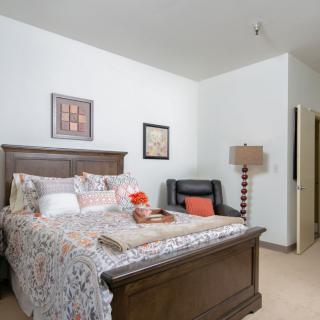


 An Extensive Exploration of the VA Aid and Attendance Benefit
 Senior Transition Services: Understanding Their Role, Cost, and Importance
 Exploring the Path to Senior Living: A Comprehensive Look at Independent Living and Assisted Living