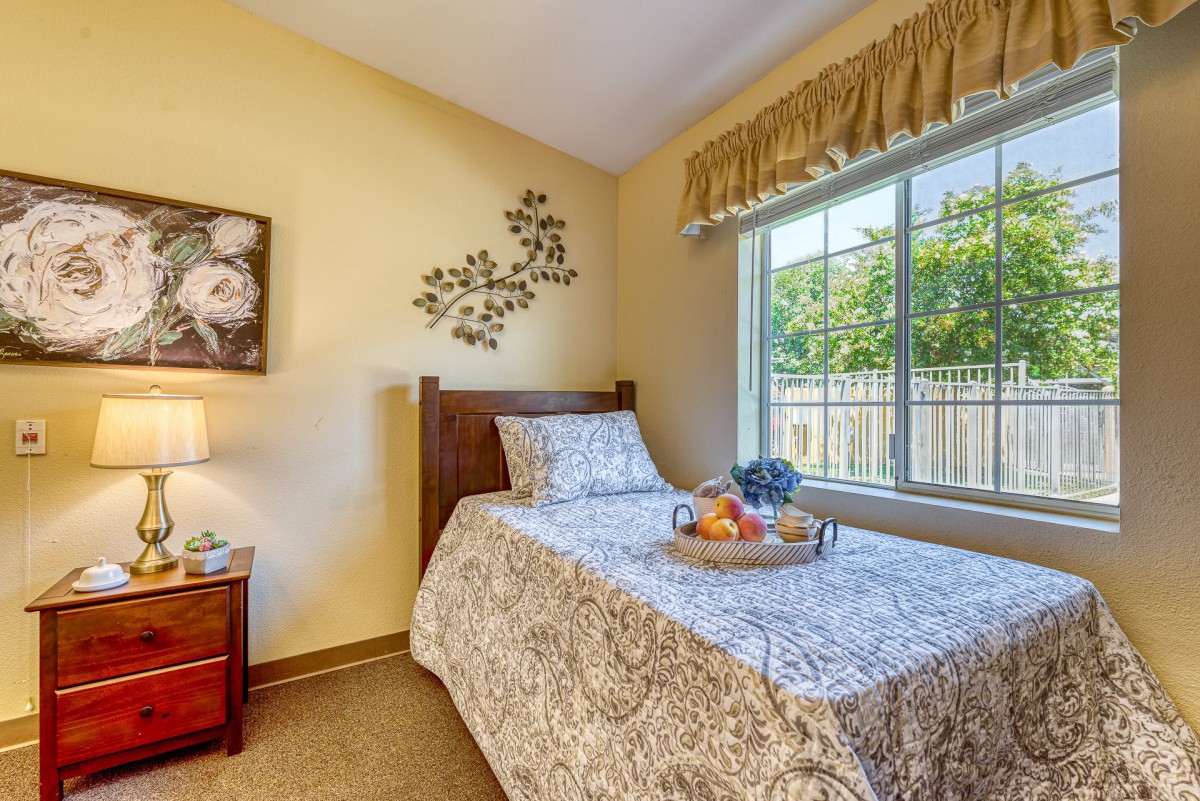
At Pacifica Senior Living Riverside, the monthly costs for resident accommodations reflect a balance between quality care and competitive pricing. The semi-private room is available at $3,295, which is slightly above the average for San Bernardino County at $2,958 but remains more affordable than the statewide average of $3,333. For those seeking greater privacy, the studio option is priced at $3,995; this again sits within a moderate range compared to both county and state averages - cheaper than California's overall studio rate of $4,145 yet higher than San Bernardino County's average of $3,455. These pricing structures signify Pacifica's commitment to delivering exceptional service and amenities tailored to meet the diverse needs of seniors while remaining mindful of regional financial trends.
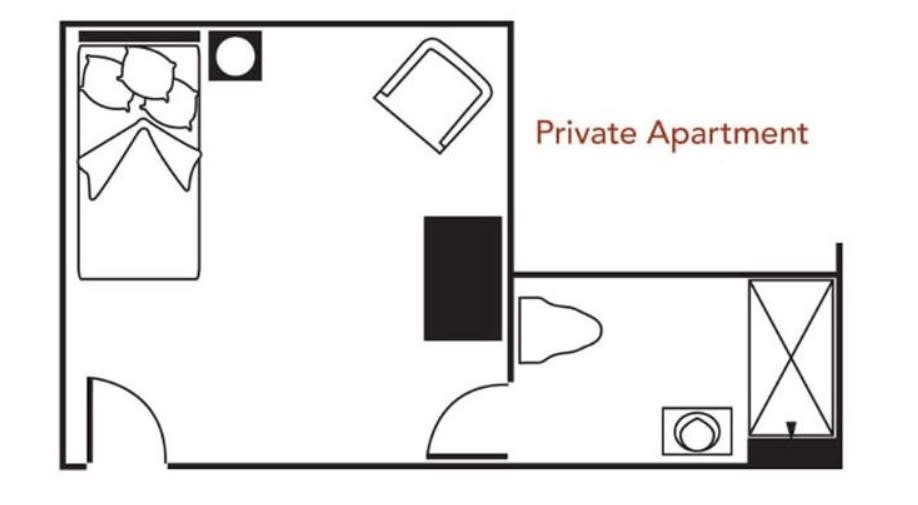
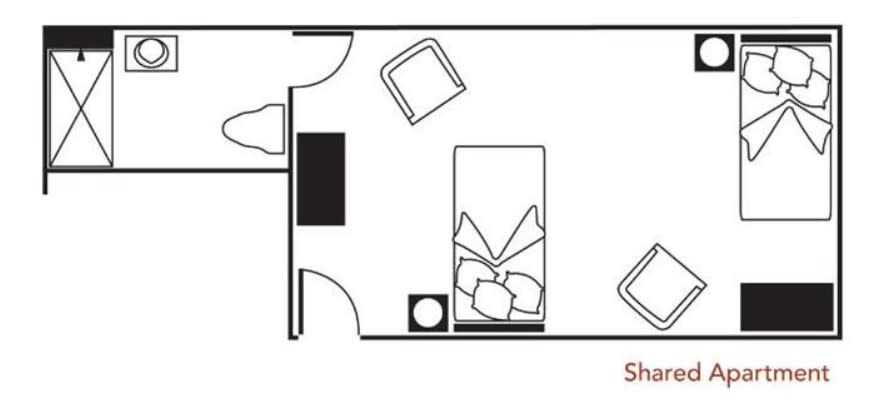
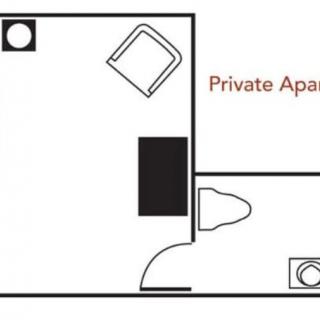
Floor plans
Pacifica Senior Living Riverside
San Bernardino County
California
Semi-Private
$3,295
$2,958
$3,333
Studio
$3,995
$3,455
$4,145
Memory care communities with a similar price nearby
Overall Review of Pacifica Senior Living Riverside
caveat4 reviews mention this
Communication can be inconsistent
Families sometimes struggle to reach staff or get clear updates.
Some residents’ families say it can be difficult to get someone on the phone promptly, including being sent to voicemail. Others describe a lack of clear communication or transparency, particularly around health status and coordination with outside care. At the same time, a few reviewers mention smoother communication at times, such as after-hours updates or easier access to certain staff members.
caveat3 reviews mention this
Safety and staffing concerns recur
A minority of reviewers raise concerns about staffing and safety.
A small number of reviews describe feeling that residents were not receiving adequate care due to staffing shortages. One reviewer specifically calls out medication safety concerns and unsafe practices, while another describes weight loss, rapid decline, and the need to closely monitor day-to-day care. Another negative review also mentions understaffing alongside communication difficulties and poor food portions.
common5 reviews mention this
Cottages and security are emphasized
Many residents seem to benefit from the cottage-style, secure setup.
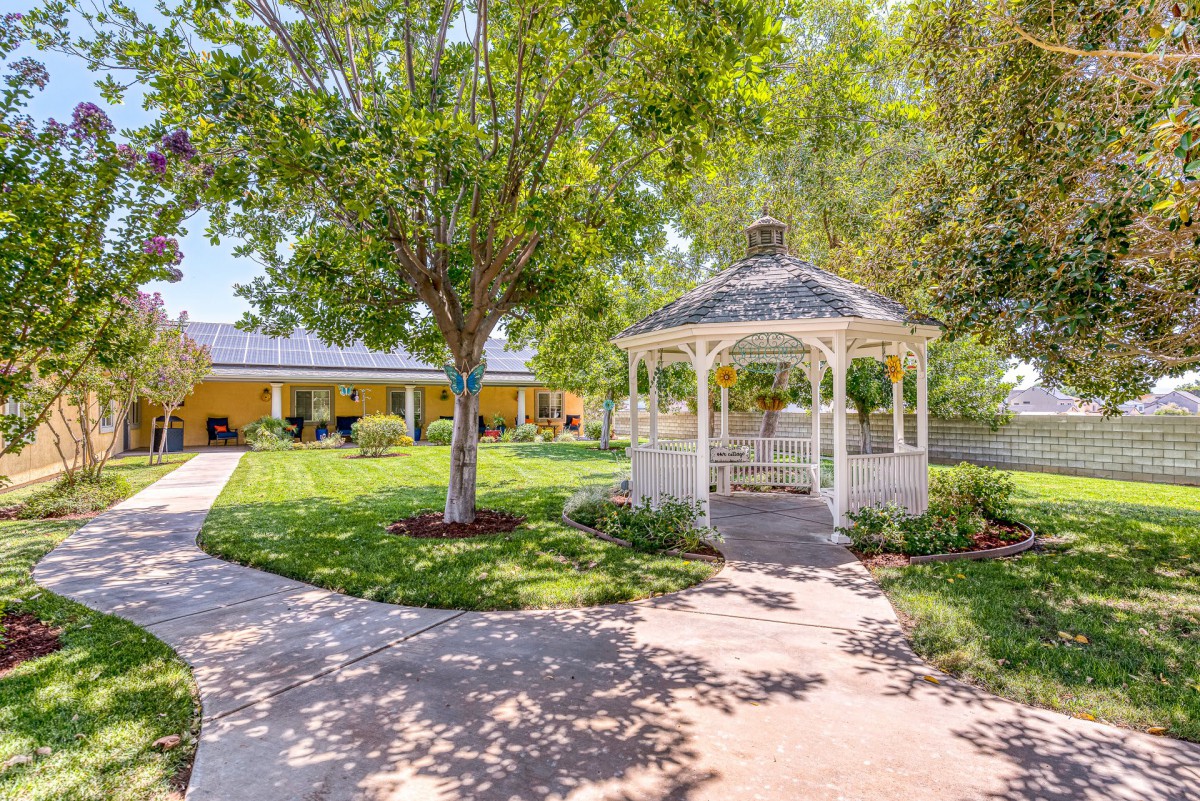
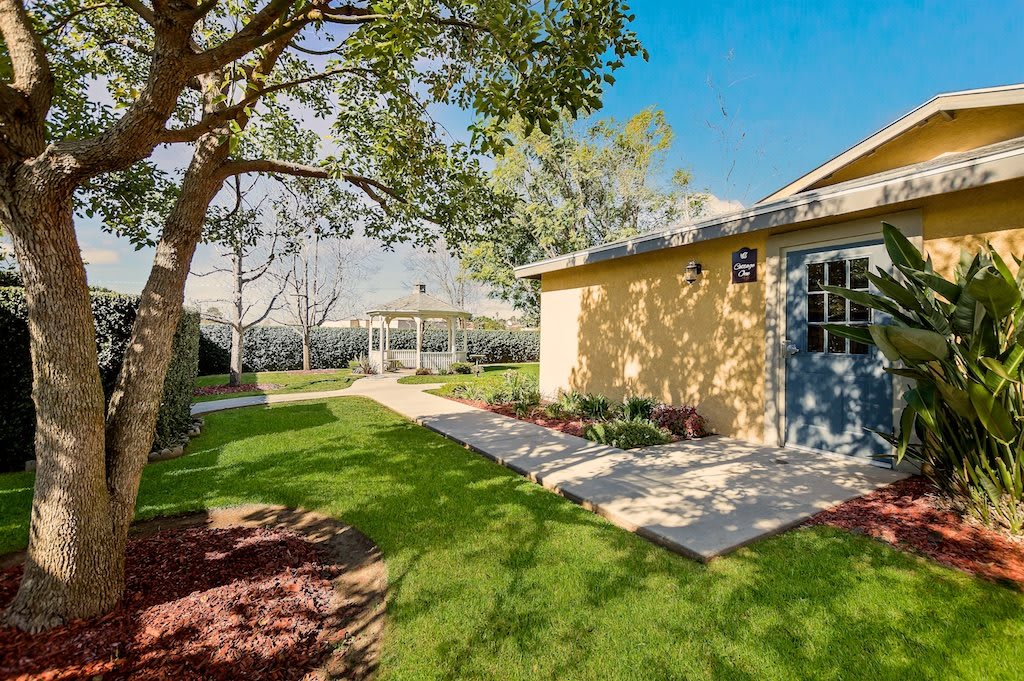
Reviewers frequently describe the cottage layout as feeling safe and more home-like than an institutional setting. Several mention secured boundaries or a locked-down environment that supports residents being able to go outside or walk within limits. One reviewer also describes the design of walking paths leading back to cottages and staff line of sight as part of what makes the setup workable for people with memory issues.
How we summarize
Counts show how many written reviews mention each theme; a review can touch several themes, and only frequently mentioned themes are displayed.
Features
Housing
92 resident community capacity
Studio apartments
Types of Care
Memory Care
Pets
Dogs allowed
Amenities
Activities off-site
Activities on-site
Air-conditioning
Beautician on-site
Beauty salon
Cable or satellite TV
Computer center
Devotional services on-site
Dining room
Financing advice
Fitness room
Fully furnished
Gaming room
Garden
Ground floor units
Guasts at mealtime
Guest parking
Handicap accessible
Housekeeping services
Indoor common areas
Kitchenette
Laundry
Move-in coordination
Outdoor common areas
Outdoor space
Party space
Private bathrooms
Respite or short term stays offered
Restaurant-style dining
Security gate
Small library
TV room
Telephone
VA Benefits Consultation
Wellness center
Wheelchair accessible showers
Wi-Fi/high-speed internet available
Transportation
Ontario International (10 miles away)
Community operated transportation
Transportation & parking
Transportation arrangement
Transportation arrangement (non-medical)
Care Services
12-16 hour nursing
24-hour call system
24-hour supervision
Activities of daily living assistance
Assistance with bathing
Assistance with dressing
Assistance with transfers
Coordination with health care providers
Dementia waiver
Diabetes diet
Diabetic care
Hospice care
Hospice waiver
Incontinence care
Meal preparation and service
Medication management
Mental wellness program
Mild cognitive impairment
Special dietary restrictions
Specialized memory care programming
Transportation arrangement (medical)
Transportation to doctors appointments
Dining
Anytime dining
Diabetes diet
Gluten-free
Guest meals
Low / no sodium
Meals provided
No Sugar
Organic
Professional chef
Room service
Special dietary restrictions
Special dining programs
Vegan
Vegetarian
Activities
Activities off-site
Art classes
Community-sponsored activities
Concierge services
Cooking classes
Day trips and outings
Devotional activities on-site
Educational speakers / life long learning
Fitness programs
Games
Gardening club
Karaoke
Live dance or theater performances
Live musical performances
Other religious services
Planned day trips
Religious services
Resident-run activities
Scheduled daily activities
Stories
Stretching classes
Visiting chaplain or priest
Wii bowling
Languages Spoken
English
Nearby Places of Interest
This area of Riverside, California offers a variety of amenities that may be appealing to seniors looking for a convenient and engaging community. With several pharmacies and hospitals within close proximity, residents have easy access to healthcare services. Additionally, there are numerous cafes and restaurants nearby for dining options. Parks such as Mount Rubidoux and Andulka Park provide opportunities for outdoor recreation and relaxation. The area also features theaters for entertainment options, as well as transportation services like the Metrolink Fontana Station for easy access to neighboring areas. Overall, this part of Riverside offers a well-rounded mix of essentials and leisure activities for seniors to enjoy in their retirement years.
Pharmacies
Rite Aid (2.1 miles)
Empire Twin Palms (3.4 miles)
CVS Pharmacy (3.6 miles)
Central Best Pharmacy (4 miles)
Walgreens (4 miles)
V 215 (4.2 miles)
CVS Pharmacy (4.4 miles)
Hospitals
Windsor Cypress Gardens Healthcare (2.6 miles)
Parkview Community Hospital Medical Center (3.5 miles)
Riverside Center (3.9 miles)
Empire Imaging (4.5 miles)
Molina Medical Center (5.7 miles)
Kaiser Permanente Fontana Medical Center (7 miles)
Physicians
Jurupa Family Health Center (3.1 miles)
Jeffrey M Deledonne Dr DDS (3.5 miles)
Renaissance Radiology Medical Group (3.6 miles)
Loma Linda University Plastic Surgery Group (4.1 miles)
University Pain Consultants (4.1 miles)
Riverbrock Neuro Sciences (4.4 miles)
Asthma & Allergy Medical Group (4.5 miles)
Places of Worship
Riverside Community Church (3.2 miles)
The Refuge Bible Fellowship (6.7 miles)
Cafes
Wanda's Cafe (3.7 miles)
Starbucks (5.2 miles)
Panera Bread (5.3 miles)
Dutch Bros Coffee (6.4 miles)
Starbucks (7.6 miles)
Restaurants
Rodeo Cafe (3.8 miles)
Wienerschnitzel (3.9 miles)
Taqueria 2 Potrillos (4.2 miles)
Islands Restaurant Riverside (4.2 miles)
Chick-Fil-A (4.2 miles)
Yard House (4.2 miles)
In-N-Out Burger (4.2 miles)
Parks
Mount Rubidoux (4 miles)
Vernola Family Park (4.8 miles)
Eastvale Community Park (6.1 miles)
Andulka Park (6.6 miles)
River Walk Park (6.9 miles)
Deer Creek Park (7.8 miles)
Sycamore Canyon Wilderness Park (8.6 miles)
Theaters
AMC Tyler Galleria 16, NEW RESERVED SEATING: Save your favorite seat in advance (4.3 miles)
At Pacifica Senior Living Riverside, the monthly costs for resident accommodations reflect a balance between quality care and competitive pricing. The semi-private room is available at $3,295, which is slightly above the average for San Bernardino County at $2,958 but remains more affordable than the statewide average of $3,333. For those seeking greater privacy, the studio option is priced at $3,995; this again sits within a moderate range compared to both county and state averages - cheaper than California's overall studio rate of $4,145 yet higher than San Bernardino County's average of $3,455. These pricing structures signify Pacifica's commitment to delivering exceptional service and amenities tailored to meet the diverse needs of seniors while remaining mindful of regional financial trends.
Pacifica Senior Living Riverside offers a comprehensive array of features designed to support residents with dementia or Alzheimer's disease, ensuring their needs are met in a compassionate environment. The 24-hour supervision provides safety and security, while assistance with daily activities such as bathing, dressing, and transfers fosters independence and dignity. Coordination with healthcare providers ensures that medical needs are consistently addressed, complemented by medication management that helps maintain proper health regimens. Specialized memory care programming and a mental wellness program offer cognitive engagement tailored to the residents' capabilities, enhancing quality of life. Incontinence care and meal preparation ensure comfort and nutrition, while transportation arrangements facilitate necessary medical appointments, contributing to a holistic approach in managing both physical and emotional well-being for those navigating the complexities of cognitive decline.
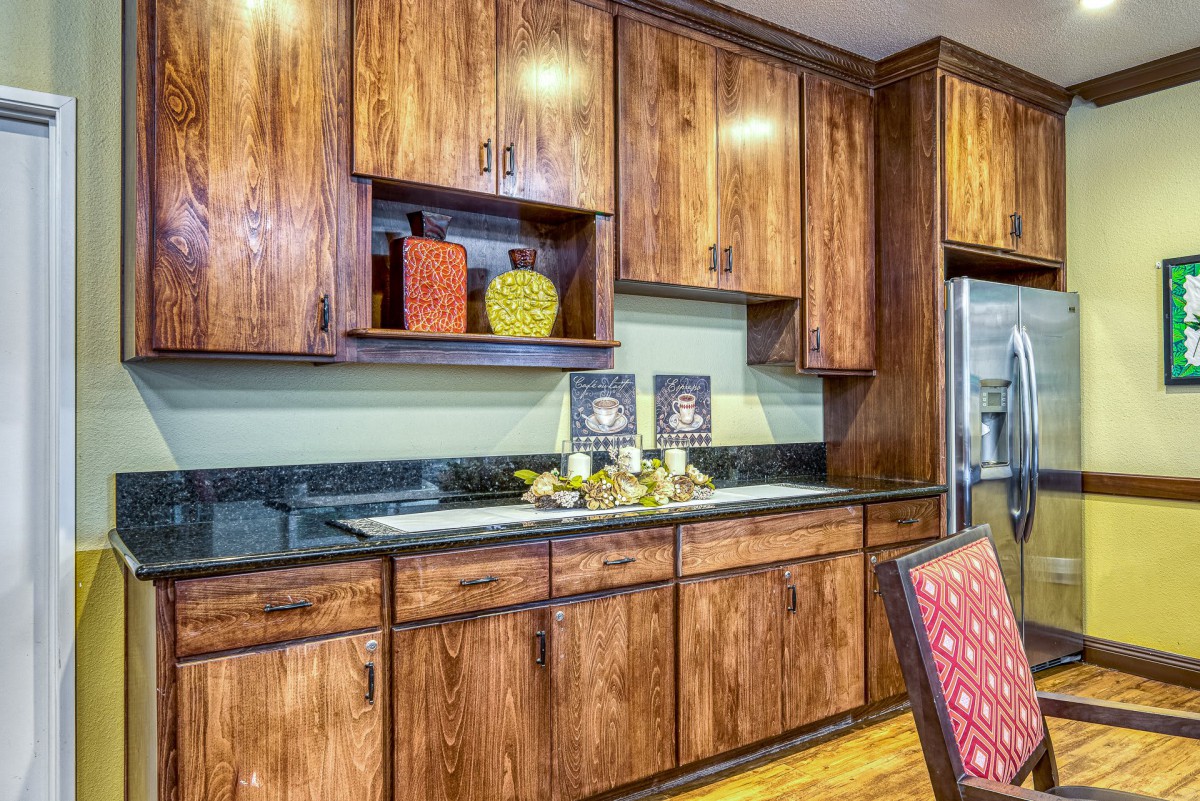
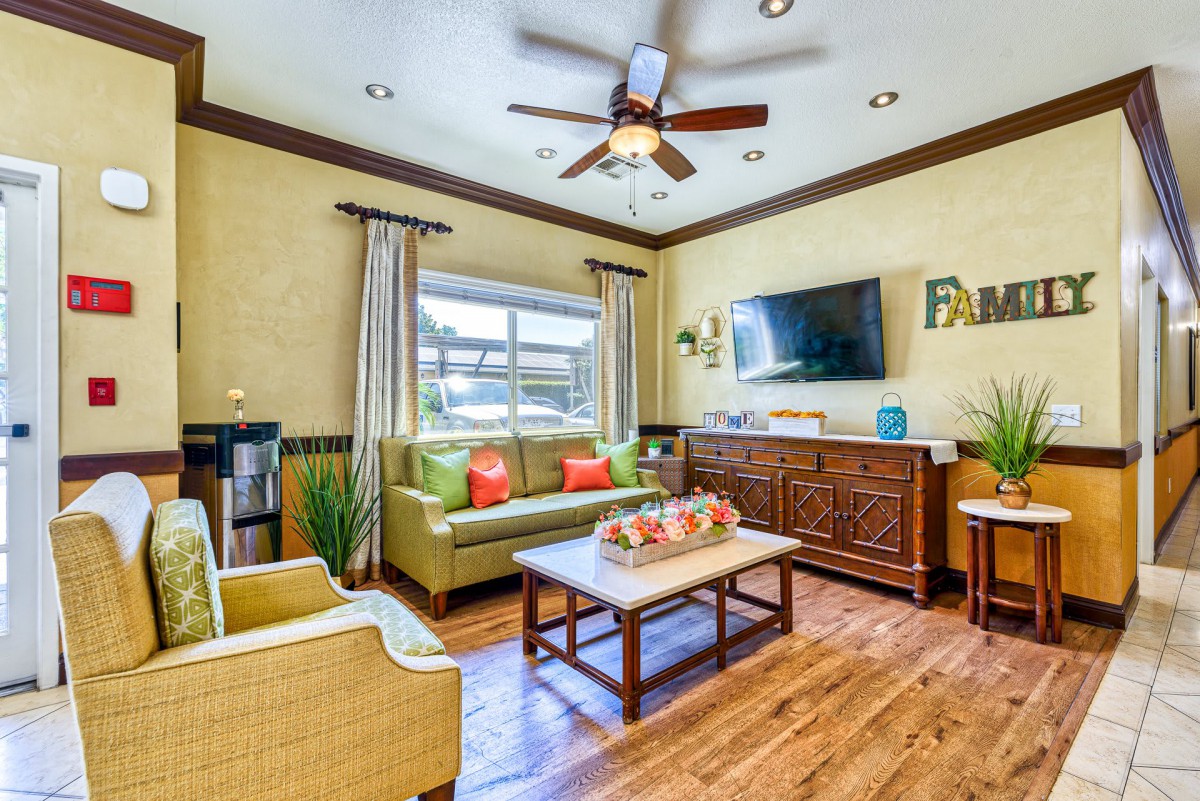
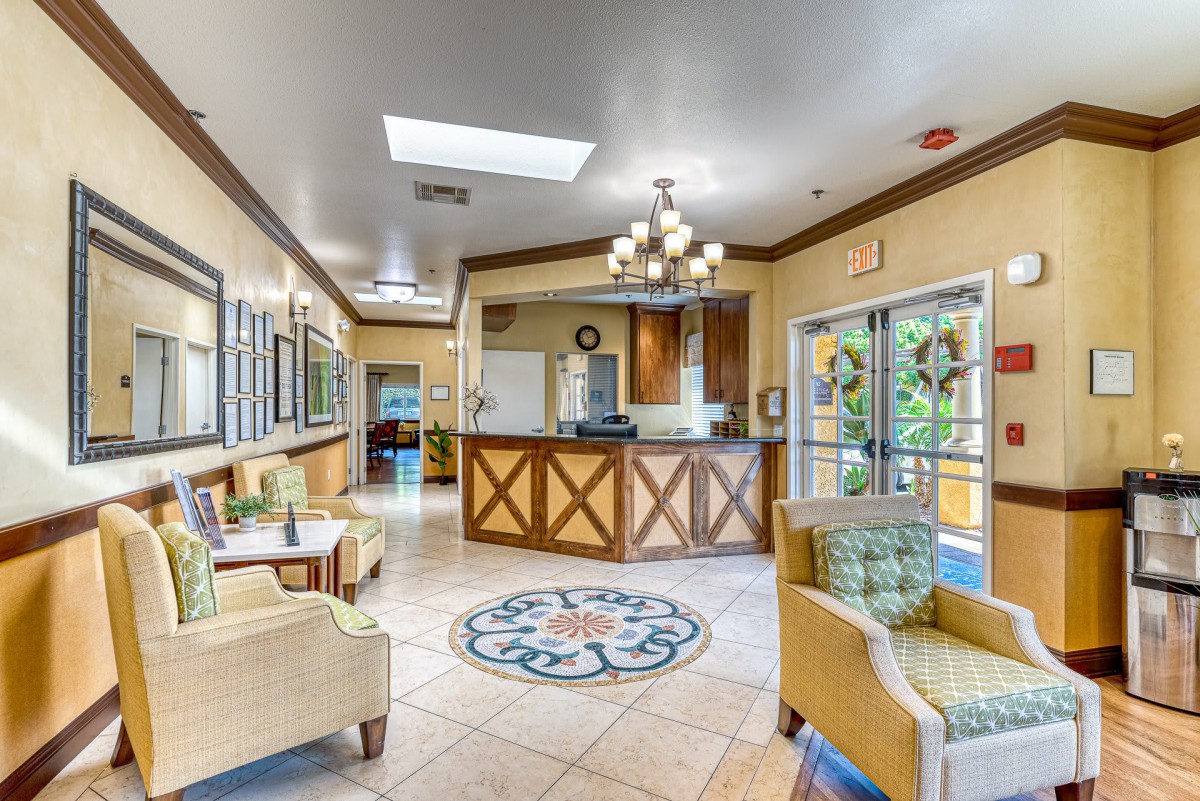
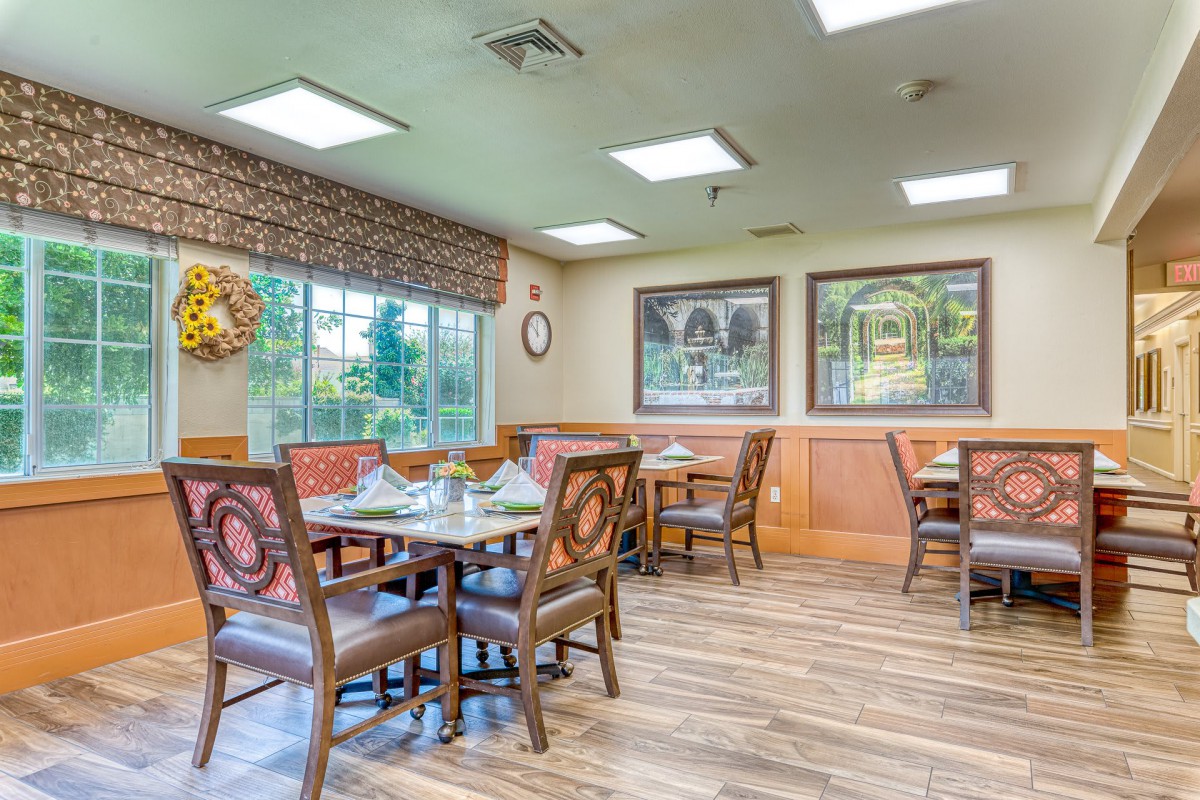
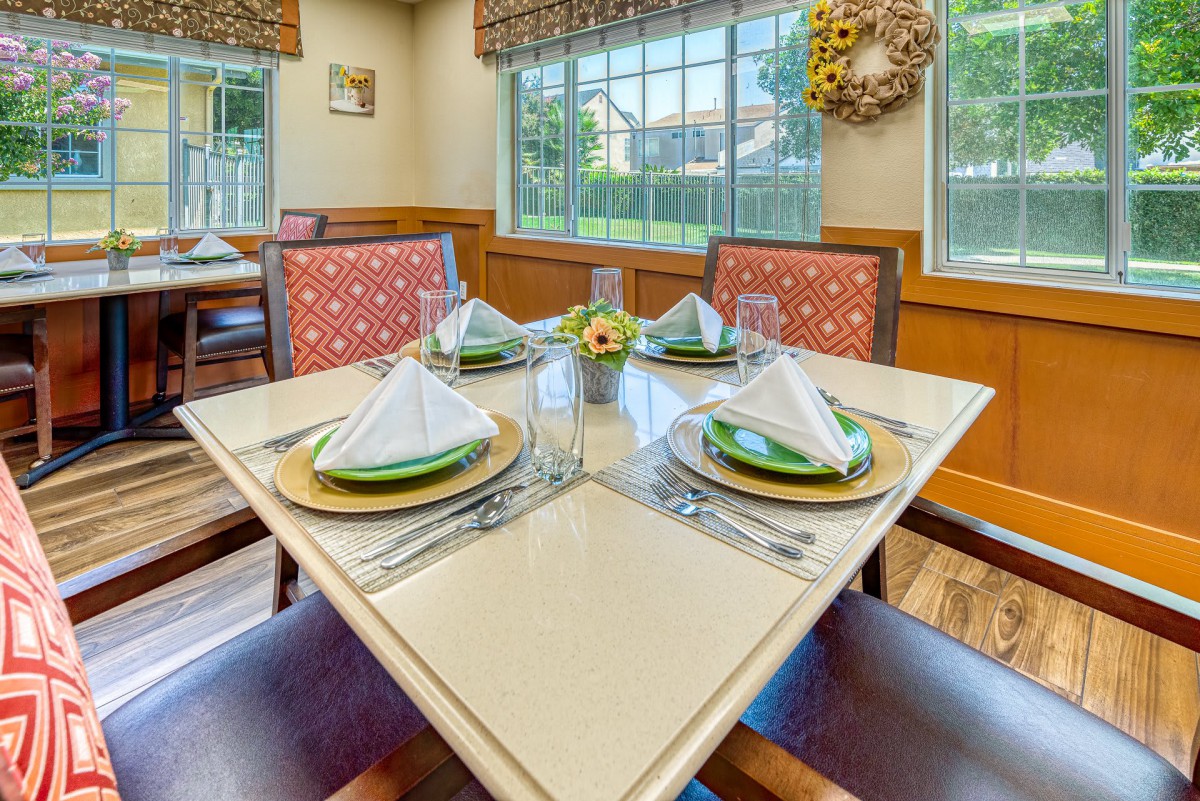
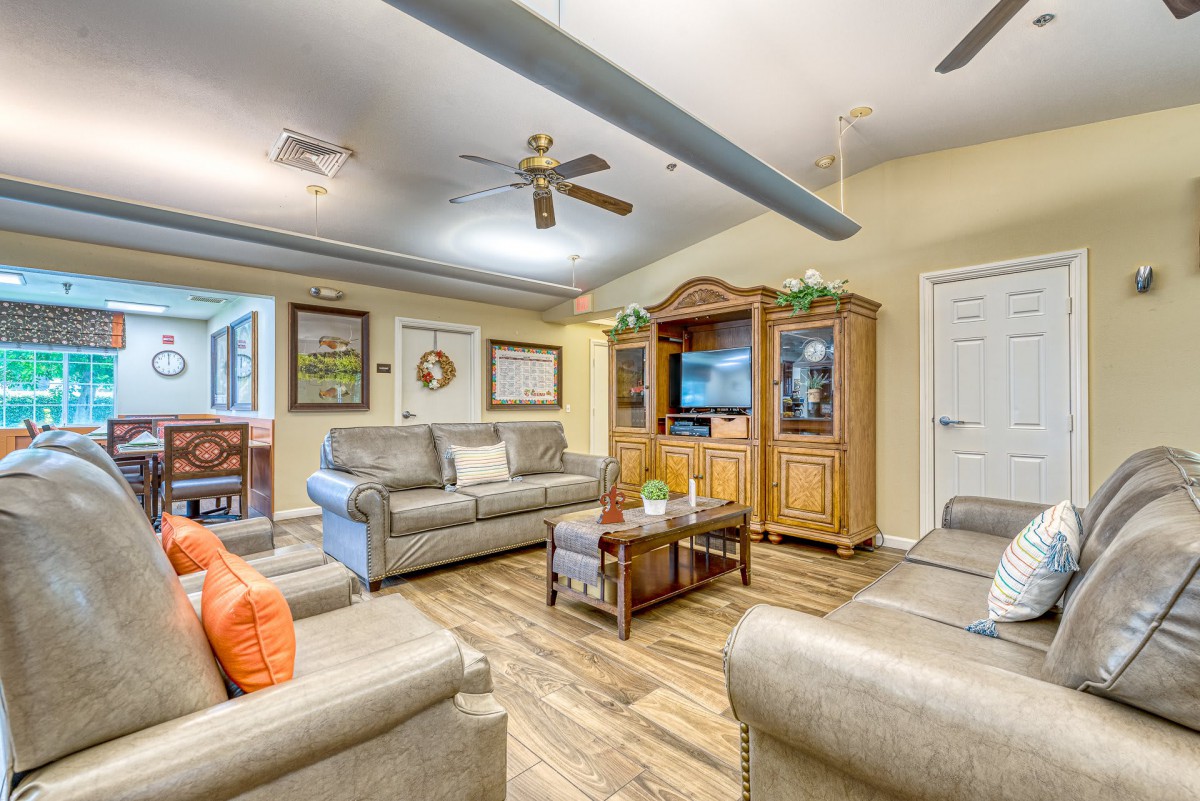
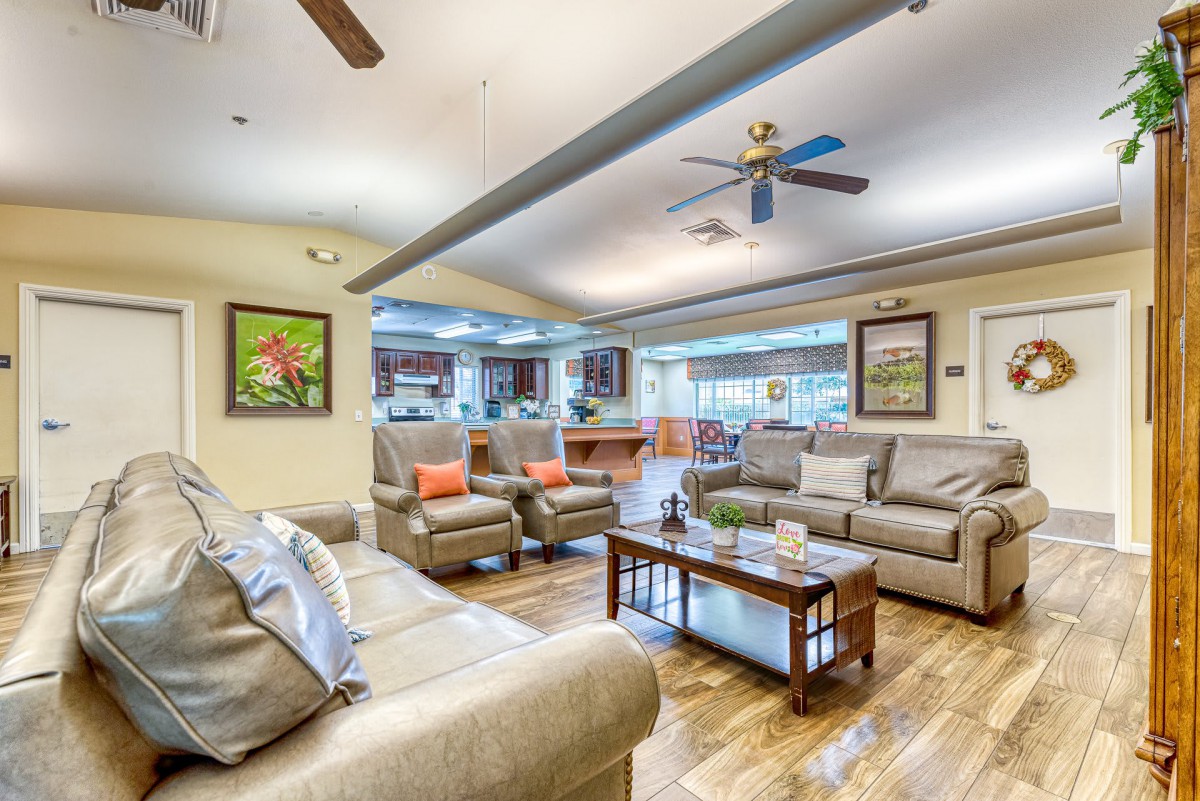
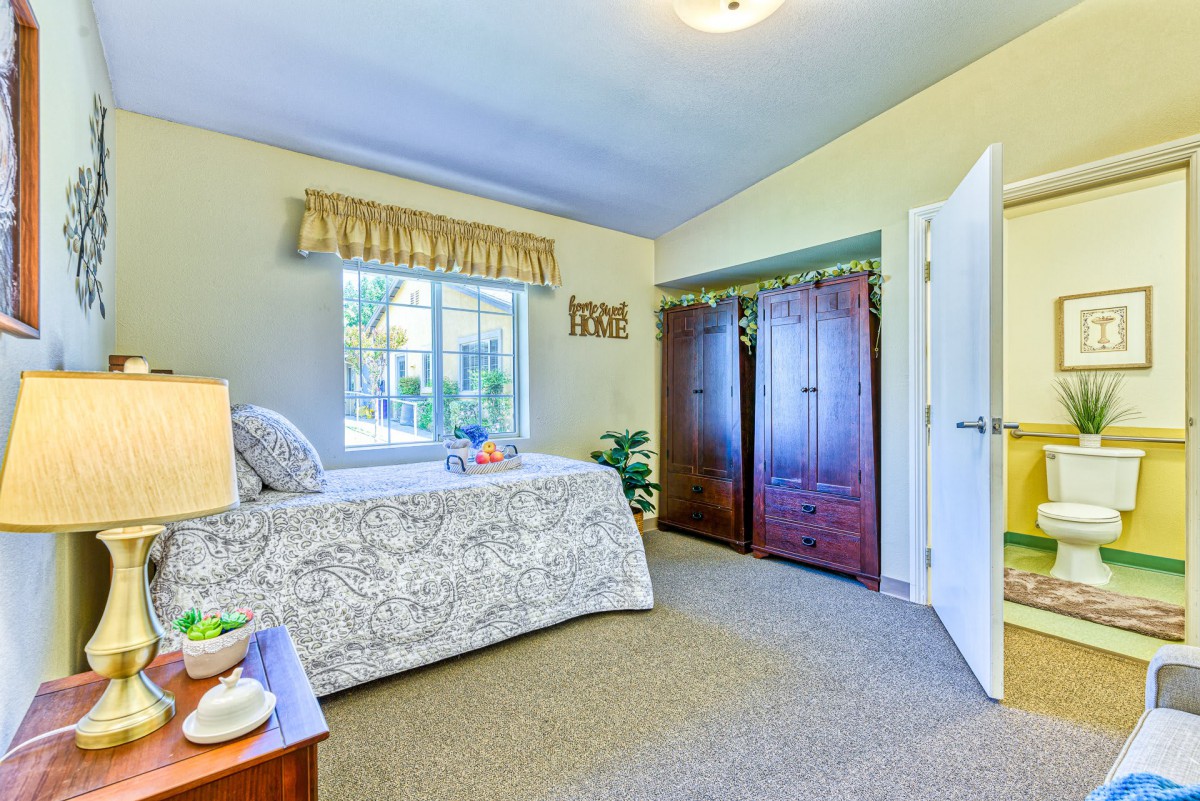
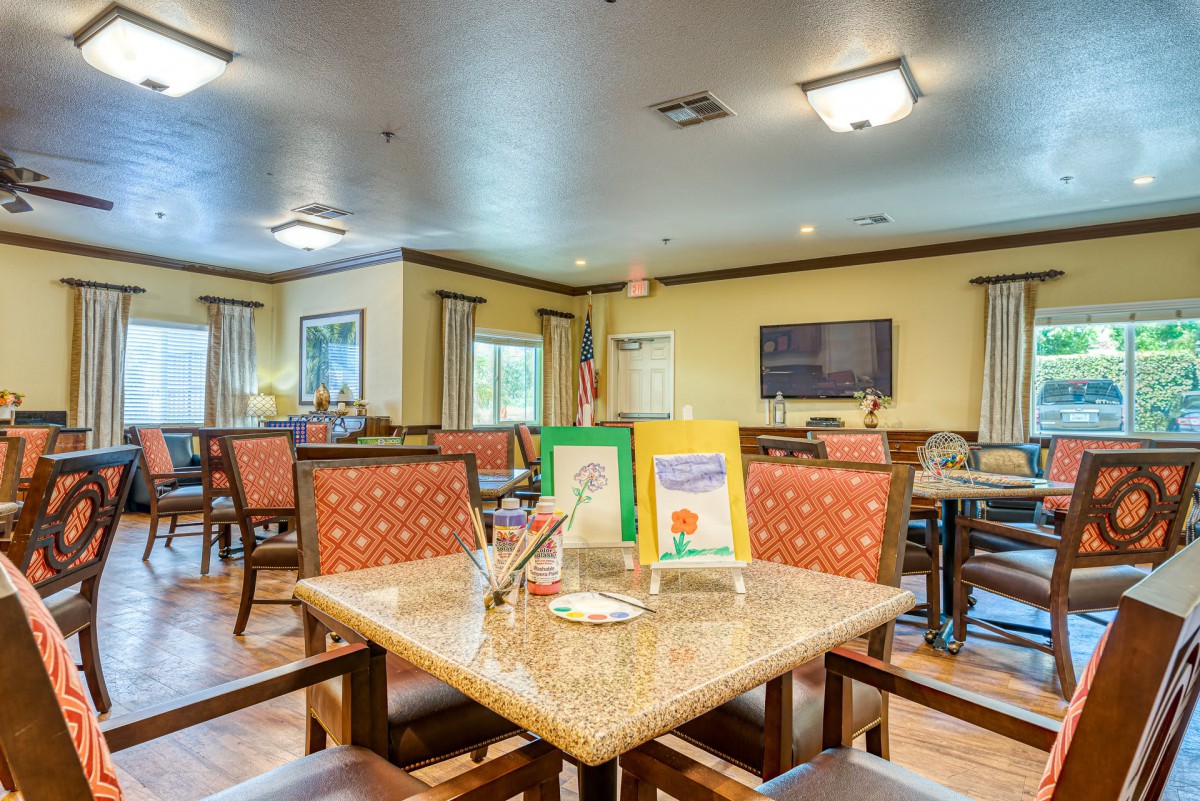
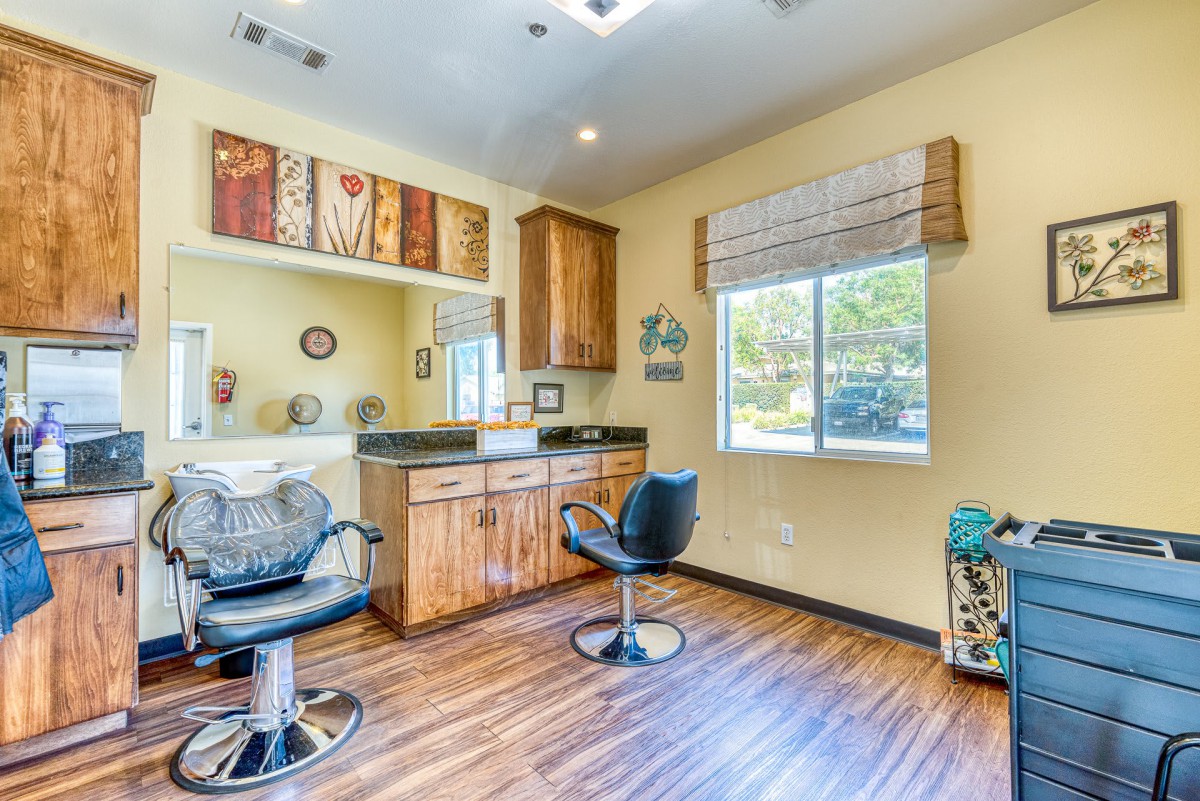
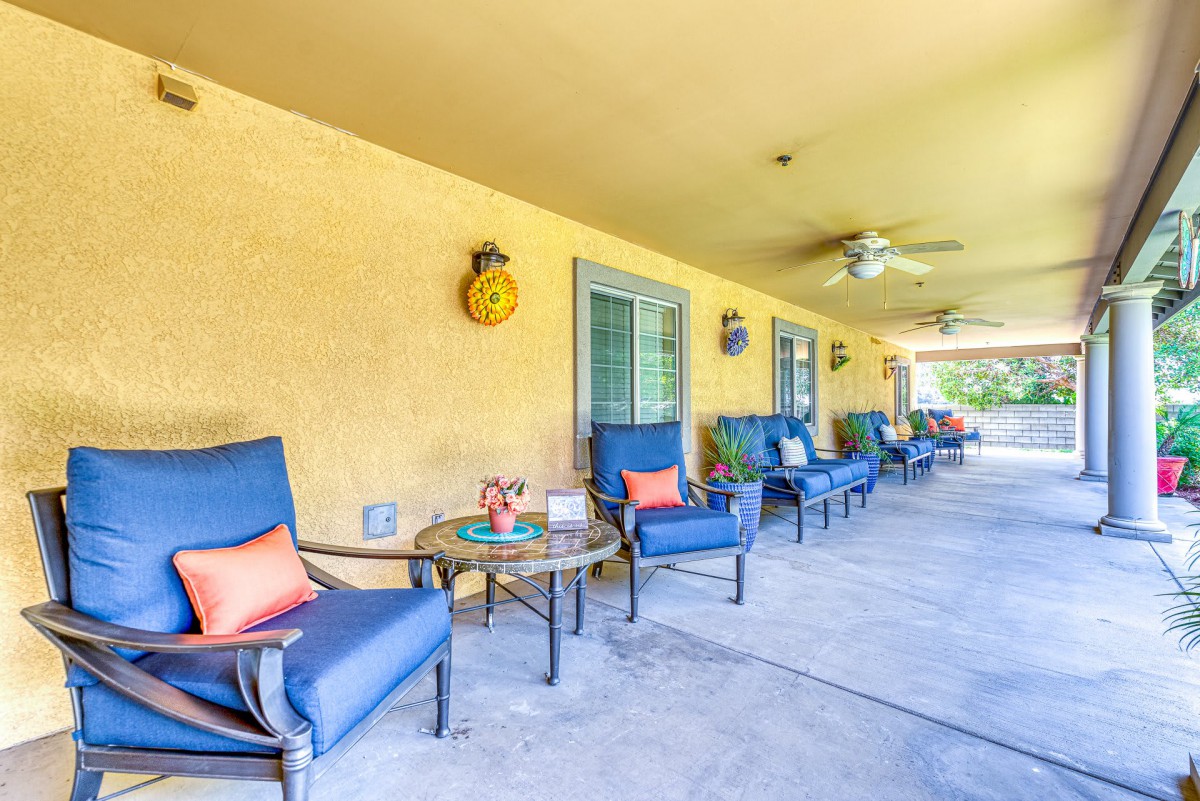
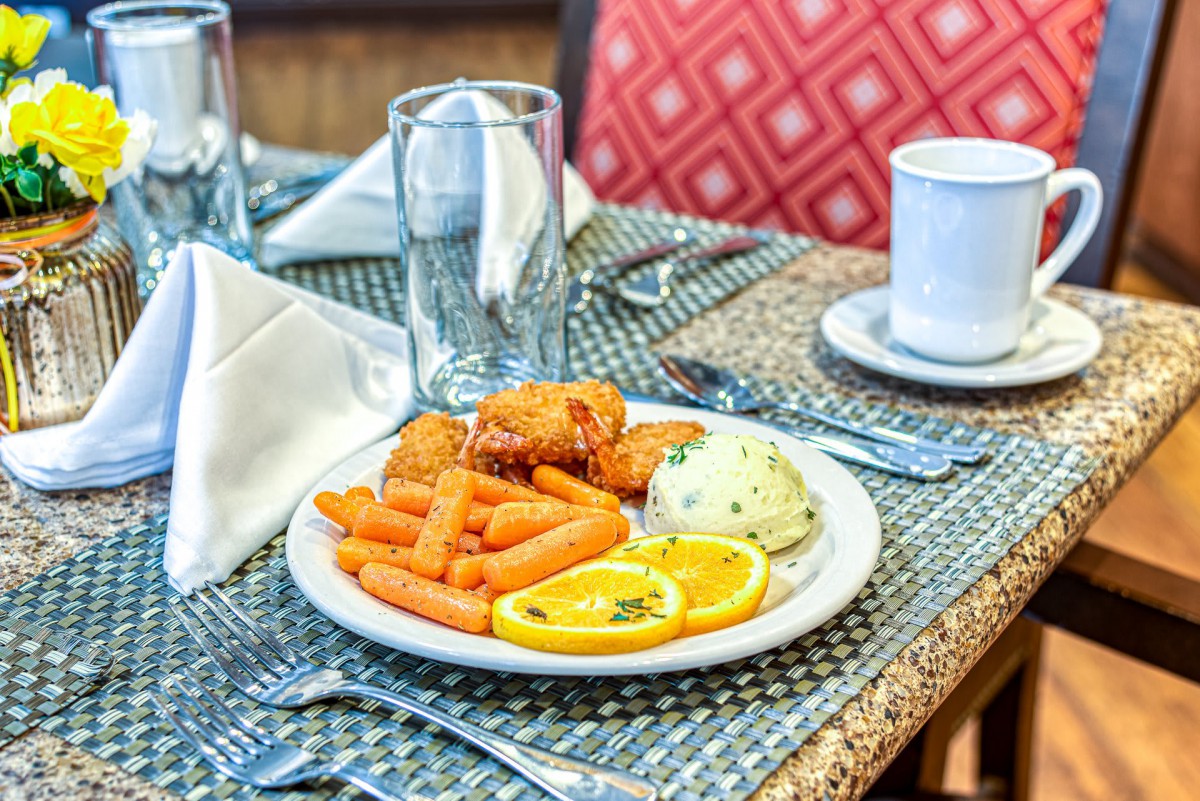
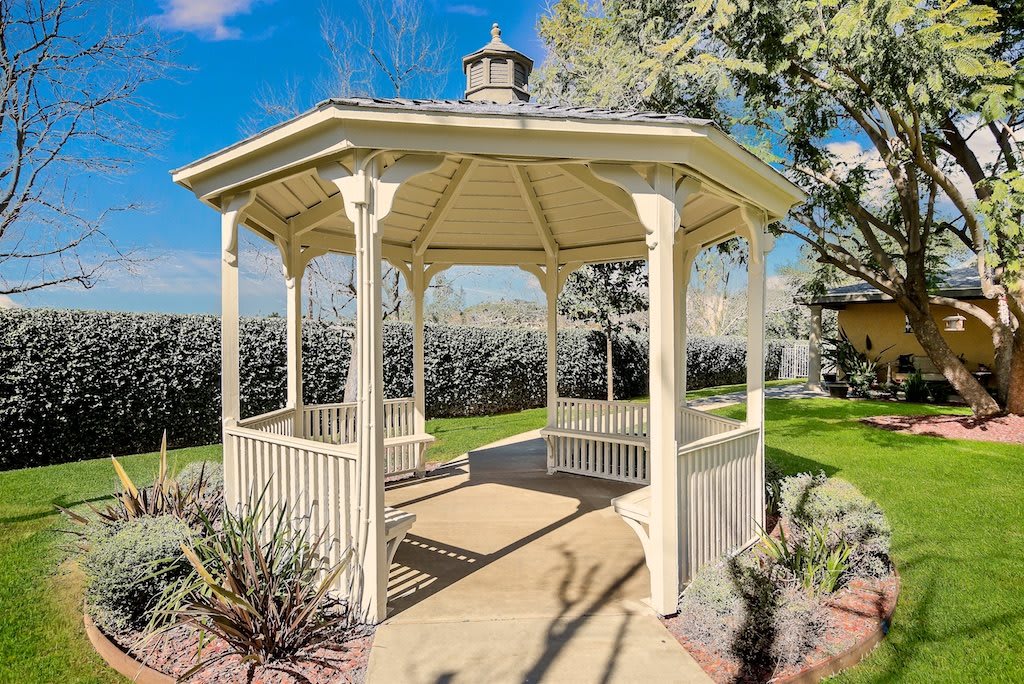
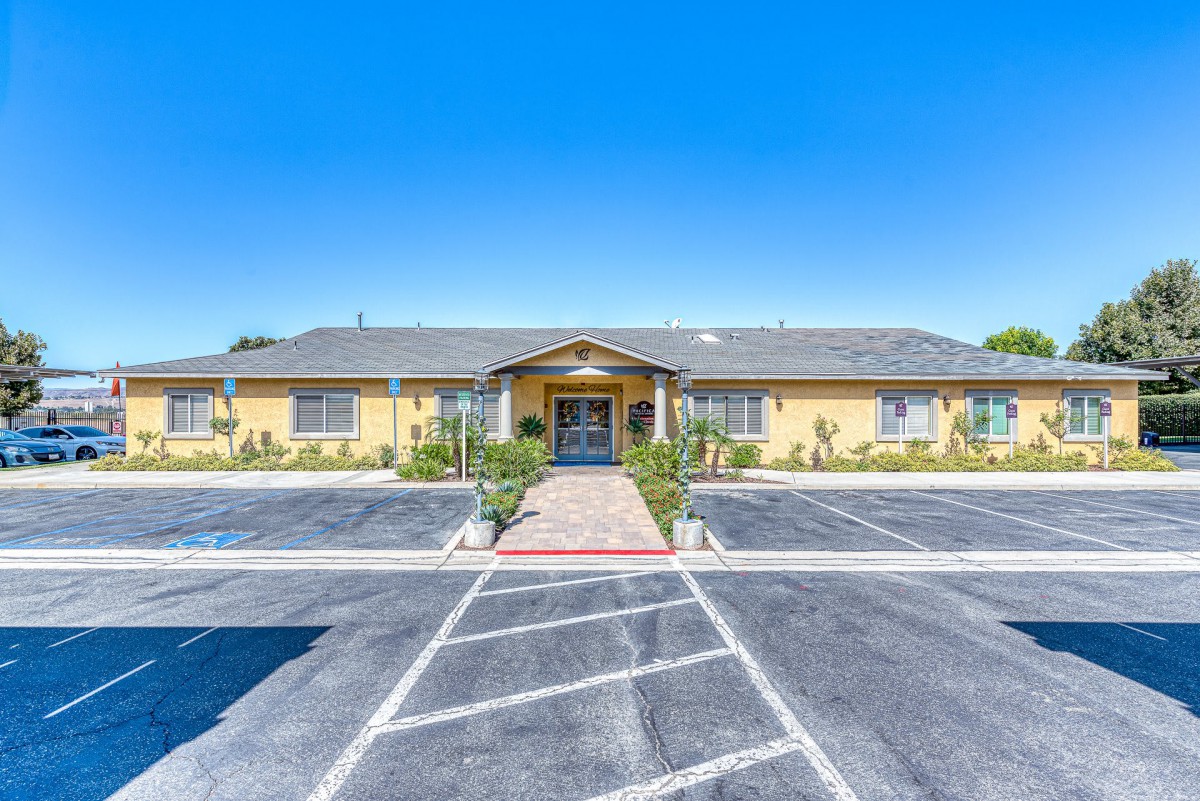
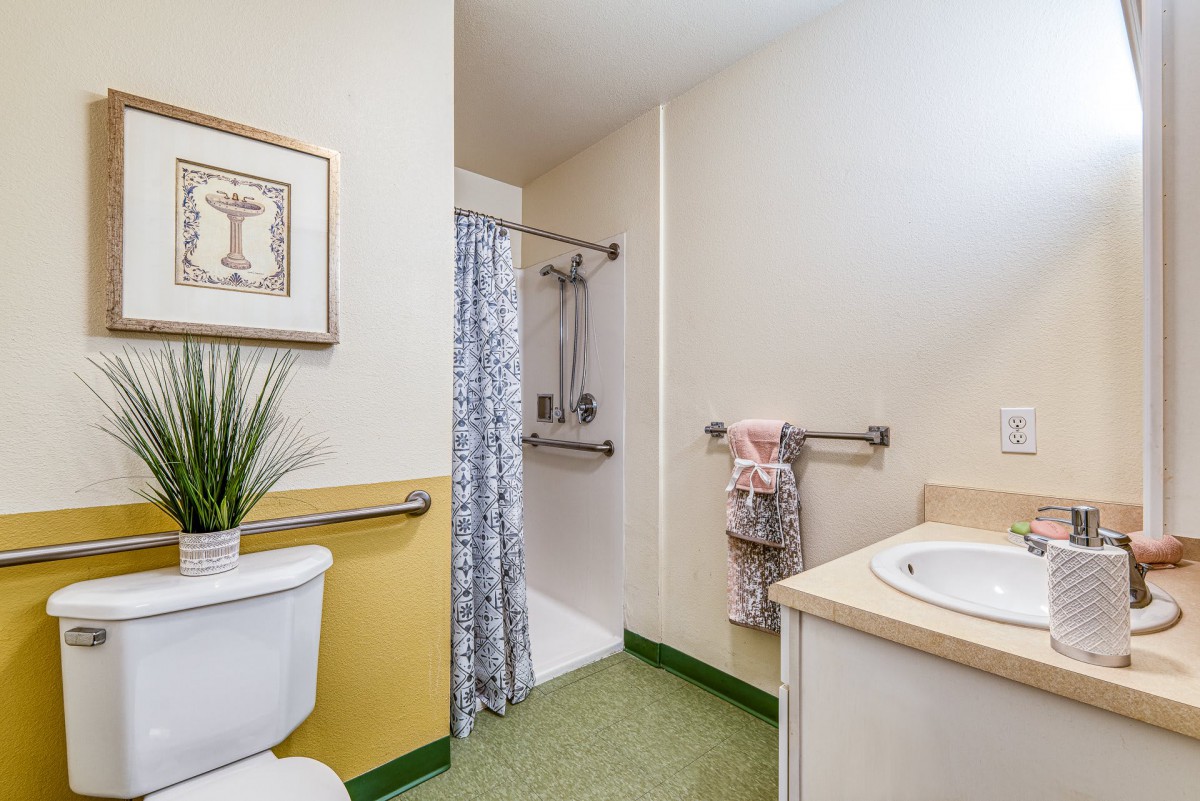
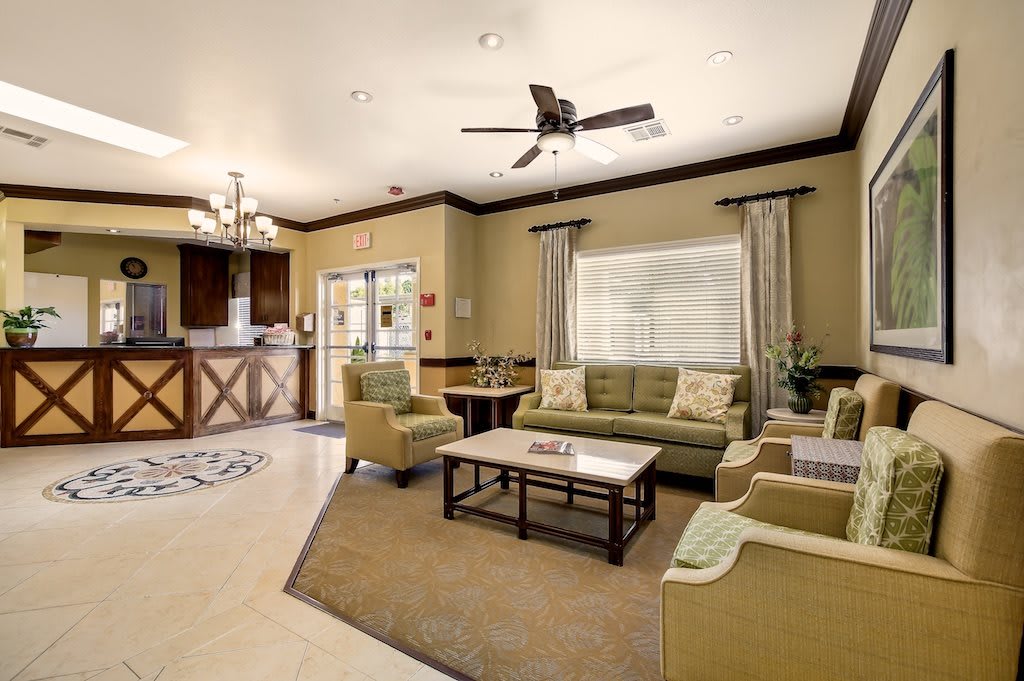
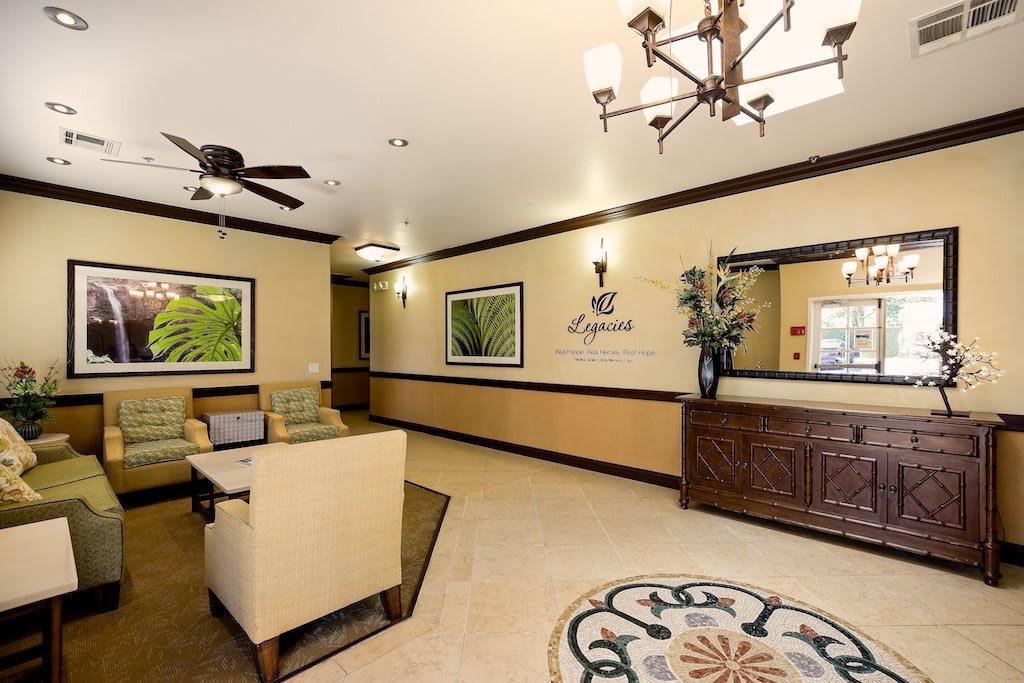
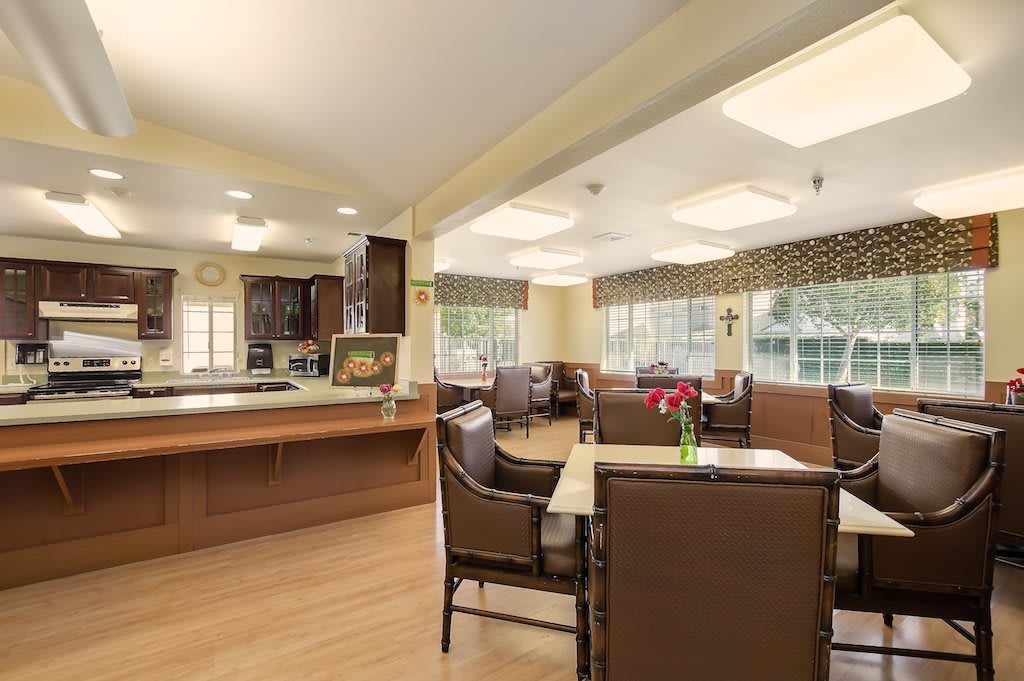
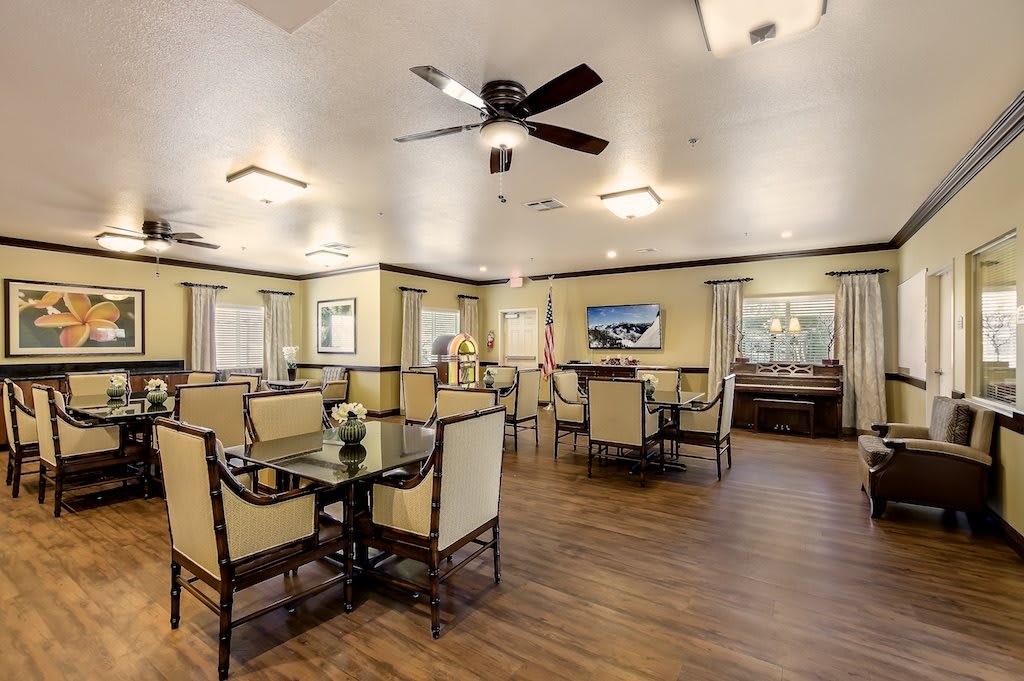
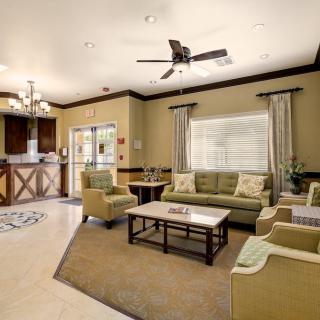
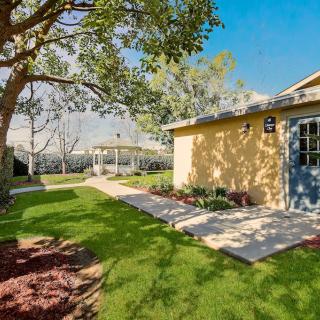
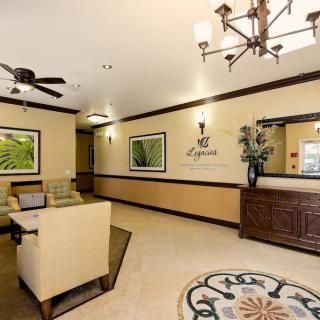
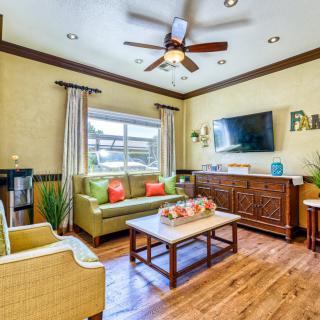
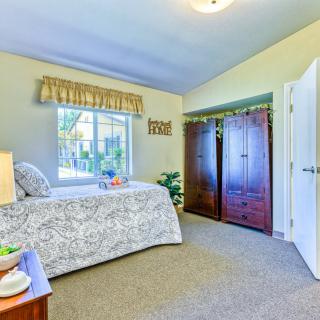
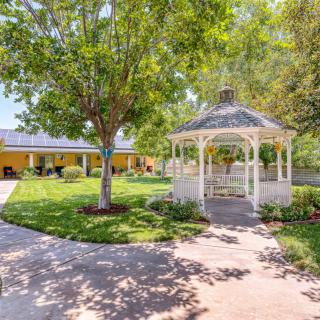
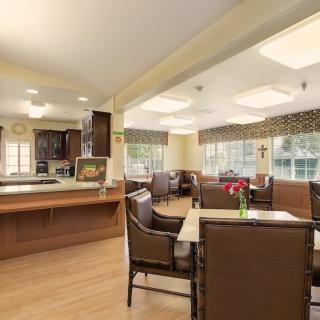
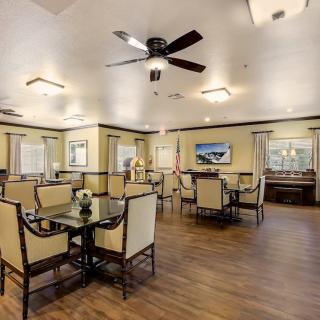
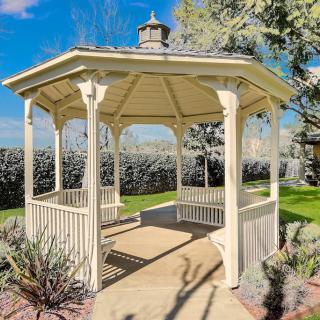
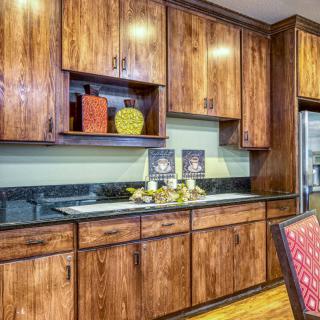
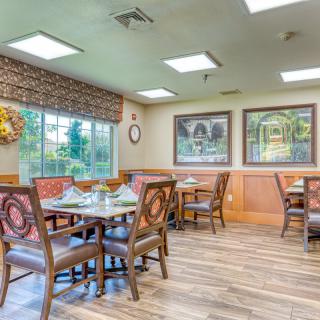
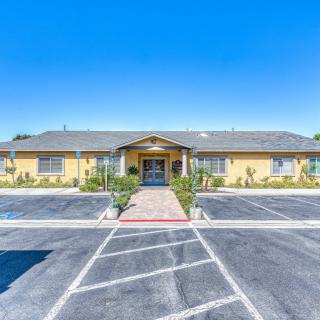
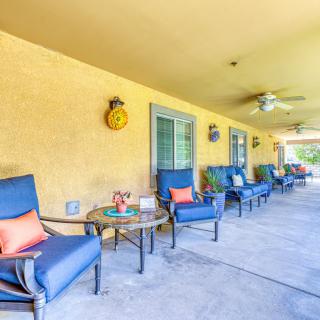
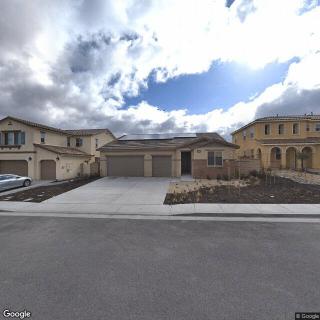
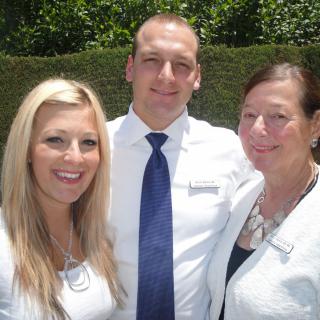
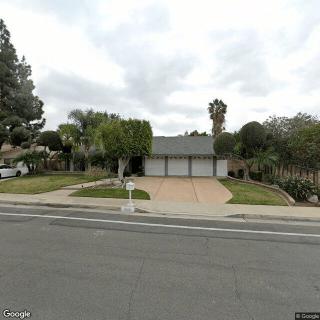
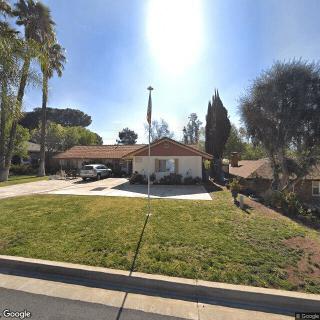
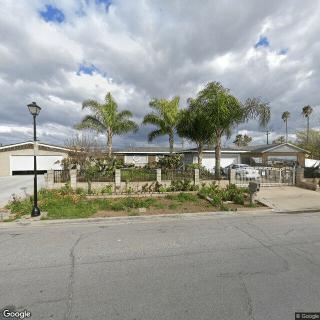
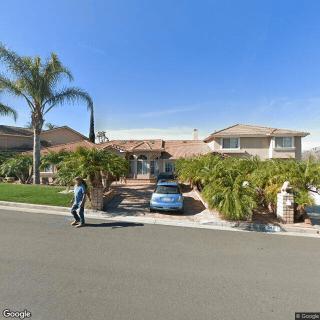
Pacifica Senior Living Riverside on seniors.fyi includes 25 photos including images showing interior, decor, dining, landscaping, windows, living room, lighting, bedroom, and more.
Nearby Communities
Villa De Anza
Riverside, CA
3.9 from 141 reviews
$1,895 to $3,395 / month
Friendly staff, clean environment, and engaging activities.
Pleasant Care Riverside
Riverside, CA
2.7 from 71 reviews
Clean, pleasant environment with friendly staff and good meals.
Riverside Postacute Care
Riverside, CA
2.3 from 56 reviews
Wide range of care and on-site amenities with 24/7 staff.
Emk Residential Care For Elderly
Riverside, CA
3.7 from 3 reviews
$1,700 to $2,500 / month
Competitive pricing for semi-private and private rooms, plus comprehensive 24-hour care and on-site amenities.
Grandma's Home Care
Riverside, CA
3 from 12 reviews
$2,200 to $2,500 / month
Clean, welcoming environment with friendly staff and affordable pricing.
Lifestyle Home Care II
Riverside, CA
4.3 from 11 reviews
$3,000 to $3,500 / month
Warm, attentive staff and a welcoming atmosphere with good value for private rooms.
Valencia Gardens Health Care Center
Riverside, CA
4.7 from 123 reviews
Comprehensive amenities and 24-hour care in Riverside.
Community Care On Palm
Riverside, CA
3.8 from 18 reviews
Clean, welcoming environment with attentive staff.
Riverside Behavioral Healthcare Center
Riverside, CA
3.6 from 27 reviews
Extensive on-site amenities and comprehensive care services.
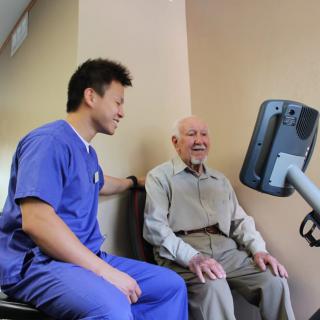
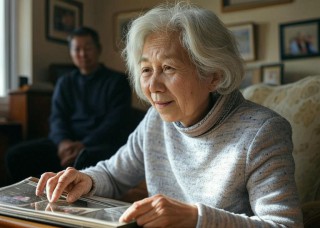
Memory care activities are essential for improving the quality of life of seniors with cognitive impairments, as they stimulate cognitive function, promote well-being, and encourage social interaction through tailored strategies. These activities combine structured exercises with spontaneous tasks, sensory engagement, physical workouts, creative pursuits, and intergenerational interactions to enhance emotional connection and a sense of purpose.
Transitioning from assisted living to memory care is driven by an individual's cognitive decline and specific needs, requiring careful evaluation of indicators like increased confusion and wandering. The process involves consulting medical professionals, researching suitable communities, considering financial and legal aspects, and ensuring effective communication for personalized care plans.
The article differentiates between assisted living and memory care, explaining that assisted living supports seniors with daily activities while promoting independence, whereas memory care provides specialized services for individuals with dementia, focusing on secure environments and cognitive support. It also addresses staff training, safety considerations, costs, family involvement, and transition strategies for families navigating these care options.
Get PricingAsk A QuestionSchedule A TourContact Senior Advisor
By clicking submit, you agree to our Partner's Terms of Use. You
also consent to receive calls and texts, which may be autodialed, from our Partner. Your consent is not a condition to
using our Partner's service. Please visit our Partner's Privacy Policy for information about their privacy practices.


 92 resident community capacity
 Studio apartments
 Memory Care
 Dogs allowed
 Activities off-site
 Air-conditioning
 Beautician on-site
 Cable or satellite TV
 Computer center
 Devotional services on-site
 Dining room
 Financing advice
 Fitness room
 Fully furnished
 Gaming room
 Garden
 Ground floor units
 Guest parking
 Handicap accessible
 Housekeeping services
 Indoor common areas
 Kitchenette
 Laundry
 Move-in coordination
 Outdoor common areas
 Party space
 Private bathrooms
 Respite or short term stays offered
 Restaurant-style dining
 Security gate
 Small library
 Telephone
 Wellness center
 Wheelchair accessible showers
 Wi-Fi/high-speed internet available
 Ontario International (10 miles away)
 Community operated transportation
 12-16 hour nursing
 24-hour call system
 Assistance with bathing
 Assistance with dressing
 Assistance with transfers
 Diabetes diet
 Diabetic care
 Hospice care
 Incontinence care
 Medication management
 Mental wellness program
 Special dietary restrictions
 Transportation arrangement (medical)
 Art classes
 Concierge services
 Cooking classes
 Day trips and outings
 Educational speakers / life long learning
 Games
Games Karaoke
 Live dance or theater performances
 Live musical performances
 Stories
 Visiting chaplain or priest
 Wii bowling
 English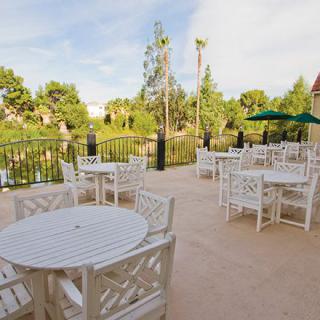
 Friendly staff, clean environment, and engaging activities.
 Engaging Memory Care Activities That Enhance Quality of Life
 When to Transition from Assisted Living to Memory Care: Key Indicators, Steps, and Finding the Right Community
 Understanding the Distinctions: Assisted Living and Memory Care Explained