
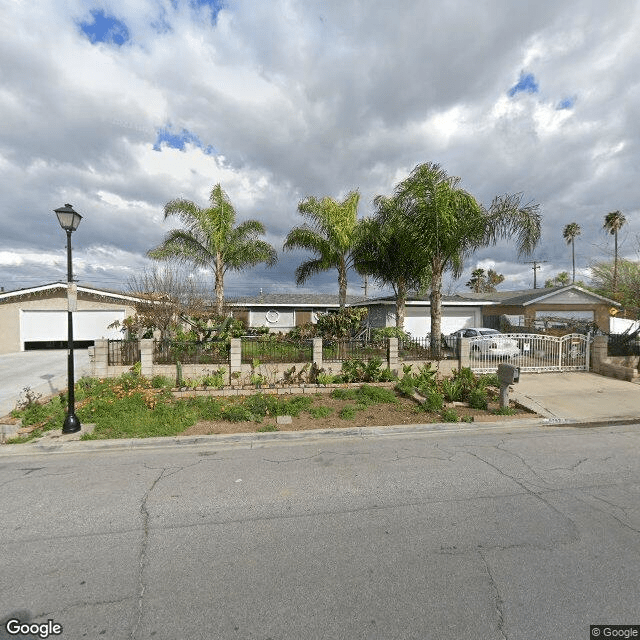
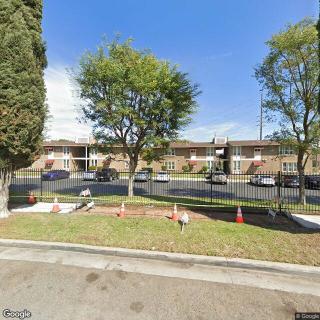
6762 Palos Drive, Riverside, CA 92503
To contact a resident: (951) 255-5929
For more information about senior living options: (866) 208-4318
Grandma's Home Care Costs & Pricing
Grandma's Home Care presents an appealing option for families seeking affordable senior living in comparison to both Riverside County and the broader California market. Offering semi-private accommodations at $2,200 per month, this facility is notably lower than the county average of $2,844 and even more favorable than the state average of $3,333. For those desiring private rooms or one-bedroom units, Grandma's rates stand at $2,500, which again undercuts both Riverside County's $3,474 and California's $3,939. Overall, Grandma's Home Care not only provides a compassionate environment but also offers significant cost savings that make it a competitive choice for families navigating the complexities of elder care.
| Floor plans | Grandma's Home Care | Riverside County | California |
|---|---|---|---|
| Semi-Private | $2,200 | $2,844 | $3,333 |
| Private | $2,500 | $3,474 | $3,939 |
| 1 Bedroom | $2,500 | $3,611 | $4,340 |
Memory care communities with a similar price nearby
-
from +$300 / mo
Valley Spring Elderly Care
$2,500 to $3,000 / month11.8 miles away -
from -$200 / mo
House Of Grace
$2,000 to $4,200 / month19.5 miles away -
from +$300 / mo
Madison Home Care 2
$2,500 to $2,800 / month24.2 miles away -
from -$250 / mo
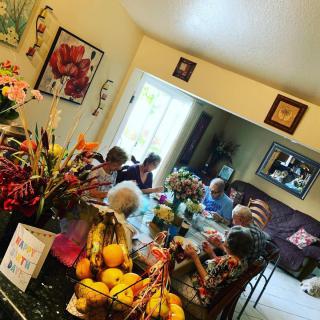
Select Senior Care, LLC
$1,950 to $6,200 / month19.2 miles away -
from -$200 / mo
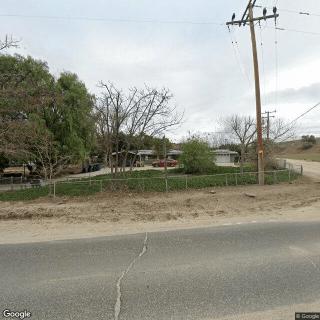
Milam Manor
$2,000 to $3,600 / month12.0 miles away
Overall Review of Grandma's Home Care
Pros
 The owner is very friendly and welcoming.
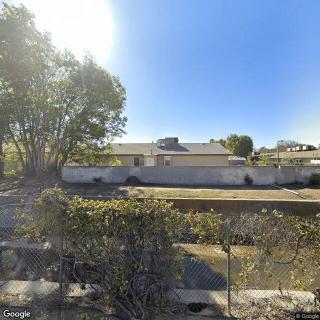
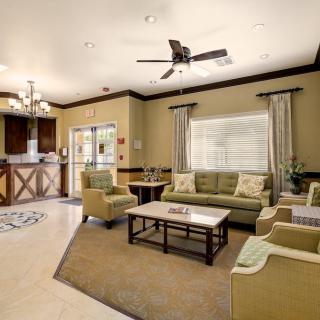
- The home is clean and bright with lots of natural light.
- The caretaker was willing to work with the family on price.
- The family found a location where their mother receives amazing support and kind care.
- The other place has amazing staff and support.
Cons
 The service was not what the family wanted for their mom.
- The staff said caregiving was too hard for them.
- The caretaker had no help when needed.
- They sent their mom to the hospital.
- The family would not recommend this home for the care of a loved one.
- The caregiver was described as very unprofessional.
- The caregiver miscounted medications.
- The caregiver reneged on her word about taking in the mother.
- There was no real care plan beyond medication management.
Review
This community is best suited for a senior who values a small, home-like setting with a personal touch from the owner and who can function with minimal but dependable oversight. It works best for someone who is mostly independent day-to-day, can participate in light chores or meal prep, and who thrives on a clean, sunlit living space with a welcoming, family-style atmosphere. Families that can actively manage their loved one’s care plan and stay closely involved will find the setting aligns with a dignified, low-key living arrangement and a pricing approach that may be flexible, even helping with Medi-Cal enrollment steps.
On the positive side, the home consistently presents as clean and well-kept, with natural light that promotes a feeling of openness. The owner is described as friendly and approachable, and residents are encouraged to maintain a degree of independence, helping with meals or light tasks while being watched over. For families seeking a personalized, intimate environment rather than a large facility, these elements deliver a sense of comfort and daily familiarity that can reduce the emotional burden of transition. The option to negotiate price and assist with Medi-Cal adds practical leverage for those watching budgets closely.
However, the strongest concerns come from reliability and scope of care. Several reviews recount incidents suggesting insufficient staffing or support when needs spike, including miscounted medications and a rapid transition to hospital care. A pattern emerges: caregivers or the owner may struggle under heavier care demands, and there is a real risk that a loved one’s medical and daily-care requirements will outpace what the home can provide. Compounding this, at least one reviewer notes a lack of a concrete, ongoing care plan beyond basic medication management, with behavioral challenges and APS involvement present in the broader environment. These factors undermine confidence that the home can consistently keep a high standard of medical oversight.
Another important caveat is safety and suitability of the surrounding environment. Reviews describe a neighborhood with safety concerns and undercurrents that would give pause to families prioritizing a secure, predictable setting. A sense of instability, combined with observations about limited professional staffing and a reliance on neighbors for assistance, narrows the appeal for any family needing steady, supervised care. The combination of a small caregiver pool, occasional staffing gaps, and a limited, sometimes reactive approach to day-to-day care makes this option risky for residents with complex medical or behavioral needs.
Given these realities, alternatives are worth serious consideration for anyone whose loved one requires more than basic supervision. Families should consider options with clearly documented care plans, reliable medication administration protocols, and consistent staffing 24/7. The decision hinges on risk tolerance: if independence, a homelike atmosphere, and cost negotiation are paramount, and the loved one remains physically capable with family involvement, this setting may suffice for a time. If, however, the senior requires regular medical monitoring, structured activities, or behavioral support, a more established assisted living that guarantees continuity of care is warranted.
Practical next steps are essential for families still weighing this option. Schedule a candid, in-depth tour with the owner to review a current, written care plan and a transparent medication management policy. Request precise staffing ratios, on-site hours, and an explicit escalation process for emergencies. Verify licensing and any recent inspection reports, and ask for recent resident references who faced similar needs. Consider a trial period with defined milestones and a clear exit plan if care gaps emerge. In short, Grandma’s Home Care can work for a particular subset of seniors, but it demands vigilant oversight and a careful match to medical and safety expectations; for anyone expecting dependable, comprehensive care, stronger options should be pursued.
 Board and Care Home
 Memory Care
 Activities off-site
 Devotional services off-site
 Indoor common areas
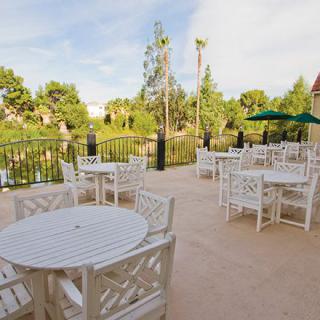
 Outdoor common areas
 Private
 Respite or short term stays offered
 Ontario International (11 miles away)
 Ambulatory care
 Diabetic care
 High acuity care
 Incontinence care
 Medication management
 Meals provided

 Memory Care Pathways: A Holistic Guide to Dementia Support
 Comprehending Evening Confusion in Dementia: Causes, Manifestations, and Support
 Delirium and Dementia: Unraveling the Key Differences