
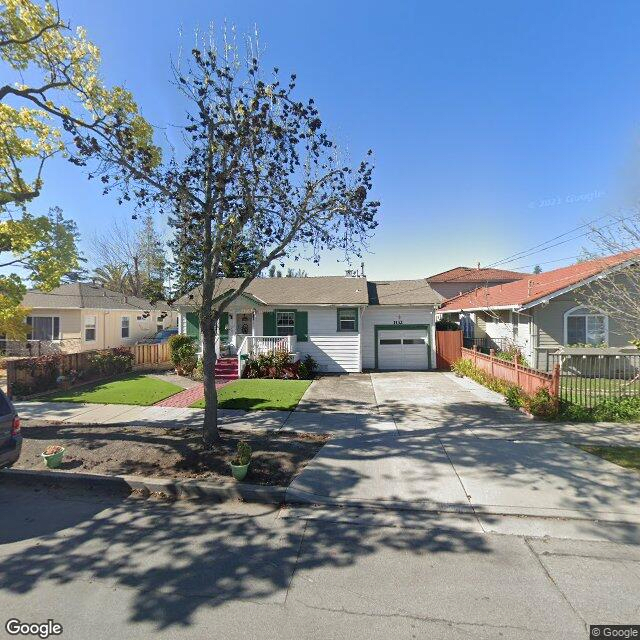
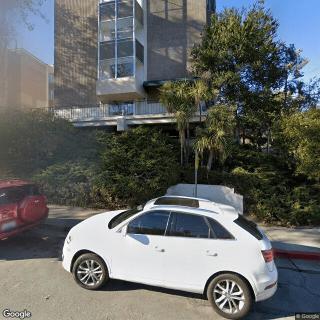
1132 Valota Road, Redwood City, CA 94061
To contact a resident: (650) 261-9483
For more information about senior living options: (866) 208-4318
Red Roses Care Home Costs & Pricing
Red Roses Care Home offers a range of monthly costs that reflect its positioning within the broader context of San Mateo County and California. For a semi-private room, residents can expect to pay $3,500, which is notably lower than the county's average of $3,830 but slightly above the state average of $3,333. In contrast, for those seeking more privacy in a private room, the fee at Red Roses Care Home rises to $6,000. This rate surpasses both the county average of $4,281 and the state average of $3,939, indicating that while their semi-private accommodations are competitively priced, their private options may appeal to individuals prioritizing enhanced personal space and amenities. Overall, Red Roses Care Home provides balanced pricing that caters to varying preferences while maintaining a focus on quality care.
| Floor plans | Red Roses Care Home | San Mateo County | California |
|---|---|---|---|
| Semi-Private | $3,500 | $3,830 | $3,333 |
| Private | $6,000 | $4,281 | $3,939 |
Memory care communities with a similar price nearby
-
from -$305 / mo
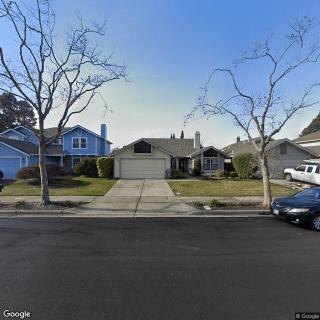
Harbor Bay Assisted Living
$3,195 to $5,000 / month19.2 miles away -
from +$500 / mo
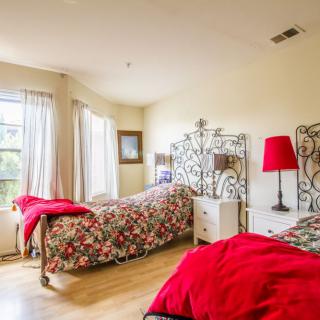
Golden Age Of Channing Way
$4,000 to $5,000 / month19.0 miles away -
About the same
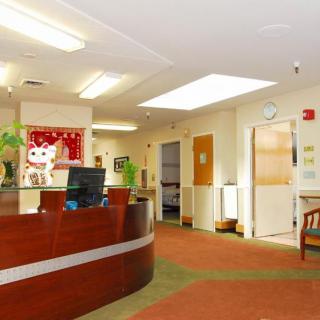
East Bay Assisted Living
$3,500 to $5,000 / month22.9 miles away -
from +$550 / mo
The Village at Hayes Valley
$4,050 to $6,900 / month23.7 miles away -
from -$341 / mo

Moldaw Family Residences a CCRC
$3,159 to $4,381 / month8.0 miles away
Overall Review of Red Roses Care Home
Pros
 The service provided is excellent.
- The food is good.
- The people here are very friendly.
- The therapy service is very good.
- The activities are very fun.
- The service is great.
- The staff are very nice and efficient.
- Physical therapy is very helpful and always in high spirits.
- The activities are always fun and a great way to spend time.
- Devonshire Oaks is highly recommended.
- The facility is comparable to a 5-star hotel, motel, or Holiday Inn.
- The nurses are polite, always carry a smile, and meet expectations.
- The food is good and often feels homemade.
- Housekeeping and maintenance are awesome.
- The activity department offers fun activities and plenty of materials.
- The resident is thankful for admission and would recommend the facility.
- Residents are receiving wonderful services and therapy.
- The staff is awesome and provides good customer care.
- The staff helps out the elderly.
- The owner and workers are very friendly.
- The facility looked clean during the visit.
- The staff really care for their patients.
- Olga is amazing in her competent and caring manner.
- Bernadette the Director and A Chand are outstanding; all the caregivers are kind and considerate.
Cons
 The facility is very cold during January through April, with no heat and only thin blankets.
- There is no fresh fruit and essential personal hygiene items are missing on arrival.
- Medications may be delayed due to the long distance to the drugstore.
- The bathroom is shared by four residents, making it difficult for high-risk patients to use.
- There is a staffing shortage, with one staff member for twelve patients.
- There was a medication mix-up and disclosure of protected health information, which is unsafe.
- The administrator and the director of nursing lack compassion and professionalism, blaming others and putting patients' lives in danger.
- Overall, the service quality is very poor and not recommendable.
Review
Red Roses Care Home in Redwood City is best suited for seniors who want a rehab-forward environment with a warm, social atmosphere. The strength here lies in accessible therapy services, friendly frontline staff, and a meals-and-activities cadence that keeps residents engaged. For families prioritizing visible progress in rehabilitation, daily interaction with caregivers, and a homey, community feel, this community can deliver meaningful outcomes. The upside centers on the quality of therapy and the day-to-day culture of caregiving, rather than on flawless luxury or ironclad operations.
That said, serious caveats merit careful consideration. The facility has faced persistent concerns about climate control, especially in the colder months, with reports of insufficient heating and inconsistent comfort. Medication management and delivery have been flagged as risks in some accounts, and staffing shortages contribute to slower response times. For residents who require scrupulous medication safety, private bathroom arrangements, or consistently reliable oversight from leadership, alternative options with stronger documented safety practices may be more prudent. Families should weigh comfort and rehab potential against the reality of operational variability.
On the upside, therapy teams are repeatedly described as capable, upbeat, and supportive, delivering rehab sessions that feel purposeful. The food is generally regarded as solid, and the activity program is a clear asset, offering variety and engagement that translate into real quality-of-life gains for residents. When therapy is effective and staff interactions are positive, the environment supports motivation, adherence to treatment plans, and social connection, making daily life more than just routine care. These elements matter most for families seeking concrete progress, ongoing social programming, and a caregiving tone that feels personal.
Yet the reviews show real divergence in experiences. Some families praise compassionate caregivers and attentive staff, while others report safety concerns and perceived leadership gaps. Allegations have included medication errors and privacy issues, with critiques aimed at administrators for a lack of accountability. This variability suggests that outcomes can hinge on shifts, departments, and the particular staff on duty at any given time. For risk-sensitive families, that inconsistency is a red flag that requires thorough verification and corroborating information from current residents and staff.
To translate these impressions into a sound decision, approach Red Roses with a structured due-diligence plan. Schedule multiple tours at different times, request to meet the therapy supervisor and the nurse manager, and ask for recent quality indicators or inspection notes. Specifically probe the stability of heating systems, the availability of private bathrooms, and the clinic’s process for medication administration and error resolution. Verify current staff-to-resident ratios and insist on direct lines of communication with supervisors for timely updates. If any of these factors fail to meet expectations, or if concrete corrective steps are not offered, it is wise to compare with nearby facilities in the same care tier before making a final commitment.
Bottom line: Red Roses Care Home offers potential for meaningful rehab gains and a socially engaging environment, anchored by capable therapy and a warm caregiving ethos. However, a spectrum of safety concerns and operational inconsistencies in certain accounts makes cautious, evidence-based decision-making essential. Families should weigh the promise of therapeutic progress and personal attention against risks of heat instability, medication-management gaps, and leadership variability, then compare multiple options to confirm a best-fit choice. A disciplined, in-person evaluation that surfaces current practices and recent outcomes will determine whether this community aligns with the resident’s priorities and safety expectations.
 Board and Care Home
 Memory Care
 Private
 San Francisco International (13 miles away)
 High acuity care
 Incontinence care
 Medication management

 Five Subtle Dementia Indicators to Observe: An In-Depth Guide to Understanding “Does My Mom Have Dementia?”
 Dementia, Paranoia, and Caregiver Guidance: Understanding the Connection
 Engaging Memory Care Activities That Enhance Quality of Life