
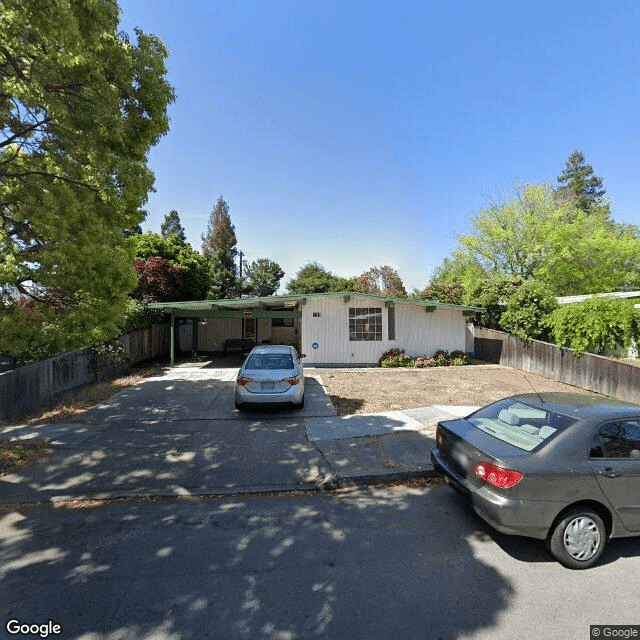
1168 Lyons St, Redwood City, CA 94061
To contact a resident: (650) 367-9081
For more information about senior living options: (866) 208-4318
Jolen Elderly Care Home Costs & Pricing
Jolen Elderly Care Home offers competitive pricing for its services compared to both San Mateo County and the broader state of California. For a semi-private room, the cost at Jolen is $2,000 per month, significantly lower than the county average of $3,830 and below the state average of $3,333. Similarly, for a private room, Jolen's rate of $2,500 stands in stark contrast to San Mateo County's average of $4,281 and California's average of $3,939. These price points not only highlight Jolen Elderly Care Home as an affordable option for families seeking quality care but also suggest a commitment to providing accessible support for elderly residents without compromising on comfort or service.
| Floor plans | Jolen Elderly Care Home | San Mateo County | California |
|---|---|---|---|
| Semi-Private | $2,000 | $3,830 | $3,333 |
| Private | $2,500 | $4,281 | $3,939 |
Senior living communities with a similar price nearby
-
About the same
Sunny Orchard Place
$1,995 to $3,700 / month13.0 miles away -
from +$300 / mo
Jla Healthcare Services
$2,300 to $3,200 / month10.5 miles away -
from +$222 / mo
The Forum At Rancho San Antonio
$2,222 / month12.2 miles away -
About the same

Cogir of Fremont
$1,950 to $3,495 / month14.8 miles away -
About the same
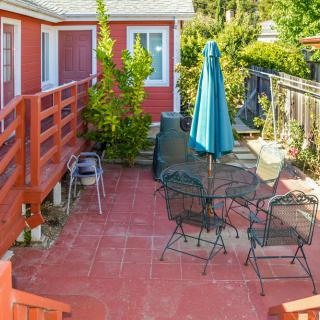
Heritage Hills
$2,000 to $3,800 / month13.4 miles away
Overall Review of Jolen Elderly Care Home
Pros
 Gordon Manor has been truly a godsend in every possible way.
- The professional care and love they provide for residents is outstanding.
- Gordon Manor is heads and tails above anything else out there.
- The staff demonstrate genuine compassion and dignity toward residents.
- Residents receive frequent, respectful diaper changes and bathroom assistance.
- Caregivers provide gentle touches and personal attention, making residents feel seen and important.
- There is abundant staff to meet residents’ needs and inclusive activities that actually happen.
- Meals are prepared with consideration for residents, including food cut into small pieces so they can feed themselves.
- Gordon Manor is extraordinary and not comparable to anywhere else.
- The staff are competent, dutiful, kind, helpful, and compassionate.
Cons
 Oakmont was the most dreadful experience.
- The Google reviews are honest and awful.
- The mom was left alone in Oakmont for hours, filled with anxiety.
Review
This Redwood City memory-care option is best suited for families facing Alzheimer’s or dementia who prioritize constant, compassionate supervision, dignity-infused daily care, and a culture where residents are known and seen. The strongest testimonials describe a setting where caregivers are consistently present for routine needs, diaper changes, bathroom visits, hair grooming, buttoning sweaters, and gentle, reassuring touches that communicate “you matter.” When a resident can stay engaged through meaningful activities and social interaction, the overall quality of life improves markedly, making this the preferred choice for families seeking to optimize comfort and emotional security in the later stages of memory impairment.
Advisors should note who may want alternatives. For families focused on lower-cost options, more independent living, or settings with less emphasis on memory-specific care, this may not be the best fit. Similarly, those requiring intensive medical oversight, frequent hospital transfers, or a facility with a lighter dementia focus might be better served by alternatives designed for higher clinical acuity or different care models. If a shorter-term stay, trial period, or a smaller, more home-like environment is essential, exploring other options could yield a more satisfying fit.
The core advantages highlighted by reviewers, abundant staff, consistent checking on residents, and a sustained emphasis on dignity, offset most of the practical drawbacks. The presence of sufficient caregivers translates into timely assistance with basic needs, regular supervision, and opportunities for residents to participate in activities that preserve a sense of purpose. The environment reinforces respect in everyday moments, small acts like feeding residents in pieces when needed, and the habit of checking in with warmth, delivers outcomes that families value deeply. These strengths are amplified by visible dedication to treating residents as individuals, not as cases.
The primary con that emerges from the accounts is access and availability. Room shortages and wait lists create a real barrier to timely placement, compelling families to plan well in advance and endure uncertainty. In situations where space exists, the care delivered is described as extraordinary, which means the consequences of a delay can be acutely painful for families in urgent need. Additionally, the emphasis on intensive memory-care may feel limiting for residents who do not require this level of support or who prefer environments that blend memory care with broader activity options.
Still, the positive attributes tend to neutralize the impact of the main drawback where it matters most. The exceptional staff-to-resident engagement, the consistent daily routines, and the emphasis on treating residents with dignity generate peace of mind for families even before placement becomes permanent. When a space opens, the transition tends to be smooth because the culture and practices are already in place to support seamless integration. In short, the care quality can outperform many peers, turning a wait into a decision that families do not regret.
For families evaluating options in Redwood City, this kind of memory-focused care is a strong candidate so long as expectations align with what is on offer: steady, compassionate staff; robust daily engagement; clear emphasis on dignity and respect; and a willingness to navigate a waitlist. Prospective buyers should confirm current staffing ratios, daily activity schedules, and the specific dementia-care protocols in place. If a space is available, move quickly; otherwise, build in a strategy for monitoring wait times and comparing with other facilities that deliver similar levels of person-centered care. This approach ensures the strongest possible match between need, budget, and the lived experience of a resident in the final, meaningful years of life.
 Board and Care Home
 Private
 San Francisco International (13 miles away)

 6 Crucial Ways an Elder Law Attorney Assists Families
 Navigating the Tax Landscape of Caregiving: Credits, Deductions, and Beyond
 Highly Beneficial Low-Impact Exercises for Senior Living Residents