
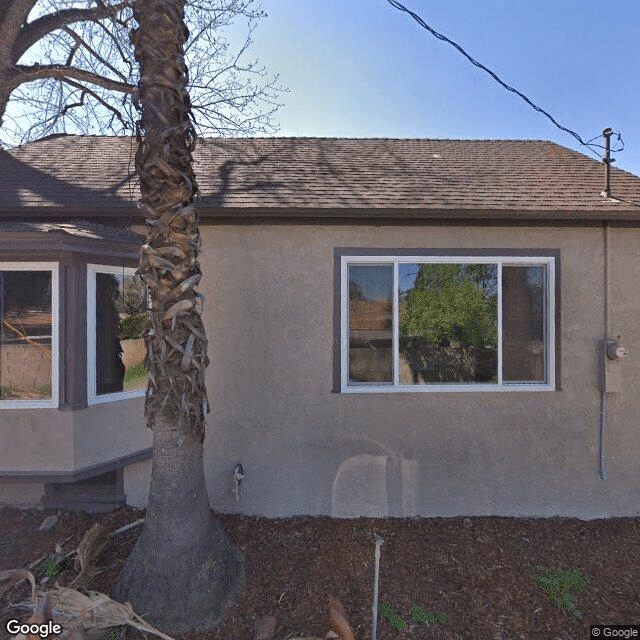
1618 Laurel Avenue, Redlands, CA 92373
To contact a resident: (909) 792-6050
For more information about senior living options: (866) 208-4318
Terracina Post Acute formerly Braswell's Colonial Care Costs & Pricing
Terracina Post Acute, previously known as Braswell's Colonial Care, offers care options that are notably higher than both the county and state averages in California. For a semi-private room, the monthly cost is $5,250, which significantly exceeds San Bernardino County's average of $2,958 and California's average of $3,333. The facility charges $6,000 for both private rooms and one-bedroom accommodations; these rates also surpass the local and state benchmarks of $3,561 and $3,939 for private rooms and $3,548 and $4,340 for one-bedroom units respectively. While Terracina Post Acute provides valuable services that may justify these costs, prospective residents should consider their financial circumstances against the backdrop of regional pricing when making care decisions.
| Floor plans | Terracina Post Acute formerly Braswell's Colonial Care | San Bernardino County | California |
|---|---|---|---|
| Semi-Private | $5,250 | $2,958 | $3,333 |
| Private | $6,000 | $3,561 | $3,939 |
| 1 Bedroom | $6,000 | $3,548 | $4,340 |
Skilled Nursing Facilities with a similar price nearby
-
from -$750 / mo

Estancia del Sol
$4,500 to $6,250 / month23.5 miles away
Overall Review of Terracina Post Acute formerly Braswell's Colonial Care
Pros
 The nursing staff are really nice and caring.
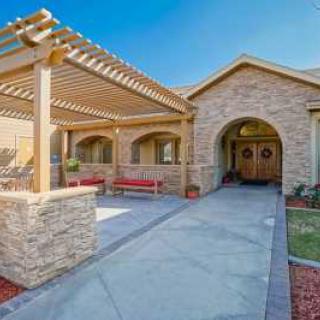
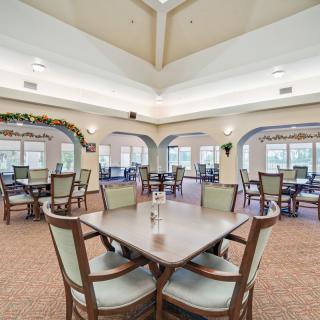
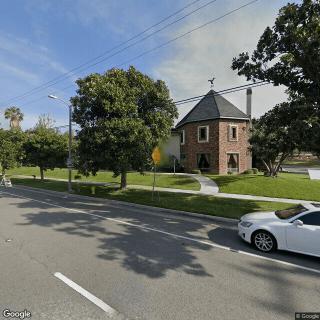
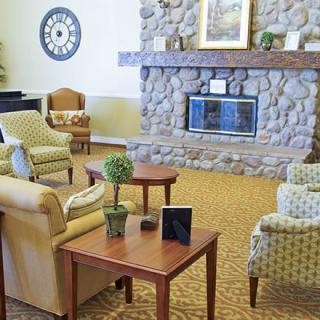
 - The facility looks like an old mansion and is pretty inside.
- The staff can handle challenging tasks, such as assisting a resident who weighs around 300 pounds.
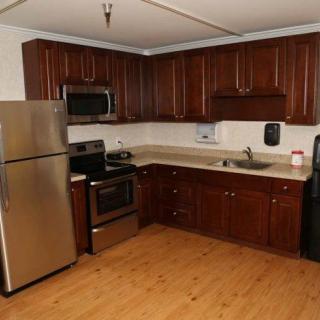
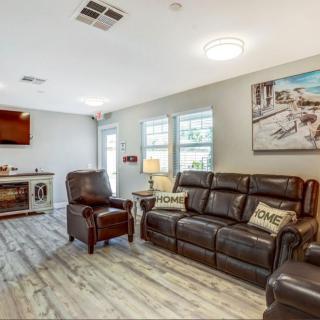
- Braswell's Colonial Care is affordable and offers comfortable rooms with amenities like a TV and a personal phone line.
- The staff are friendly and attentive, regularly checking on residents.
- Residents can enjoy live piano music and other activities in the common areas.
- The facility is described as beautiful, warm, and homey, with attentive and respectful staff.
Cons
 It wasn’t as clean as they wanted.
- The nurse-call light didn’t work, so help wasn’t available when needed.
- Clothes and wheelchair parts were lost, with no clear explanation.
- They didn’t know how to put on his catheter and did it incorrectly.
- The nursing staff were nice but failed to provide the care he needed; many staff were just sitting around and not helping.
- The memory care basement area had a disgusting odor, with urine on the floor and no ventilation.
- They denied water to a patient for over two days and staff ignored him.
- The facility was grossly understaffed, causing long waits for help (20-45 minutes) after pressing the call button.
Review
Terracina Post Acute in Redlands, formerly Braswell’s Colonial Care, is best suited for families seeking an affordable post-hospital rehab option where supervision will be essential and vigilance from loved ones is assumed rather than avoided. The facility presents with an old‑world, mansion-like atmosphere and a clear sense of formality, which can be comforting to families that equate tradition and structure with quality care. For Medicaid-eligible residents, the option can be financially workable, and there are glimpses of genuine kindness from some staff members. In other words, this site fits a budget-conscious niche where the expectation is hands-on advocacy from families and an understanding that care quality will require active monitoring rather than passive trust.
Those who should consider alternatives are precisely the families who will not tolerate inconsistent response times, questionable cleanliness, or frequent gaps in basic care. If a loved one depends on timely help, reliable medication administration, and a consistently clean, odor-free environment, this facility is risky. Memory-care needs that require constant supervision, rapid intervention, and rigorous safety protocols may be better served elsewhere. Families facing long-term supportive care, complex wounds, multiple comorbidities, or high fall risk will likely encounter ongoing frustration here, given repeated reports of understaffing, communication breakdowns, and evident lapses in basic daily care.
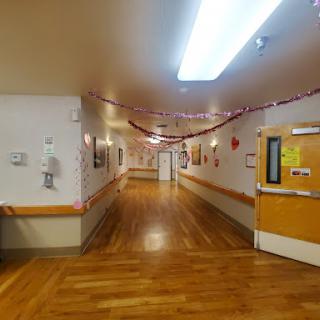
The strongest positives revolve around staff who are sometimes compassionate, and a setting that at times feels functional and aesthetically pleasing. Several accounts describe aides and nurses who show warm, personal attention, and the building’s architectural character can offer a sense of dignity for residents. There is occasional recovery activity visible in hallways, and a few residents appear to enjoy outdoor time and social opportunities. Where these elements exist, they can contribute to short-term comfort and a sense of normalcy during rehab stays. Yet these bright spots are sporadic and do not compensate for systemic problems that recur in many shifts and units.
The core drawbacks are cumulative and substantial: chronic understaffing, long wait times after call-button presses, and complaints about inattentive or overwhelmed staff. Security concerns and wandering risk in certain areas, repeated reports of lost personal items, and inconsistent care management (including medication administration and hydration) undermine trust in the facility’s ability to safeguard vulnerable residents. Odors, cleanliness issues, and outdated infrastructure further erode confidence. In short, the negatives not only rival the positives; they often overwhelm them, particularly for families aiming for steady rehabilitation and a dignified daily routine.
For families evaluating Terracina, a practical, no-nonsense due diligence plan matters. Insist on reviewing current staffing levels by unit, request to observe a shift in action, and examine call-light logs and incident reports. Question the administrator about procedures for securing dementia residents, ensuring timely hydration, and preventing medication mix-ups. Ask to meet the director of nursing and the rehabilitation supervisor to understand how therapy goals are set, tracked, and adjusted, and to confirm how often family conferences occur. Demand a clean, odor-free tour and a written plan for any anticipated repairs or improvements. If possible, tour multiple times to gauge consistency across days and shifts.
Ultimately, Terracina Post Acute presents a stark choice. For families with flexible expectations and a willingness to supervise closely, it can satisfy the basic needs of short-term rehab within a constrained budget. For those who require reliable, high-quality care, clear communication, and a consistently clean and safe environment, other options in Redlands or the surrounding area are worth pursuing. If staying, approach care as a collaborative, watchdog-style partnership, document concerns, demand timely responses, and push for concrete, measurable care plans. The decision hinges on whether the potential benefits of affordability and atmosphere outweigh the persistent, systemic care gaps that jeopardize safety and progress.
 Memory Care
 Skilled Nursing Facility
 Activities on-site
 Beautician on-site
 Devotional services off-site
 Indoor common areas
 Outdoor common areas
 Private
 Respite or short term stays offered
 Wheelchair accessible showers
 Ontario International (23 miles away)
 High acuity care
 Incontinence care
 Meals provided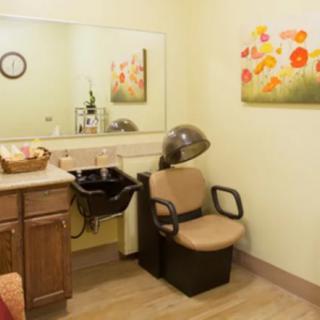

 Understanding Dementia Through Its Seven Stages: A Comprehensive Look at Progression and Expectations
 Safeguarding Your Memory Through the Golden Years: Eight Ways to Preserve Cognitive Health
 Comprehensive Insights into Activities of Daily Living (ADLs) and Their Assessment