1875 Barton Road, Redlands, CA 92373
For more information about senior living options: (866) 208-4318
Overall Review of Asistencia Villa Rehabilitation And Care Center
Pros
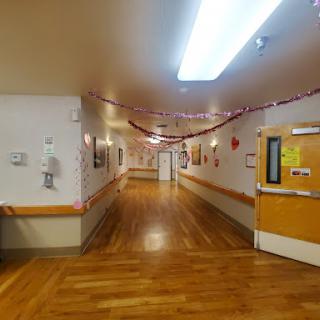
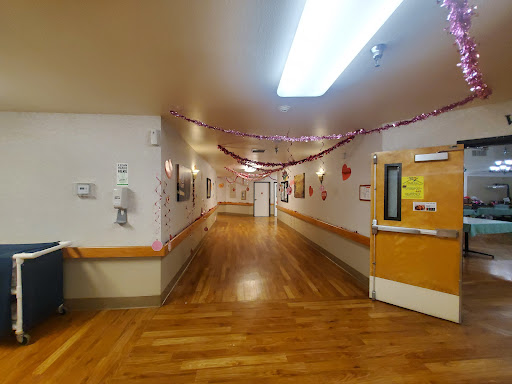
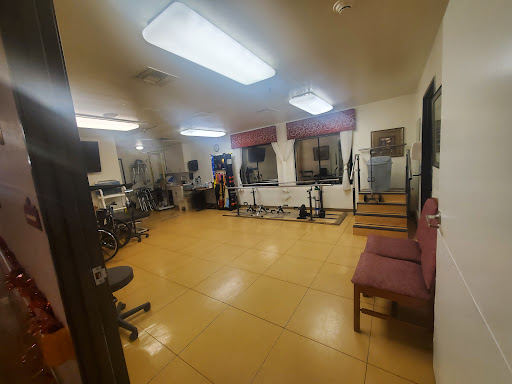
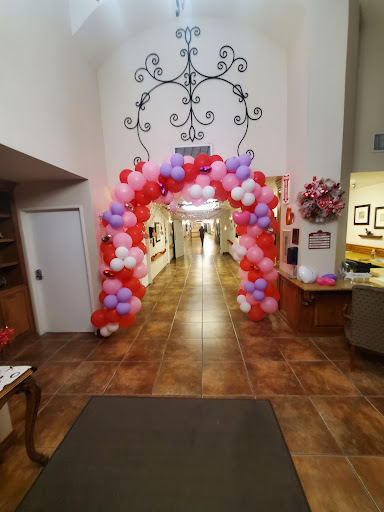
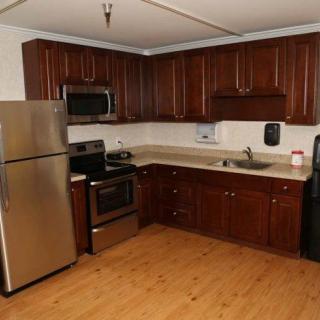
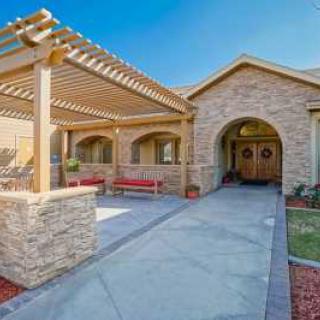
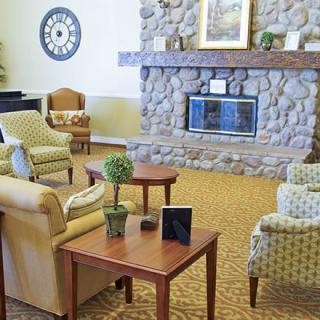
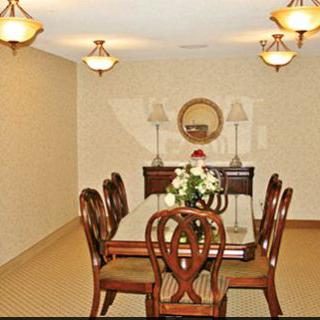
 Asistencia Villa is very bright, open and clean.
- The people there are very nice and take very good care of residents.
- She has only been there for two weeks, but so far, so good.
- Everything seems to be going really well.
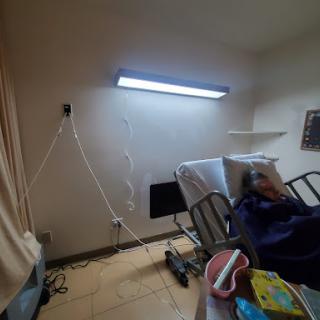
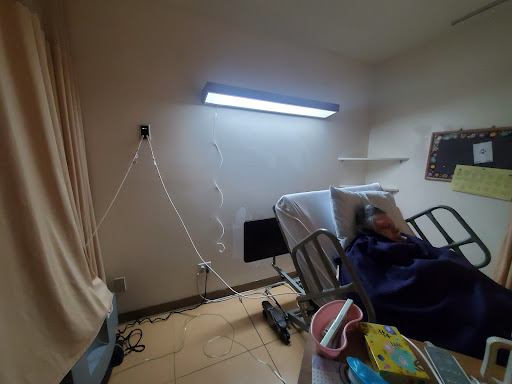
- Her room is spacious and very nice, and it is kept clean and neat.
- They have everything.
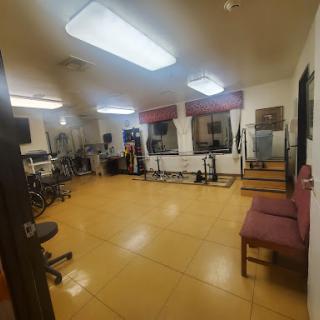
- The staff is wonderful and the nursing is great, with a highly professional, caring team including PT, OT, and respiratory therapy.
- The rooms and bathrooms are clean, and the food is wonderful.
Cons
 The patient was placed in diapers despite not being incontinent, which was humiliating.
- Over two weeks, the patient received only one 30-minute physical therapy session, with staff claiming restroom use was enough for today.
- The patient remained in a soiled diaper for hours and was not assisted to the restroom.
- The patient was allowed to shower only every three to four days.
- The facility is short-staffed, leading to little to no therapy and other basic issues like a broken bed and TV.
- During COVID, communication was poor, with phones rarely answered and staff distracted in the hall.
- Some staff were rude or dismissive, and some RTs entered with earphones and did not address the patient.
- The facility is not recommended due to neglect, including allegedly falsified showering paperwork and inadequate feeding.
Review
Asistencia Villa Rehabilitation And Care Center in Redlands is best suited for families seeking a post-acute setting with a focus on rehab services and specialized care, particularly for patients who may require tracheostomy or wound-management support and can benefit from a bright, clean environment. The facility sometimes shines when therapy teams are engaged and responsive, and a few reviewers highlight strong nursing and respiratory care. However, those whose primary concern is consistent daily living assistance, reliable showers, or uninterrupted attention from staff may want to explore other options. The mix of experiences across eight reviews leaves little room for ambiguity: this is not a one-size-fits-all care home, and expectations should be calibrated to the realities reported by families.
Therapy and rehab emerge as a fulcrum of value at this center, but with notable inconsistency. On the positive side, at least one new tracheostomy patient praised highly professional nurses, skilled PT/OT, and a devoted respiratory-therapy team, underscoring that when therapy is properly staffed and scheduled, outcomes can be solid. Other reviews echo this sentiment, describing capable wound care and attentive rehab professionals who teach caregiving basics and help families navigate post-acute needs. Yet several families report the opposite: promises of “intense PT” that never materialize, with therapy sessions sparse over two weeks. The gap between expectation and daily practice is what creates risk for families counting on rehab to shorten hospital-to-home transitions.
The setting itself often receives praise for atmosphere and cleanliness. Multiple observers describe Asistencia Villa as bright, open, and well-maintained, with clean rooms and attractive common areas. When therapy and nursing are functioning well, the environment supports recovery and motivates residents, and some staff are noted as friendly and engaging, occasionally even making activities enjoyable for residents. Those positives matter because a pleasant environment can improve mood, cooperation, and participation in therapy, which can help offset some other shortcomings. Still, the upside is uneven, and the facility’s best features depend heavily on staffing on any given day.
Significant red flags appear around basic daily care and operational reliability. Several reviewers report patients being placed in diapers to avoid helping with timely toileting, which is both demeaning and unsafe for post-surgical or rehab populations. Shower frequency becomes a concern for residents who need assistance and hygiene is not consistently prioritized, with accounts of days between showers or baths. Bed issues and room configurations, such as three beds in a shared space, paint a picture of a crowded, less-private environment that may struggle to meet the dignity and safety standards expected in higher-acuity settings. These practical gaps directly impact comfort, recovery pace, and overall satisfaction.
Communication, responsiveness, and administrative integrity are mixed enough to warrant cautious navigation. Some families highlight quick responses to alert lights and proactive engagement by staff, while others recount long delays in phone calls, inconsistent updates, and a perception that some personnel were distracted or unavailable. A troubling claim of falsified paperwork to reflect showers or care accurately is noted by at least one reviewer, paired with concerns about insurance handling and state oversight. While not universally borne out, these reports create a credibility hurdle that families should verify before committing, and they underscore the necessity of clear, documented care plans and regular progress reviews.
The bottom line for families weighing this center is practical and action-oriented. If rehab velocity, wound and respiratory care quality, and a generally clean, bright environment are the priorities, this facility can deliver when staffing aligns with resident needs and care plans are strictly managed. The decisive caveat is consistency: ensure concrete commitments around daily therapy schedules, frequency of personal care assistance, and maintenance of private, dignified living spaces. If total daily care, reliable assistance with basic activities, private rooms, and predictable staffing levels are non-negotiable, alternatives with stronger daily-care infrastructures should be pursued. Perform a focused visit to observe therapy routines, request a formal written care plan, and meet the on-site administrator to confirm how staffing patterns will address known gaps before making a placement.
 99 resident community capacity
 Skilled Nursing Facility
 Air-conditioning
 Beauty salon
 Cable or satellite TV
 Computer center
 Dining room
 Fitness room
 Fully furnished
 Gaming room
 Garden
 Housekeeping services
 Kitchenette
 Move-in coordination
 Outdoor space
 Private bathrooms
 Restaurant-style dining
 Small library
 Telephone
 Wellness center
 Wi-Fi/high-speed internet available
 Ontario International (22 miles away)
 Community operated transportation
 12-16 hour nursing
 24-hour call system
 Activities of daily living assistance
 Assistance with bathing
 Assistance with dressing
 Assistance with transfers
 Diabetes diet
 Medication management
 Mental wellness program
 Special dietary restrictions
 Concierge services
 Planned day trips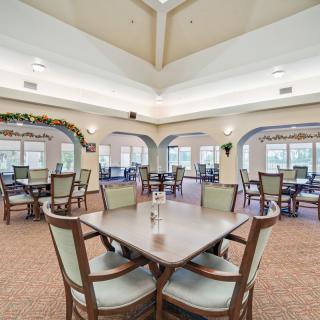



 California's Form 602A: An In-Depth Examination of Senior Care Assessment
 Comprehensive Look at Senior Blood Pressure Charts: Normal and Elevated Levels by Age
 Top Canine Companions for Older Adults