Willow Springs Alzheimer's Special Care Center Costs & Pricing
Willow Springs Alzheimer's Special Care Center offers a specialized environment for individuals with Alzheimer's and related conditions, reflected in its pricing structure. The monthly costs for care at Willow Springs are notably higher than both the county and state averages. For a semi-private room, residents can expect to pay $6,132, which is significantly above Shasta County's average of $3,611 and California's state average of $3,333. Similarly, the center's studio accommodations are priced at $8,035, contrasting sharply with Shasta County's $4,111 and California's $4,145 averages. These higher costs may be attributed to the center's tailored care programs and dedicated facilities designed specifically for enhancing the quality of life for residents with Alzheimer's disease.
Floor plans
Willow Springs Alzheimer's Special Care Center
Shasta County
California
Semi-Private
$6,132
$3,611
$3,333
Studio
$8,035
$4,111
$4,145
Overall Review of Willow Springs Alzheimer's Special Care Center
common28 reviews mention this
Staff knowledge and communication stand out
Residents and families repeatedly describe a knowledgeable, communicative care team.
Across many reviews, families say the staff is kind, compassionate, and professional, with caregivers who feel approachable and responsive. Several residents’ supporters mention clear communication about care and decisions, including keeping families informed about changing needs. Multiple reviewers also highlight that staff know residents by name and make visits feel welcome, even for daytime visitors who want to stay involved.
differentiator16 reviews mention this
Care is tailored for dementia
Dementia-focused expertise is a recurring reason families feel confident here.
Many reviews specifically connect the quality of care to Alzheimer’s and dementia needs, describing a team that understands the disease and supports residents as it changes. Reviewers mention coordination around health decisions and medication adjustments, along with support related to safety and wandering concerns. Some families also describe the transition into memory care as smoother because staff explain and coordinate care while including loved ones in meaningful experiences.
common18 reviews mention this
Activities keep residents engaged
A steady schedule of activities is frequently cited as keeping residents engaged.
Residents and families describe a full calendar that includes music, crafts, outings, and community events, with emphasis on keeping people involved. Several reviews say staff encourage residents based on interests and abilities, and that family members can join in activities or visit during events. One mixed review notes concerns about limited follow-through on activities and that residents seemed less engaged, but most feedback frames activities as a core part of daily life.
common12 reviews mention this
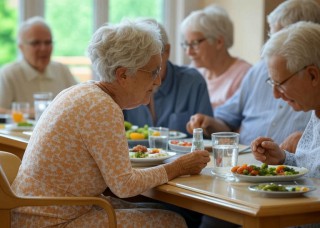
Dining is consistently described positively
Families repeatedly mention meals that look good and support a comfortable dining experience.
Food comes up often in reviews, with multiple families saying meals are delicious and that residents eat well. Some reviewers also mention restaurant-style dining and room-service-style help, describing meals as part of what residents enjoy day to day. A minority of feedback is less positive about a particular resident’s food preferences, but overall dining is a common point of satisfaction.
caveat5 reviews mention this
Costs run high compared to benchmarks
Pricing is described as expensive, even when care quality is praised.
A recurring caution in reviews is that memory care here costs more than other options. Even reviewers who feel it is worth it still compare it to lower-priced facilities, framing the decision as trading higher cost for better confidence in care. This cost concern is also consistent with the posted price range being substantially above county and state benchmarks.
How we summarize
Counts show how many written reviews mention each theme; a review can touch several themes, and only frequently mentioned themes are displayed.
Features
Housing
56 resident community capacity
Types of Care
Memory Care
Pets
Cats allowed
Dogs allowed
Amenities
Activities off-site
Activities on-site
Air-conditioning
Beautician on-site
Beauty salon
Cable or satellite TV
Computer center
Dining room
Fitness room
Fully furnished
Gaming room
Garden
Garden view
Ground floor units
Handicap accessible
Housekeeping services
Indoor common areas
Kitchenette
Move-in coordination
Outdoor common areas
Outdoor patio
Outdoor space
Private bathrooms
Respite or short term stays offered
Restaurant-style dining
Small library
Spa
Telephone
Wellness center
Wi-Fi/high-speed internet available
Transportation
Redding Municipal (8 miles away)
Community operated transportation
Transportation arrangement
Transportation arrangement (non-medical)
Transportation to doctors appointments
Care Services
12-16 hour nursing
24-hour call system
24-hour supervision
Activities of daily living assistance
Assistance with bathing
Assistance with dressing
Assistance with transfers
Coordination with health care providers
Dementia waiver
Diabetes diet
Diabetic care
Incontinence care
Meal preparation and service
Medication management
Mental wellness program
Mild cognitive impairment
Special dietary restrictions
Specialized memory care programming
Transportation arrangement (medical)
Transportation to doctors appointments
Dining
Diabetes diet
Guest meals
International cuisine
Meals provided
Professional chef
Restaurant style dining
Room service
Special dietary restrictions
Special dining programs
Activities
Activities off-site
Activities on-site
Art classes
BBQs or picnics
Brain fitness
Community-sponsored activities
Concierge services
Cooking classes
Day trips and outings
Fitness programs
Karaoke
Live dance or theater performances
Live musical performances
Montessori programs
Planned day trips
Resident-run activities
Scheduled daily activities
Tai Chi
Trivia games
Yoga / chair yoga
Nearby Places of Interest
This part of Redding, California, offers a convenient and diverse range of amenities for senior living. There are several cafes nearby for socializing and enjoying a cup of coffee, as well as various restaurants offering a variety of cuisines. For medical needs, there are several physicians and pharmacies within a short distance. Places of worship are also easily accessible, providing spiritual support and community connections. The area is also home to a theater for entertainment options. Additionally, there are parks for outdoor activities and transportation services available for convenience. Overall, this part of Redding offers a well-rounded and accessible environment for seniors looking to settle in the area.
Cafes
From The Hearth Cafe (0.2 miles)
Starbucks (1.3 miles)
Starbucks (1.5 miles)
Dutch Bros Coffee (2.3 miles)
Dutch Bros Coffee (2.5 miles)
Starbucks (2.7 miles)
Dutch Bros Coffee (2.9 miles)
Places of Worship
Bethel Church (0.6 miles)
Little Country Church (1 miles)
Risen King Community Church (2.4 miles)
Physicians
Flawless Body (1.3 miles)
Prestige Radiology (1.5 miles)
Hilltop Medical Clinics (1.5 miles)
Examworks (2.5 miles)
Shasta Orthopaedics - Schillen J David MD (2.7 miles)
Willow Springs Alzheimer's Special Care Center offers a specialized environment for individuals with Alzheimer's and related conditions, reflected in its pricing structure. The monthly costs for care at Willow Springs are notably higher than both the county and state averages. For a semi-private room, residents can expect to pay $6,132, which is significantly above Shasta County's average of $3,611 and California's state average of $3,333. Similarly, the center's studio accommodations are priced at $8,035, contrasting sharply with Shasta County's $4,111 and California's $4,145 averages. These higher costs may be attributed to the center's tailored care programs and dedicated facilities designed specifically for enhancing the quality of life for residents with Alzheimer's disease.
Willow Springs Alzheimer's Special Care Center enhances the quality of care for residents through a comprehensive range of features tailored to meet the unique needs of individuals with dementia or Alzheimer's disease. The 24-hour supervision ensures that residents are continuously monitored, providing immediate assistance and fostering a sense of security. Activities of daily living assistance, including bathing and dressing support, help maintain personal hygiene and dignity while promoting independence where possible. Coordination with healthcare providers and medication management ensures that health needs are addressed promptly, while meal preparation services cater to nutritional requirements essential for overall well-being. Specialized memory care programming and brain fitness activities stimulate cognitive function and enhance engagement, while mental wellness programs address emotional health. Montessori programs and gentle transportation arrangements for medical appointments further enrich social interaction and ease mobility challenges. All these features work synergistically to create an environment where personalized care thrives, allowing residents to navigate their journey through dementia with dignity and comfort.
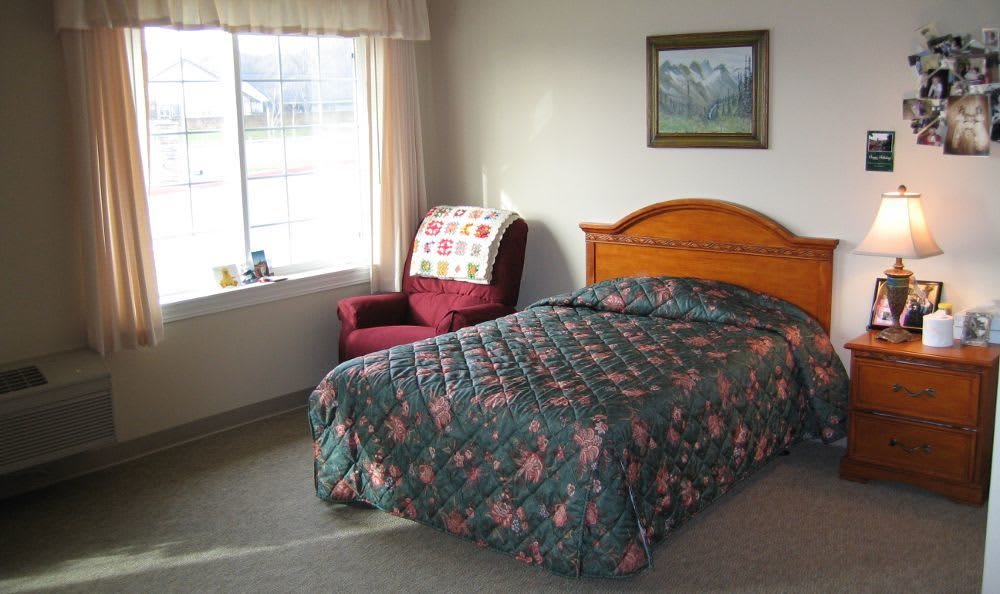
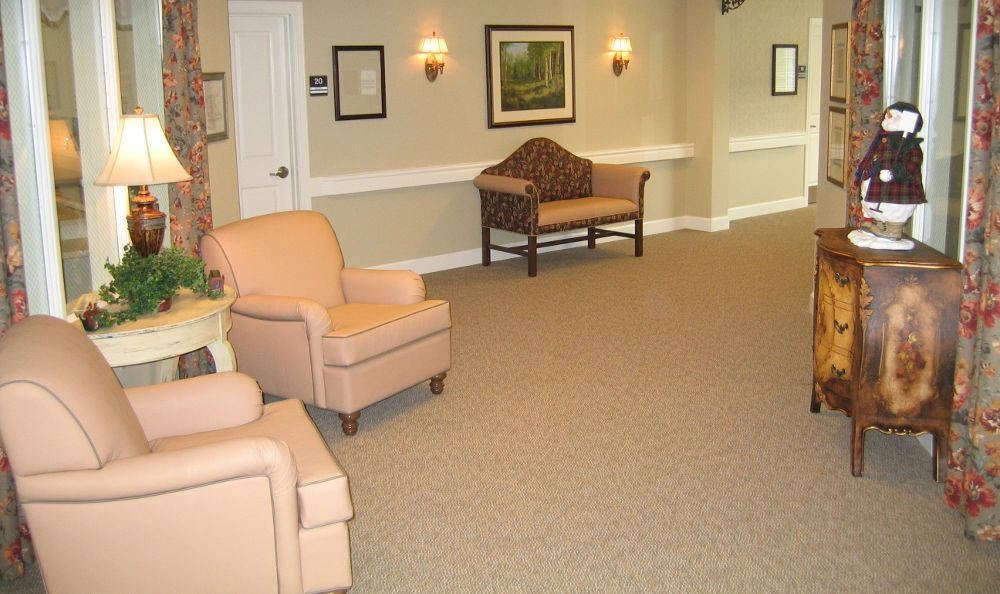
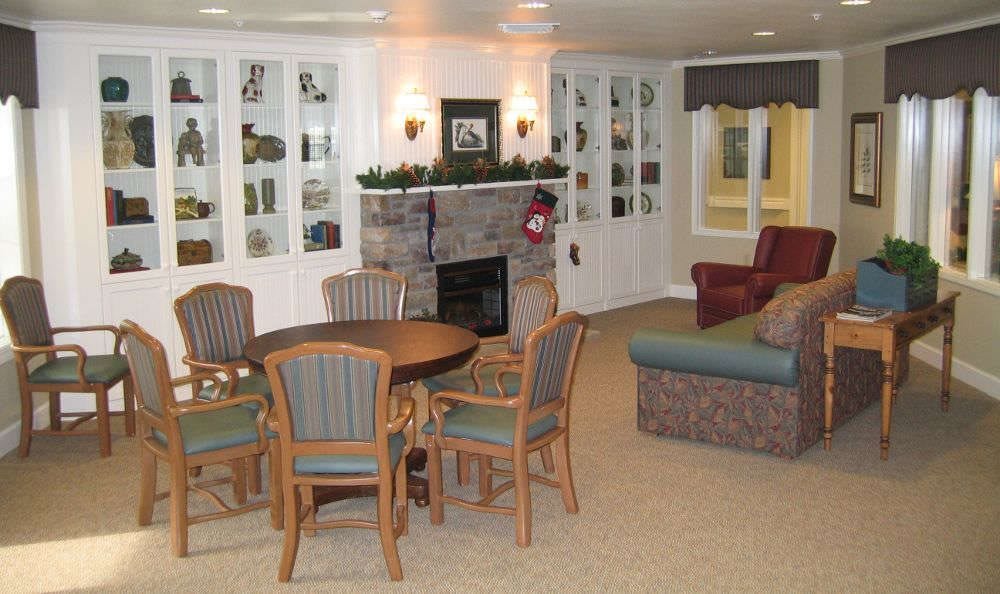
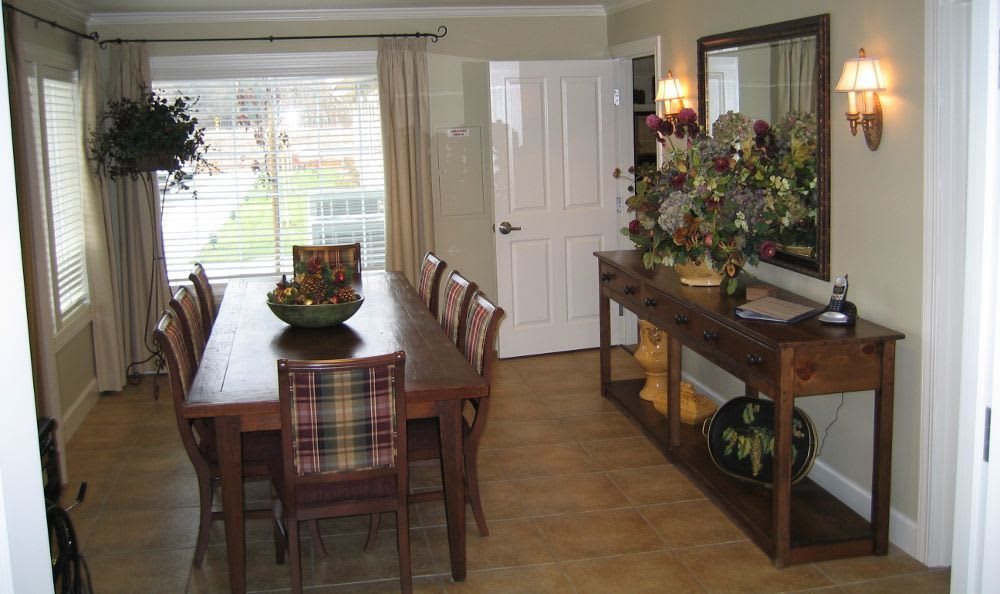
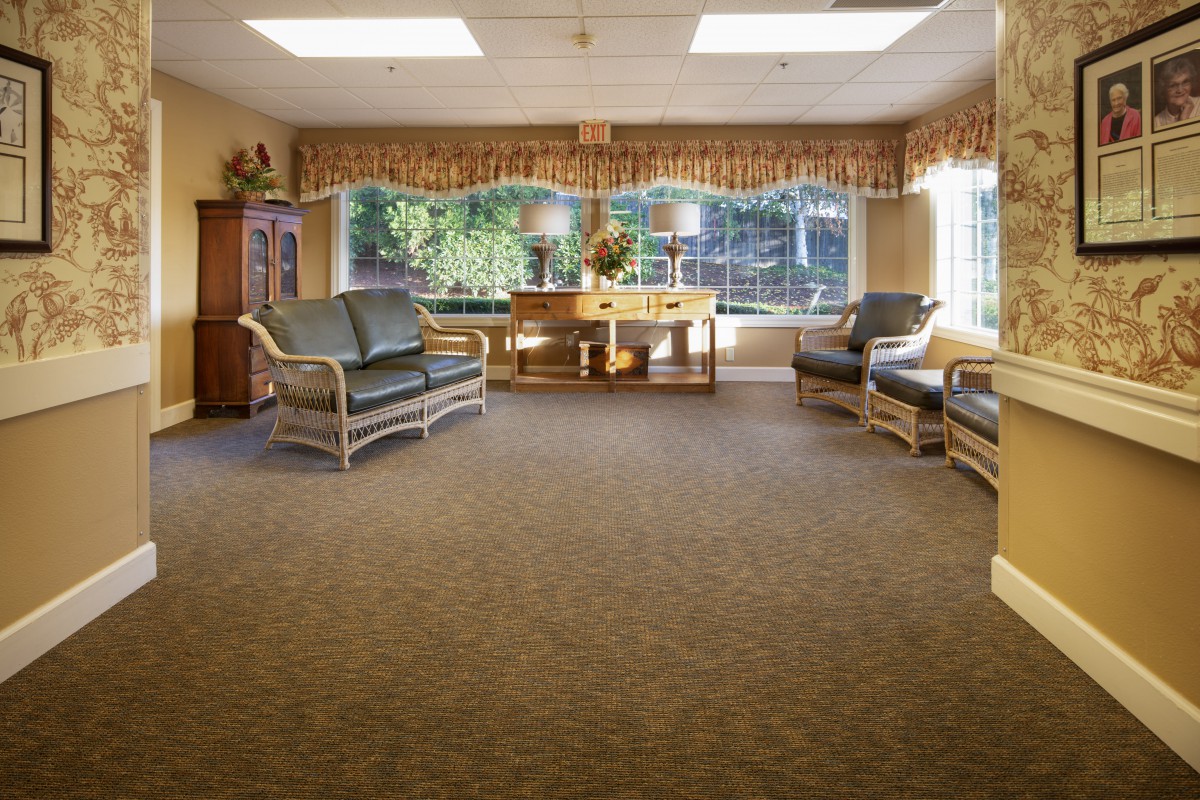
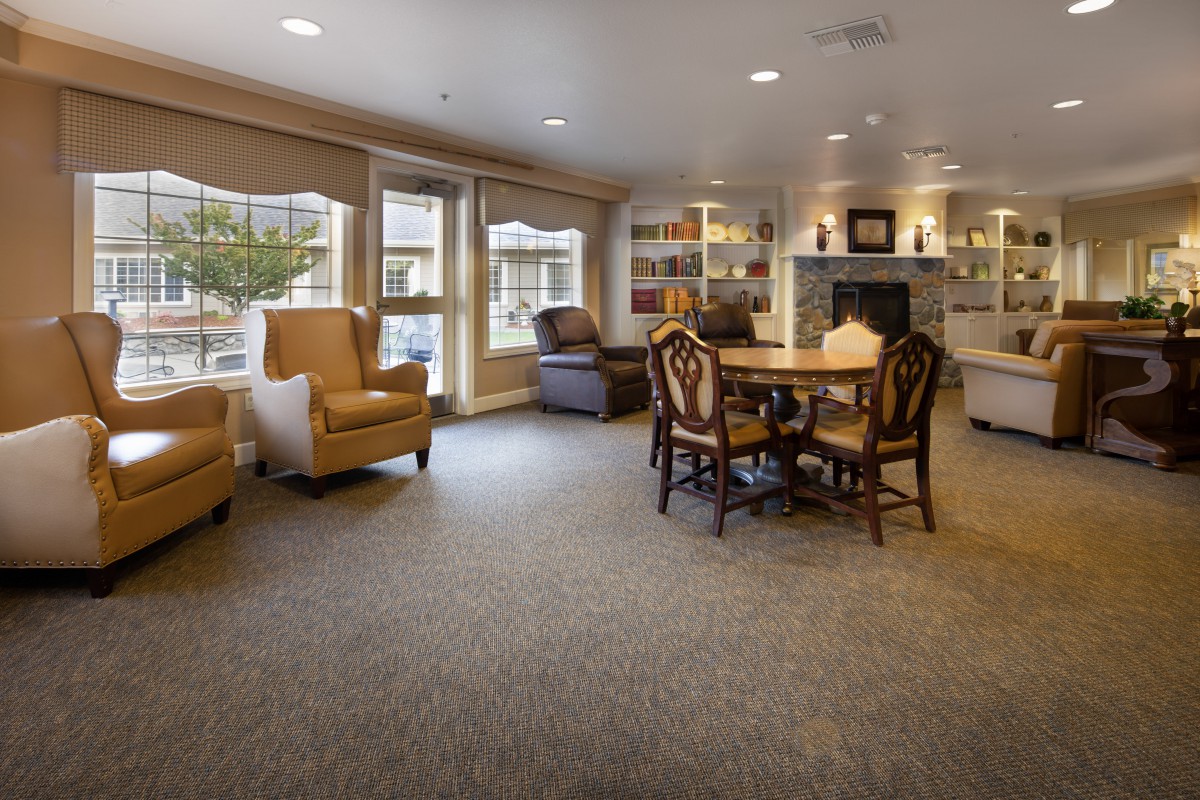
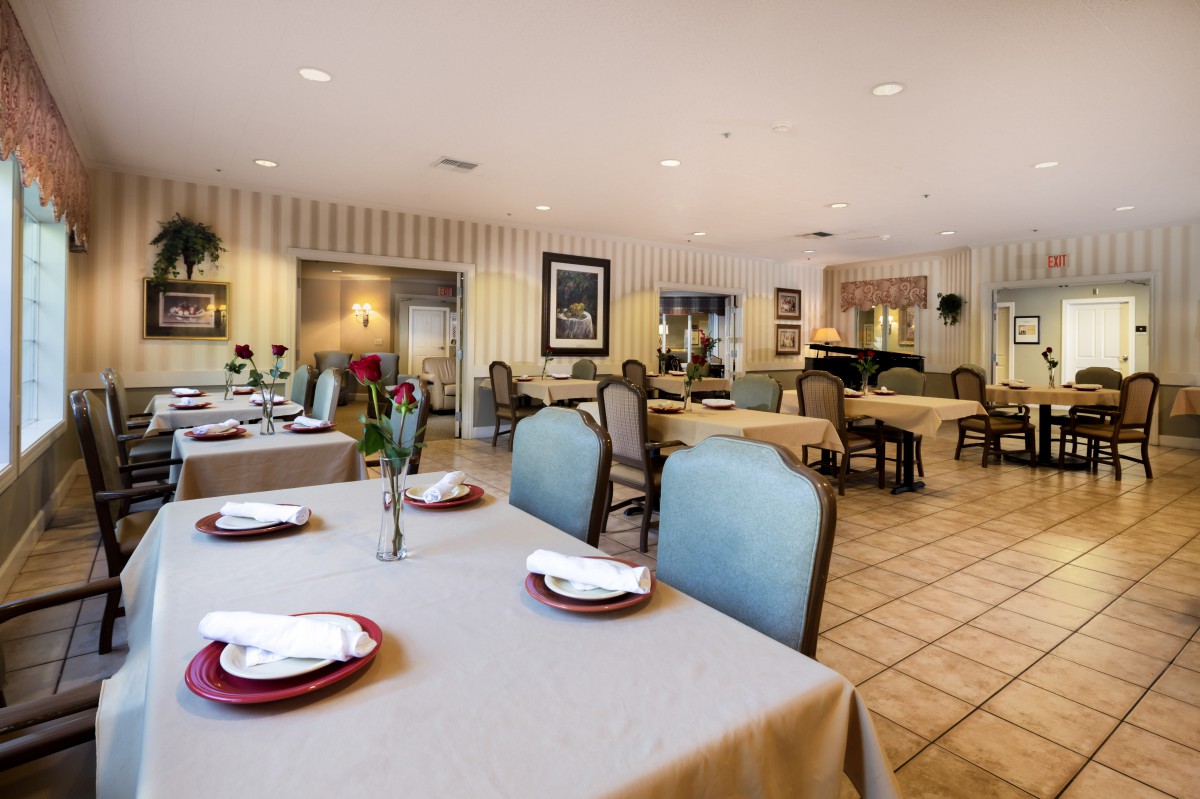
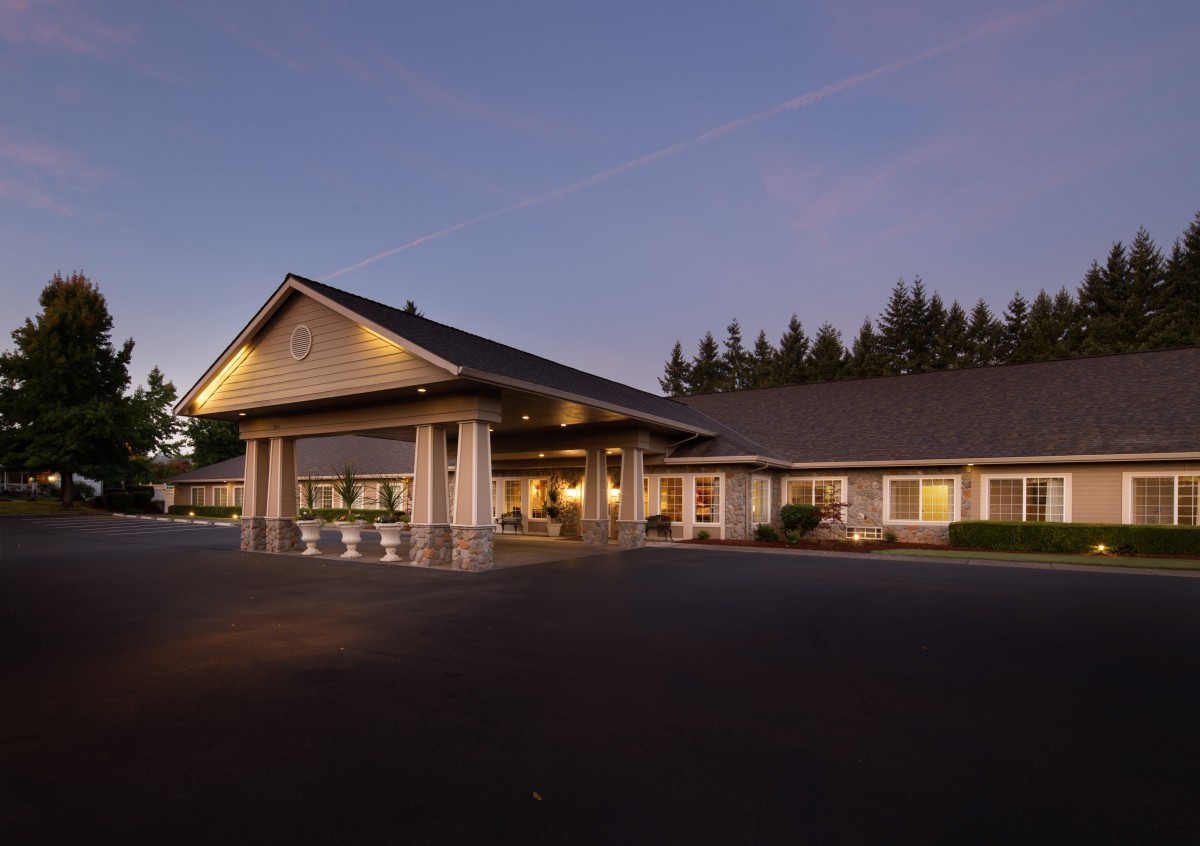
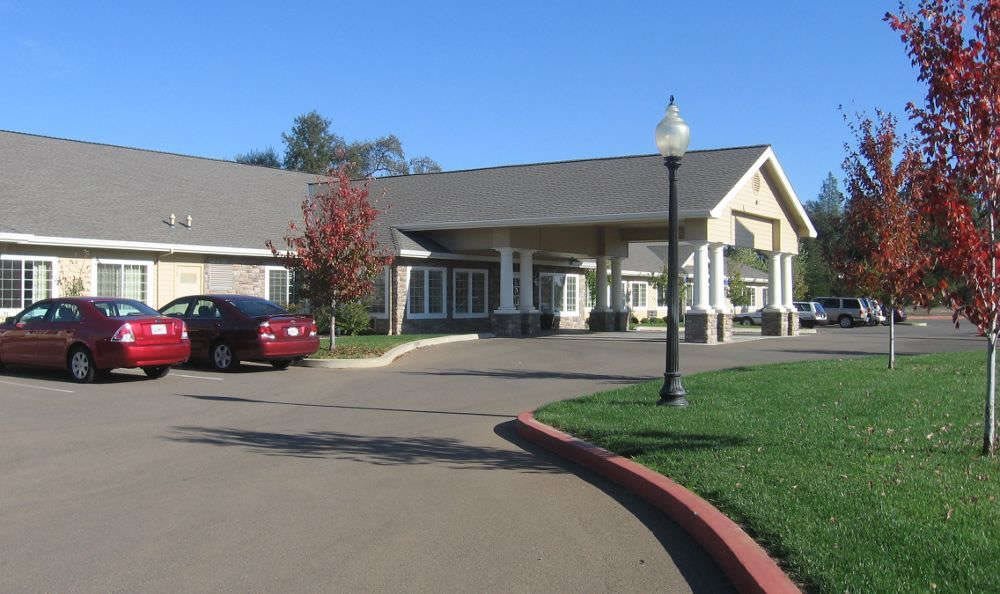
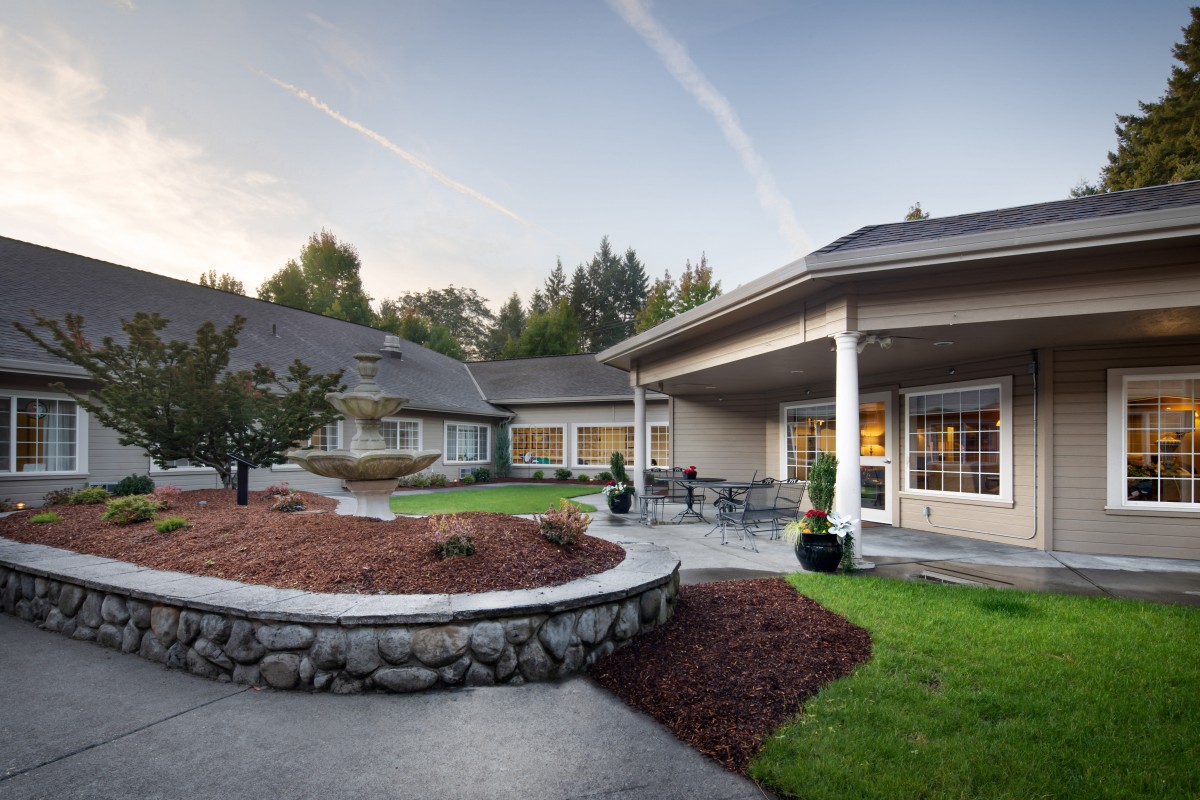
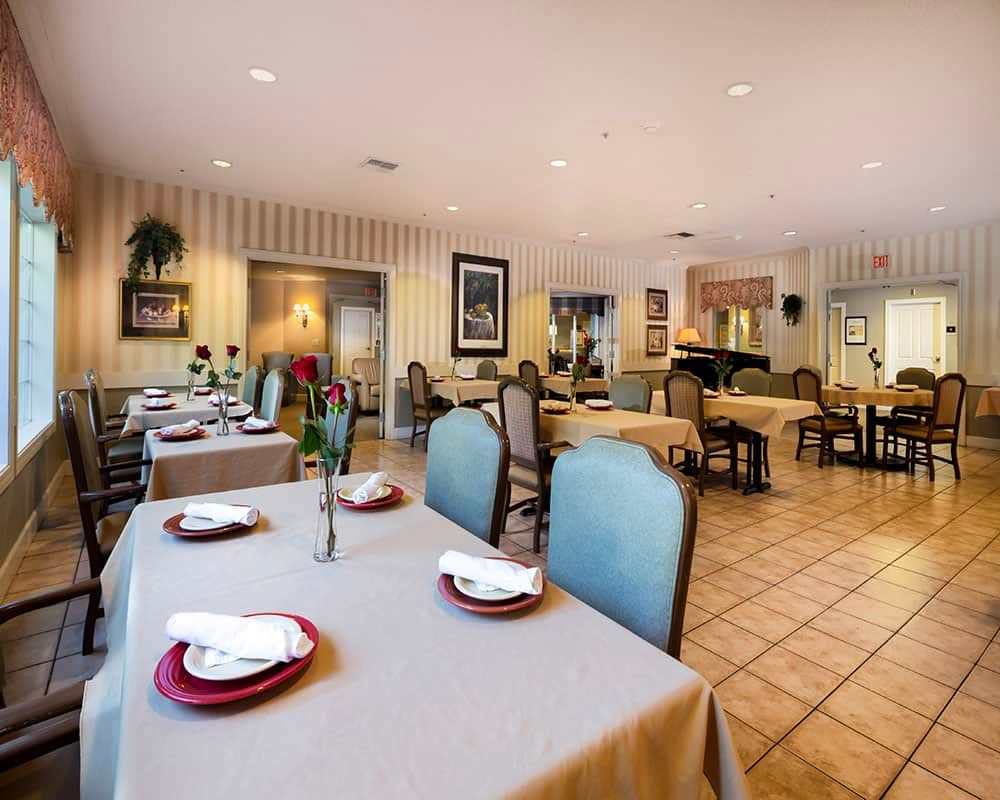
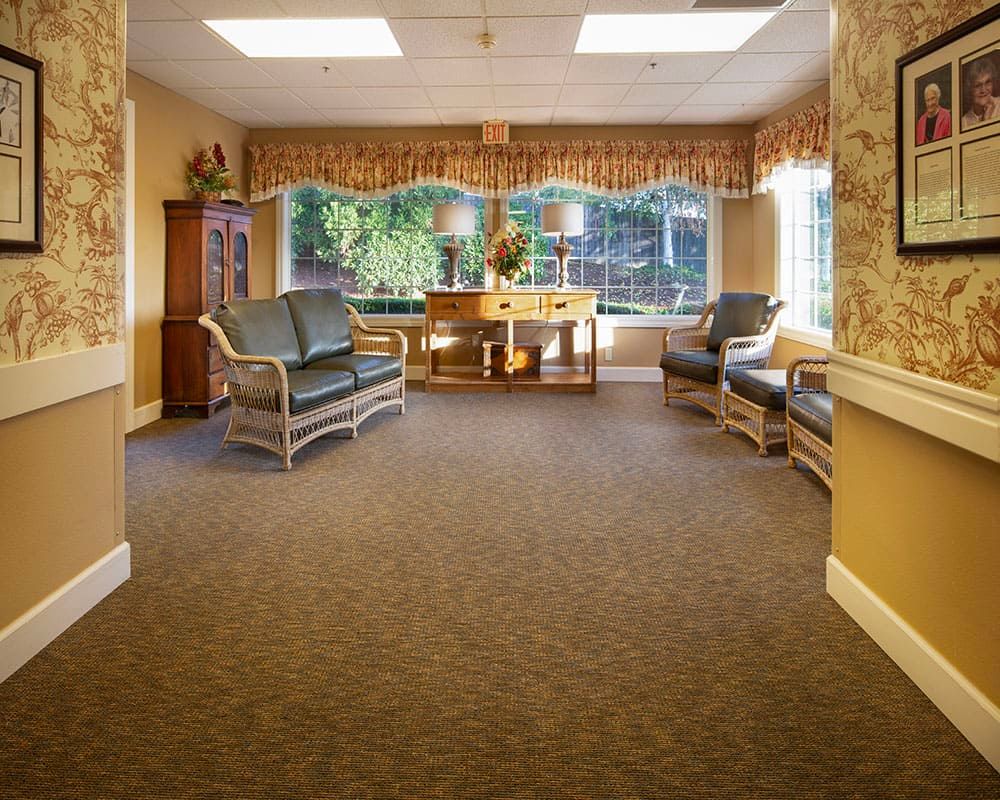
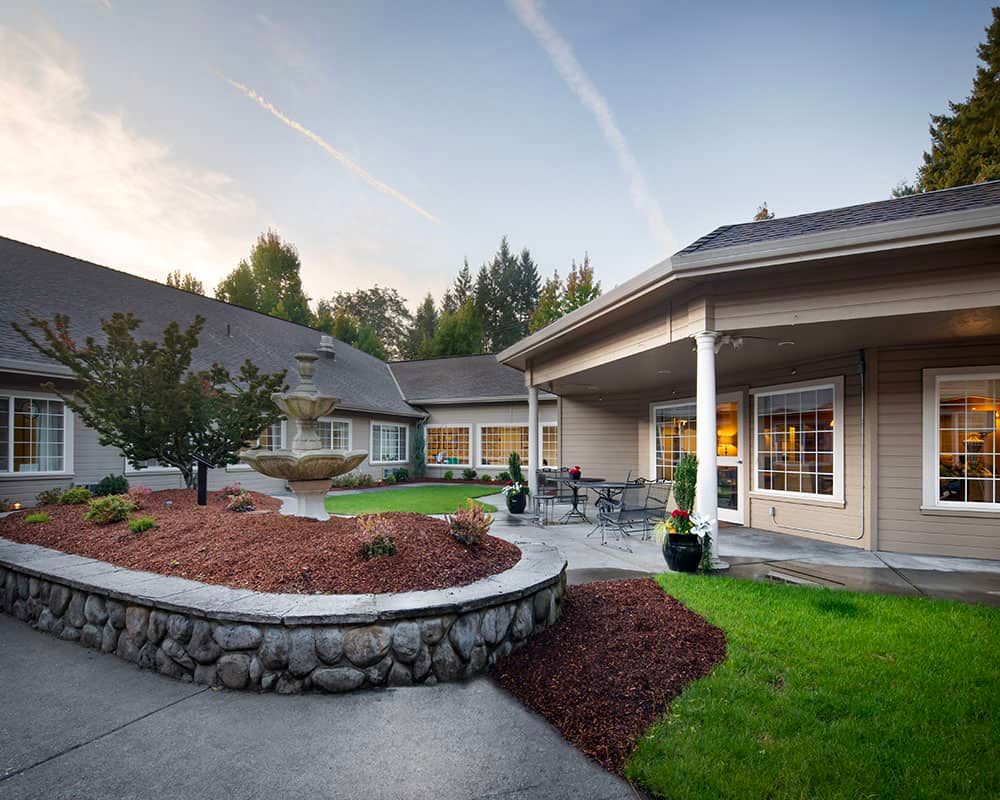
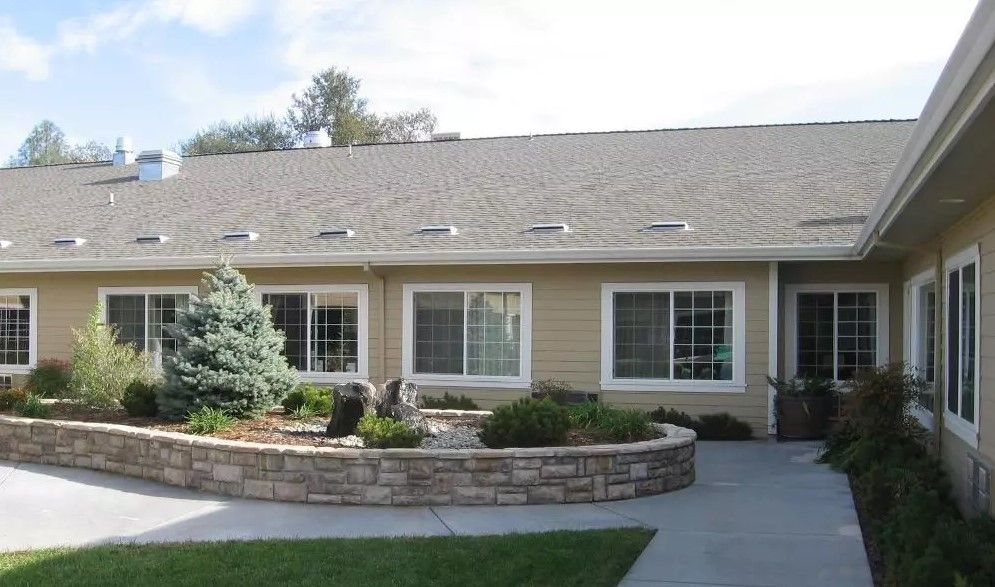
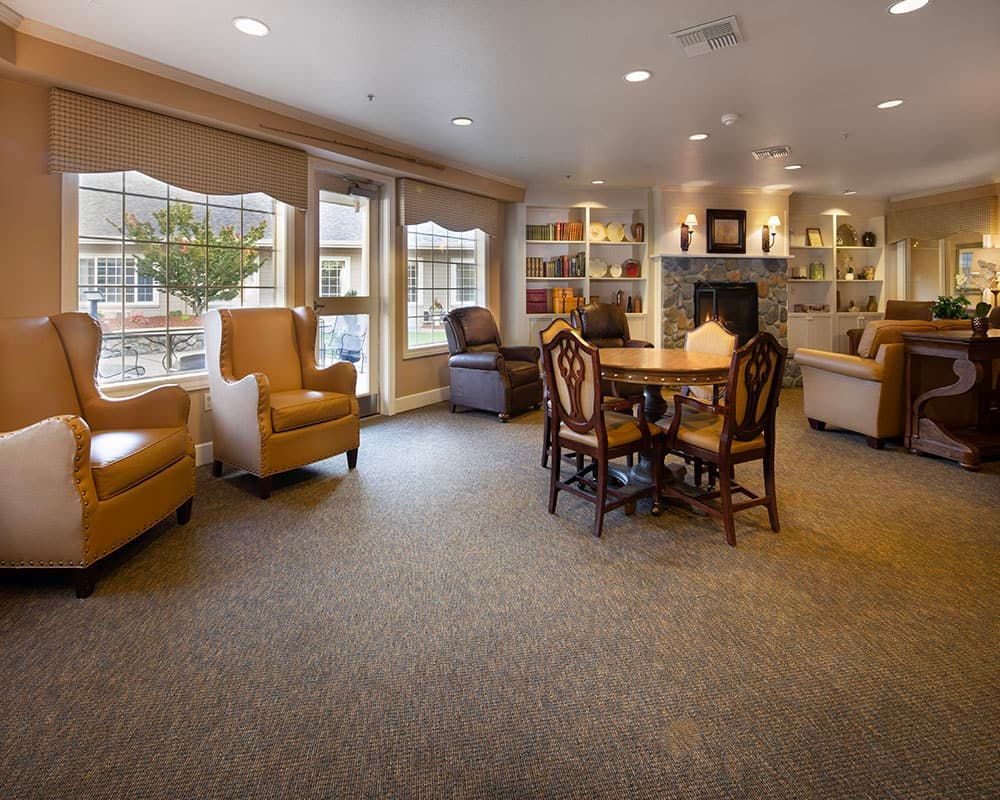
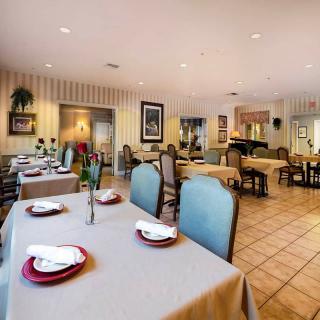
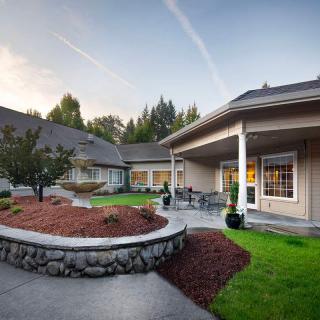
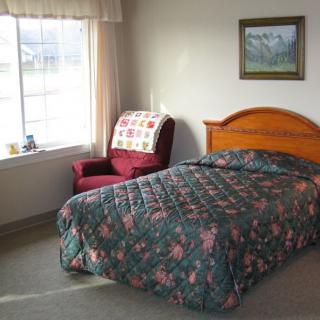
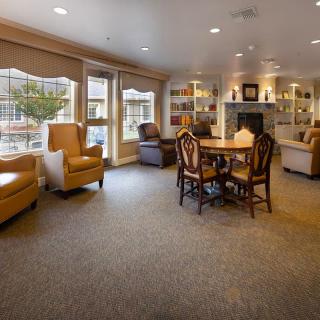
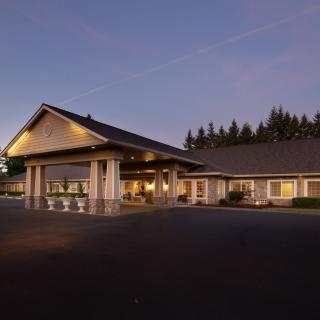
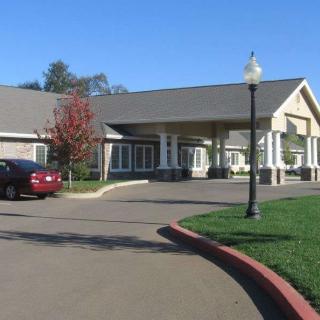
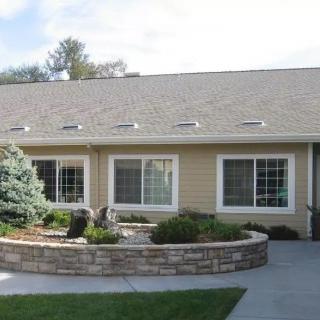
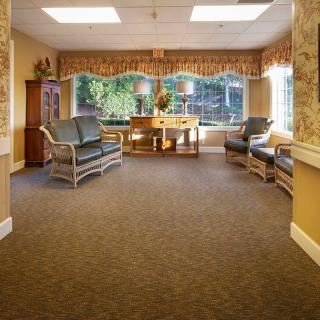
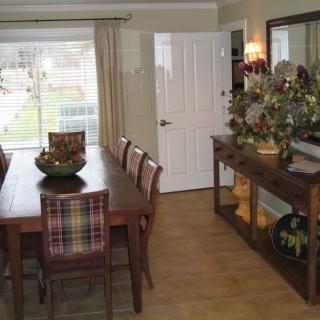
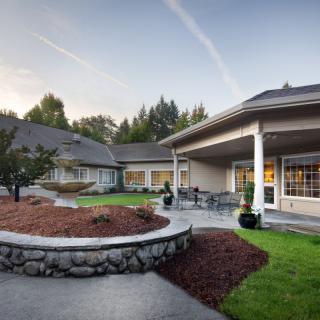
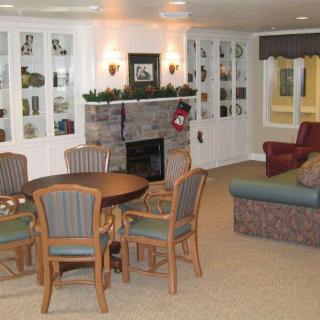
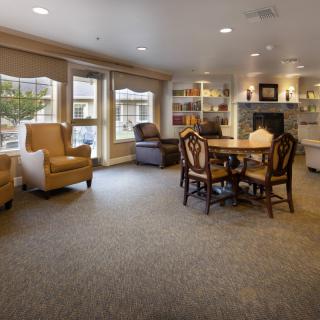
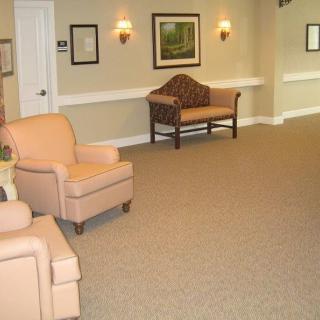
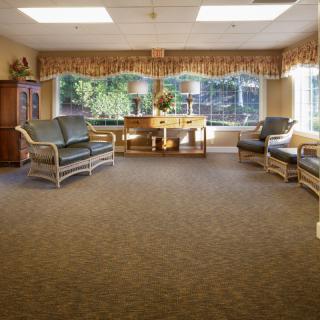
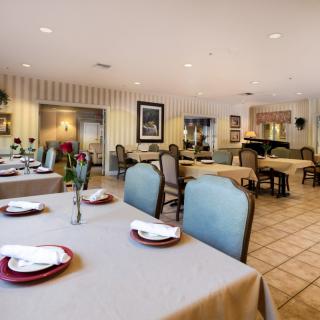
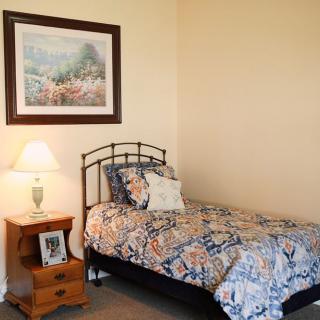
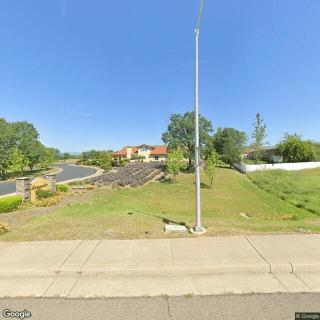
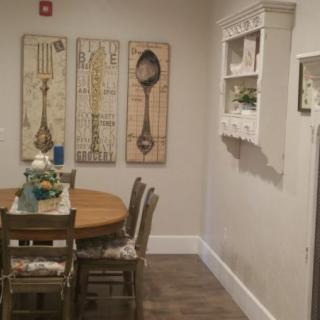
Willow Springs Alzheimer's Special Care Center on seniors.fyi includes 16 photos including images showing interior, windows, decor, landscaping, dining, architecture, living room, seating area, and more.
Nearby Communities
Shasta Hills Estates
Redding, CA
Modern amenities with meal service, medication management, and dietary accommodations.
Sierra Oaks Assisted Living and Memory Care
Redding, CA
4.5 from 48 reviews
$2,895 to $3,495 / month
Friendly, caring staff in a clean, home-like setting with engaging activities.
Sierra Oaks Of Redding
Redding, CA
4.7 from 36 reviews
Welcoming staff in a bright, home-like setting with engaging activities.
The Vineyard
Redding, CA
Small, personalized community with on-site meals and medication management.
Lavender Hills Assisted Living
Redding, CA
4.3 from 24 reviews
Small, personalized setting with comprehensive care and on-site amenities.
Lavender Hills Assisted Living II
Redding, CA
4 from 1 review
Courteous staff, clean and spacious rooms, and a welcoming environment with healthy meals and engaging activities.
Dementia often results in disrupted sleep patterns, leading to excessive daytime sleeping due to factors like brain damage affecting circadian rhythms, medication side effects, and lack of structure in daily activities. Caregivers must monitor these changes closely, as oversleeping can increase risks such as malnutrition or dehydration, and provide necessary support and routines to enhance patient engagement and well-being.
The transition from assisted living to skilled nursing care is often prompted by complex medical needs that assisted living cannot meet, with key indicators including frequent health declines, increased falls, severe memory issues, and caregiver burnout. Families should recognize these signs early to discuss options with healthcare providers and prepare for the emotional and logistical aspects of moving to a facility that offers comprehensive medical support.
Dementia is characterized by cognitive decline, with nutrition playing a vital role in brain health; while no specific diet can prevent or reverse it, a nutrient-dense diet rich in antioxidants and healthy fats may support cognitive function. The MIND diet, which emphasizes beneficial foods and limits processed items, along with proper hydration and individualized meal strategies, can enhance the well-being of dementia patients.
Willow Springs Alzheimer's Special Care Center photos
×
Interior
Outdoors
Decor
Living Room
Building
Architecture
Trees
Windows
Dining
Landscaping
Seating Area
Fireplace
Lobby
Natural Light
Interior
Decor
Bedroom, Painting, and Quilt
Dining
Living Room and Fireplace
Landscaping
Windows
Building and Architecture
Trees
Lighting
Garden
Seating Area
Outdoor
Patio and Outdoors
Lobby
Exterior and Lights
Natural Light
Waiting Area
Place Settings
Residential Building
Get PricingAsk A QuestionSchedule A TourContact Senior Advisor
By clicking submit, you agree to our Partner's Terms of Use. You
also consent to receive calls and texts, which may be autodialed, from our Partner. Your consent is not a condition to
using our Partner's service. Please visit our Partner's Privacy Policy for information about their privacy practices.

 56 resident community capacity
 Memory Care
 Cats allowed
 Dogs allowed
 Activities off-site
 Air-conditioning
 Beautician on-site
 Cable or satellite TV
 Computer center
 Dining room
 Fitness room
 Fully furnished
 Gaming room
 Garden
 Ground floor units
 Handicap accessible
 Housekeeping services
 Indoor common areas
 Kitchenette
 Move-in coordination
 Outdoor common areas
 Outdoor patio
 Private bathrooms
 Respite or short term stays offered
 Restaurant-style dining
 Small library
 Spa
Spa Telephone
 Wi-Fi/high-speed internet available
 Redding Municipal (8 miles away)
 Community operated transportation
 12-16 hour nursing
 24-hour call system
 Assistance with bathing
 Assistance with dressing
 Assistance with transfers
 Diabetes diet
 Diabetic care
 Incontinence care
 Medication management
 Mental wellness program
 Special dietary restrictions
 Transportation arrangement (medical)
 Art classes
 BBQs or picnics
 Brain fitness
 Concierge services
 Cooking classes
 Day trips and outings
 Karaoke
 Live dance or theater performances
 Live musical performances
 Trivia games
 Modern amenities with meal service, medication management, and dietary accommodations.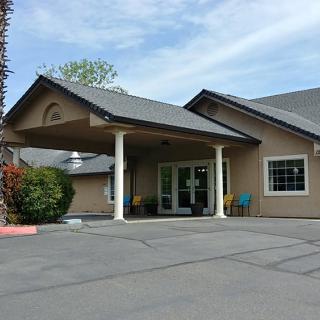
 Why Do Dementia Patients Sleep So Much? Understanding Oversleeping, Stages, and Care Approaches
 8 Key Indicators That Suggest It May Be Time to Transition from Assisted Living to Skilled Nursing Care
 Nourishing the Mind: Essential Dietary Approaches for Dementia