1750 Collyer Drive, Redding, CA 96003
For more information about senior living options: (866) 208-4318
Overall Review of Lavender Hills Assisted Living II
Pros
 The staff were very helpful and courteous.
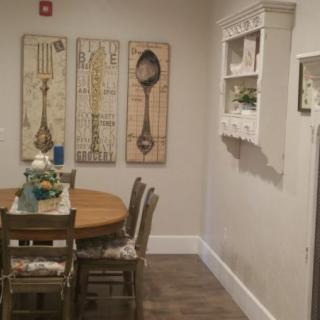
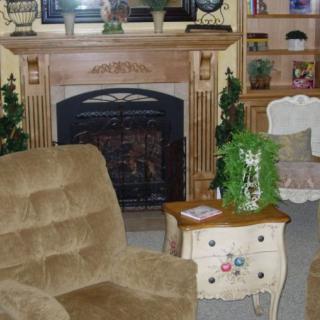
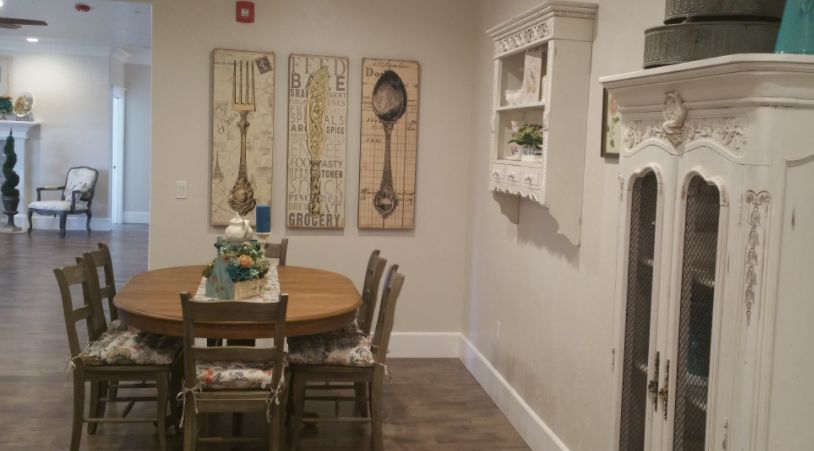
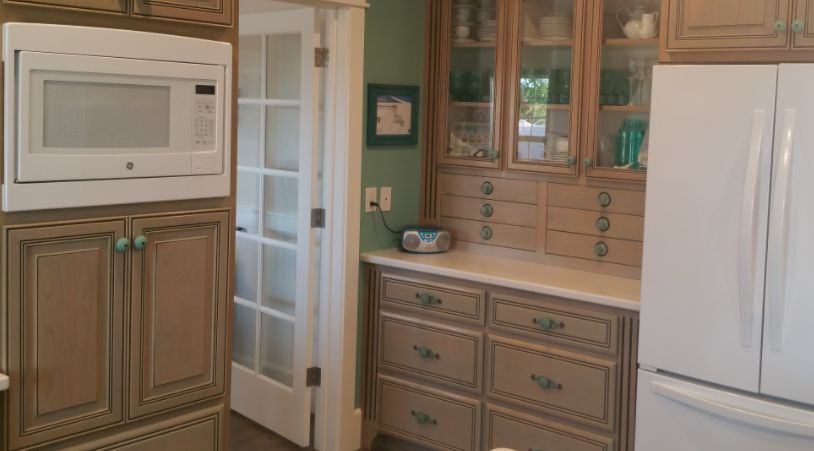
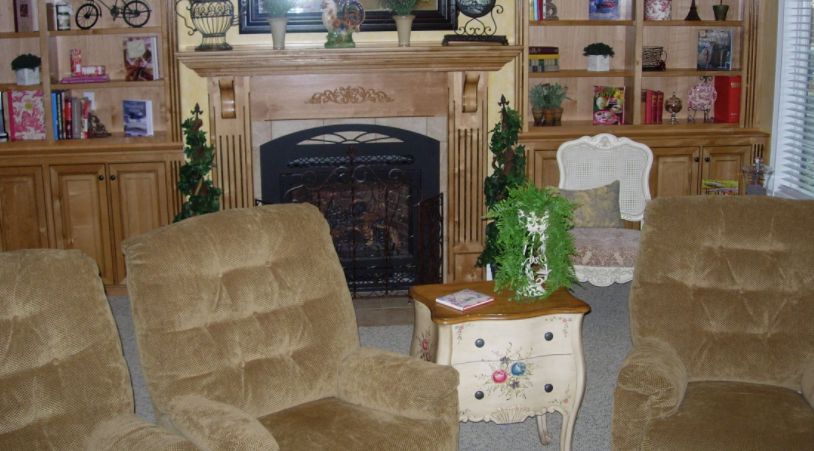
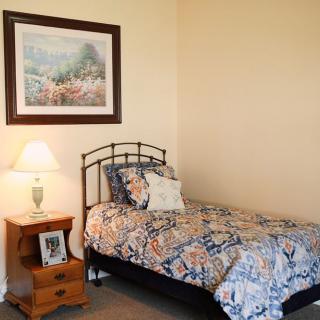
- The facility was very clean, and the rooms were large and well put together.
- The facility is a great place for residents, and the residents seemed happy and healthy.
- The facility is highly recommended for friends and loved ones.
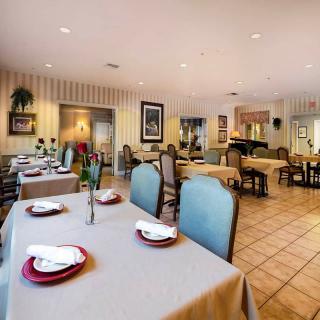
- The food was healthy and prepared with care.
- The activities provided were great for residents.
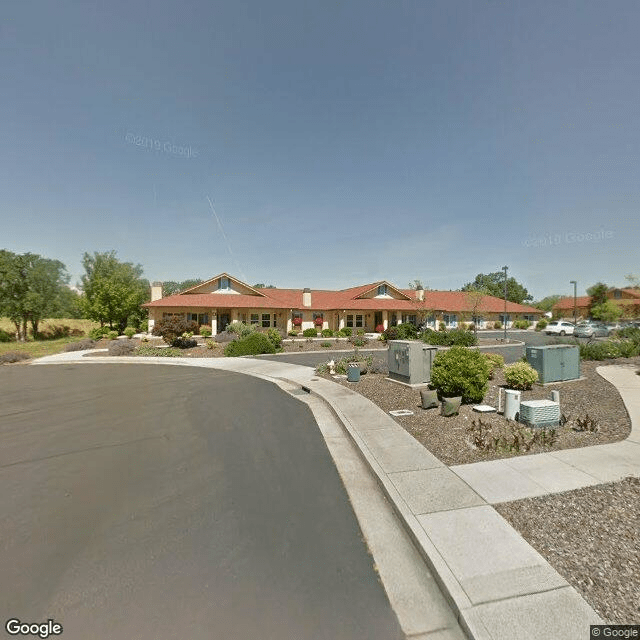
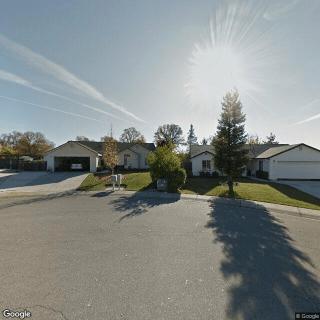
- The grounds were well kept and enjoyable for a little exercise.
- The gardener was courteous to the residents while performing his duties.
Review
Lavender Hills Assisted Living II in Redding is best suited for active seniors who want a clean, welcoming home with dependable staff, comfortable spaces, and a strong daytime social rhythm. The community appears to cater to residents who value generous, well-maintained rooms and a campus that supports easy movement and outdoor enjoyment. Families seeking a bright, orderly environment where daily life centers on engagement, friendly staff, and predictable routines will likely find Lavender Hills II aligns with those priorities. The impression from the observation is of a place where residents look happy, appear healthy, and benefit from a steady cadence of activities and outings that keep people connected.
Those weighing alternatives should consider what level of medical support is necessary and how dementia or memory-support needs would be managed. If a loved one requires extensive on-site clinical oversight, specialized memory care, or a continuum of care that includes frequent skilled-nursing services, a community with explicit memory-care programming or a larger medical team may be a better fit. In addition, families who need very budget-conscious options, or who prioritize advanced rehab services on-site, may want to compare Lavender Hills II against other campuses that publish more detailed care packages or flexible care tiers.
The strongest positives center on core daily life: staff who are described as helpful and courteous, a facility that feels clean and orderly, and rooms that are large and well put together. This combination reduces common stress points for families, such as concerns about safety, privacy, and the overall atmosphere of residence. When staff respond promptly and residents seem content with their surroundings, the risk of isolation or neglect tends to diminish. The review notes that meals are healthy and prepared with care, which matters for sustained energy, satisfaction, and routine nutrition, an often-overlooked piece of the senior-living equation. The social fabric is further strengthened by activities described as great for residents, suggesting meaningful engagement that supports both mental stimulation and physical well-being.
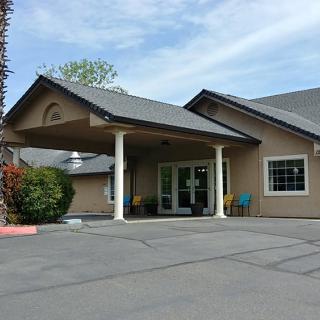
Grounds and outdoor spaces are another meaningful pro: a well-kept environment with room to walk and exercise, and courteous interaction with grounds staff. For many families, accessible outdoor time translates into a tangible quality-of-life improvement, offering light physical activity and opportunities for casual, safe social contact. The combination of well-maintained interiors and thoughtfully cared-for exteriors reinforces a sense of stability and pride in the community, which in turn underpins resident mood and family confidence during visits and longer-term planning.
Still, the lack of explicit notes about certain services leaves questions for prospective residents. No specific memory-care programming, rehab offerings, or transport arrangements are mentioned, and the single-review snapshot does not reveal how staffing scales with occupancy across day and night shifts. In practice, these gaps matter most for families facing progressive needs or mobility challenges. However, the evident strengths, cleanliness, room size, staff demeanor, nutrition, and activity quality, suggest that for many well-functioning seniors without high-acuity care requirements, Lavender Hills II should outperform average expectations and deliver a solid daily living experience.
Ultimately, this community is a practical, reliable choice for families seeking a warm, active environment with strong resident morale and a dependable team. It excels at delivering a pleasant living atmosphere, predictable routines, and social opportunities that can sustain a vibrant senior lifestyle. For those with higher care needs or dementia-specific requirements, alternative options with explicit memory-care pathways and broader medical support should be explored. Conduct a guided visit focused on staff interactions, meal demonstrations, activity calendars, and room sizes; request a clear summary of on-site care services, emergency protocols, and cost structure, and let those findings guide the final decision. Lavender Hills II stands as a solid, no-nonsense option for families prioritizing everyday quality of life.
 25 resident community capacity
 Assisted Living
 Memory Care
 Activities on-site
 Beautician on-site
 Cable or satellite TV
 Devotional services off-site
 Dining room
 Fully furnished
 Garden
 Housekeeping services
 Indoor common areas
 Kitchenette
 Laundry
 Move-in coordination
 Outdoor space
 Party space
 Restaurant-style dining
 Small library
 Telephone
 Wi-Fi/high-speed internet available
 Redding Municipal (8 miles away)
 Transportation & parking
 24-hour call system
 Ambulatory care
 Assistance with bathing
 Assistance with dressing
 Assistance with transfers
 Diabetes diet
 Diabetic care
 Medication management
 Mental wellness program
 Special dietary restrictions
 English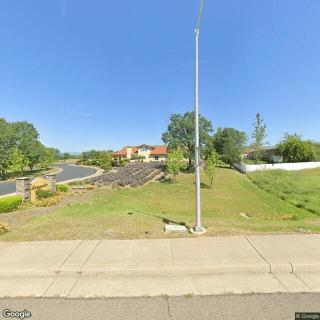

 Comprehending Evening Confusion in Dementia: Causes, Manifestations, and Support
 Delirium and Dementia: Unraveling the Key Differences
 Are Dementia and Alzheimer's Disease Lethal? A Comprehensive Exploration