Sierra Oaks Assisted Living and Memory Care in Redding, CA

Save

  • Interior

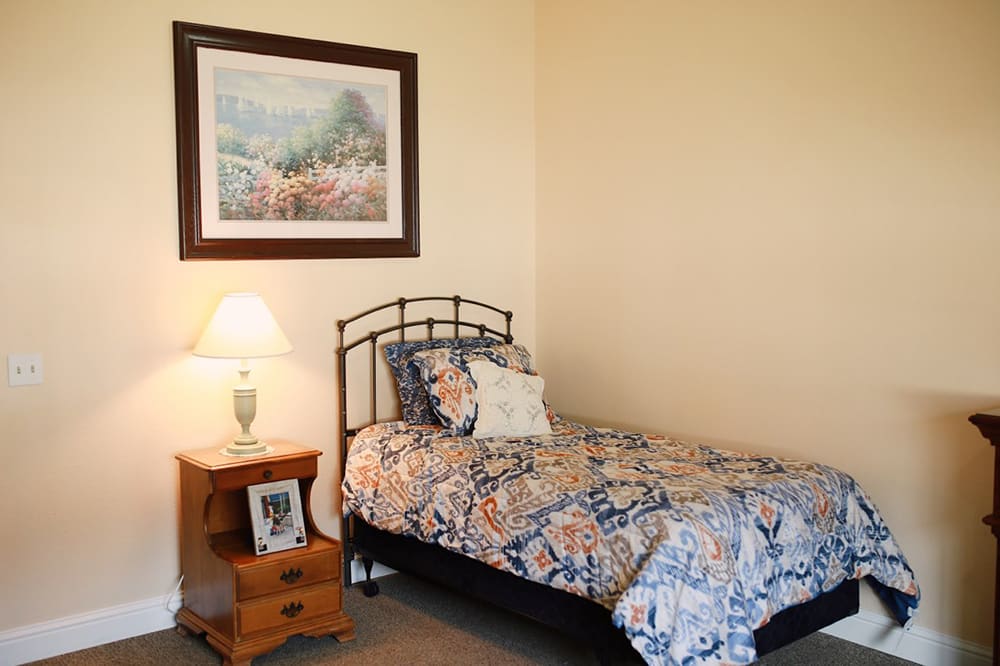
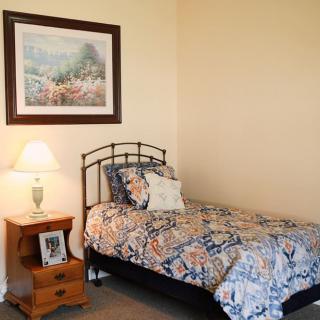
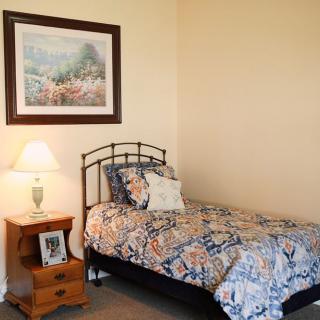
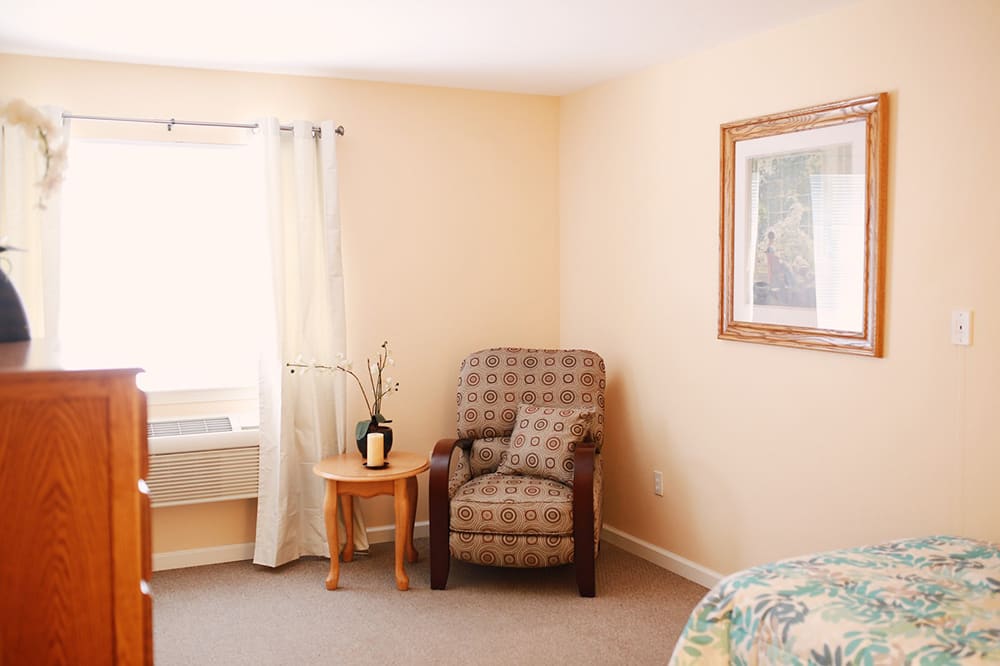
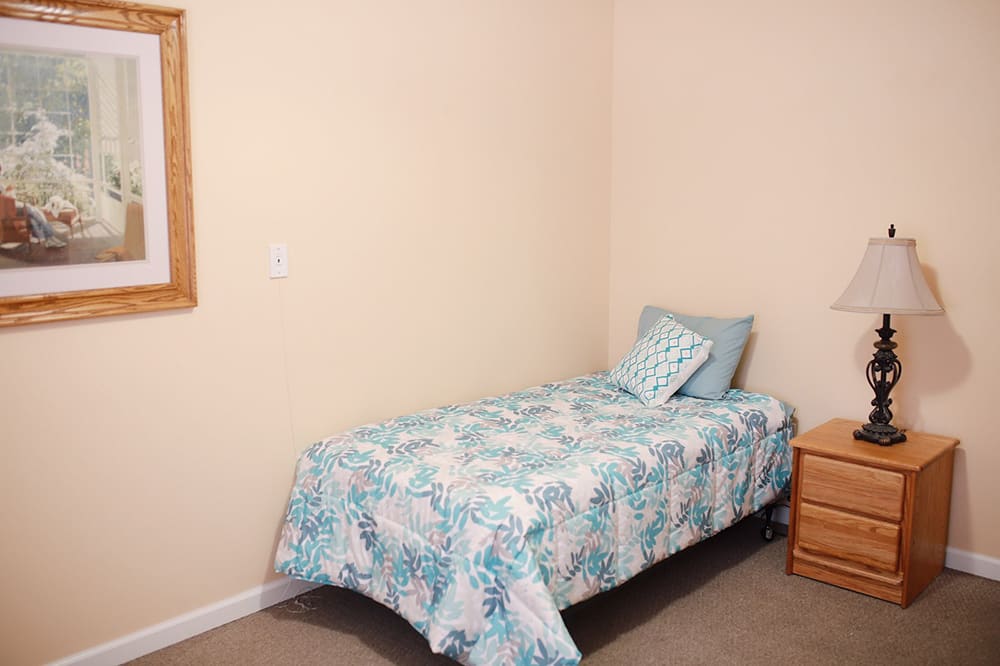
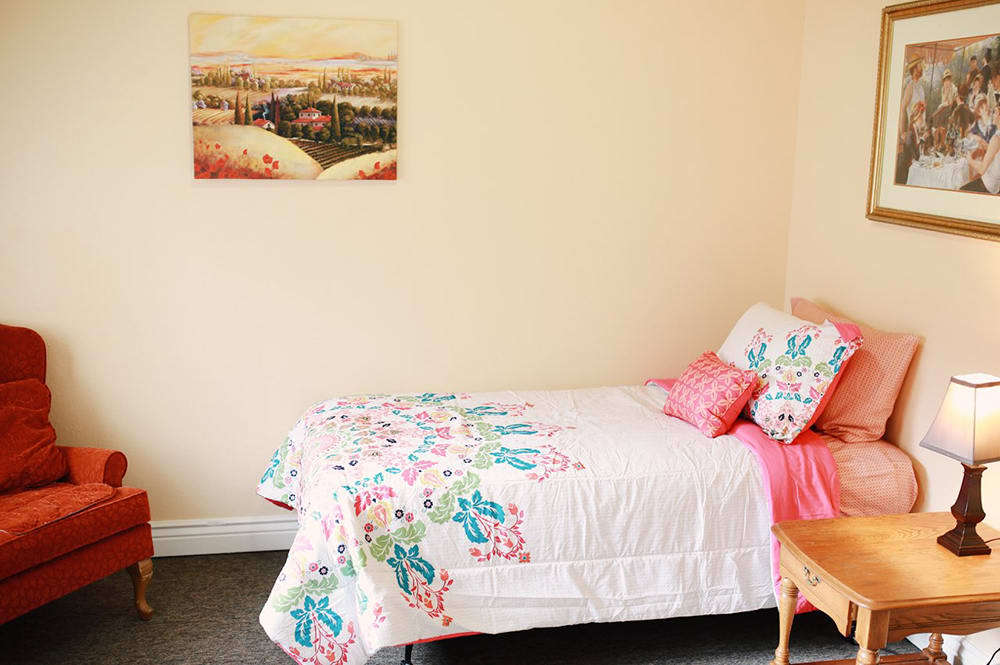
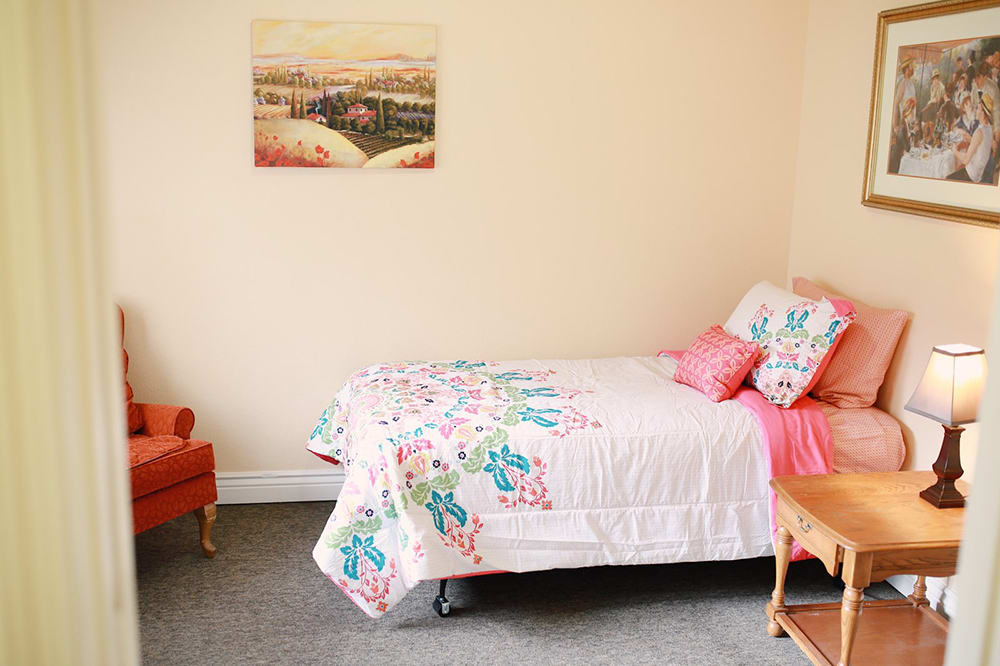
    A cozy bedroom with a single bed covered in a floral comforter, a wooden nightstand holding a lamp and framed photo, and a painting on the wall.
  • Outdoors

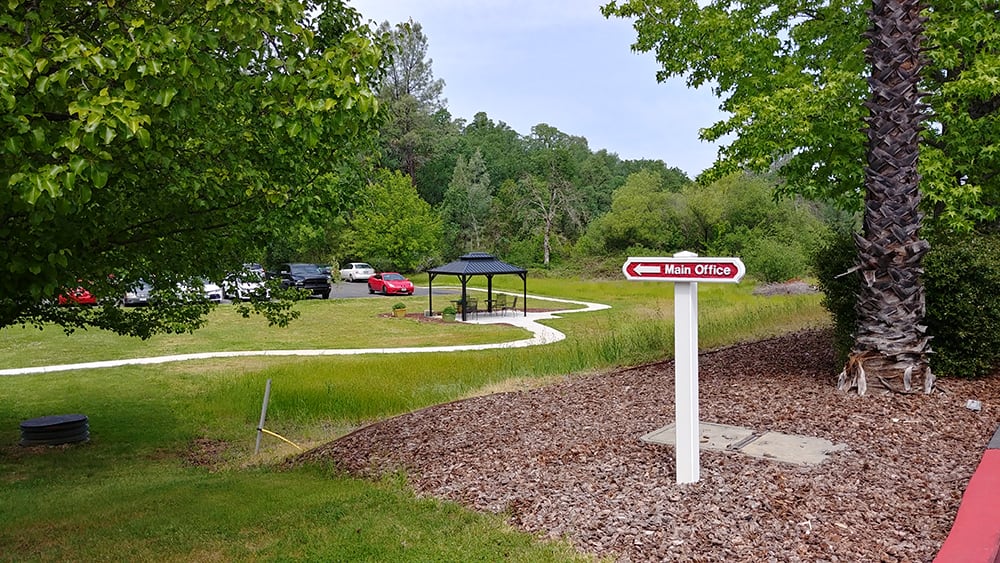
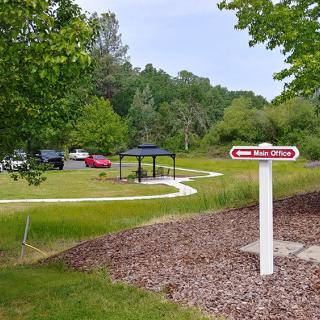
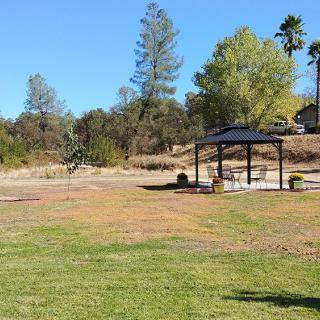
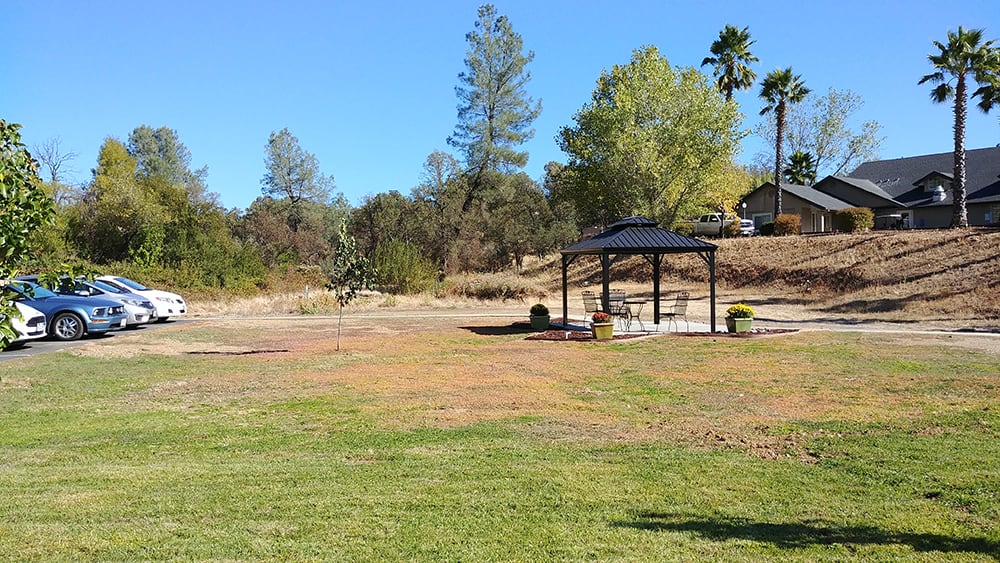
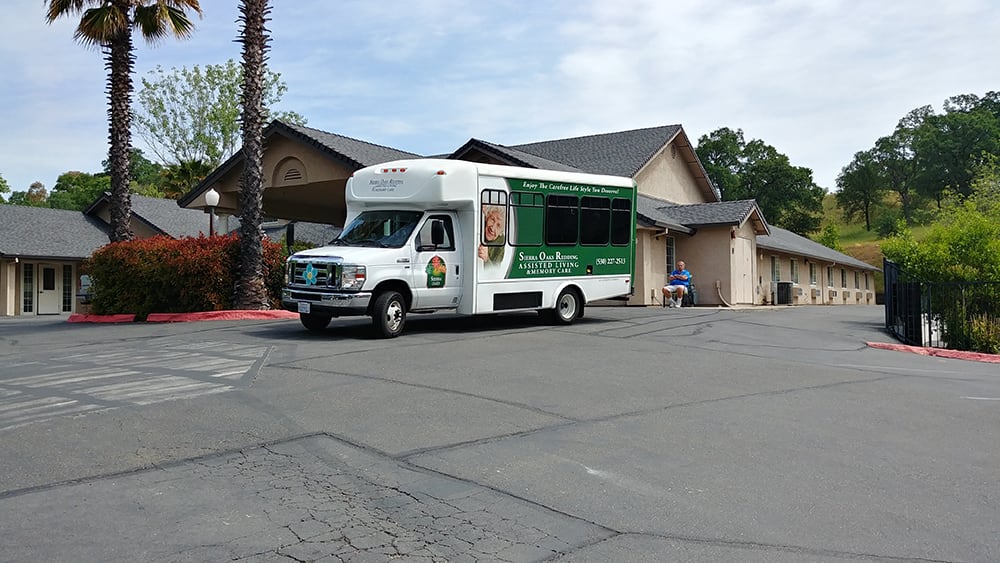
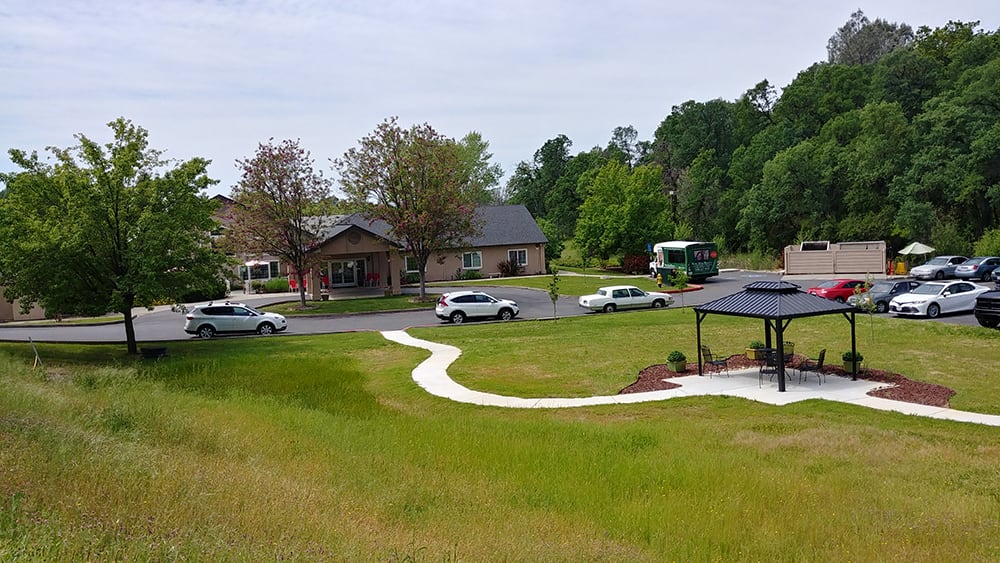
    A scenic rest area with a picnic shelter and parking, surrounded by lush greenery.
  • Decor

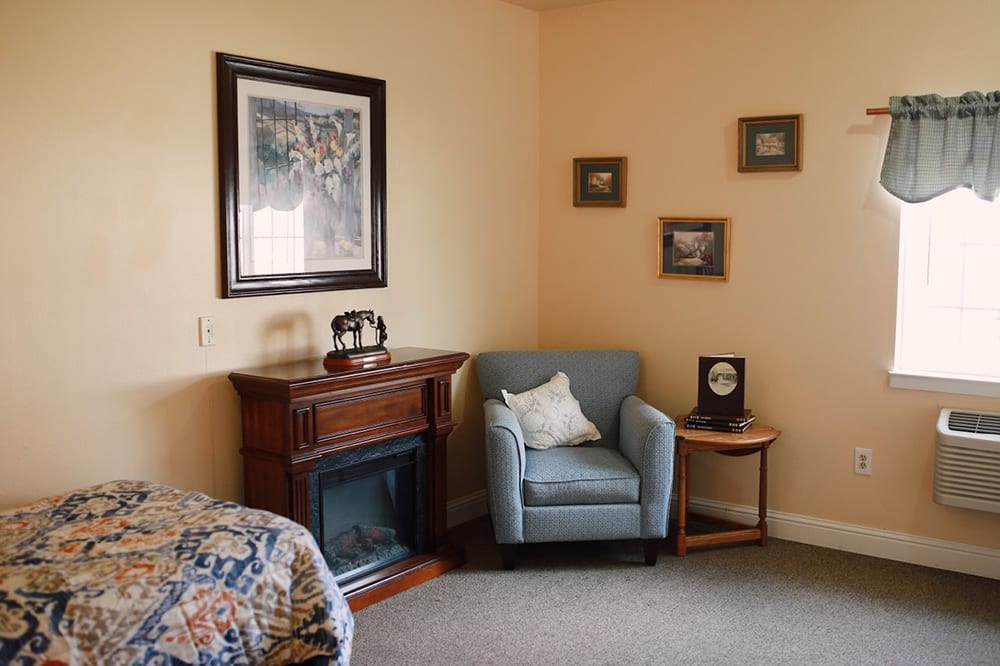
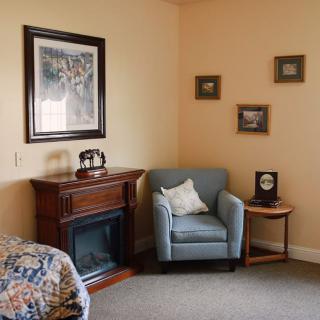
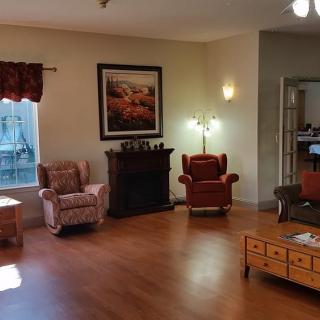
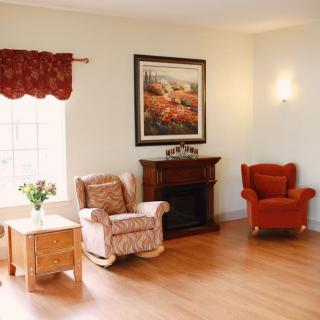
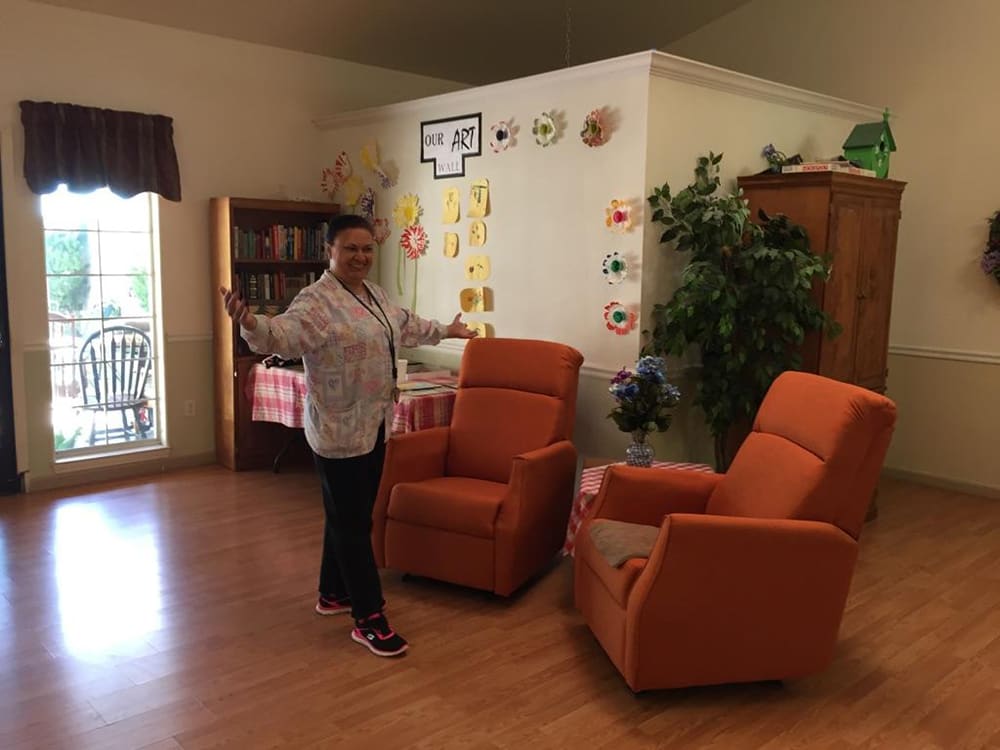
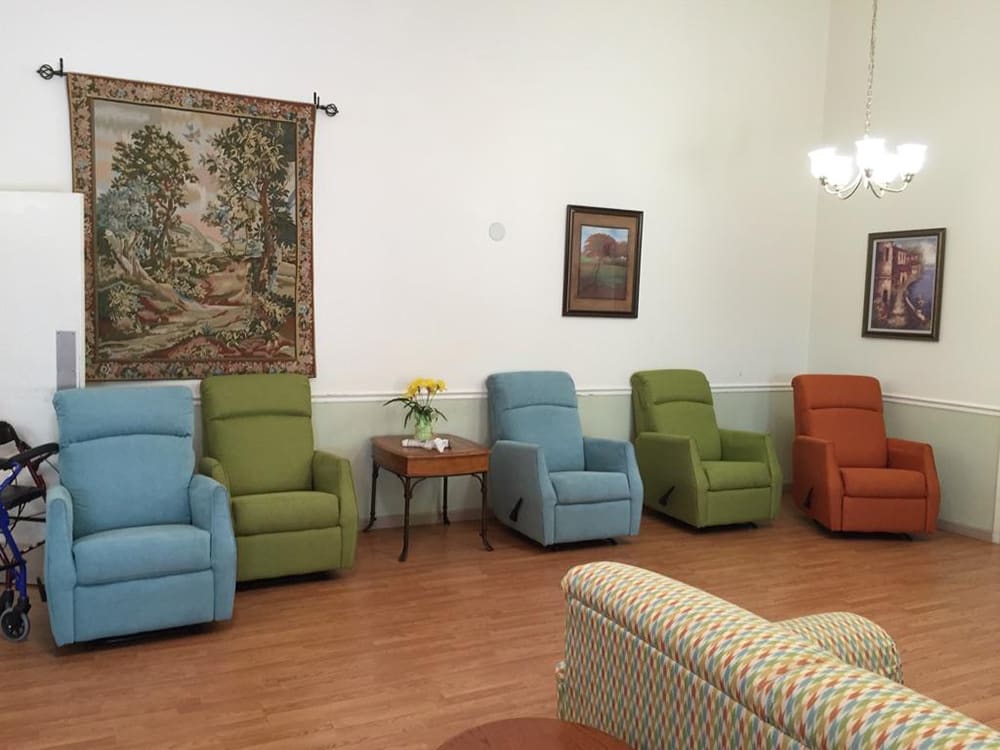
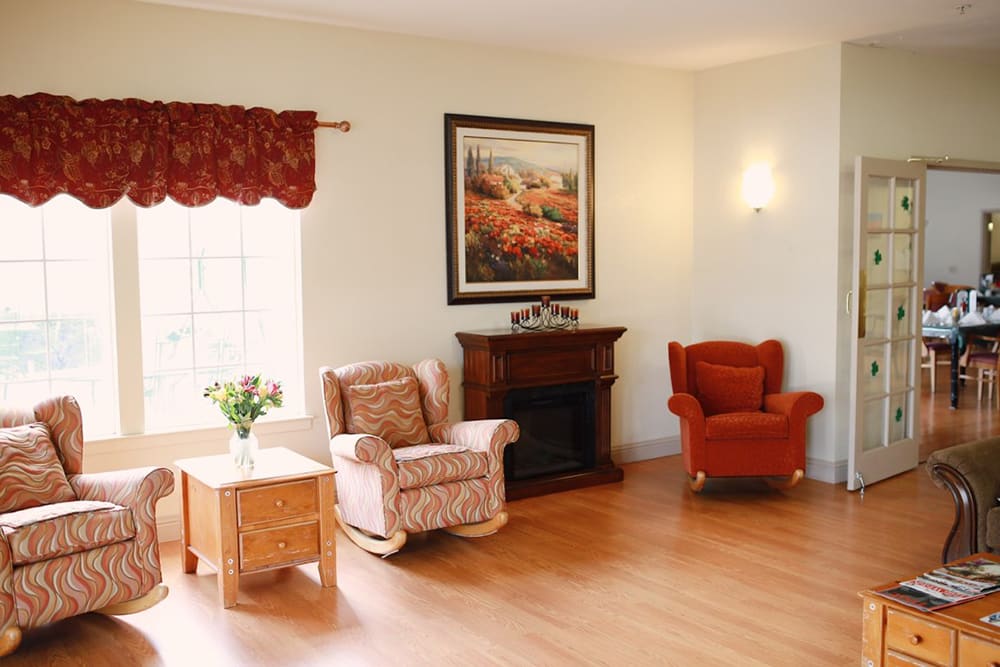
    A cozy living room corner featuring an armchair, fireplace, and decorative wall art.
  • Living Room

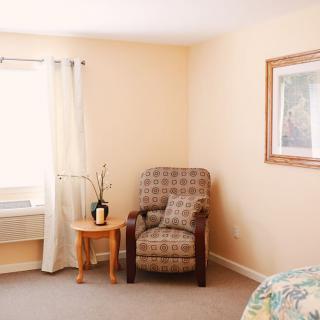
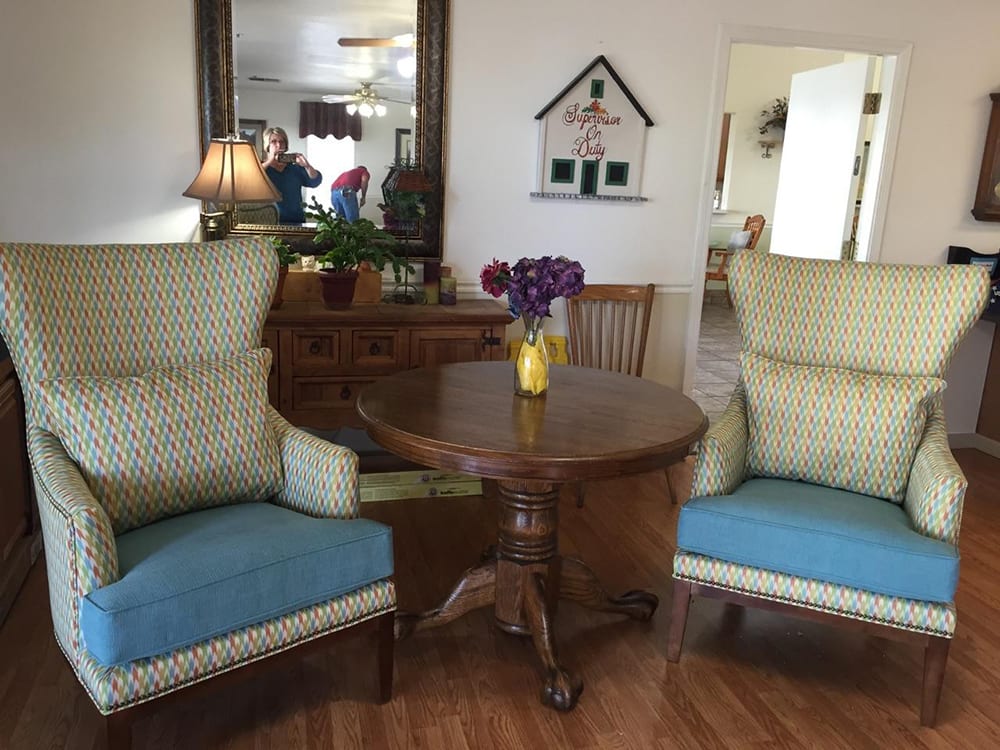
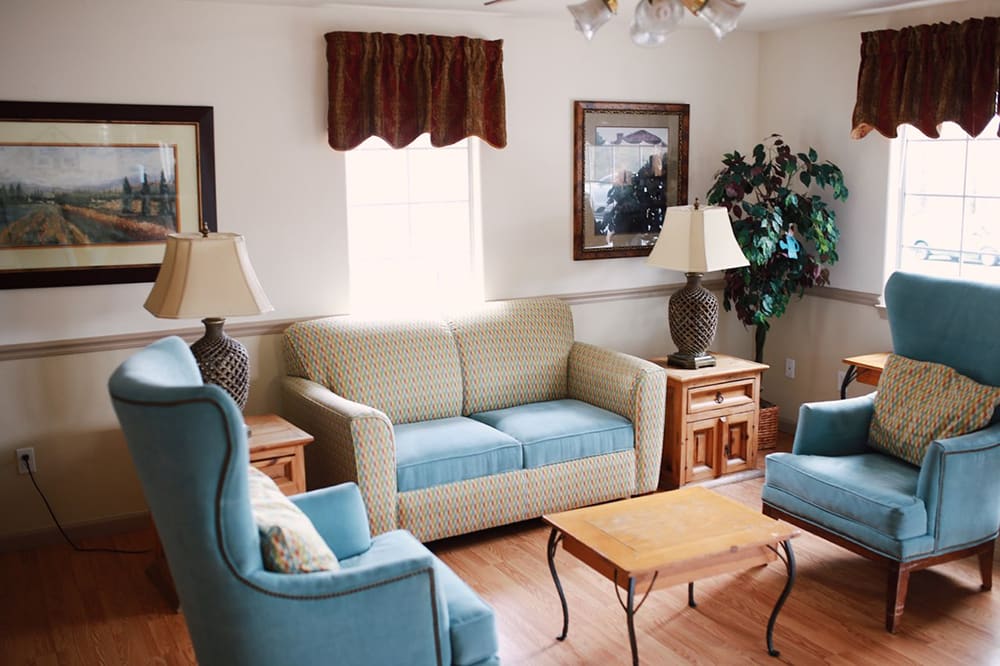
    A cozy living room corner with a patterned chair, small wooden table, and window curtains.
  • Building

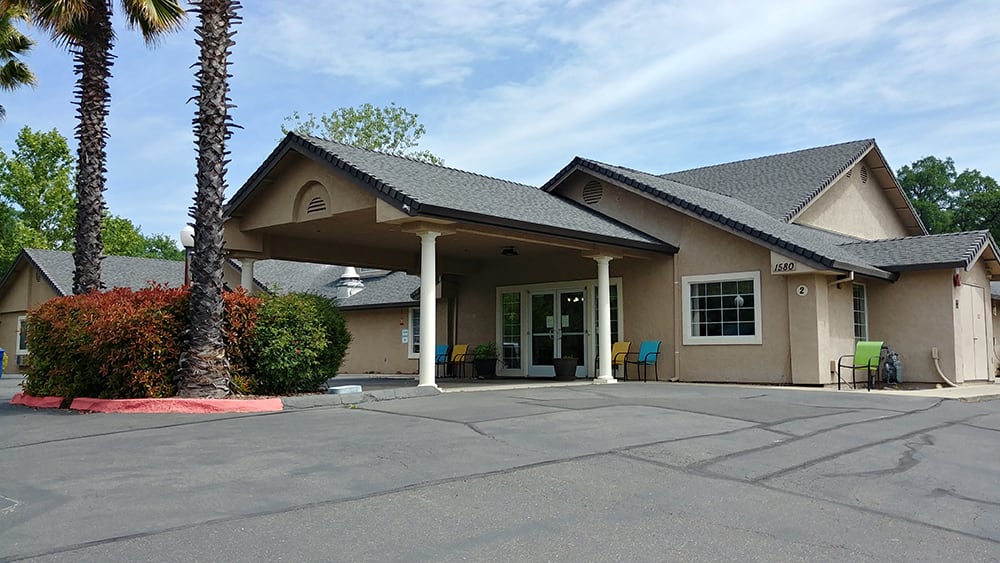
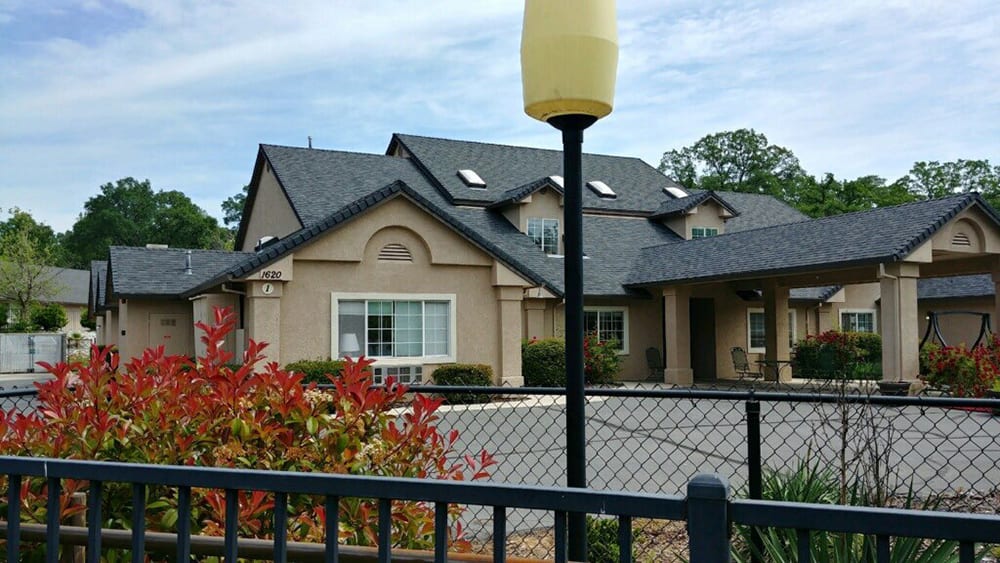
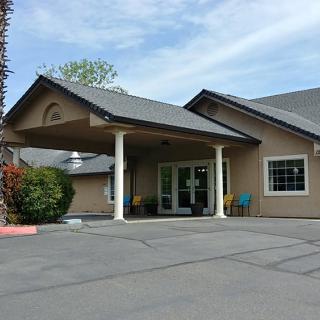
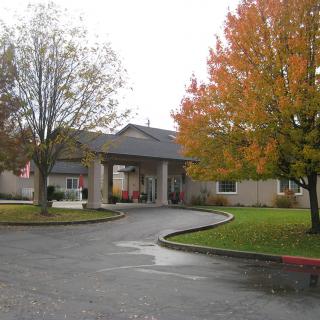
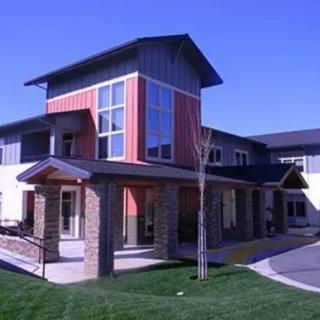
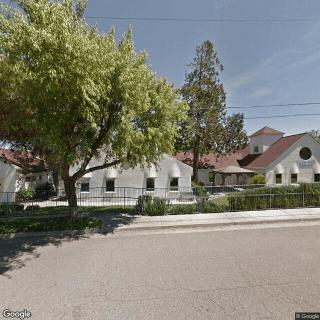
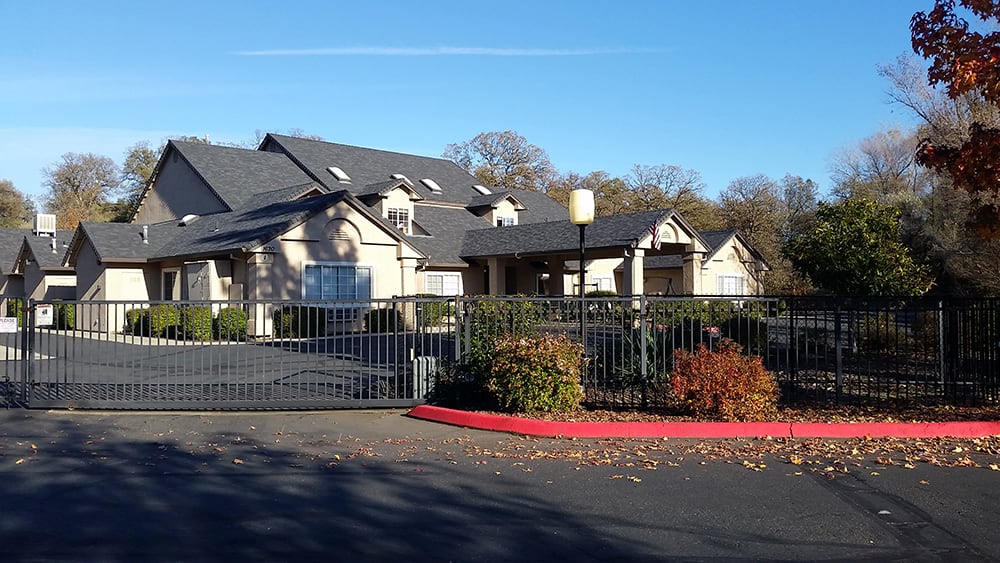
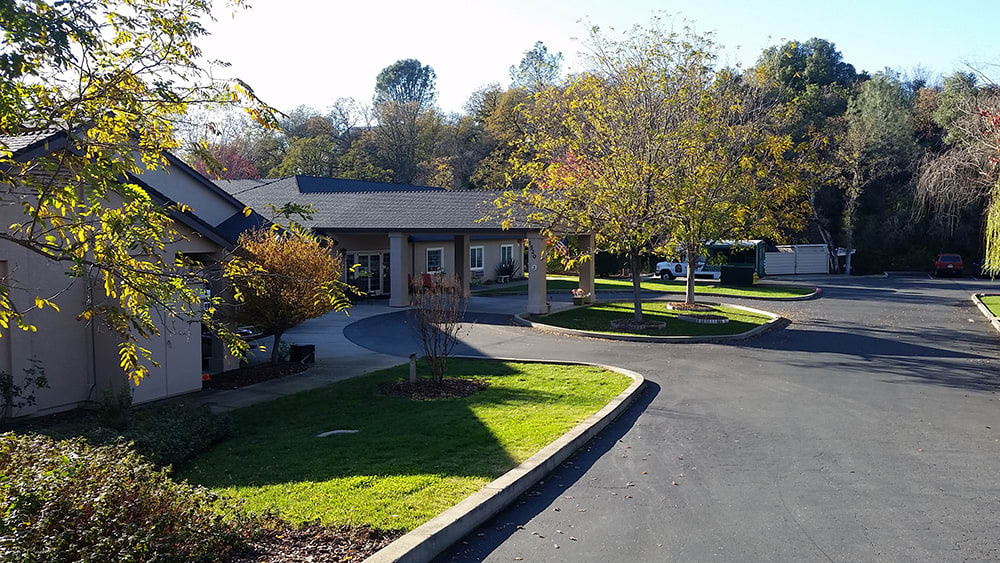
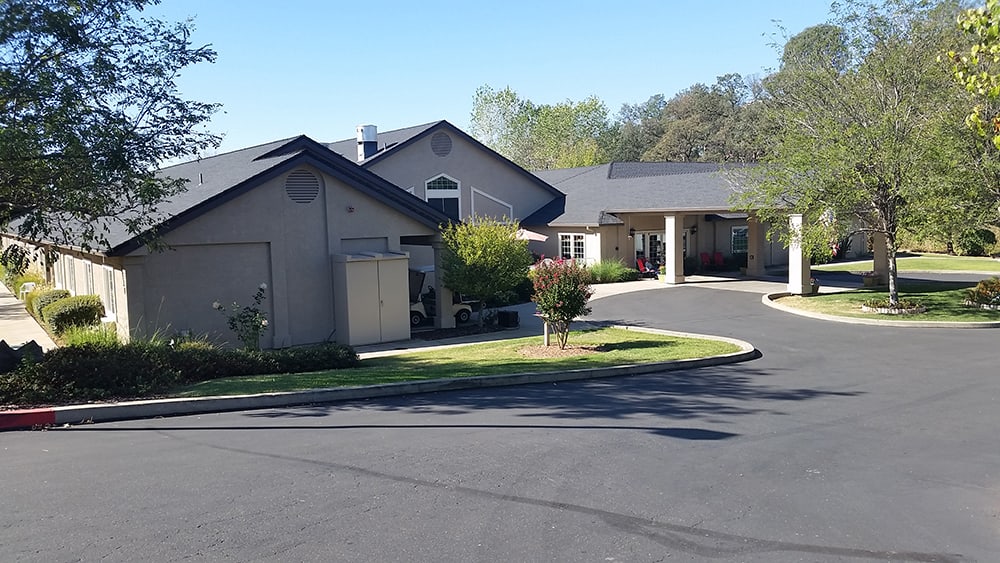
    A view of a single-story building with a covered entrance and surrounding parking area.
  • Architecture

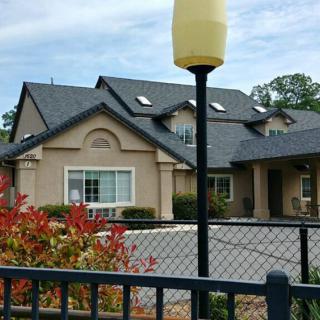
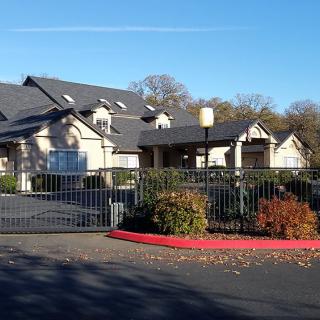
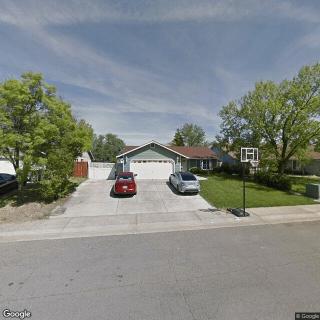
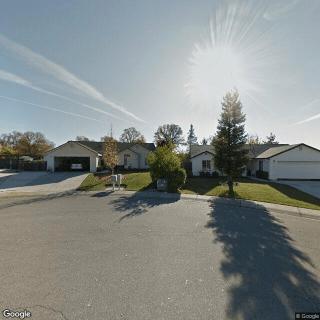
    A suburban house with a fenced yard and landscaped surroundings.
  • Bedroom

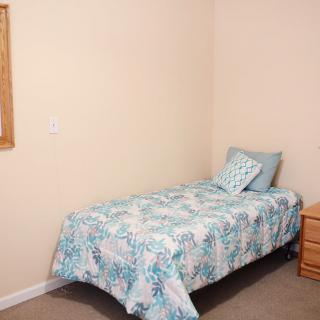
    A simple bedroom with a single bed and nightstand.
  • Trees

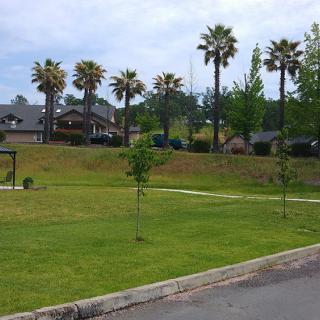
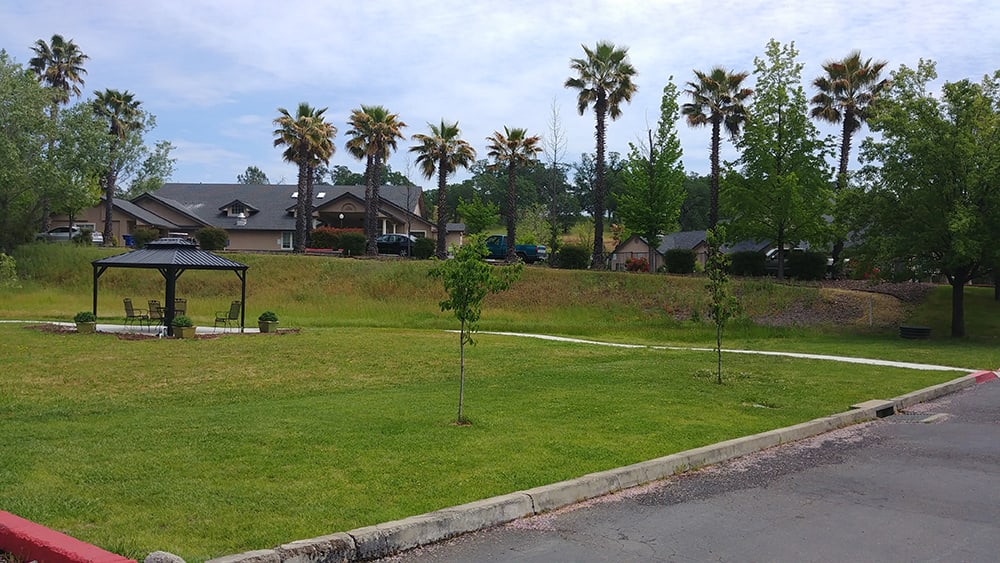
    A residential neighborhood with a grassy park featuring palm trees.
  • Windows

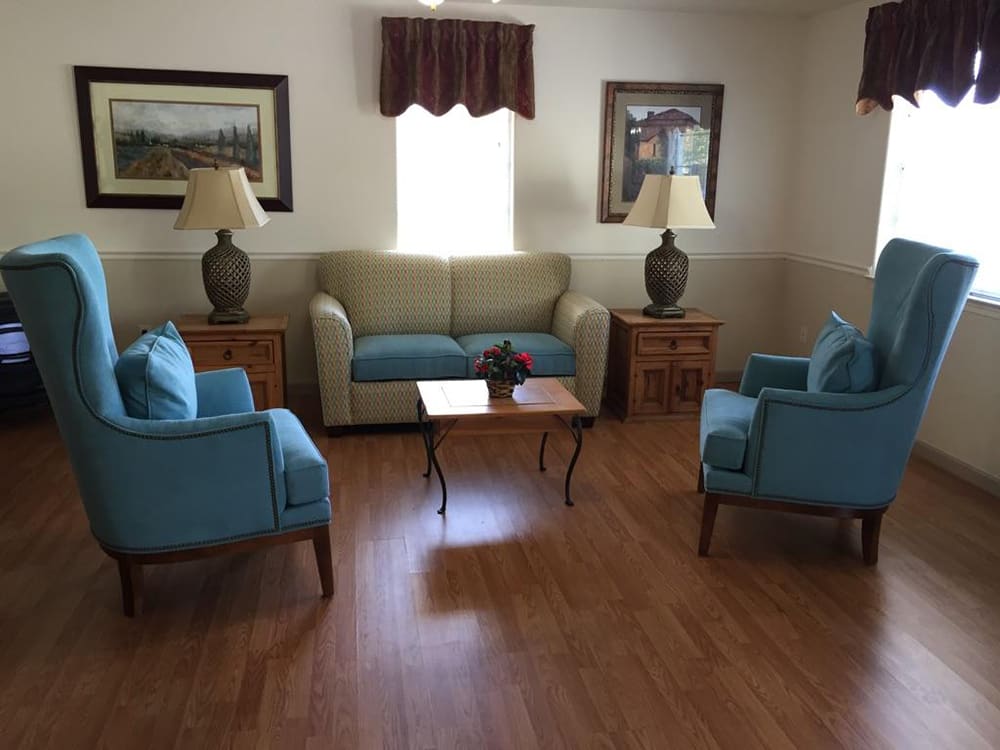
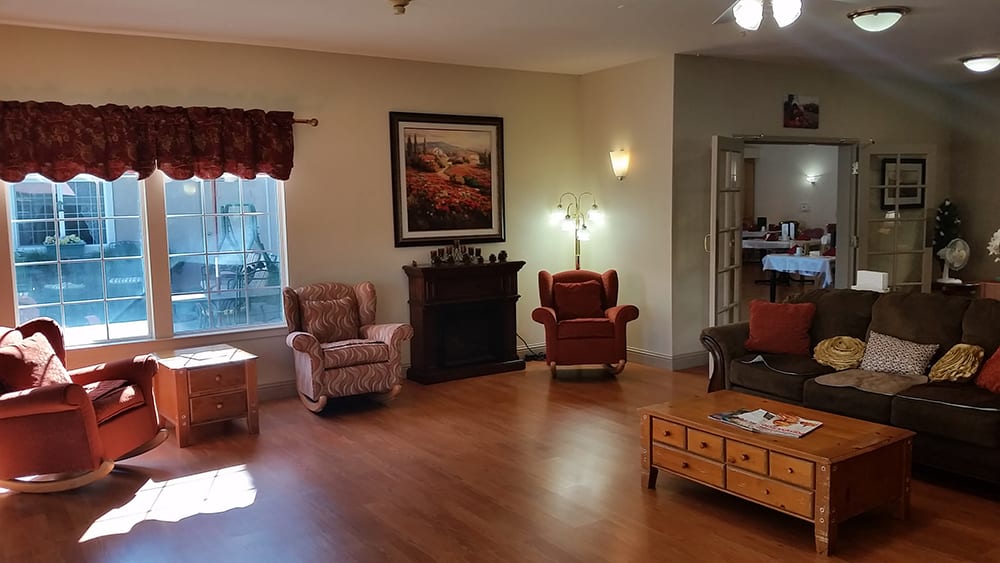
    A cozy living room with armchairs, a fireplace, and wall art.
  • Landscaping

    A large residential building with a fenced entrance and surrounding trees.
  • Entrance

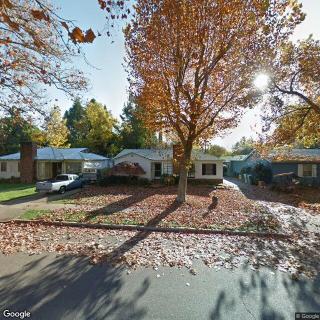
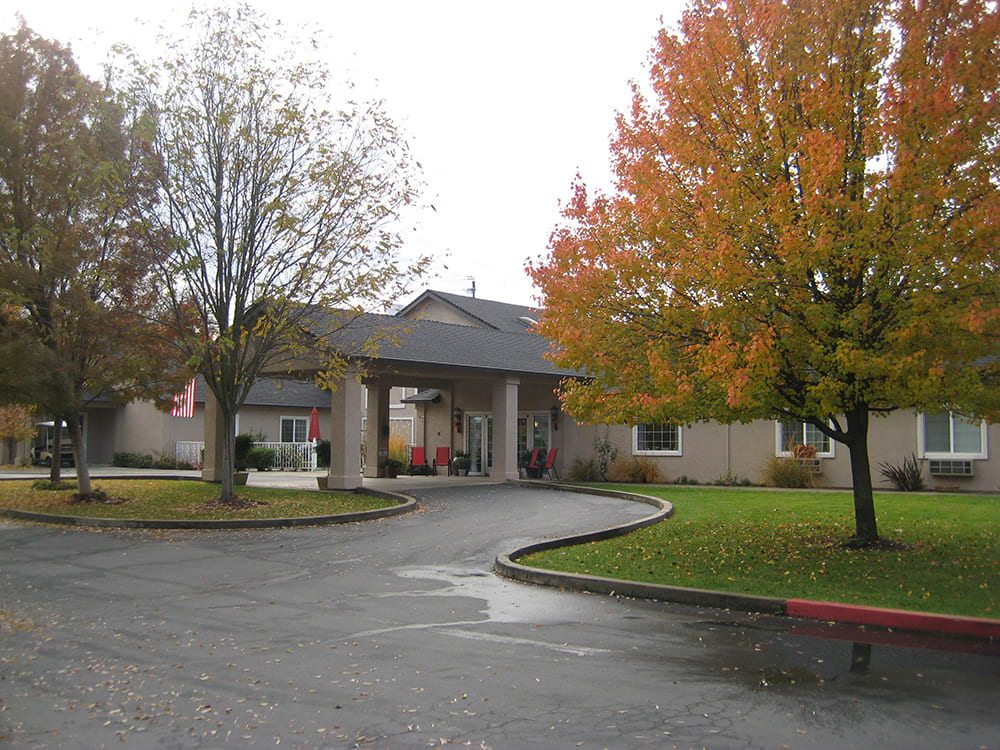
    Entrance to a building surrounded by autumn foliage.
  • Fireplace

    Cozy living room with armchairs and a fireplace, adorned by a painting and natural light streaming through the window.
  • Nature

    A scenic view of a park with a pavilion surrounded by trees and open grassy areas.
  • Palm Trees

    A quiet suburban street lined with palm trees and houses under a clear blue sky.

Sierra Oaks Assisted Living and Memory Care in Redding, CA

1520 Collyer Dr, Redding, CA 96003

For more information about senior living options: (844) 490-3973

4.5 from 48 reviews
5 stars
34
4 stars
8
3 stars
2
2 stars
2
1 stars
2

Assisted Living Memory Care

Sierra Oaks Assisted Living and Memory Care Costs & Pricing

Sierra Oaks Assisted Living and Memory Care offers competitive pricing for its services, with monthly costs that generally fall below both Shasta County and California state averages. For a semi-private room, residents can expect to pay $2,895, which is significantly lower than the county average of $3,611 and the state average of $3,333. Similarly, the studio option at Sierra Oaks is priced at $3,495, again offering a cost-effective alternative compared to the county's average of $4,111 and the state's average of $4,145. This makes Sierra Oaks an appealing choice for families seeking quality care without compromising on affordability in a supportive living environment.

Floor plansSierra Oaks Assisted Living and Memory CareShasta CountyCalifornia
Semi-Private$2,895$3,611$3,333
Studio$3,495$4,111$4,145

Overall Review of Sierra Oaks Assisted Living and Memory Care

Pros

  • pro The facility has been great so far.
  • pro The care provided seems to be very good.
  • pro There are many activities for the residents and transportation has been very helpful.
  • pro The staff and caregivers are very friendly and empathetic.
  • pro The food is good, despite the dining schedule adjustments.
  • pro The building and grounds are clean and well-kept.
  • pro They are very professional and patient.
  • pro Sierra Oaks is highly recommended for memory care.
  • pro Excellent staff, extremely clean, and residents are well taken care of.
  • pro The staff and community are amazing and welcoming.
  • pro The facility feels warm, home-like, and like a family.
  • pro The grounds and outdoor spaces are beautiful and enjoyable.

Cons

  • pro The memory care experience was miserable and the reviewer felt Mom was never properly cared for.
  • pro The staff were overworked and understaffed, leading to tasks being overlooked and overall mismanagement.
  • pro Mom was dressed in dirty, stained clothing, calling into question the quality of care provided.
  • pro After Mom passed, the family had to clean out the room by themselves and were treated badly, with money owed and a runaround.
  • pro The facility was described as dirty in at least one review, with a strong urine smell.
  • pro The dining, transportation, and access to doctors/medications were criticized as terrible or inadequate, and the reviewer would not recommend Sierra Oaks.

Review

Sierra Oaks Assisted Living and Memory Care in Redding is best suited for families seeking an affordable, warm, home-like setting where a parent can receive both assisted living and memory care without stepping into a premium, clinical campus. This community shines for seniors who value attentive, personable care and daily engagement over a more institutional feel. The culture emphasizes a family-style approach: staff who are approachable, routines that foster familiarity, and an environment that often feels like a welcoming neighborhood rather than a hospital corridor. Affordability is a clear advantage, with options to leverage VA benefits and sliding-scale arrangements that keep care within reach. Transportation to appointments is reliable, and the activity calendar routinely offers opportunities for social connection. For families prioritizing dignity, friendliness, and practical value, Sierra Oaks is a strong fit.

On the upside, the pros are substantial and well aligned with real-life needs. Care teams are described as genuinely caring and professional, with memory-care staff especially adept at calming agitation and maintaining composure when tensions rise. Cleanliness and upkeep are consistently noted across the building and grounds, reinforcing a sense of safety and pride. Outdoor spaces - walking paths, serene greens, and a putting green - support mobility and daily activity without feeling confining. Meal service earns favorable remarks for taste and variety, and a long-tenured kitchen staff signals stability. The campus also delivers practical, family-friendly features: clear move-in terms, proactive communication, and the ability to customize care through flexible scheduling and transportation support. Taken together, these strengths foster continuity of care and peace of mind.

However, the community is not without meaningful drawbacks. A particularly stark, albeit isolated, family account describes a year-and-a-half in memory care marked by neglect and poor handling of basic needs, followed by billing disputes after a resident's passing. That experience underscores the potential consequences when staffing pressure and communication gaps collide, even in a facility that otherwise many families praise. Several reviews corroborate concerns about overwork and understaffing, which can translate into overlooked tasks or slower responses. Room configurations skew toward smaller private spaces with some shared showers, limiting privacy and convenience for residents who preferred en-suite facilities. Administrative friction shows up in slow paperwork processing and inconsistent responsiveness from office staff, with at least one account noting challenges around doctor access and medication handling. These factors matter and deserve close scrutiny during tours and conversations with leadership.

Those drawbacks do not erase the undeniable positives; they simply shift how the value proposition should be weighed. The affordability and all-inclusive pricing, combined with options for government benefits and move-in flexibility, deliver real financial relief compared with higher-end options. The robust activity lineup and social environment help residents stay engaged and connected, mitigating the impact of smaller personal spaces. The secure, gated setting supports independent exploration while preserving safety, a crucial balance for memory-care residents who still crave autonomy. Importantly, the campus model - where memory care operates on-site and staff are trained to calm distress - often yields steadier daily rhythms for residents and clearer guidance for families, even when occasional staff bottlenecks occur.

For families weighing alternatives, the decision hinges on two practical questions. If private rooms and private bathrooms are non-negotiable, or if a higher, more consistent physician presence on-site is essential, other facilities may be better suited to those expectations. If, instead, the priority is a warm, value-forward environment with strong staff engagement, reliable transportation, and a spacious social calendar, Sierra Oaks represents a prudent choice. Prospective residents should push for specifics on room layouts, memory-care floor plans, and the current staffing model; request a candid discussion about incident handling, medical access, and billing processes; and observe the campus during times of activity to verify the lived experience aligns with promised care. In the right lens, Sierra Oaks delivers a compelling mix of care quality, community, and cost.

Overall, Sierra Oaks stands as a practical, family-friendly option in the Shasta region, delivering solid assisted living and memory care at a sensible price with a clear emphasis on warmth, cleanliness, and daily engagement. For many families, the strongest signals are the engaged staff, the home-like atmosphere, and the ability to maintain affordability while accessing memory-care support. The downsides - smaller rooms, occasional staffing pressures, and administrative hiccups - are real but manageable with proactive inquiries and careful choice of unit and care plan. This community is particularly well-matched for those who want a welcoming, less institutional feel without sacrificing essential services or affordability. Prospective families should schedule a tour, interrogate room configurations and crisis-management processes, and verify current staffing ratios to ensure the arrangement aligns with expectations. Sierra Oaks deserves careful consideration for those balancing cost, compassion, and daily quality of life.

Features

Types of Care

  • Assisted Living Assisted LivingAssisted living facilities provide crucial support and care for seniors who may need help with daily tasks such as medication management, bathing, and meal preparation. These communities offer a safe and comfortable environment where seniors can maintain their independence while receiving the assistance they need to thrive in their golden years.
  • Memory Care Memory CareMemory care is crucial for seniors as it provides specialized support and services for individuals with dementia or Alzheimer's disease. These programs offer a safe and secure environment where residents receive personalized care, cognitive stimulation, and help with daily activities. Memory care helps seniors maintain their independence, quality of life, and dignity while also providing peace of mind for their families.

Pets

  • Cats allowed Cats allowed"Pet friendly" senior living communities are important for seniors because pets provide companionship, reduce feelings of loneliness and depression, promote physical activity and mental stimulation, and offer a sense of purpose and responsibility. Pets can improve overall well-being and quality of life for seniors in many ways.
  • Dogs allowed Dogs allowed"Pet friendly" senior living communities are important for seniors because pets provide companionship, reduce feelings of loneliness and depression, promote physical activity and mental stimulation, and offer a sense of purpose and responsibility. Pets can improve overall well-being and quality of life for seniors in many ways.

Amenities

  • Activities on-site Activities on-siteActivities on-site are important for seniors because they provide opportunities for socialization, mental stimulation, physical activity, and overall well-being. Engaging in activities can help seniors stay active, maintain their independence, and improve their quality of life.
  • Air-conditioning Air-conditioningAir conditioning is important for seniors as they are more vulnerable to heat-related illnesses and may have underlying health conditions that make it difficult for them to regulate their body temperature. It helps to keep them comfortable, safe, and healthy in hot weather.
  • Beautician on-site Beautician on-siteHaving a beautician on-site at a senior living community is important for seniors as it allows them to easily access grooming and personal care services, boosting their self-esteem and overall well-being. It also provides convenience and helps seniors maintain their sense of independence and personal style.
  • Cable or satellite TV Cable or satellite TVCable or satellite TV is important for seniors because it provides entertainment, news, and companionship, helping to combat loneliness and boredom. It also offers a wide range of programming options tailored to different interests and preferences.
  • Devotional services off-site Devotional services off-siteDevotional services off-site are important for seniors as they provide spiritual nourishment, social engagement, and a sense of community outside of the senior living facility. This can enhance overall well-being and help combat feelings of isolation and loneliness often experienced by older adults.
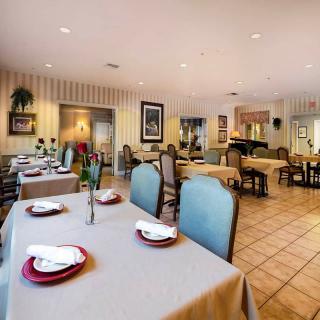
  • Dining room Dining roomDining rooms are important for seniors as they provide a space for socialization, connection, and nutritious meals. They offer opportunities for residents to bond over shared meals, foster a sense of community, and promote healthy eating habits. Dining rooms also ensure that seniors have access to well-balanced meals tailored to their dietary needs and preferences.
  • Garden GardenGardens are important for seniors as they provide a peaceful and therapeutic environment for relaxation, physical activity, and socialization. Being in nature has been shown to reduce stress, improve mood, and promote overall well-being. Gardens also offer opportunities for seniors to engage in gardening activities, which can improve mobility, flexibility, and cognitive function. Additionally, gardens create a sense of community and connection with others who share a passion for plants and outdoor spaces.
  • Golf GolfGolf is important for seniors as it promotes physical activity, socialization, and mental stimulation. It helps maintain mobility, coordination, and balance while providing a fun and engaging way to stay active and connected with others.
  • Ground floor units Ground floor unitsGround floor units are important for seniors because they provide easy accessibility, reduced risk of falls and injuries, and convenience for those with mobility issues. Seniors can avoid climbing stairs or using elevators, making daily tasks and activities more manageable and enjoyable.
  • Guasts at mealtime Guasts at mealtime"Guests at mealtime" offer seniors the opportunity for social interaction, companionship, and a sense of community during meals, which can help combat feelings of loneliness and isolation commonly experienced in senior living environments. It can also enhance their overall dining experience and improve their mental and emotional well-being.
  • Guest parking Guest parkingGuest parking is important for seniors because it allows their friends and family members to visit them easily and safely. Having convenient parking options can help combat feelings of isolation and loneliness, promote regular social interaction, and improve overall mental and emotional well-being for seniors in senior living communities.
  • Handicap accessible Handicap accessible"Handicap accessible" amenities are crucial for seniors to ensure they can easily navigate and access facilities, services, and activities without barriers or limitations due to physical impairments. This promotes independence, safety, and inclusivity for seniors in senior living communities.
  • Hiking trails Hiking trailsHiking trails are important for seniors as they provide opportunities for exercise, socialization, and connecting with nature. This physical activity can help improve overall health and well-being, while also promoting mental clarity and reducing stress. Additionally, hiking can be a fun and enjoyable way for seniors to stay active and engaged in their community.
  • Housekeeping services Housekeeping servicesHousekeeping services are important for seniors because they help maintain a clean and safe living environment, promote independence, and reduce the risk of accidents or illnesses. Additionally, having assistance with household chores can alleviate physical strain and allow seniors to focus on other aspects of their well-being.
  • Indoor common areas Indoor common areasIndoor common areas are crucial for seniors as they provide a space for socialization, recreation, and community engagement, promoting overall well-being and reducing feelings of isolation and loneliness.
  • Laundry LaundryLaundry services are important for seniors as they may have difficulty with physical tasks such as bending, lifting, or carrying heavy loads. Having access to laundry services can help seniors maintain personal hygiene, cleanliness, and independence in their daily lives.
  • Party space Party spaceHaving access to party space is important for seniors as it provides opportunities for socialization, connection, and enjoyment. These spaces allow seniors to celebrate special occasions, host gatherings with friends and family, and participate in community events, enhancing their overall well-being and quality of life.
  • Resident parking Resident parkingResident parking is crucial for seniors in a senior living community as it provides convenience, accessibility, and safety for residents who may have limited mobility or rely on personal vehicles for transportation. Having designated parking spaces ensures that seniors can easily access their homes without having to walk long distances or navigate crowded parking lots, ultimately enhancing their overall quality of life and sense of independence.
  • Respite or short term stays offered Respite or short term stays offeredRespite or short term stays provide seniors with a temporary solution when their regular caregiver is unavailable, offering them the opportunity to receive additional care and support during times of need, while also giving caregivers a chance to rest and recharge.
  • Security gate Security gateSecurity gates provide an added layer of protection and peace of mind for seniors living in a community. They help prevent unauthorized entry, deter potential intruders, and create a sense of security for residents. This extra security measure can make seniors feel safe and secure in their living environment.
  • TV room TV roomTV rooms are important for seniors in senior living communities because they provide a space for social interaction, entertainment, and relaxation. Watching TV can help reduce feelings of loneliness and boredom, and create a sense of community among residents. Additionally, TV rooms offer a break from daily routines and can be a source of comfort and familiarity for seniors.
  • Wheelchair accessible showers Wheelchair accessible showersWheelchair accessible showers are crucial for seniors as they provide a safe and independent bathing option for those with mobility challenges. These showers help prevent falls and allow seniors to maintain their dignity and autonomy while ensuring they can bathe comfortably.
  • Wi-Fi/high-speed internet available Wi-Fi/high-speed internet availableWi-Fi/high-speed internet is important for seniors to stay connected with loved ones, access online resources, and participate in virtual activities to combat feelings of loneliness and isolation. It also allows them to easily manage healthcare needs, access entertainment, and engage in lifelong learning opportunities.

Transportation

  • Redding Municipal (8 miles away) Redding Municipal (8 miles away)
  • Transportation & parking Transportation & parkingTransportation and parking are vital for seniors as they offer access to essential services, activities, and social interactions. Reliable transportation options can help seniors maintain independence, stay connected within their community, and enjoy a higher quality of life. Additionally, convenient parking facilities ensure that seniors can easily access necessary resources and amenities without added stress or difficulty.

Care Services

  • Ambulatory care Ambulatory care"Ambulatory care services provide essential medical support and treatment to seniors without requiring hospitalization, allowing them to maintain their independence and quality of life while managing chronic conditions or receiving routine medical care."
  • Diabetic care Diabetic careDiabetic care is crucial for seniors as they are more susceptible to developing diabetes due to aging and other health conditions. Proper management of diabetes can help prevent complications such as heart disease, vision loss, and nerve damage, improving the overall quality of life for seniors in senior living communities.
  • Hospice care Hospice careHospice care is important for seniors as it provides specialized end-of-life support, pain management, and emotional comfort for both the senior and their loved ones. It allows seniors to maintain dignity, receive personalized care, and spend their remaining time in a peaceful and comfortable environment.
  • Incontinence care Incontinence careIncontinence care is essential for seniors to maintain their dignity, hygiene, and overall quality of life. By addressing incontinence issues promptly and effectively, seniors can enjoy a sense of independence and comfort in their daily activities.
  • Medication management Medication managementMedication management is crucial for seniors to ensure they are taking the right medications at the correct dosages and times. This helps prevent adverse drug interactions, reduces the risk of medication errors, and promotes overall health and well-being. Proactive management also allows for adjustments as needed based on changing health conditions or new prescriptions.
  • Personal care assistants Personal care assistantsPersonal care assistants are essential for seniors as they provide assistance with daily tasks, such as dressing, bathing, and medication management. They offer crucial support and companionship to help seniors maintain independence and quality of life in their own homes or in senior living communities.

Dining

  • Gluten-free Gluten-freeGluten-free options are important for seniors as they are more prone to digestive issues and dietary sensitivities. Offering gluten-free meal choices in senior living communities can help improve their overall health and well-being.
  • Guest meals Guest mealsGuest meals are important for seniors living in senior living communities because they provide an opportunity for socialization and companionship. Sharing a meal with friends, family, or new acquaintances can help combat feelings of loneliness and isolation, promote a sense of community, and enhance overall well-being. Additionally, guest meals allow seniors to enjoy delicious food in a comfortable setting without the hassle of cooking or cleaning up, making dining a pleasurable and stress-free experience.
  • International cuisine International cuisineInternational cuisine is important for seniors because it offers a variety of flavors, ingredients, and cultural experiences that can help keep their meals interesting and enjoyable. Trying new dishes can also stimulate the senses and provide different nutrients that contribute to overall health and well-being. Additionally, exploring international cuisine can bring back fond memories of travels or childhood experiences, making mealtime more nostalgic and fulfilling for seniors.
  • Kosher KosherKosher options are important for seniors because they adhere to dietary laws that are significant to many Jewish individuals, providing them with peace of mind and an opportunity to maintain their cultural traditions and beliefs while living in a senior living community.
  • Low / no sodium Low / no sodiumLow/no sodium options are important for seniors because excessive sodium intake can lead to high blood pressure, heart disease, and other health issues commonly experienced by older adults. By choosing low/no sodium foods, seniors can better manage their health and reduce their risk of developing these conditions.
  • Meals provided Meals provided"Meals provided" are crucial for seniors in assisted living communities as it ensures they have access to nutritious, balanced meals without the stress of meal planning and preparation. This can help promote overall health and well-being for seniors who may have limited mobility or cognitive abilities.
  • No Sugar No SugarNo sugar diets are important for seniors because they can help prevent or manage chronic conditions such as diabetes, heart disease, and obesity. Sugar can also contribute to cognitive decline and inflammation in the body, so reducing sugar intake can lead to overall improved health and well-being in older adults.
  • Organic OrganicOrganic foods are important for seniors because they contain fewer chemicals and pesticides, which can be harmful to aging bodies. Additionally, organic foods often have higher nutrient levels, making them a healthier choice for maintaining overall well-being in older adults.
  • Professional chef Professional chefProfessional chefs are important for seniors living in senior living communities because they provide nutritious and delicious meals that cater to their dietary needs and preferences. A professional chef can ensure that seniors are receiving balanced, flavorful meals that support their overall health and well-being.
  • Restaurant style dining Restaurant style diningRestaurant style dining is important for seniors as it offers them a social and enjoyable dining experience, promotes healthy eating habits, and provides personalized menu options to cater to their dietary needs and preferences. This type of dining setting can enhance their overall quality of life and create a sense of community within the senior living facility.
  • Room service Room serviceRoom service is important for seniors in a senior living community because it provides convenience and allows them to have their meals delivered directly to their room. This can be especially beneficial for seniors who may have mobility issues or difficulty accessing the dining area. Room service ensures that seniors are able to receive nutritious meals without having to navigate through the facility, allowing them to maintain their independence and overall well-being.
  • Special dining programs Special dining programsSpecial dining programs are important for seniors because they provide nutritious meals tailored to their dietary needs and preferences. These programs also offer socialization opportunities, promote overall health and well-being, and can help prevent malnutrition.
  • Vegan VeganVegan diets can provide numerous health benefits for seniors, including lower risk of chronic diseases, improved digestion, and increased energy levels. Additionally, plant-based diets are often rich in essential nutrients that can support overall well-being and longevity in older adults.
  • Vegetarian VegetarianA vegetarian diet is important for seniors because it can help lower the risk of chronic diseases, maintain a healthy weight, and provide essential nutrients needed for aging bodies. Additionally, plant-based diets are often easier on digestive systems and can contribute to overall well-being in older adults.

Activities

  • Activities off-site Activities off-siteActivities off-site are crucial for seniors as they provide opportunities for socialization, mental stimulation, and physical activity outside of their usual routine. This helps combat feelings of isolation and boredom, promotes overall well-being, and allows seniors to remain engaged in the community.
  • Activities on-site Activities on-siteActivities on-site are important for seniors because they provide opportunities for socialization, mental stimulation, physical activity, and overall well-being. Engaging in activities can help seniors stay active, maintain their independence, and improve their quality of life.
  • Art classes Art classesArt classes are important for seniors because they provide a creative outlet, improve cognitive function, reduce stress and anxiety, promote socialization, and enhance overall well-being and quality of life.
  • Arts and crafts Arts and craftsEngaging in arts and crafts activities provides seniors with a creative outlet, promotes cognitive function, enhances dexterity and fine motor skills, fosters social interaction, and boosts overall well-being and mental health.
  • BBQs or picnics BBQs or picnicsBBQs or picnics provide seniors with social interaction, enjoyment of the outdoors, and a sense of community, contributing to their overall well-being and quality of life.
  • Cards / pinochle club Cards / pinochle club"Cards / pinochle club" provide social interaction, mental stimulation, and a sense of community for seniors, promoting overall well-being and reducing feelings of loneliness and isolation.
  • Day trips and outings Day trips and outingsDay trips and outings are important for seniors as they provide opportunities for socialization, mental stimulation, physical activity, and a break from daily routines. These experiences can enhance overall well-being and quality of life for older adults living in senior communities.
  • Devotional activities offsite Devotional activities offsiteDevotional activities offsite are important for seniors because they provide social engagement, spiritual growth, and a sense of community outside of their living environment. This can improve overall well-being, mental health, and combat feelings of isolation or loneliness.
  • Educational speakers / life long learning Educational speakers / life long learningEducational speakers and lifelong learning opportunities are crucial for seniors as they provide mental stimulation, promote social engagement, and contribute to overall well-being. Continuous learning helps seniors stay mentally sharp, build new skills, and maintain a sense of purpose and fulfillment in their lives. It also allows them to stay connected to the world around them and fosters a sense of community within senior living facilities.
  • Games GamesGames are an essential part of senior living as they help promote cognitive function, social interaction, and overall well-being. Playing games can improve memory, concentration, and decision-making skills while also providing a fun and engaging way to connect with others. Seniors who participate in games regularly tend to experience higher levels of satisfaction and happiness in their daily lives.
  • Gardening club Gardening clubGardening clubs are important for seniors because they provide a sense of community, promote physical activity and mental well-being, and offer opportunities for socialization and connection with nature. Gardening can also improve cognitive function and overall quality of life for seniors.
  • Holiday parties Holiday partiesHoliday parties are important for seniors because they provide opportunities for socialization, community involvement, and mental stimulation. These festive events offer a sense of belonging and connection during a time that can be lonely for many older adults. Additionally, participating in holiday celebrations can boost mood and overall well-being for seniors living in senior living communities.
  • Live musical performances Live musical performancesLive musical performances can provide seniors with a sense of joy, nostalgia, and connection. Music has the power to evoke emotions and memories, improve mood and cognitive function, and foster social interaction among seniors. It can also serve as a form of therapy and stress relief for older adults, making it an important activity to include in senior living communities.
  • Religious services Religious servicesReligious services provide seniors with a sense of community, support, and spiritual fulfillment, which can improve their overall well-being and mental health. It also offers them opportunities for socialization and connection with others who share their beliefs.
  • Sensory-based programs Sensory-based programsSensory-based programs are important for seniors as they can help stimulate their senses, improve cognitive function, reduce feelings of isolation, and enhance overall quality of life. These programs engage residents in a variety of sensory activities such as music therapy, aromatherapy, tactile stimulation, and reminiscence therapy, providing mental and emotional benefits for older adults in senior living communities.
  • Stories StoriesStories are important for seniors because they provide a sense of connection, stimulate memory and cognitive function, and offer entertainment and emotional engagement. Sharing stories can foster social interaction and create a sense of community among seniors, enhancing their overall well-being and quality of life.

Description

Sierra Oaks Assisted Living and Memory Care is a premier senior living community situated in Redding, CA. This community specializes in providing exceptional memory care services for individuals with Alzheimer's or other forms of dementia.

The amenities at Sierra Oaks are designed to ensure residents' comfort and convenience. Each unit is equipped with air-conditioning and there are ground floor units available for easy accessibility. Residents can enjoy the on-site beautician services or unwind in the TV room while watching cable or satellite TV. Devotional services are also provided off-site, catering to residents' spiritual needs.

Meals at Sierra Oaks are a delightful experience, offering a variety of options. The professional chef crafts delicious dishes including international cuisine, kosher meals, low/no sodium options, organic choices, vegan and vegetarian meals, ensuring that everyone's dietary preferences and restrictions are catered to. Whether residents prefer restaurant-style dining or room service, they can enjoy their meals in the charming dining room.

In terms of care services, Sierra Oaks places great emphasis on personalized care for each resident. Trained staff members provide assistance with diabetic care, medication management, and incontinence care as needed. Additionally, personal care assistants are available to assist residents with their daily activities.

Sierra Oaks Assisted Living offers a wide range of activities to keep residents stimulated and engaged. From art classes and arts and crafts to BBQs and picnics, there is always something exciting happening within the community. Day trips and outings allow residents to explore the surrounding areas, while educational speakers provide opportunities for lifelong learning. Gardening enthusiasts will love being part of the gardening club.

The location of Sierra Oaks is ideal for seniors who want easy access to various amenities nearby. With numerous cafes, pharmacies, physicians' offices, restaurants, transportation options, places of worship, theaters, and hospitals nearby, residents can conveniently meet their day-to-day needs.

Overall, Sierra Oaks Assisted Living and Memory Care offers a compassionate and vibrant community where seniors can receive specialized memory care while enjoying an enriching and fulfilling lifestyle.

Nearby Places of Interest

This part of Redding, California offers a variety of amenities and services that may be appealing to seniors looking for a convenient and vibrant community. The area features several cafes, restaurants, places of worship, pharmacies, physicians, a theater, hospital services, and parks within a few miles' radius. This provides easy access to daily essentials as well as recreational activities. Additionally, transportation options such as car rentals, U-Haul services, and an Amtrak station are conveniently located nearby for easy travel. Overall, this part of Redding offers a comfortable and well-rounded environment for seniors looking to enjoy their retirement years in a bustling yet accessible location.

Cafes

  • From The Hearth Cafe (0.4 miles)
  • Starbucks (1.6 miles)
  • Starbucks (2 miles)
  • Dutch Bros Coffee (2.7 miles)
  • Dutch Bros Coffee (2.9 miles)
  • Starbucks (3.1 miles)
  • Dutch Bros Coffee (3.3 miles)

Places of Worship

  • Bethel Church (1 miles)
  • Little Country Church (1.5 miles)
  • Risen King Community Church (2.1 miles)

Restaurants

  • El Zarape Mexican Food (1.5 miles)
  • Dill's Deli (1.5 miles)
  • Casa Ramos (1.8 miles)
  • Champa Garden (1.9 miles)
  • Country Kitchen Restaurant & Bakery (2 miles)
  • El Delicioso Burrito (2 miles)
  • McDonald's (2 miles)

Pharmacies

  • Walgreens (1.7 miles)
  • Walmart Pharmacy (2.2 miles)
  • CVS Pharmacy (3.1 miles)
  • Owens Healthcare (3.1 miles)
  • Walgreens (3.2 miles)
  • Redding Drug (3.2 miles)
  • Lims Family Pharmacy (3.2 miles)

Physicians

  • Flawless Body (1.8 miles)
  • Prestige Radiology (1.9 miles)
  • Hilltop Medical Clinics (2 miles)
  • Examworks (2.9 miles)
  • Shasta Orthopaedics - Schillen J David MD (3.1 miles)
  • Jack David Schillen (3.1 miles)
  • Family Medical Eye Center (3.2 miles)

Theaters

  • Cinemark Redding 14 and XD (2 miles)

Hospitals

  • William F Nicol DDS (3 miles)
  • Mercy Foundation North (3.2 miles)
  • Day Dreams (3.2 miles)
  • Mains'l Services (3.6 miles)

Parks

  • Caldwell Park (3.2 miles)

Transportation

  • Enterprise Rent-A-Car (3.5 miles)
  • U-Haul Moving & Storage (3.5 miles)
  • Amtrak Station (3.6 miles)

Frequently Asked Questions

How much does it cost to live at Sierra Oaks Assisted Living and Memory Care in Redding, CA?
Where is Sierra Oaks Assisted Living and Memory Care?
Does Sierra Oaks Assisted Living and Memory Care provide care for residents with dementia or Alzheimer's disease?
Does Sierra Oaks Assisted Living and Memory Care allow residents to have pets?
What photos are available for Sierra Oaks Assisted Living and Memory Care in Redding, California?

Nearby Communities

  • Sierra Oaks Of Redding

    Sierra Oaks Of Redding

    Redding, CA

    4.7 from 36 reviews
     

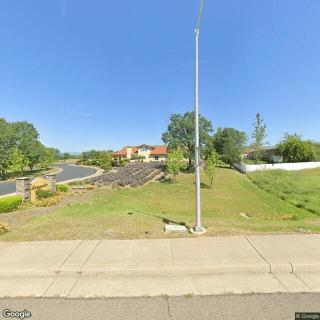
    pro Welcoming staff in a bright, home-like setting with engaging activities.
  • Lavender Hills Assisted Living II

    Lavender Hills Assisted Living II

    Redding, CA

    4 from 1 review
     

    pro Courteous staff, clean and spacious rooms, and a welcoming environment with healthy meals and engaging activities.

  • Lavender Hills Assisted Living

    Lavender Hills Assisted Living

    Redding, CA

    4.4 from 23 reviews
     

    pro Small, personalized setting with comprehensive care and on-site amenities.

  • Lavender Hills Assisted Living III

    Lavender Hills Assisted Living III

    Redding, CA


    pro Comprehensive amenities and 24/7 supervision with diabetes care

  • Life Pastiche

    Life Pastiche

    Redding, CA


    pro Small, personalized board-and-care with 24/7 supervision, ADL assistance, and medical coordination.

  • Willow Springs Alzheimer's Special Care Center

    Willow Springs Alzheimer's Special Care Center

    Redding, CA

    4.9 from 46 reviews
    $6,132 to $8,035 / month

    pro Compassionate, patient staff in a clean, home-like memory-care setting with engaging activities.
  • C.O.M.P.A.S.S.,  LLC

    C.O.M.P.A.S.S., LLC

    Redding, CA


    pro Wide range of care options including memory care.

Related Resources

  • memory care activitiesEngaging Memory Care Activities That Enhance Quality of Life

    Memory care activities are essential for improving the quality of life of seniors with cognitive impairments, as they stimulate cognitive function, promote well-being, and encourage social interaction through tailored strategies. These activities combine structured exercises with spontaneous tasks, sensory engagement, physical workouts, creative pursuits, and intergenerational interactions to enhance emotional connection and a sense of purpose.

  • when to move from assisted living to memory careWhen to Transition from Assisted Living to Memory Care: Key Indicators, Steps, and Finding the Right Community

    Transitioning from assisted living to memory care is driven by an individual's cognitive decline and specific needs, requiring careful evaluation of indicators like increased confusion and wandering. The process involves consulting medical professionals, researching suitable communities, considering financial and legal aspects, and ensuring effective communication for personalized care plans.

  • assisted living vs memory careUnderstanding the Distinctions: Assisted Living and Memory Care Explained
    The article differentiates between assisted living and memory care, explaining that assisted living supports seniors with daily activities while promoting independence, whereas memory care provides specialized services for individuals with dementia, focusing on secure environments and cognitive support. It also addresses staff training, safety considerations, costs, family involvement, and transition strategies for families navigating these care options.