C.O.M.P.A.S.S., LLC in Redding, CA

Information last verified:

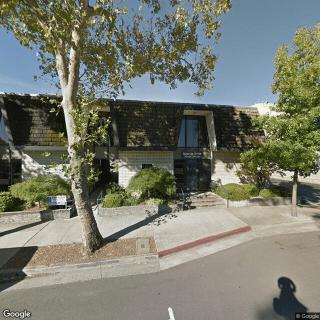
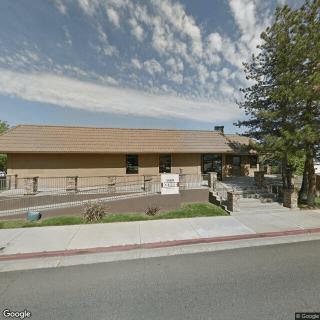
2124 Market St # A, Redding, CA 96001

For more information about senior living options: (844) 490-3973

3.6 from 35 reviews
5 stars
19
4 stars
4
3 stars
1
2 stars
2
1 stars
9

Seniors.FYI Elite Community Awards

Top 5% Senior Living Community in 2022

Add this award to your website

Overall Review of C.O.M.P.A.S.S., LLC

Pros

  • pro Compass is a wonderful place to be employed at because of the supervisors and co-workers.
  • pro This company is one with heart, and it has excellent staff with big hearts.
  • pro Compass has many wonderful, caring, kind people working there who take great care of clients and their families.
  • pro Compass is a place of community and destiny finding, always valuing staff and supporting the dreams of clients.
  • pro Very friendly and helpful staff at Compass truly care about others.
  • pro Compass is very involved with its clients, going beyond daily tasks to champion their hopes and dreams.
  • pro It seems like Compass is a great place to work, with flexible scheduling and opportunities to pick up shifts.

Cons

  • pro They were discriminated against and harassed by a coworker and were fired for it.
  • pro They were wrongfully discriminated against on the basis of disability and then fired.
  • pro The driver of a white Honda civic was criticized for cutting people off and speeding, suggesting a need for driver’s education.
  • pro The reviewer describes the place as horrible.
  • pro A disabled client reports an uncivil and unprofessional message from a life coach, implying Compass staff are greedy and only care about their paycheck.
  • pro They claim Josh is not a nice person and that several staff are not nice, with people being talked down to and treated like a number.
  • pro They allege Linda is rude and disrespectful to clients, making threats and yelling, which affects clients’ checks.

Review

Compass SLS & ILS in Redding, CA is best suited for families that want a values-driven, community-focused environment where staff engagement and client empowerment are central to daily life. This program tends to attract residents who thrive on ongoing social programming, purposeful outings, and a care culture that asserts each client’s independence and dream-chasing. The core appeal lies in a sense of belonging: a place where people, not just tasks, are prioritized, where families feel included in the care process, and where staff are willing to go the extra mile to make activities meaningful. It is the right fit for those who judge care by the warmth of relationships and the perceived integrity of the team, rather than by pristine checklists alone.

That said, a family considering alternatives should remain vigilant for red flags raised in several recent accounts. The strongest caveat centers on disability and discrimination concerns: multiple reviewers allege disrespectful treatment, inappropriate communications, and even wrongful termination tied to disability. These claims are not minor irritants; they point to potential failures in handling conflicts, grievances, and basic professional boundaries. Additional observations describe moments when staff interactions felt prioritizing schedule efficiency over client care, and a few reports touch on hostile or dismissive exchanges. Prospective families will want to weigh these accounts seriously against the positive testimonials about heart, community, and dedication.

On the upside, the most persuasive pros revolve around authentic, compassionate engagement. Many reviewers praise staff for kindness, diligence, and a palpable commitment to clients and their families. The culture described by supporters emphasizes teamwork, supportive leadership, and a willingness to align care with each client’s hopes and daily needs. Families note that Compass creates a sense of momentum, where clients feel seen, supported in pursuing personal goals, and connected to a broader community. The practical benefits also show up in scheduling flexibility for employees and a workforce that appears motivated by purpose, which, in turn, often translates into attentive, reliable daily care and meaningful client activities.

Yet the main drawbacks cannot be dismissed. The most serious concerns involve discrimination and treatment that some residents and employees perceive as unfair or disrespectful. Reports of rude texts, perceived insults, and claims that disability status influenced employment outcomes signal deep, systemic risks if left unaddressed. Other comments point to communication gaps or inconsistencies in service delivery, and a few accounts describe conflicts that escalate to threats or payroll-related frustrations. These aren’t tentative opinions; they are experiences that affect trust, safety, and continuity of care, factors families must scrutinize with leaders and regulators before making a commitment.

The question then becomes whether the program’s undeniable strengths can offset these risks. The answer depends on two critical realities: the quality of leadership accountability and the transparency of operations. If Compass demonstrates robust human-resources oversight, clear anti-discrimination policies, ongoing staff training, and a proven grievance-resolution framework, the positive, client-centered culture can genuinely compensate for occasional missteps. Conversely, if accountability gaps persist and complaints aren’t addressed with visible, timely action, the very traits that make the community appealing, its warmth, its mission, its sense of belonging, can quickly erode in the family’s mind. In practice, this means prospective families should demand concrete assurances: written discrimination and harassment policies, documentation of corrective actions, and direct access to current client and family references.

For families choosing Compass, the prudent path is a structured due-diligence process. Schedule visits focused on real interactions: observe how staff speak with clients, how they respond to questions, and how team members coordinate during activities. Request copies of the facility’s policy manuals, complaint procedures, and any recent training materials. Seek frank conversations with frontline staff, supervisors, and, where possible, current clients’ families about ongoing improvements and accountability. Verify licensing status and look for any regulatory actions. Finally, insist on a clear, written service plan tailored to the prospective resident’s needs, with explicit expectations for communication, safety, and escalation if concerns arise.

In the end, Compass is a compelling option for families drawn to a community that genuinely celebrates people’s talents and dreams, delivered by a workforce that reports strong job satisfaction and visible care for clients. It is not a blanket recommendation, however. The most meaningful decision hinges on whether the organization can demonstrate sustained, verifiable progress on discrimination avoidance, respectful treatment, and reliable handling of conflicts. If that assurance is forthcoming, Compass can offer a meaningful, uplifting setting where clients grow and families feel connected. If not, or if risk tolerance for interpersonal and administrative lapses is low, exploring alternatives with stronger, demonstrable protections around residents’ rights and staff conduct is strongly advised.

Features

Types of Care

  • Assisted Living Assisted LivingAssisted living facilities provide crucial support and care for seniors who may need help with daily tasks such as medication management, bathing, and meal preparation. These communities offer a safe and comfortable environment where seniors can maintain their independence while receiving the assistance they need to thrive in their golden years.
  • Day Program Day ProgramDay programs are important for seniors because they provide a safe and supportive environment where older adults can socialize, engage in activities, receive assistance with daily tasks, and access valuable resources and services. These programs help prevent isolation and loneliness, promote mental and physical well-being, and offer a sense of purpose and community for seniors.
  • Independent Living Independent LivingIndependent living communities are important for seniors because they offer a safe and supportive environment where older adults can live independently while still having access to amenities and services that enhance their quality of life. These communities provide social opportunities, recreational activities, and assistance with daily tasks, promoting overall well-being and allowing seniors to maintain their independence for as long as possible.
  • Memory Care Memory CareMemory care is crucial for seniors as it provides specialized support and services for individuals with dementia or Alzheimer's disease. These programs offer a safe and secure environment where residents receive personalized care, cognitive stimulation, and help with daily activities. Memory care helps seniors maintain their independence, quality of life, and dignity while also providing peace of mind for their families.
  • Skilled Nursing Facility Skilled Nursing FacilitySkilled Nursing Facilities are crucial for seniors as they provide round-the-clock medical care, rehabilitation services, and assistance with daily activities. These facilities ensure that seniors receive the specialized care they need to maintain their health and well-being as they age.

Amenities

  • Activities on-site Activities on-siteActivities on-site are important for seniors because they provide opportunities for socialization, mental stimulation, physical activity, and overall well-being. Engaging in activities can help seniors stay active, maintain their independence, and improve their quality of life.
  • Devotional services off-site Devotional services off-siteDevotional services off-site are important for seniors as they provide spiritual nourishment, social engagement, and a sense of community outside of the senior living facility. This can enhance overall well-being and help combat feelings of isolation and loneliness often experienced by older adults.
  • Indoor common areas Indoor common areasIndoor common areas are crucial for seniors as they provide a space for socialization, recreation, and community engagement, promoting overall well-being and reducing feelings of isolation and loneliness.
  • Respite or short term stays offered Respite or short term stays offeredRespite or short term stays provide seniors with a temporary solution when their regular caregiver is unavailable, offering them the opportunity to receive additional care and support during times of need, while also giving caregivers a chance to rest and recharge.

Transportation

  • Redding Municipal (7 miles away) Redding Municipal (7 miles away)

Care Services

  • Ambulatory care Ambulatory care"Ambulatory care services provide essential medical support and treatment to seniors without requiring hospitalization, allowing them to maintain their independence and quality of life while managing chronic conditions or receiving routine medical care."
  • Diabetic care Diabetic careDiabetic care is crucial for seniors as they are more susceptible to developing diabetes due to aging and other health conditions. Proper management of diabetes can help prevent complications such as heart disease, vision loss, and nerve damage, improving the overall quality of life for seniors in senior living communities.

Dining

  • Meals provided Meals provided"Meals provided" are crucial for seniors in assisted living communities as it ensures they have access to nutritious, balanced meals without the stress of meal planning and preparation. This can help promote overall health and well-being for seniors who may have limited mobility or cognitive abilities.

Activities

  • Activities on-site Activities on-siteActivities on-site are important for seniors because they provide opportunities for socialization, mental stimulation, physical activity, and overall well-being. Engaging in activities can help seniors stay active, maintain their independence, and improve their quality of life.
  • Devotional activities offsite Devotional activities offsiteDevotional activities offsite are important for seniors because they provide social engagement, spiritual growth, and a sense of community outside of their living environment. This can improve overall well-being, mental health, and combat feelings of isolation or loneliness.

Description

C.O.M.P.A.S.S., LLC is an assisted living community located in Redding, CA. We offer a variety of care options including day program, independent living, memory care, and skilled nursing facility. Our community is dedicated to providing personalized care for our residents while promoting independence and maintaining their quality of life.

At C.O.M.P.A.S.S., LLC, we understand the importance of spiritual well-being and offer devotional services off-site for residents who wish to practice their faith. Our indoor common areas provide a comfortable space for socializing and participating in various activities.

We also offer respite or short-term stays for those who may need temporary assistance or recovery after surgery or illness. Our dedicated staff specializes in diabetic care, ensuring that residents with diabetes receive the proper attention and support they need.

Residents at C.O.M.P.A.S.S., LLC can enjoy a range of activities that cater to their interests and preferences. Devotional activities off-site are available for those seeking spiritual enrichment.

The community is conveniently located near several amenities. With 7 cafes, 1 park, 6 pharmacies, 34 physicians, 41 restaurants, 3 transportation options, and 8 hospitals nearby, residents have easy access to essential services and opportunities for socializing and entertainment.

At C.O.M.P.A.S.S., LLC, we strive to create a warm and welcoming environment where our residents can feel at home while receiving the care they need.

Nearby Places of Interest

Restaurants

  • Lulu's Eating & Drinking Establishment (0.1 miles)
  • Trendy's (0.2 miles)
  • Final Draft Brewi (0.3 miles)
  • Damburger (0.3 miles)
  • Racha Noodle (0.4 miles)
  • Taste & See Creamery (0.5 miles)
  • La Cabana (0.6 miles)

Cafes

  • Evergreen - Coffee Shop + Boutique Hotel (0.1 miles)
  • Dutch Bros Coffee (0.6 miles)
  • Theory Collaborative (0.6 miles)
  • Sweetie's Cafe & Catering (0.7 miles)
  • Dutch Bros Coffee (0.7 miles)
  • Dutch Bros Coffee (1.3 miles)
  • Starbucks (1.5 miles)

Physicians

  • Snowcrest (0.2 miles)
  • North Valley Medical Assoc (0.3 miles)
  • Clarence Trausch, Ed D, CCH (0.4 miles)
  • Family Medical Eye Center (0.6 miles)
  • North Valley Orthopedics (0.7 miles)
  • Jack David Schillen (0.7 miles)
  • Shasta Orthopaedics - Schillen J David MD (0.7 miles)

Hospitals

  • Golden Living Center (0.3 miles)
  • Day Dreams (0.8 miles)
  • Mercy Foundation North (0.9 miles)
  • William F Nicol DDS (1 miles)
  • Z MD Sleep Center (1.2 miles)
  • Restpadd Psychiatric Health Facility (1.3 miles)
  • Patients Hospital (1.6 miles)

Pharmacies

  • Lims Family Pharmacy (0.4 miles)
  • Walgreens (0.7 miles)
  • Owens Healthcare (0.7 miles)
  • Rite Aid (0.7 miles)
  • CVS Pharmacy (1.4 miles)
  • Redding Drug (1.8 miles)

Transportation

  • Amtrak Station (0.4 miles)
  • U-Haul Moving & Storage (1.2 miles)
  • Enterprise Rent-A-Car (1.3 miles)

Parks

  • Caldwell Park (1.2 miles)

Frequently Asked Questions

Where is C.O.M.P.A.S.S., LLC?
Does C.O.M.P.A.S.S., LLC provide care for residents with dementia or Alzheimer's disease?

Nearby Communities

  • Hillhaven Home Health Svc

    Hillhaven Home Health Svc

    Redding, CA

    4 from 5 reviews
     

    pro Nearby dining, parks, pharmacies, physicians, transportation, and hospitals.
  • Redding Post Acute

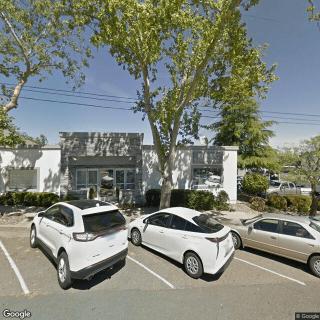
    Redding Post Acute

    Redding, CA

    4.2 from 35 reviews
    $5,787 / month

    pro Clean, well-maintained facility with friendly staff and a broad range of on-site services and amenities (beauty services, dining, therapy room, activities).

  • Lorenz Hotel

    Lorenz Hotel

    Redding, CA

    5 from 3 reviews
     

    pro Central location with easy access to healthcare, dining, and transportation.

  • Arcadia Home Care and Staffing

    Arcadia Home Care and Staffing

    Redding, CA

    4.3 from 6 reviews
     

    pro Responsive staff and flexible caregiver replacement.

  • Windsor Redding Care Center

    Windsor Redding Care Center

    Redding, CA

    3.9 from 80 reviews
     

    pro Friendly staff with personalized care and effective short-term rehabilitation.

  • Interim HealthCare - Redding,  CA

    Interim HealthCare - Redding, CA

    Redding, CA

    3.4 from 17 reviews
     

    pro Vibrant assisted living community with easy access to healthcare, dining, and local amenities.

Related Resources

  • does my mom have dementia quiz5 Early Indicators of Dementia and What You Can Do

    The content outlines five key early indicators of dementia, including significant memory loss and confusion about time and place, while emphasizing the need for professional evaluation and emotional support for both individuals showing symptoms and their caregivers. It encourages family members to monitor these signs closely and use online quizzes for initial awareness.

  • when should someone with dementia go into a care home8 Important Indicators That Memory Care May Be Necessary

    The article highlights eight indicators that a loved one with dementia may require specialized memory care, emphasizing the emotional and logistical challenges families encounter in this decision. It discusses signs such as difficulties with daily tasks, safety concerns, and caregiver burnout, suggesting that memory care facilities can provide the necessary support and structured environments for those experiencing cognitive decline.

  • what do dementia patients think aboutDelving into the Inner World of Dementia: Insights into Thoughts and Awareness

    Dementia, primarily caused by Alzheimer's disease but also linked to other conditions, leads to cognitive decline impacting memory and daily functioning, with individuals experiencing varied awareness of their impairments. Despite memory loss, emotional connections persist, enabling responses to familiar stimuli, highlighting the need for caregivers to provide compassionate support that recognizes both limitations and retained emotional depth.