For more information about senior living options: (866) 208-4318
4.4 from 45 reviews
5 stars
35
4 stars
2
3 stars
3
2 stars
1
1 stars
4
Redding Post Acute Costs & Pricing
At Redding Post Acute, the monthly cost for a semi-private room stands at $5,787, which reflects a significant premium compared to both Shasta County and the broader California averages. Within Shasta County, the average cost for a similar accommodation is approximately $3,611, while across California, it's even lower at about $3,333. This discrepancy suggests that Redding Post Acute may offer enhanced services or amenities that justify the higher price point. Prospective residents and their families should consider these costs carefully alongside the quality of care and additional benefits provided by this facility when making their decision.
Floor plans
Redding Post Acute
Shasta County
California
Semi-Private
$5,787
$3,611
$3,333
Overall Review of Redding Post Acute
common25 reviews mention this
Staff kindness stands out
Residents and families repeatedly describe the staff as kind and responsive.
Across reviews, residents and family members describe the staff as caring, courteous, and willing to help. Multiple reviewers mention specific caregivers and note that interactions feel supportive during recovery. Even when reviews are critical, they often focus on communication or staffing processes rather than overall unkindness.
common11 reviews mention this
Rehab and therapy get praise
Therapy is repeatedly described as helpful during recovery.
Several reviews describe physical and rehab therapy as effective, with people progressing toward goals like walking or returning home. Residents also mention therapy staff by name and say sessions were encouraging or challenging in a good way. In the activity and daily-care routines, therapy appears as a central part of the stay.
caveat9 reviews mention this
Restaurant-style dining is a mix
Dining can be hit-or-miss, despite praise for meals.
Many reviewers say the food is good and mention enjoying breakfast, lunch, and dinner. Others describe problems such as food arriving cold or disliking it enough to call it the main issue. The community offers restaurant-style dining, which aligns with the positive meal mentions even though a few reviews point to quality or delivery issues.
caveat4 reviews mention this
Phone access causes frustration
Phone access and responsiveness come up as recurring problems.
Some reviewers report difficulty reaching staff by phone, including not getting answers and long waits. A separate set of comments says phones may not be available in residents’ rooms, which made communication harder for families. One reviewer also ties the issue to their decision-making about care, even while describing the facility as clean and recently refreshed.
common3 reviews mention this
Facility cleanliness is noted
Reviews frequently mention the facility feeling clean and maintained.
A few reviewers describe the environment as clean or spotless, and at least one visitor notes it being cleaned on an unscheduled visit. The positive comments about cleanliness are not universal, though—one review includes a complaint involving missing items and a room-care issue. Overall, cleanliness appears as a commonly referenced part of the daily experience.
common2 reviews mention this
Close to medical offices
The location places medical and care-related destinations nearby.
The surrounding area includes multiple physician offices and hospitals within about a mile, which can make it easier to connect care points during a stay. Nearby options also include pharmacies within roughly half a mile and several restaurants nearby for meals outside the facility. Reviews themselves focus more on on-site recovery and communication, but the area amenities support everyday needs.
How we summarize
Counts show how many written reviews mention each theme; a review can touch several themes, and only frequently mentioned themes are displayed.
Features
Housing
89 resident community capacity
Types of Care
Skilled Nursing Facility
Amenities
Air-conditioning
Beautician on-site
Beauty salon
Cable or satellite TV
Computer center
Dining room
Fitness room
Fully furnished
Gaming room
Garden
Housekeeping services
Kitchenette
Move-in coordination
Outdoor space
Private bathrooms
Restaurant-style dining
Small library
Telephone
Wellness center
Wi-Fi/high-speed internet available
Transportation
Redding Municipal (7 miles away)
Community operated transportation
Transportation arrangement
Transportation arrangement (non-medical)
Transportation to doctors appointments
Care Services
12-16 hour nursing
24-hour call system
24-hour supervision
Activities of daily living assistance
Assistance with bathing
Assistance with dressing
Assistance with transfers
Diabetes diet
Meal preparation and service
Medication management
Mental wellness program
Special dietary restrictions
Dining
Diabetes diet
Special dietary restrictions
Activities
Community-sponsored activities
Concierge services
Fitness programs
Planned day trips
Resident-run activities
Scheduled daily activities
Nearby Places of Interest
This part of Redding, California is a convenient and bustling area with a variety of amenities within close proximity. There are several hospitals nearby, including Golden Living Center and Mercy Foundation North, ensuring easy access to healthcare services. The presence of physicians like Clarence Trausch and Richard Mooney offer additional medical support. In terms of dining options, residents can enjoy a range of restaurants such as Trendy's, Damburger, and Woody's Brewing Co., as well as cafes like Evergreen and Dutch Bros Coffee for a quick bite or coffee break. The availability of pharmacies like Walgreens and Owens Healthcare provides convenient access to medication needs. Additionally, the Amtrak Station allows for easy transportation options for those looking to explore beyond the immediate area. Overall, this neighborhood offers a blend of accessibility and comfort that could be suitable for senior living.
At Redding Post Acute, the monthly cost for a semi-private room stands at $5,787, which reflects a significant premium compared to both Shasta County and the broader California averages. Within Shasta County, the average cost for a similar accommodation is approximately $3,611, while across California, it's even lower at about $3,333. This discrepancy suggests that Redding Post Acute may offer enhanced services or amenities that justify the higher price point. Prospective residents and their families should consider these costs carefully alongside the quality of care and additional benefits provided by this facility when making their decision.
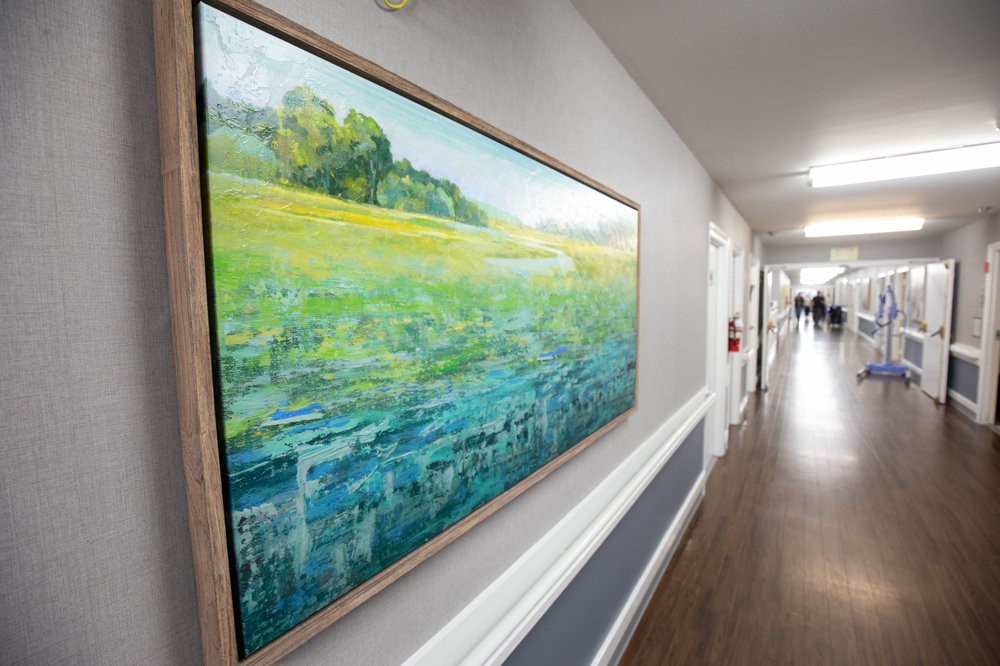
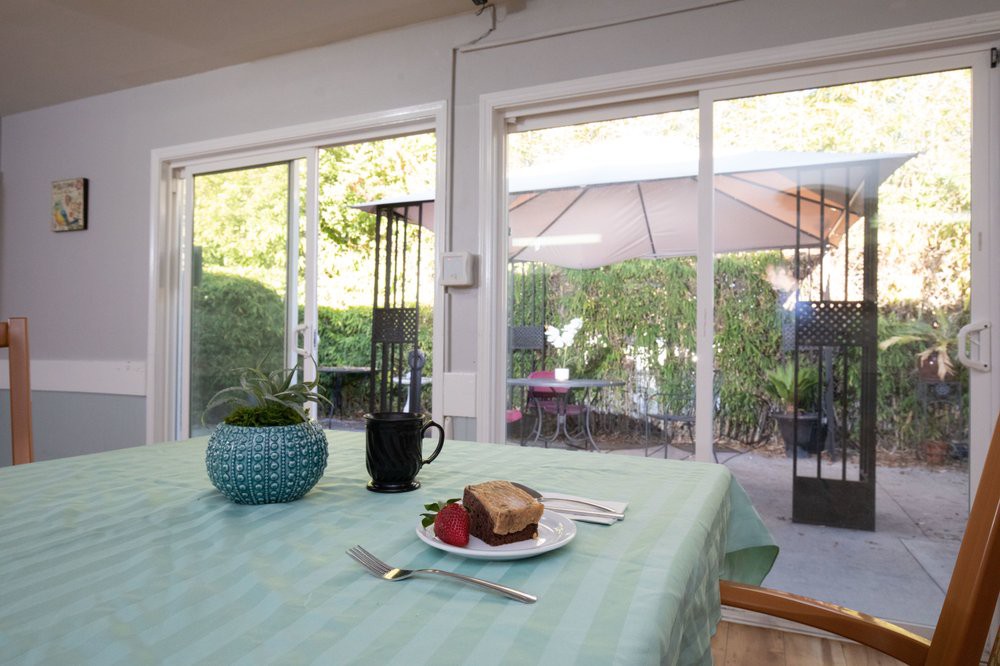
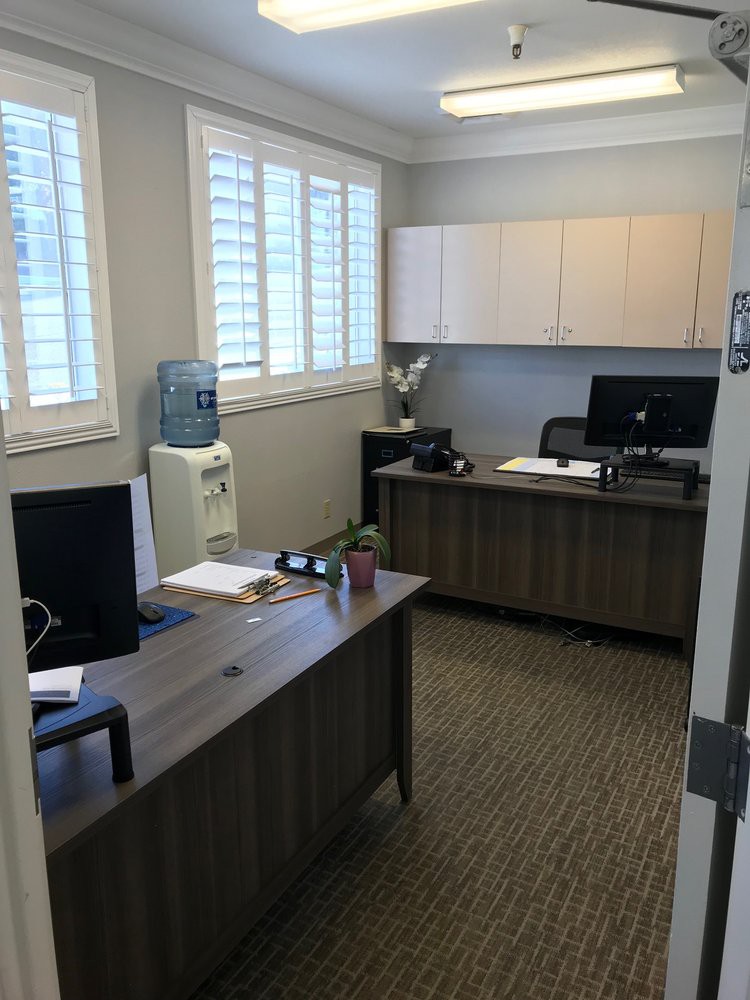
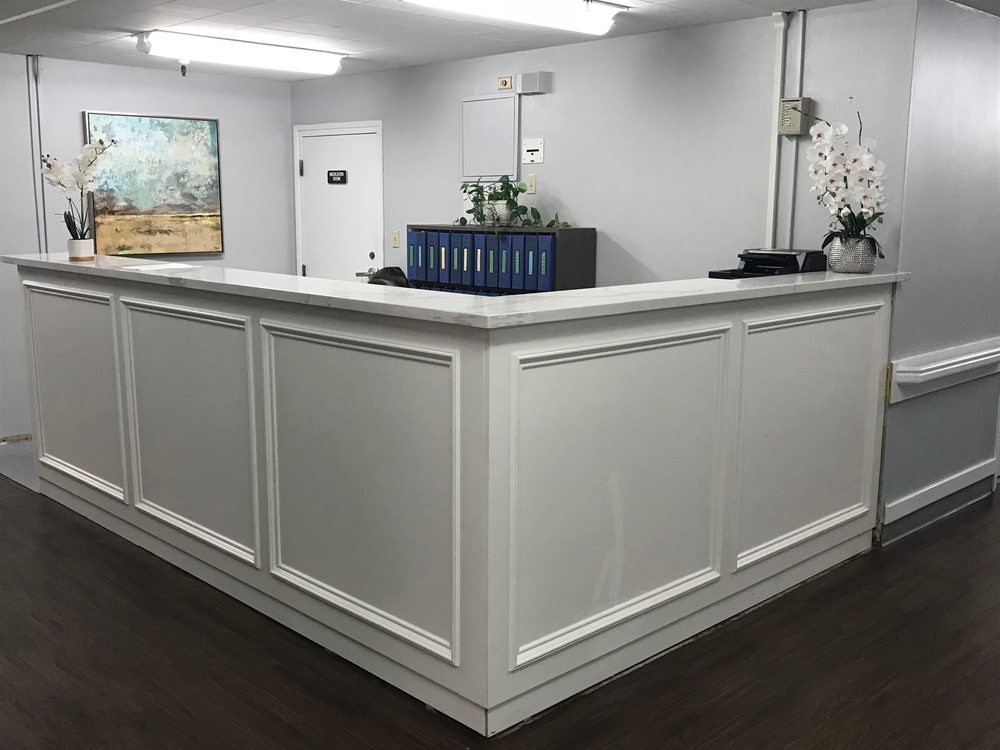
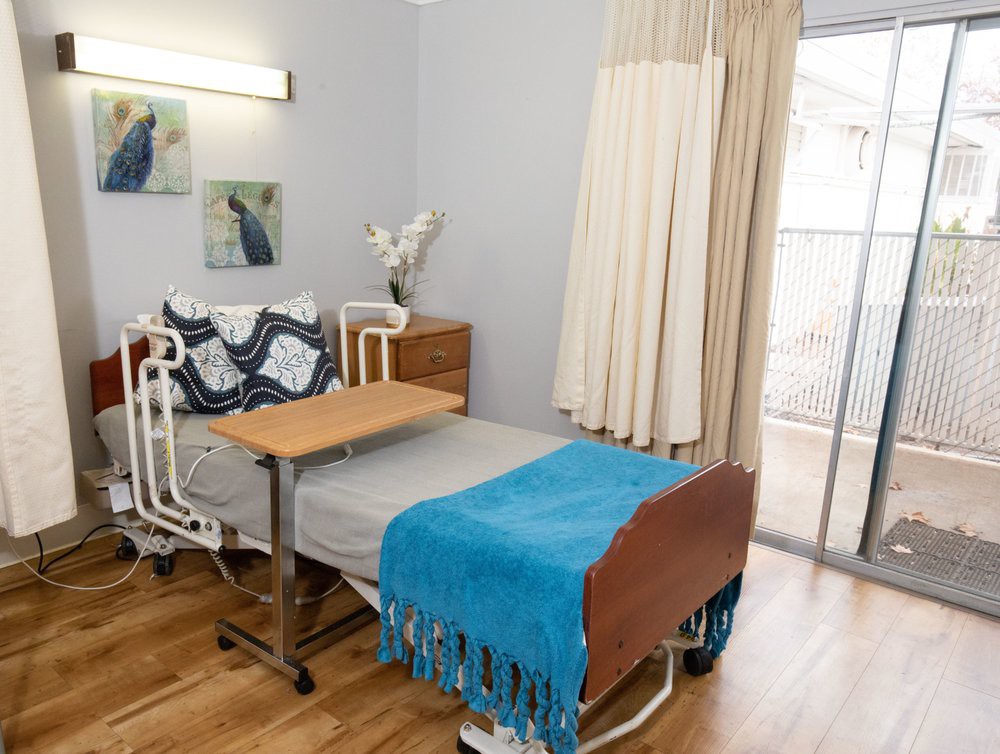
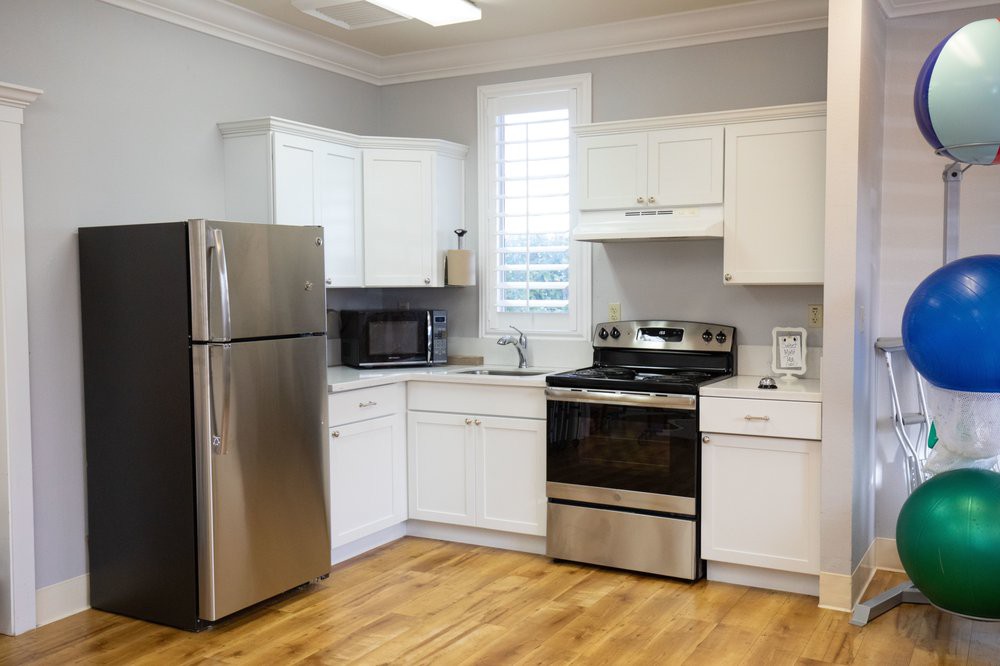
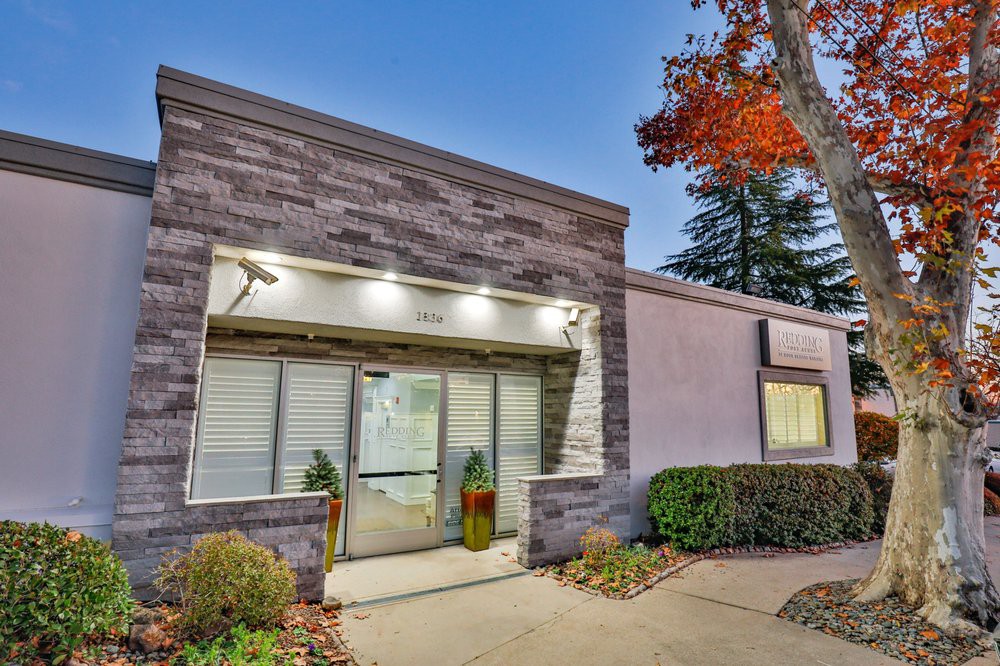
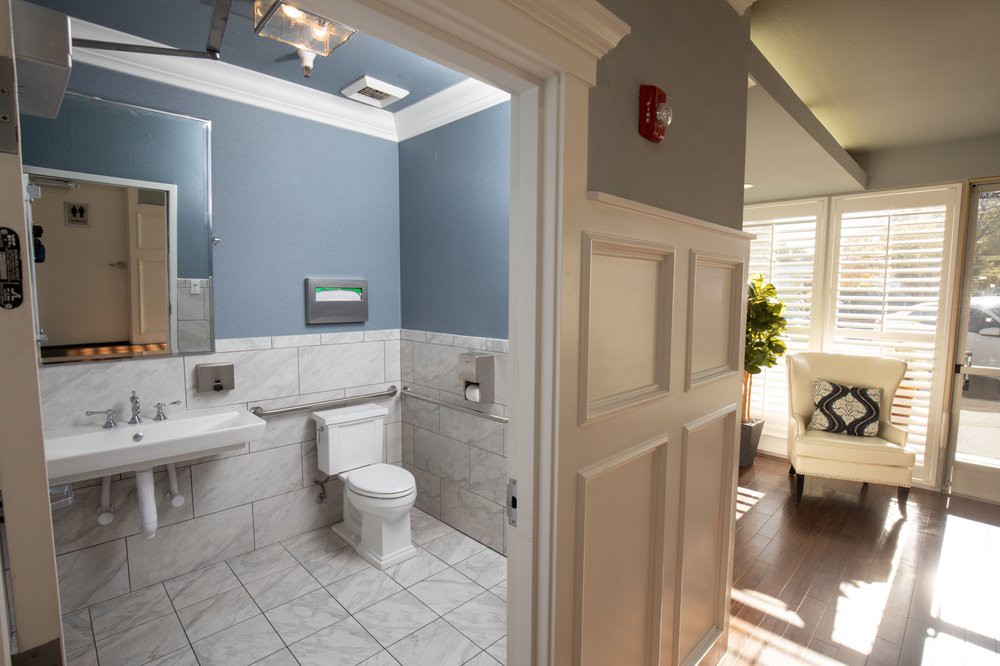
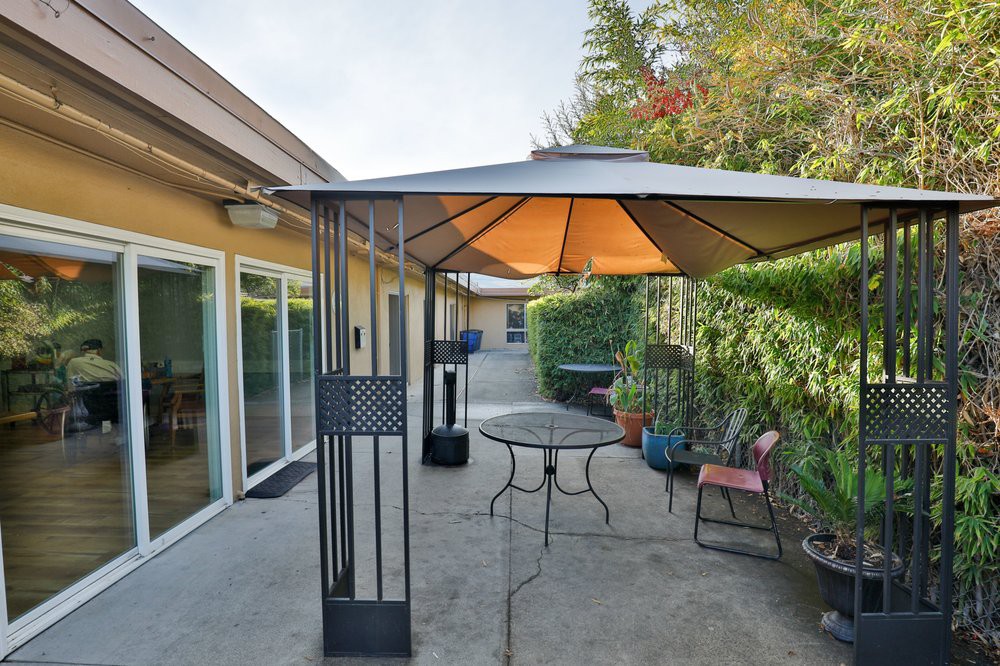
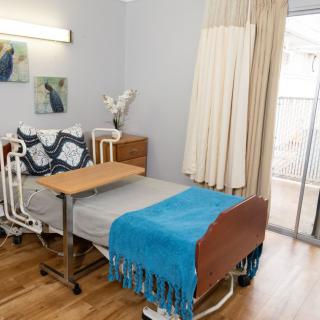
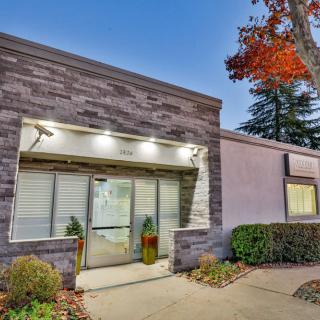
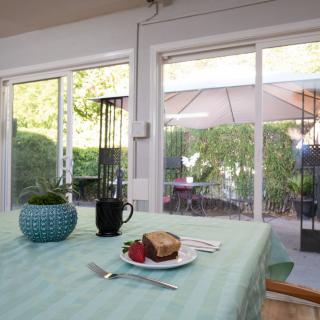
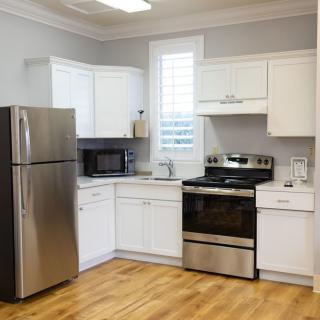
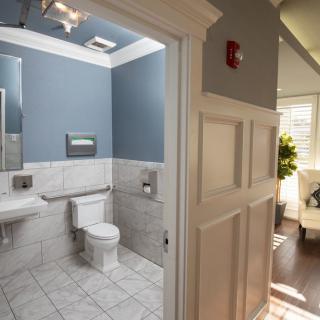
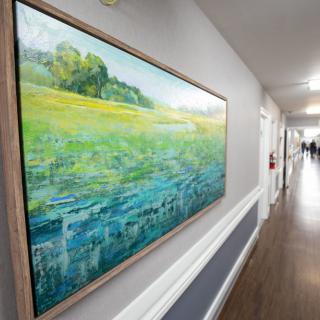
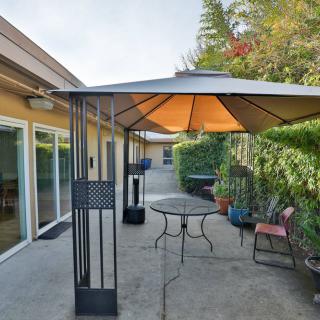
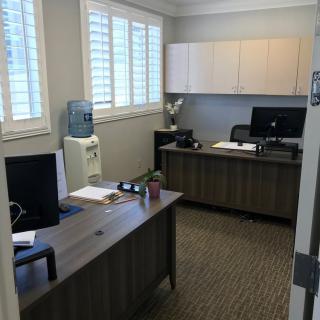
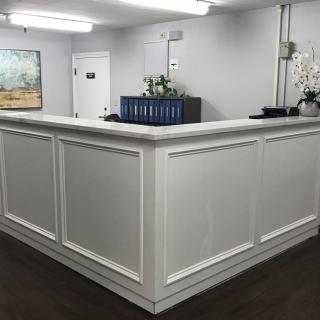
Redding Post Acute on seniors.fyi includes 11 photos including images showing interior, office, entrance, windows, bathroom, appliances, painting, refrigerator, and more.
Nearby Communities
Hillhaven Home Health Svc
Redding, CA
4 from 5 reviews
Nearby dining, parks, pharmacies, physicians, transportation, and hospitals.
Arcadia Home Care and Staffing
Redding, CA
4.3 from 6 reviews
Responsive staff and flexible caregiver replacement.
Interim HealthCare - Redding, CA
Redding, CA
3.4 from 17 reviews
Vibrant assisted living community with easy access to healthcare, dining, and local amenities.
Lorenz Hotel
Redding, CA
5 from 3 reviews
Central location with easy access to healthcare, dining, and transportation.
C.O.M.P.A.S.S., LLC
Redding, CA
3.6 from 37 reviews
Wide range of care options including memory care.
Windsor Redding Care Center
Redding, CA
3.9 from 90 reviews
Friendly staff with personalized care and effective short-term rehabilitation.
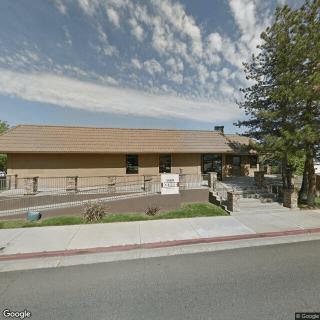
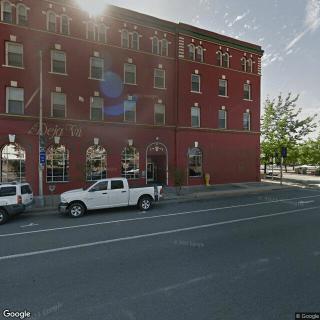
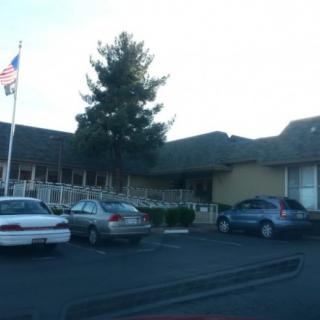
The article explores the complexities of using Social Security to finance long-term nursing home care in the U.S., detailing eligibility requirements and misconceptions, while emphasizing that these benefits often do not cover full costs and highlighting the need for strategic financial planning and professional guidance.
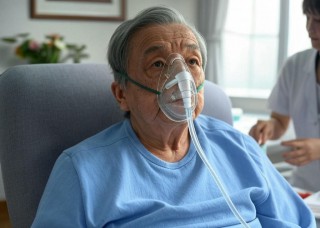
Pneumonia significantly affects older adults due to weakened immune systems and atypical symptoms that complicate diagnosis, necessitating early detection and tailored treatment. Risk factors include chronic diseases and cognitive impairments, with preventive measures like vaccinations and healthy lifestyles being crucial for reducing risk.
Palliative care enhances the quality of life for seriously ill patients by providing comprehensive support at home through a multidisciplinary team, addressing various needs and prioritizing comfort over curative treatments. While it offers personalized care and involves family in decision-making, challenges like caregiver stress and logistical issues persist, with growing demand prompting advancements in technology and healthcare policies to improve access.
Kitchen, Appliances, Hardwood Floor, Refrigerator, and Stove
Artwork, Painting, and Hallway
Outdoor, Patio, Gazebo, and Patio Furniture
Entrance
Office
Computers
Reception Desk
Get PricingAsk A QuestionSchedule A TourContact Senior Advisor
By clicking submit, you agree to our Partner's Terms of Use. You
also consent to receive calls and texts, which may be autodialed, from our Partner. Your consent is not a condition to
using our Partner's service. Please visit our Partner's Privacy Policy for information about their privacy practices.


 89 resident community capacity
 Skilled Nursing Facility
 Air-conditioning
 Beautician on-site
 Cable or satellite TV
 Computer center
 Dining room
 Fitness room
 Fully furnished
 Gaming room
 Garden
 Housekeeping services
 Kitchenette
 Move-in coordination
 Outdoor space
 Private bathrooms
 Restaurant-style dining
 Small library
 Telephone
 Wellness center
 Wi-Fi/high-speed internet available
 Redding Municipal (7 miles away)
 Community operated transportation
 12-16 hour nursing
 24-hour call system
 Activities of daily living assistance
 Assistance with bathing
 Assistance with dressing
 Assistance with transfers
 Diabetes diet
 Medication management
 Mental wellness program
 Special dietary restrictions
 Concierge services
 Planned day trips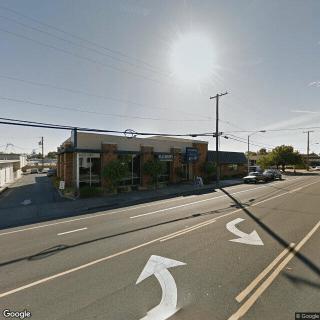
 Nearby dining, parks, pharmacies, physicians, transportation, and hospitals.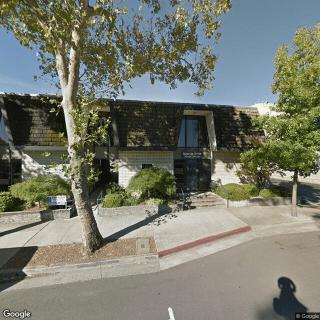

 Financing Long-Term Nursing Home Care Through Social Security: A Thorough Exploration
 Essential Knowledge on Pneumonia in Older Adults
 Exploring Palliative Care in the Home: A Comprehensive Overview