
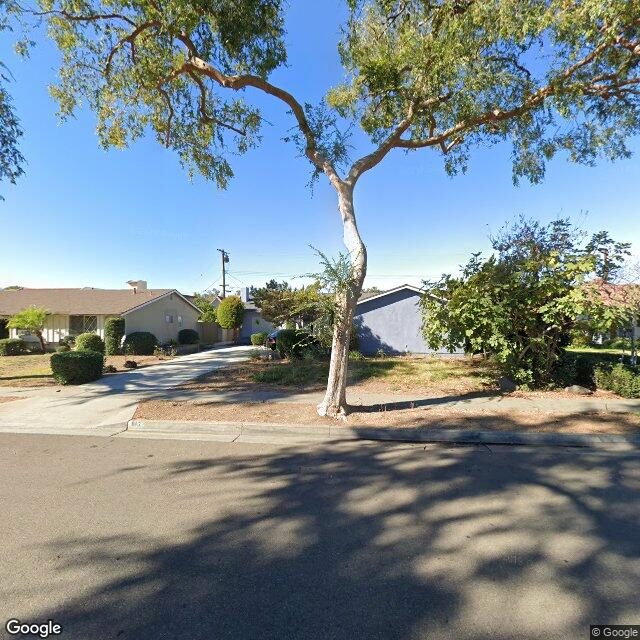
513 N. Cornell, Fullerton, CA 92831
To contact a resident: (714) 321-2216
For more information about senior living options: (866) 208-4318
A1 Residential Care Facility Costs & Pricing
A1 Residential Care Facility offers competitive pricing compared to the broader market in Orange County and the state of California. For semi-private rooms, A1 provides a cost-effective option at $1,800 per month, significantly lower than the county average of $3,431 and the state's average of $3,333. Private rooms are also priced favorably at $2,500, whereas Orange County residents typically pay around $4,104 and Californians can expect an average of $3,939. The facility's studio units are available for $2,600 each month - a more affordable choice compared to the county's average rate of $4,313 and California's average of $4,145. These rates position A1 Residential Care Facility as an appealing alternative for families seeking quality care without compromising their budget.
| Floor plans | A1 Residential Care Facility | Orange County | California |
|---|---|---|---|
| Semi-Private | $1,800 | $3,431 | $3,333 |
| Private | $2,500 | $4,104 | $3,939 |
| Studio | $2,600 | $4,313 | $4,145 |
Memory care communities with a similar price nearby
-
from +$200 / mo
John Villa's Home Care
$2,000 to $3,000 / month14.4 miles away -
from +$200 / mo
House Of Grace
$2,000 to $4,200 / month19.4 miles away -
from +$150 / mo
Select Senior Care, LLC
$1,950 to $6,200 / month7.5 miles away -
from -$300 / mo
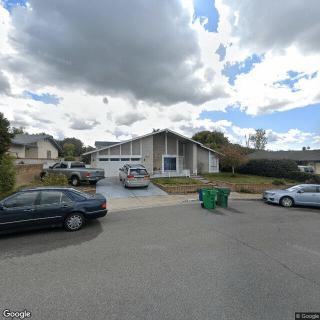
Azar Residential Care Facility
$1,500 to $2,500 / month23.0 miles away -
About the same
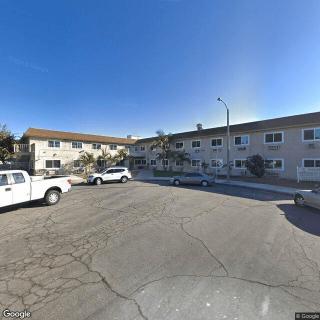
Palms Retirement Center
$1,800 to $3,495 / month1.7 miles away
Overall Review of A1 Residential Care Facility
Pros
 The team is warm, reliable, and incredibly attentive.
- They treat every client with dignity and respect.
- They go above and beyond daily in their care.
- They deliver exceptional care with a personal touch.
- The service feels like an extension of the family.
- The service provides safety, care, and genuine value to loved ones.
- They consistently deliver peace of mind to families.
Review
A1 Residential Care Facility in Fullerton is best suited for seniors who want a warm, home-like setting where care feels deeply personal and consistently attentive. This community excels for residents who value genuine dignity, daily assistance with routine tasks, and meaningful companionship delivered with a personal touch. When families need a place where staff feel like an extension of the family and where every day there is a visible commitment to safety, respect, and overall well-being, this is the setting that fits. It works particularly well for individuals who do not require intensive medical intervention around the clock but do benefit from reliable support, a stable routine, and a reassuring, intimate atmosphere.
Those who may want to consider alternatives are individuals with higher medical needs or specialized care requirements. If a loved one needs continuous on-site nursing, complex clinical supervision, or advanced memory care, a larger assisted living community with dedicated medical staff and specialized programs may be more appropriate. Families seeking robust therapeutic offerings, considerable social programming, or more extensive on-site services should compare options with facilities that emphasize medical oversight and structured activity calendars. In short, for anyone prioritizing clinical depth over a homey, family-like environment, other communities deserve serious consideration.
The strongest pros center on the human connection that permeates daily life. Staff warmth, reliability, and attentiveness translate into consistent, high-quality care that goes beyond routine tasks. Residents experience careful, respectful treatment that preserves dignity and reinforces a sense of value. The personal touch is not incidental; it becomes a defining feature that reduces anxiety for both residents and their families. Help with daily activities, steady companionship, and the peace of mind that comes from knowing someone is truly looking out for a loved one collectively create a feeling of safety and belonging. In this setting, care feels tailored rather than transactional, and that distinction matters deeply when evaluating long-term housing for aging adults.
Yet, the main trade-off to acknowledge is the potential gap between this intimate model and facilities that emphasize medical intensity or specialized programs. The best pros here, personal attention, a family-like culture, and constant visibility of staff, do not fully offset the realities of limited on-site clinical staffing or fewer specialized care tracks. For residents needing frequent nursing care, complex wound management, or continuous monitoring, the absence of robust medical resources can be a meaningful constraint. For those exploring memory care with structured cognitive programming, the absence of targeted dementia-care capabilities may also be a limitation. The balance, then, rests on whether the comfort, companionship, and daily reliability more than compensate for any gaps in clinical depth.
Practical considerations can sharpen this decision. Tour opportunities should focus on staffing patterns, including whether a registered nurse or licensed practical nurse is regularly on-site, and how care plans are developed and updated. Inquire about response times for urgent needs, the availability of assistance for mobility and transfers, and the degree to which residents influence daily schedules and activities. Ask about meal quality, anesthesia-free routines, and opportunities for family involvement in care planning. While the home-like atmosphere is a clear strength, ensuring that the facility can meet evolving needs over time, without abrupt transitions, remains essential. Budget and contract clarity should also be scrutinized to prevent surprises as care requirements change.
The bottom-line recommendation is practical and decisive. For families prioritizing a truly personal, dignified, and home-centered care experience, A1 Residential Care Facility offers a compelling match. It shines where relational care and daily attentiveness are valued above all else, delivering measurable peace of mind through a consistent, respectful, and supportive environment. For those whose loved ones require advanced medical oversight, memory-specific programming, or a broader continuum of clinical services, exploring alternatives with stronger clinical infrastructure is prudent. In the right case, where a loved one thrives on connection, simple routines, and a family-feel, this Fullerton residence stands out as a sound, well-considered choice.
 Board and Care Home
 Memory Care
 Private
 John Wayne Orange Co (14 miles away)
 An In-Depth Look at Reminiscence Therapy in Dementia Care
 Dementia-Related Hallucinations: Causes, Experiences, and Practical Approaches
 Illuminating Insights About Alzheimer's Disease: Ten Crucial Realities