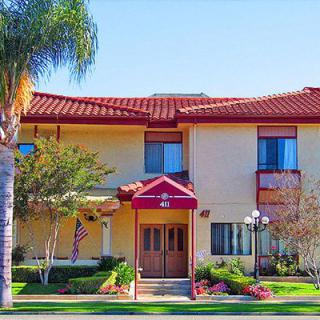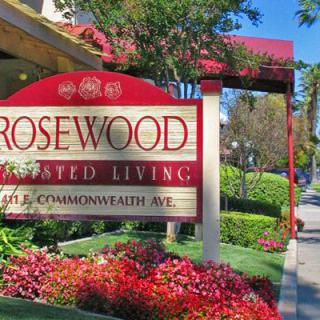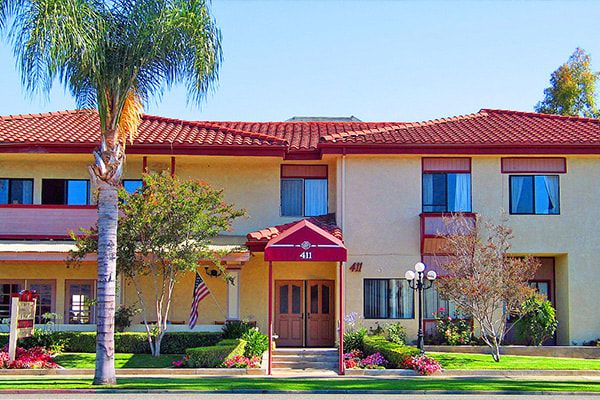
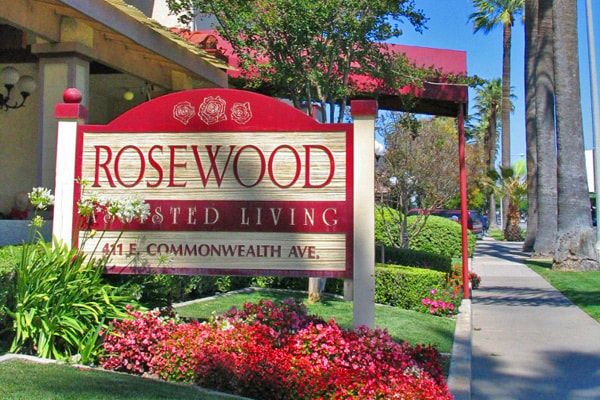
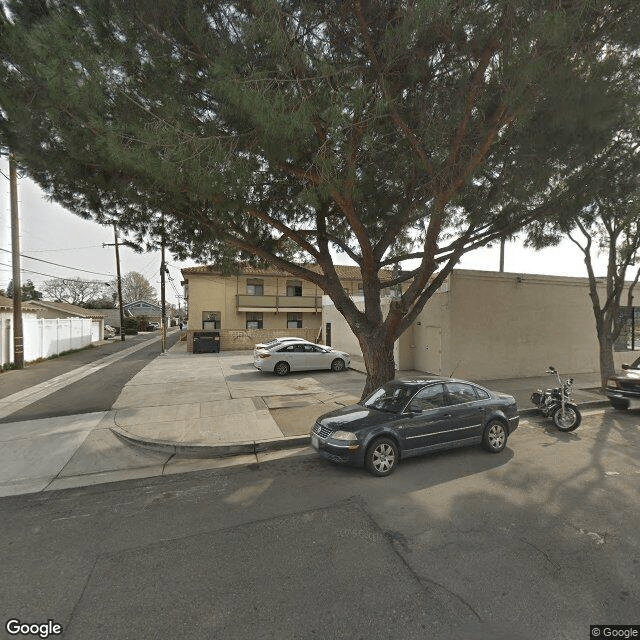
411 East Commonwealth Avenue, Fullerton, CA 92832
For more information about senior living options: (866) 208-4318
Fullerton Rosewood Assisted Living Costs & Pricing
Fullerton Rosewood Assisted Living offers competitive pricing in comparison to the broader market, particularly for residents looking for semi-private accommodations at just $1,200 per month. This rate stands in stark contrast to the average costs in Orange County, where similar arrangements typically run around $3,431, and even more so when considering the state average of $3,333. For those seeking studio apartments, Fullerton Rosewood remains an attractive option at $1,700 monthly, well below both the Orange County average of $4,313 and California's statewide figure of $4,145. These cost-effective solutions highlight Fullerton Rosewood Assisted Living's commitment to providing quality care while ensuring affordability for its residents within a high-cost region.
| Floor plans | Fullerton Rosewood Assisted Living | Orange County | California |
|---|---|---|---|
| Semi-Private | $1,200 | $3,431 | $3,333 |
| Studio | $1,700 | $4,313 | $4,145 |
Assisted Living communities with a similar price nearby
-
About the same
Crofton Manor Inn
$1,200 to $2,000 / month15.9 miles away -
from +$150 / mo

Wilshire Manor
$1,350 to $2,200 / month2.7 miles away -
from -$121 / mo
The Grandview
$1,079 to $2,400 / month24.4 miles away -
About the same

Corona Care Retirement and Convalescent
$1,200 to $1,800 / month21.1 miles away -
from +$100 / mo
Vista Veranda Assisted Living
$1,300 to $1,800 / month17.2 miles away
Overall Review of Fullerton Rosewood Assisted Living
Pros
 Fullerton Rosewood was great.
- They were very helpful and explained how it all broke down.
- The staff was hands-on and took the residents out daily, with activities like exercise time.
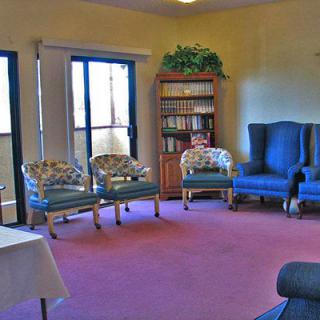
- The place had a very nice homey, clean feel.
Review
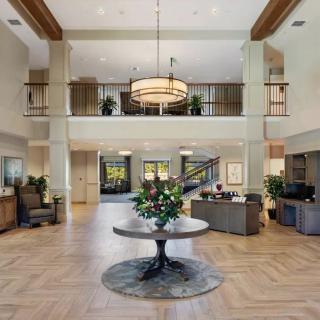
Fullerton Rosewood Assisted Living in Fullerton, California, is best suited for seniors who prize a warm, home-like setting where staff are hands-on and residents stay engaged through daily outings and routine activities. The environment projects a tidy, comfortable, unpretentious vibe that eases the transition from independent living. For residents who value personal connection and clear, approachable staff, the community delivers a sense of belonging that can be crucial for maintaining mood and social engagement. A simple but meaningful emphasis on daily exercise, guided group activities, and regular social interaction helps seniors stay active without feeling institutional.
Not every family will find it the right fit. The community carries a mixed signal, captured by an overall 3.5 rating from eight reviews and three one-star critiques. That split signals real experiences vary by resident and caregiver, and potential arrivals should anticipate variability. Families with residents who require more intensive medical oversight, complex care, or highly tailored care plans may want to compare more comprehensive offerings. Also, if continuity of staffing or timely problem resolution is paramount, it is wise to visit during peak hours and speak with multiple staff members to gauge consistency.
On the plus side, the strongest draws are the hands-on staff and the social framework. Staff who explain costs and break down what is included helps reduce uncertainty about value, and the commitment to daily outings plus exercise provides structured opportunities to stay physically active and socially connected. The homey, clean ambiance reinforces a sense of safety and comfort, which matters for residents who worry about feeling overwhelmed by unfamiliar surroundings. These attributes directly support quality of life and can offset some downsides when the primary need is companionship and routine rather than high-acuity care.
Yet, the number of low-rated reviews cannot be dismissed. When a subset of residents reports dissatisfaction, the practical implications, such as slower communication, inconsistent staffing during shifts, or perceived gaps between what is promised and what is experienced, become critical decision points. For families evaluating care, this means prioritizing a transparent, accountable care plan: request a detailed daily schedule, staff-to-resident ratios, and a written policy on response times to care needs. The favorable aspects, engagement, cost transparency, and a comfortable setting, do not automatically compensate for service inconsistency.
During a tour, focus on verification steps: observe interactions between caregivers and residents, ask to see a sample activity calendar, and taste-test meals for dietary adequacy. Inquire about medication management, incident reporting, and how care plans adapt to changing needs. Probe staff turnover rates, training standards, and how management handles concerns raised by families. Confirm what is included in the base rate versus add-ons, and whether there are penalty-free trial periods or short-term stays. Finally, request references from current residents and families to understand how everyday care actually unfolds.
Bottom line: Fullerton Rosewood Assisted Living holds promise for seniors who want a warm, engaged environment with clear cost explanations and daily structure. The strengths, hands-on staff, meaningful activities, and a home-like feel, can deliver meaningful daily quality of life for residents with modest to moderate care needs. However, the notable presence of negative reviews indicates caution: for those requiring consistent high-level care, or whose expectations hinge on uniform service quality, alternatives should be explored and compared. A disciplined due-diligence plan, site visit, staff conversations, real resident references, and a clear read on pricing, will determine whether this community aligns with the family’s care priorities and budget.
 99 resident community capacity
 Assisted Living
 Activities on-site
 Air-conditioning
 Beauty salon
 Cable or satellite TV
 Computer center
 Devotional services off-site
 Dining room
 Fitness room
 Fully furnished
 Gaming room
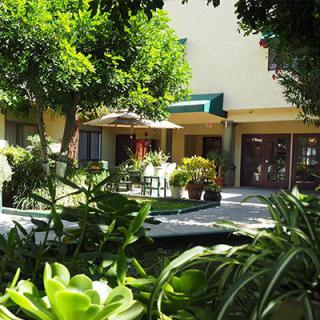
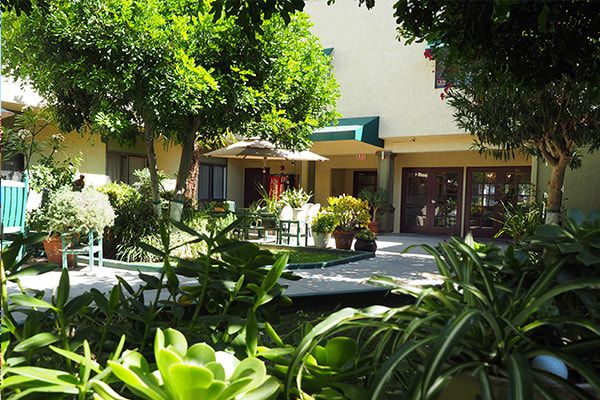
 Garden
 Housekeeping services
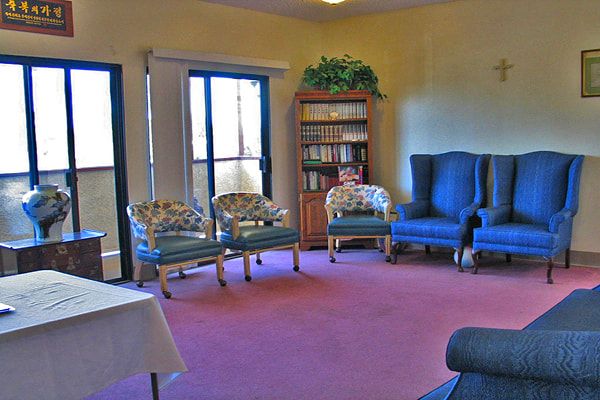
 Indoor common areas
 Kitchenette
 Move-in coordination
 Outdoor space
 Private bathrooms
 Restaurant-style dining
 Small library
 Telephone
 Wellness center
 Wi-Fi/high-speed internet available
 John Wayne Orange Co (14 miles away)
 Community operated transportation
 12-16 hour nursing
 24-hour call system
 Ambulatory care
 Assistance with bathing
 Assistance with dressing
 Assistance with transfers
 Diabetes diet
 Diabetic care
 Medication management
 Mental wellness program
 Special dietary restrictions
 Concierge services
 Planned day trips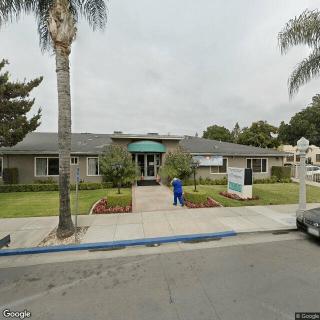



 8 Key Indicators That Suggest It May Be Time to Transition from Assisted Living to Skilled Nursing Care
 Vibrant Senior Living: A Comprehensive Guide for Active Older Adults
 When to Transition from Assisted Living to Memory Care: Key Indicators, Steps, and Finding the Right Community