Residents consistently describe attentive, compassionate caregivers who treat people with dignity.
Across the reviews, families and residents’ visitors repeatedly come back to how attentive and compassionate the staff feel day to day. People describe caregivers as taking time to know residents, staying supportive through changing needs, and showing care that feels personal rather than institutional. Even when reviews focus on other topics like gardens or meals, they often bring the staff back as the main reason the experience feels reassuring.
common10 reviews mention this
Enclosed gardens and outdoor time
Many reviewers highlight secured garden access and relaxing outdoor spaces for residents.
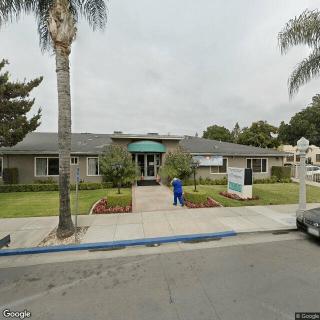
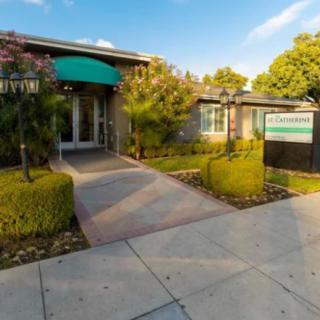
Several reviews emphasize the outdoor setting—especially a parklike, garden-style area that feels designed for residents to enjoy. Reviewers mention residents taking walks in the garden and spending time outdoors in a secured environment. A few also connect the gardens to day-to-day comfort, describing fountains/roses and an overall home-like feel.
common7 reviews mention this
Food gets frequent attention
Food and meal quality come up often, ranging from nutritious and exceptional to only OK.
Meals are a recurring point in the reviews. Some residents’ families describe nutritious meals and especially praise food as exceptional, while another reviewer says the food was “OK” rather than great. At the same time, multiple mentions tie meals to the overall care experience rather than treating dining as an afterthought.
common8 reviews mention this
Activities and social connection
Reviewers frequently point to activities that help residents stay engaged and connected.
Reviews often describe meaningful daily activities and social opportunities for residents. Families mention games, weekly outings, and holiday events where families can participate, noting how these moments help residents connect with others. Some also frame the activity schedule as part of what makes the community feel more welcoming and home-like.
caveat2 reviews mention this
Some concerns after ownership change
A small subset of reviewers report serious concerns about treatment and upkeep.
While most reviews are positive about the community experience, a couple of reviewers raise sharp complaints. These comments focus on how the place has changed after an ownership transition and include concerns about staff behavior toward neighbors and neighborhood upkeep related to landscaping. Those negative experiences stand apart from the broader pattern of praise in the remaining reviews.
How we summarize
Counts show how many written reviews mention each theme; a review can touch several themes, and only frequently mentioned themes are displayed.
Features
Housing
6 resident community capacity
Types of Care
Assisted Living
Board and Care Home
Respite Care
Amenities
Cable or satellite TV
Dining room
Fully furnished
Garden
Housekeeping services
Move-in coordination
Outdoor space
Telephone
Wi-Fi/high-speed internet available
Transportation
John Wayne Orange Co (14 miles away)
Long Beach (Daugherty) (14 miles away)
Ontario International (22 miles away)
Care Services
24-hour supervision
Activities of daily living assistance
Assistance with bathing
Assistance with dressing
Assistance with transfers
Coordination with health care providers
Diabetes diet
Meal preparation and service
Medication management
Special dietary restrictions
Transportation arrangement (medical)
Transportation to doctors appointments
Dining
Diabetes diet
Special dietary restrictions
Activities
Community-sponsored activities
Scheduled daily activities
Nearby Places of Interest
Pharmacies
Walgreens (0.3 miles)
CVS Pharmacy (1.8 miles)
CVS Pharmacy (2.3 miles)
Walgreens (2.7 miles)
CVS Pharmacy (2.8 miles)
Walgreens (2.8 miles)
CVS Pharmacy (3 miles)
Restaurants
Olde Ship (0.8 miles)
Chick-Fil-A (1.3 miles)
In-N-Out Burger (1.3 miles)
McDonald's (1.4 miles)
Summit House Restaurant (1.8 miles)
The Hat (2.8 miles)
Lazy Dog Restaurant & Bar (2.9 miles)
Theaters
AMC DINE-IN Fullerton 2 (1.1 miles)
Century Theatres (5.1 miles)
Regal Yorba Linda & Imax (5.7 miles)
AMC Movie Theater (6.5 miles)
Physicians
St Jude Medical Center (1.7 miles)
Kaiser Permanente, Euclid & Romneya (2.5 miles)
St Jude's Heritage Medical Center (3.9 miles)
Kaiser Permanente Medical Building 1 (4.1 miles)
The 200 Building (6.1 miles)
Hospitals
Anaheim Regional Medical Center (2.3 miles)
Choc (7 miles)
Parks
Craig Regional Park (2.5 miles)
Willow Park (4 miles)
Steve Ambriz Memorial Park (4.1 miles)
La Bonita Park (5.2 miles)
Faylane Park (6.2 miles)
Places of Worship
Chinese Baptist Church (2.8 miles)
Cafes
Anaheim Packing District (3 miles)
Mother's Kitchen (3.1 miles)
Starbucks (4.1 miles)
Jolly Holiday Bakery Cafe (4.4 miles)
New Orleans Square (4.5 miles)
La Brea Bakery Express (4.6 miles)
Starbucks (4.6 miles)
Transportation
Drr Toontown Station (4.2 miles)
Disneyland Monorail (4.3 miles)
Drr Tomorrowland Station (4.3 miles)
DLRR New Orleans Station (4.5 miles)
Disneyland Monorail - Downtown Disney District Station (4.6 miles)
Activities of Daily Living (ADLs) are fundamental tasks vital for an individual's independence, particularly in older adults over 85, and include functions like bathing and dressing; assessing ADLs alongside Instrumental Activities of Daily Living (IADLs) helps determine the level of required assistance due to age-related health challenges. Tailored support plans, involving family and community resources, are essential for maintaining dignity and autonomy in assisted living environments.
Medicare does not cover assisted living costs, as it focuses on acute medical needs and short-term care, with exceptions for certain medically necessary services like physical therapy. Individuals must explore other options such as Medicaid, veterans' benefits, or long-term care insurance to manage these expenses effectively.
Luxury assisted living offers high-quality senior care in a resort-like environment that combines essential medical support, gourmet dining, and personalized services to enhance residents' independence and well-being. These upscale facilities emphasize holistic health and community-building through customized care plans and social activities, catering to the growing demand for enriched senior living experiences despite higher costs.
Get PricingAsk A QuestionSchedule A TourContact Senior Advisor
By clicking submit, you agree to our Partner's Terms of Use. You
also consent to receive calls and texts, which may be autodialed, from our Partner. Your consent is not a condition to
using our Partner's service. Please visit our Partner's Privacy Policy for information about their privacy practices.

 6 resident community capacity
 Assisted Living
 Board and Care Home
 Respite Care
 Cable or satellite TV
 Dining room
 Fully furnished
 Garden
 Housekeeping services
 Move-in coordination
 Outdoor space
 Telephone
 Wi-Fi/high-speed internet available
 John Wayne Orange Co (14 miles away)
 24-hour supervision
 Activities of daily living assistance
 Assistance with bathing
 Assistance with dressing
 Assistance with transfers
 Diabetes diet
 Meal preparation and service
 Medication management
 Special dietary restrictions
 Transportation arrangement (medical)
 Transportation to doctors appointments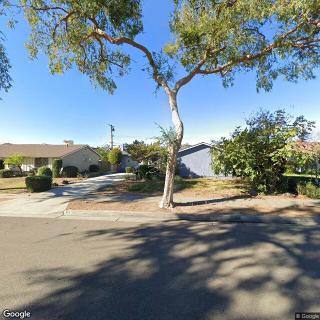
 Affordable memory?care options (semi-private from $1,800) with access to nearby medical services and local amenities.
 Comprehensive Insights into Activities of Daily Living (ADLs) and Their Assessment
 Medicare Coverage for Assisted Living: An In-Depth Exploration
 Your Comprehensive Guide to Luxury Assisted Living: Elevated Facilities, Amenities, and Costs