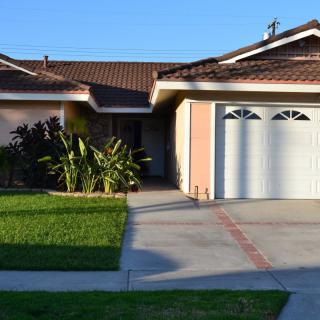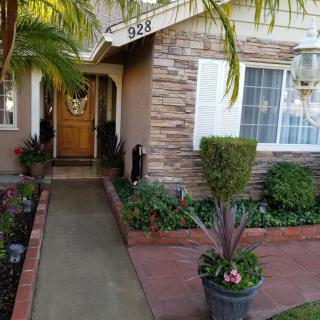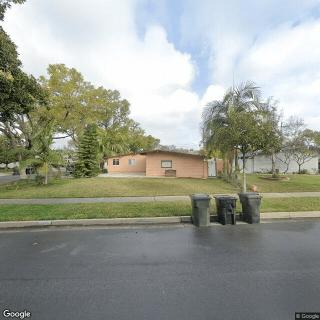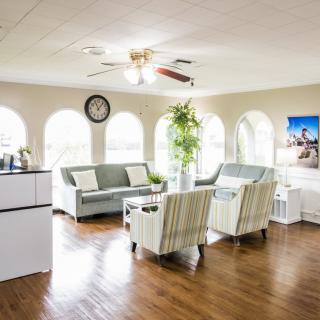
Alternative Senior Care Hollydale in Fullerton, CA

Save
Alternative Senior Care Hollydale

Alternative Senior Care Hollydale in Fullerton, CA

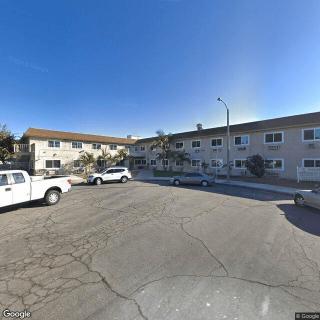
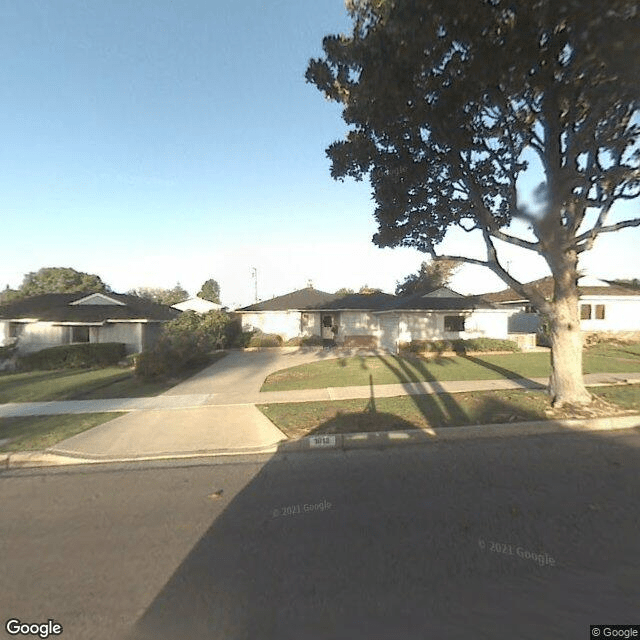
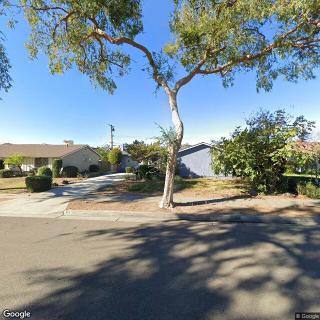
1013 North Hollydale, Fullerton, CA 92831

For more information about senior living options: (844) 490-3973

4.7 from 15 reviews
5 stars
10
4 stars
5
3 stars
0
2 stars
0
1 stars
0

Assisted Living Board and Care Home Memory Care Respite Care

Alternative Senior Care Hollydale Costs & Pricing

Alternative Senior Care Hollydale offers competitive pricing for its residents, particularly when compared to both Orange County and California state averages. For a semi-private room, the monthly cost at Hollydale is $3,000, which is notably lower than the Orange County average of $3,431 and slightly below the California average of $3,333. When it comes to private accommodations and studios, Hollydale maintains a reasonable rate of $4,000 per month for both options; this is a bit lower than the Orange County average of $4,104 for private rooms and compares favorably against the statewide studio average of $4,145. Overall, Alternative Senior Care Hollydale presents an attractive pricing structure that offers quality care without straining financial resources excessively.

Floor plansAlternative Senior Care HollydaleOrange CountyCalifornia
Semi-Private$3,000$3,431$3,333
Private$4,000$4,104$3,939
Studio$4,000$4,313$4,145

Overall Review of Alternative Senior Care Hollydale

Pros

  • pro The staff at JC Cottages truly care for residents.
  • pro Residents are bathed daily and kept clean and well put together.
  • pro The home at JC Cottages is clean and tidy.
  • pro The staff show genuine affection and attentiveness toward residents, even on difficult days.
  • pro Families highly recommend JC Cottages.
  • pro The community takes good care of residents and ensures they have everything they need.
  • pro The facility feels clean, homey, and welcoming.
  • pro The owner and staff are attentive, friendly, and easy to talk to.
  • pro Residents have ample opportunities to socialize and are encouraged to do so.
  • pro The care at Alternative Senior Care is very satisfactory, with warm, attentive staff.

Cons

  • pro The food is not great.
  • pro They charged her for a full month when she was only there for 3 days.
  • pro They provided minimal care for my mom.
  • pro The facility is getting a little old and run down and could use some updates and renovations.
  • pro The fee should have been adjusted given the short stay.

Review

This community is best suited for families seeking a warm, intimate, home-like atmosphere where staff regularly provide hands-on, personal care and residents enjoy a tidy, comfortable living environment with opportunities for social connection in small-group settings. Reviewers consistently note daily personal attention - bathing, dressing, and grooming done with care - and a homey feel reinforced by clean, well-kept common areas. For families prioritizing consistent, compassionate caregiving over high-tech amenities or large, campus-style layouts, Alternative Senior Care Hollydale stands out as a strengths-driven choice.

Those who should consider alternatives include families looking for more clinical oversight, a larger facility footprint, or more formalized programming and medical support. A few reviews flag the building as aging and in need of updates, which can be a signal for residents who expect modern infrastructure or want a facility with the latest safety and accessibility upgrades. Additionally, one case highlights potential billing concerns in hospice scenarios, underscoring the importance of clear, upfront agreements and transparent charging practices. For residents with complex medical needs requiring intensive or highly specialized care, a larger community with dedicated medical staff may be more appropriate.

The strongest pros center on the personal touch and the home atmosphere. Caregivers are praised for being available, attentive, and genuinely caring, making residents feel respected and valued. Cleanliness is a constant theme, with homes described as spotless and well maintained, contributing to a sense of safety and comfort. Meal service is dependable and nutritious, even when the culinary experience doesn't aspire to restaurant quality; the emphasis on home-style meals and adequate nourishment supports overall well-being. Social opportunities also feature prominently - common-room time, organized activities, and staff encouragement help reduce isolation and foster meaningful interactions among residents.

Where the cons loom, they tend to be practical rather than existential. The dining experience, while adequate, is not consistently described as exceptional, which can matter for residents who place a premium on varied or gourmet meals. The facility's age and need for renovations may affect first impressions for some families who equate updated interiors with quality care. A notable negative reference concerns hospice billing and the length of stay versus charges, signaling the necessity for careful contracts and ongoing transparency in any extended end-of-life arrangements. Finally, some families were uncertain about the breadth and frequency of activities, suggesting that those seeking highly structured or expansive programming may want to confirm a specific activity calendar before moving in.

The key question becomes whether the exceptional staff chemistry and home-like environment offset the drawbacks of aging infrastructure and occasional menu modesty. In this setting, the answer leans affirmative for many families. The daily warmth, consistent attentiveness, and clear emphasis on comfort and safety create a bedrock of trust that can compensate for older facilities and occasional service gaps. The ability for staff to connect with residents through regular socialization opportunities and personalized assistance yields a quality-of-life dividend that is often more impactful than the presence of newer appliances or fancier dining options. When a resident values dignity, personalized attention, and a tranquil, homey routine, those benefits frequently eclipse the downsides.

Ultimately, the practical recommendation is clear. If warmth, attentiveness, and small-community intimacy align with what matters most to a loved one, Alternative Senior Care Hollydale represents a compelling option worth pursuing. Prospective families should, however, benchmark expectations against the realities of a slightly older facility and occasional variability in meals or programming. Before deciding, arrange a tour, meet the caregiving team, and review the specific activity schedule, room configurations, and menu plans. Clarify billing terms upfront, especially in transitional or end-of-life scenarios, to ensure confidence that care quality remains the priority. For those who prioritize a heartfelt caregiving culture over polish and scale, this community earns strong consideration.

Features

Housing

  • 6 resident community capacity 6 resident community capacity

Types of Care

  • Assisted Living Assisted LivingAssisted living facilities provide crucial support and care for seniors who may need help with daily tasks such as medication management, bathing, and meal preparation. These communities offer a safe and comfortable environment where seniors can maintain their independence while receiving the assistance they need to thrive in their golden years.
  • Board and Care Home Board and Care HomeBoard and care homes provide a smaller, more intimate setting for seniors who require assistance with daily tasks but do not need the level of care offered by a nursing home. They offer personalized care, meals, and social activities in a homelike environment, ensuring that seniors receive individualized attention and support in their golden years.
  • Memory Care Memory CareMemory care is crucial for seniors as it provides specialized support and services for individuals with dementia or Alzheimer's disease. These programs offer a safe and secure environment where residents receive personalized care, cognitive stimulation, and help with daily activities. Memory care helps seniors maintain their independence, quality of life, and dignity while also providing peace of mind for their families.
  • Respite Care Respite CareRespite care provides temporary relief for caregivers, allowing them to recharge and attend to their own needs. It also gives seniors the opportunity to socialize, receive professional care, and experience a change of scenery, promoting overall well-being and reducing feelings of isolation.

Pets

  • Cats allowed Cats allowed"Pet friendly" senior living communities are important for seniors because pets provide companionship, reduce feelings of loneliness and depression, promote physical activity and mental stimulation, and offer a sense of purpose and responsibility. Pets can improve overall well-being and quality of life for seniors in many ways.
  • Dogs allowed Dogs allowed"Pet friendly" senior living communities are important for seniors because pets provide companionship, reduce feelings of loneliness and depression, promote physical activity and mental stimulation, and offer a sense of purpose and responsibility. Pets can improve overall well-being and quality of life for seniors in many ways.

Amenities

  • Cable or satellite TV Cable or satellite TVCable or satellite TV is important for seniors because it provides entertainment, news, and companionship, helping to combat loneliness and boredom. It also offers a wide range of programming options tailored to different interests and preferences.
  • Dining room Dining roomDining rooms are important for seniors as they provide a space for socialization, connection, and nutritious meals. They offer opportunities for residents to bond over shared meals, foster a sense of community, and promote healthy eating habits. Dining rooms also ensure that seniors have access to well-balanced meals tailored to their dietary needs and preferences.
  • Fully furnished Fully furnishedFully furnished senior living communities are important for seniors because they provide convenience, comfort, and a hassle-free moving experience. Seniors can easily settle into their new living space without the stress of having to buy and move furniture. This allows them to focus on enjoying their new home and community.
  • Garden GardenGardens are important for seniors as they provide a peaceful and therapeutic environment for relaxation, physical activity, and socialization. Being in nature has been shown to reduce stress, improve mood, and promote overall well-being. Gardens also offer opportunities for seniors to engage in gardening activities, which can improve mobility, flexibility, and cognitive function. Additionally, gardens create a sense of community and connection with others who share a passion for plants and outdoor spaces.
  • Housekeeping services Housekeeping servicesHousekeeping services are important for seniors because they help maintain a clean and safe living environment, promote independence, and reduce the risk of accidents or illnesses. Additionally, having assistance with household chores can alleviate physical strain and allow seniors to focus on other aspects of their well-being.
  • Move-in coordination Move-in coordinationMove-in coordination is important for seniors because it helps ease the transition into their new living environment. It ensures that all logistics, such as packing, organizing movers, and setting up utilities are taken care of, allowing seniors to focus on settling in and adjusting to their new home. Having a smooth move-in process can alleviate stress and anxiety, making the transition smoother and more enjoyable for seniors.
  • Outdoor space Outdoor spaceOutdoor spaces are important for seniors as they provide opportunities for physical activity, social interaction, exposure to natural light and fresh air, and a sense of connection to nature. Having access to outdoor spaces can improve overall well-being and quality of life for older adults living in senior communities.
  • Private PrivatePrivacy is important for seniors as it allows them to maintain their independence, dignity, and sense of control over their own lives. It also gives them the space and freedom to relax, reflect, and engage in activities that bring them joy and fulfillment. Creating private spaces within senior living facilities is crucial for promoting overall well-being and quality of life.
  • Respite or short term stays offered Respite or short term stays offeredRespite or short term stays provide seniors with a temporary solution when their regular caregiver is unavailable, offering them the opportunity to receive additional care and support during times of need, while also giving caregivers a chance to rest and recharge.
  • Telephone TelephoneTelephones are important for seniors as they provide a lifeline for communication with loved ones, emergency services, and healthcare providers. They offer a sense of security and independence, enabling seniors to stay connected and access assistance when needed.
  • Wi-Fi/high-speed internet available Wi-Fi/high-speed internet availableWi-Fi/high-speed internet is important for seniors to stay connected with loved ones, access online resources, and participate in virtual activities to combat feelings of loneliness and isolation. It also allows them to easily manage healthcare needs, access entertainment, and engage in lifelong learning opportunities.

Transportation

  • John Wayne Orange Co (14 miles away) John Wayne Orange Co (14 miles away)
  • Long Beach (Daugherty) (15 miles away) Long Beach (Daugherty) (15 miles away)
  • Ontario International (21 miles away) Ontario International (21 miles away)

Care Services

  • 24-hour supervision 24-hour supervision24-hour supervision is important for seniors to ensure their safety, well-being, and access to immediate assistance in case of emergencies or health issues. This constant support provides peace of mind for both seniors and their loved ones, allowing them to age in place with dignity and security.
  • Activities of daily living assistance Activities of daily living assistanceActivities of daily living assistance are important for seniors because they provide essential support with tasks such as eating, bathing, dressing, and mobility. This assistance helps seniors maintain their independence, dignity, and overall quality of life as they age.
  • Assistance with bathing Assistance with bathingAssistance with bathing is crucial for seniors as it helps maintain personal hygiene, prevents infections, and ensures their overall well-being and comfort. It also provides a sense of dignity and independence for seniors who may struggle with this task on their own.
  • Assistance with dressing Assistance with dressingAssistance with dressing is important for seniors because it helps maintain their independence, promotes personal hygiene, prevents accidents and injuries, and improves overall quality of life. This service ensures that seniors can continue to dress comfortably and confidently, despite any physical limitations they may have.
  • Assistance with transfers Assistance with transfersAssistance with transfers is crucial for seniors as it helps prevent falls and injuries, maintains their independence, and ensures they can safely navigate their living environment. It also provides peace of mind for both seniors and their loved ones.
  • Coordination with health care providers Coordination with health care providersCoordination with health care providers is crucial for seniors to ensure proper medical care, medication management, and overall well-being. This collaboration helps prevent overlapping treatments, track progress more effectively, and provide comprehensive support tailored to individual needs.
  • Diabetes diet Diabetes dietA diabetes diet is crucial for seniors as it helps manage blood sugar levels, reduce risks of complications, and improve overall health and well-being. By following a balanced and nutritious diet tailored to their specific needs, seniors can better control their diabetes and enhance their quality of life.
  • Diabetic care Diabetic careDiabetic care is crucial for seniors as they are more susceptible to developing diabetes due to aging and other health conditions. Proper management of diabetes can help prevent complications such as heart disease, vision loss, and nerve damage, improving the overall quality of life for seniors in senior living communities.
  • High acuity care High acuity careHigh acuity care is important for seniors because it provides specialized medical attention and support for individuals with complex medical needs. This level of care ensures that seniors receive the appropriate treatment and assistance to maintain their health and quality of life as they age.
  • Incontinence care Incontinence careIncontinence care is essential for seniors to maintain their dignity, hygiene, and overall quality of life. By addressing incontinence issues promptly and effectively, seniors can enjoy a sense of independence and comfort in their daily activities.
  • Meal preparation and service Meal preparation and serviceMeal preparation and service are crucial for seniors as they may have limited mobility or energy to cook nutritious meals. Having access to healthy and convenient food options can ensure they are getting the proper nutrition needed to maintain their overall health and well-being.
  • Medication management Medication managementMedication management is crucial for seniors to ensure they are taking the right medications at the correct dosages and times. This helps prevent adverse drug interactions, reduces the risk of medication errors, and promotes overall health and well-being. Proactive management also allows for adjustments as needed based on changing health conditions or new prescriptions.
  • Special dietary restrictions Special dietary restrictionsSpecial dietary restrictions are important for seniors because age-related changes in metabolism and health conditions can make it difficult for their bodies to process certain foods. By following a diet tailored to their specific needs, seniors can maintain their overall health and well-being, manage chronic conditions, and reduce the risk of complications such as malnutrition or food interactions with medications.
  • Transportation arrangement (medical) Transportation arrangement (medical)Transportation arrangements for medical purposes are essential for seniors as they may have difficulty driving themselves to appointments or accessing public transportation. Having reliable and safe transportation options ensures that seniors can receive timely medical care and maintain their health and well-being.
  • Transportation to doctors appointments Transportation to doctors appointmentsTransportation to doctors' appointments is crucial for seniors as it ensures they have access to necessary medical care and support for their health needs. Without reliable transportation, seniors may struggle to attend important appointments, leading to potential delays in treatment and health complications. Providing transportation services helps seniors maintain their overall well-being and quality of life.
Dining

  • Diabetes diet Diabetes dietA diabetes diet is crucial for seniors as it helps manage blood sugar levels, reduce risks of complications, and improve overall health and well-being. By following a balanced and nutritious diet tailored to their specific needs, seniors can better control their diabetes and enhance their quality of life.
  • Special dietary restrictions Special dietary restrictionsSpecial dietary restrictions are important for seniors because age-related changes in metabolism and health conditions can make it difficult for their bodies to process certain foods. By following a diet tailored to their specific needs, seniors can maintain their overall health and well-being, manage chronic conditions, and reduce the risk of complications such as malnutrition or food interactions with medications.

Activities

  • Community-sponsored activities Community-sponsored activitiesCommunity-sponsored activities are important for seniors as they provide opportunities for social interaction, mental stimulation, and physical activity. These activities can help improve overall well-being, combat loneliness and isolation, and promote a sense of belonging and purpose among older adults.
  • Scheduled daily activities Scheduled daily activitiesScheduled daily activities are important for seniors because they provide structure, socialization, mental stimulation, and physical activity. Engaging in regular activities can improve overall well-being and quality of life for seniors living in a community setting.

Description

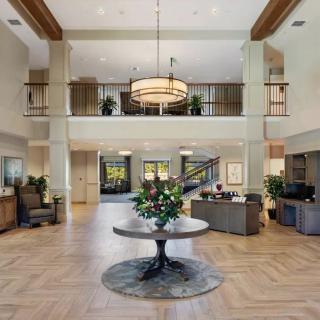
Alternative Senior Care Hollydale in Fullerton, CA is a premier assisted living community that offers a wide range of care services and amenities to ensure the comfort and well-being of its residents. With a focus on providing personalized attention and support, this community offers board and care home, memory care, and respite care options.

The community boasts a variety of amenities designed to enhance the quality of life for its residents. A spacious dining room provides a comfortable setting for residents to enjoy delicious meals that cater to special dietary restrictions. The fully furnished accommodations offer a cozy and homely atmosphere, while the outdoor spaces and garden provide opportunities for relaxation and enjoyment of nature. Housekeeping services ensure that the community remains clean and well-maintained at all times. Move-in coordination is also provided to make transitioning into this community as seamless as possible.

A highlight of Alternative Senior Care Hollydale is its comprehensive range of care services. Qualified staff members are available to assist with activities of daily living such as bathing, dressing, and transfers. Coordination with health care providers ensures that residents receive necessary medical attention when needed. For individuals with diabetes, specialized dietary plans and diabetic care are available. The community also offers high acuity care for those requiring more intensive support, as well as incontinence care.

Meal preparation and service alleviates any concerns about cooking or meal planning for residents, allowing them to simply enjoy their meals without worry. Medication management ensures that medications are taken correctly and on time. Transportation arrangement for medical appointments is provided for convenience, ensuring that residents can easily access necessary healthcare services.

Alternative Senior Care Hollydale places great importance on promoting an active lifestyle among its residents by offering scheduled daily activities. These activities provide opportunities for socialization, engagement, and personal fulfillment. Additionally, the community benefits from its convenient location with several cafes, parks, pharmacies, physicians' offices, restaurants, transportation options nearby.

In summary, Alternative Senior Care Hollydale offers a compassionate and inclusive assisted living community that creates a nurturing environment for seniors. With its comprehensive care services, attractive amenities, and convenient location, residents can enjoy a fulfilling and comfortable lifestyle at this exceptional community.

Nearby Places of Interest

This part of Fullerton, California offers a convenient and diverse range of amenities for seniors looking to settle in the area. There are several pharmacies nearby, making it easy to access medication and healthcare supplies. Numerous dining options cater to various tastes, from fast food chains like McDonald's to upscale restaurants like Summit House Restaurant. For entertainment, there are movie theaters within a short driving distance and beautiful parks for leisurely walks or picnics. The presence of reputable hospitals and medical centers such as St Jude Medical Center and Kaiser Permanente ensures accessible healthcare services. Additionally, places of worship offer spiritual fulfillment, while public transportation options like bus stops and train stations provide easy mobility for seniors without personal vehicles. Overall, this neighborhood provides a well-rounded living environment with a mix of convenience, entertainment, healthcare, and community resources.

Pharmacies

  • Walgreens (0.4 miles)
  • CVS Pharmacy (1.8 miles)
  • CVS Pharmacy (2.4 miles)
  • Walgreens (2.4 miles)
  • CVS Pharmacy (2.4 miles)
  • CVS Pharmacy (2.6 miles)
  • CVS Pharmacy (2.9 miles)

Restaurants

  • Olde Ship (1.2 miles)
  • Summit House Restaurant (1.4 miles)
  • Chick-Fil-A (1.7 miles)
  • In-N-Out Burger (1.7 miles)
  • McDonald's (1.8 miles)
  • The Hat (2.3 miles)
  • Lazy Dog Restaurant & Bar (2.5 miles)

Theaters

  • AMC DINE-IN Fullerton 2 (1.6 miles)
  • Century Theatres (5.3 miles)
  • Regal Yorba Linda & Imax (5.4 miles)
  • AMC Movie Theater (6.7 miles)

Physicians

  • St Jude Medical Center (1.6 miles)
  • Kaiser Permanente, Euclid & Romneya (2.9 miles)
  • St Jude's Heritage Medical Center (3.6 miles)
  • Kaiser Permanente Medical Building 1 (3.9 miles)
  • The 200 Building (6.4 miles)

Parks

  • Craig Regional Park (2.1 miles)
  • Steve Ambriz Memorial Park (4.1 miles)
  • Willow Park (4.4 miles)
  • La Bonita Park (5.1 miles)
  • Faylane Park (6.6 miles)

Cafes

  • Mother's Kitchen (2.7 miles)
  • Anaheim Packing District (3.4 miles)
  • Starbucks (3.6 miles)
  • Jolly Holiday Bakery Cafe (4.8 miles)
  • New Orleans Square (4.8 miles)
  • La Brea Bakery Express (5 miles)
  • Starbucks (5 miles)

Hospitals

  • Anaheim Regional Medical Center (2.8 miles)
  • Choc (7.2 miles)

Places of Worship

  • Chinese Baptist Church (3.2 miles)

Transportation

  • Drr Toontown Station (4.6 miles)
  • Disneyland Monorail (4.7 miles)
  • Drr Tomorrowland Station (4.7 miles)
  • DLRR New Orleans Station (4.9 miles)
  • Disneyland Monorail - Downtown Disney District Station (5 miles)
  • Hertz Rent A Car (5.3 miles)
  • Metro La Mirada & Alondra Bus Stop (5.3 miles)

Frequently Asked Questions

How much does it cost to live at Alternative Senior Care Hollydale in Fullerton, CA?
Where is Alternative Senior Care Hollydale?
Does Alternative Senior Care Hollydale provide care for residents with dementia or Alzheimer's disease?
Does Alternative Senior Care Hollydale allow residents to have pets?

Nearby Communities

  • A1 Residential Care Facility

    A1 Residential Care Facility

    Fullerton, CA

    5 from 1 review
    $1,800 to $2,600 / month

    pro Affordable memory?care options (semi-private from $1,800) with access to nearby medical services and local amenities.

  • A1

    A1

    Fullerton, CA

    4.6 from 37 reviews
     

    pro Small, home-like setting with personalized care and comprehensive daily living support.

  • Glenwood Care

    Glenwood Care

    Fullerton, CA

    4.5 from 24 reviews
    $3,500 / month

    pro Compassionate, attentive staff with a clean, peaceful environment.

  • Acacia Villas

    Acacia Villas

    Fullerton, CA

    3.9 from 36 reviews
    $1,600 to $3,800 / month

    pro Clean, well-maintained community with friendly staff and engaging activities.

  • Ameridge Residential Care

    Ameridge Residential Care

    Fullerton, CA

    5 from 6 reviews
     

    pro Small, home-like 6-bed setting with personalized care and diabetes-friendly meals.

  • Gordon Lane Care Center

    Gordon Lane Care Center

    Fullerton, CA

    4 from 97 reviews
     

    pro Compassionate staff in a clean, welcoming environment.

  • Oakmont of Fullerton

    Oakmont of Fullerton

    Fullerton, CA

    4 from 75 reviews
    $4,095 to $9,195 / month

    pro Beautiful, upscale facility with attentive staff and engaging amenities.

  • Palms Retirement Center

    Palms Retirement Center

    Fullerton, CA

    4.7 from 104 reviews
    $1,800 to $3,495 / month

    pro Friendly, attentive staff; clean facility; good communication; affordable pricing.

  • Ivy Park at Bradford

    Ivy Park at Bradford

    Placentia, CA

    4.6 from 75 reviews
    $3,695 to $4,895 / month

    pro Friendly, professional staff; engaging activities; clean, homelike environment.

Related Resources

  • va nursing homeComprehensive Guide to VA Nursing Homes: A Crucial Long-Term Care Resource for Veterans

    VA nursing homes, or Community Living Centers (CLCs), offer tailored long-term care for veterans, featuring medical attention and rehabilitation in a supportive environment. The guide covers facility types, eligibility criteria, financial assistance options, quality of care standards, and alternatives to full-time nursing home placement.

  • in home dementia care costsEstimating the Expenses of At-Home Dementia Care: A Detailed Exploration

    At-home dementia care expenses vary widely based on care levels, location, and caregiver expertise, with monthly costs for home health aides exceeding $4,500 and specialized care potentially surpassing $100,000 annually. While families favor in-home care for its comfort and personalized attention, they must consider financial planning and the challenges of caregiver fatigue.

  • end stage dementiaComprehensive Insights on the Late Stages of Dementia: What to Expect and How to Provide Care

    The article discusses the late stages of dementia, detailing the progression from mild to severe impairment and highlighting key characteristics such as profound cognitive decline and dependency in daily activities. It emphasizes care strategies focused on comfort and dignity, the importance of advance directives, and the emotional support needed for family caregivers facing this challenging journey.