
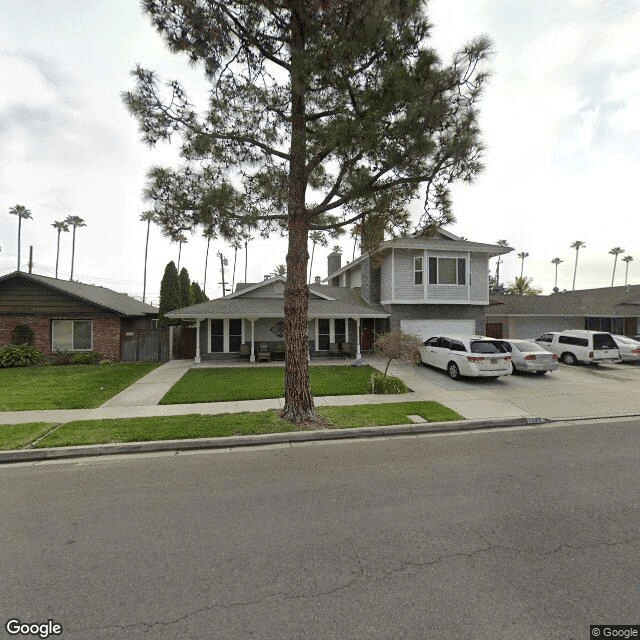
3080 Madison Ave, Costa Mesa, CA 92626
To contact a resident: (800) 707-4939
For more information about senior living options: (866) 208-4318
Guardian Senior Homes on Madison Costs & Pricing
At Guardian Senior Homes on Madison, the monthly costs for housing reflect a premium compared to both Orange County and the broader state of California. For a one-bedroom unit, residents can expect to pay $5,000, which is significantly higher than the county average of $4,380 and the state average of $4,340. Similarly, for private rooms, Guardian Senior Homes charges $5,000 as opposed to just $4,104 in Orange County and $3,939 statewide. This pricing suggests that while Guardian Senior Homes offers distinct amenities or services that may justify the higher rates, families considering this option should weigh these costs against available alternatives within the region.
| Floor plans | Guardian Senior Homes on Madison | Orange County | California |
|---|---|---|---|
| 1 Bedroom | $5,000 | $4,380 | $4,340 |
| Private | $5,000 | $4,104 | $3,939 |
Memory care communities with a similar price nearby
-
from -$500 / mo
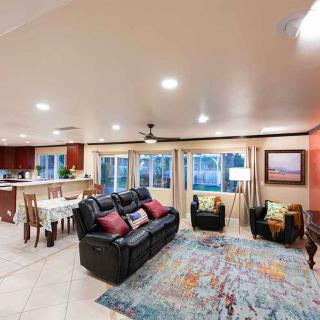
Casa Bella
$4,500 / month11.6 miles away -
from -$500 / mo
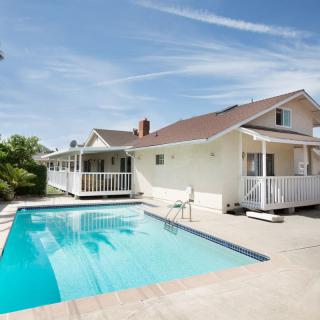
Blessings Senior Care
$4,500 to $5,500 / month10.8 miles away -
from -$500 / mo
Adriana Elderly Care Home I
$4,500 / month13.5 miles away -
from +$485 / mo

Park Terrace
$5,485 to $6,850 / month18.4 miles away -
from -$160 / mo
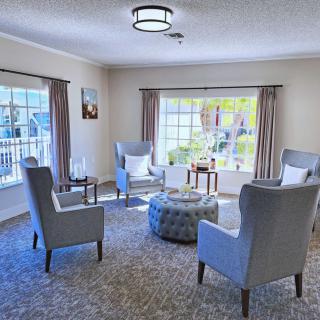
Crescent Landing at Santa Ana Memory Care
$4,840 to $6,825 / month1.2 miles away
Overall Review of Guardian Senior Homes on Madison
Pros
 The staff provides utmost kindness and care to residents.
- The community feels like home, with warm welcomes from both residents and staff.
- The activities director facilitates pet therapy by sharing the dog with residents.
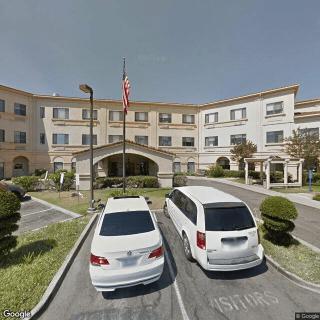
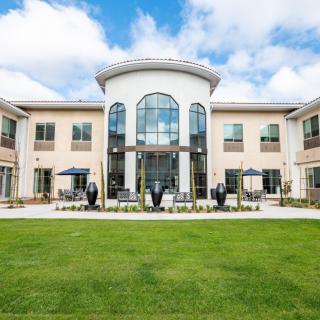
- The grounds are lush and green, and the cottages are clean, well-maintained, and cozy.
- Newport Mesa Senior Living is highly recommended for loved ones.
- The outdoor area is inviting and a standout feature in memory care.
- The staff has long tenure, resulting in low turnover and stability.
- The community benefits from many volunteers, creating a lively atmosphere.
- Visiting professionals often regard the community as a favorite due to the friendly team and thriving residents.
- The staff demonstrates proactive planning for episodes and keeps residents safe while allowing expression.
Cons
 The staff hardly cares about their residents.
- They are only changed twice in the morning and by the second time they are soaked in their own feces.
- They are left at the tables with no activities.
- The staff are inefficient and will do whatever they can to cut corners.
- These are human beings living here that shouldn't be talked to like their children.
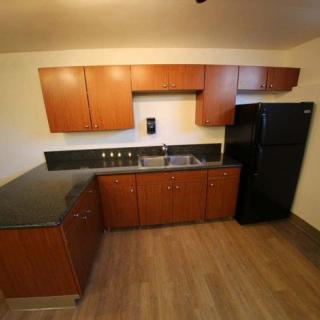
- The kitchen is disgusting, roaches, gnats, mold.
Review
Guardian Senior Homes on Madison in Costa Mesa is best suited for families seeking a warm, home-like memory-care oriented assisted living where residents are known by name and daily life centers on meaningful engagement. This community will appeal to families who prize stable, relationship-driven care, predictable routines, and a calendar packed with activities that keep residents socially connected. For memory care especially, the right fit emerges when staff turnover feels low, caregivers know the residents’ histories, and the environment feels calm yet lively enough to provide purpose each day. If Guardian delivers on those attributes, it becomes a strong choice for a loved one who thrives on personal attention, steady structure, and opportunities to participate in a bustling but intimate community life.
Those evaluating alternatives should be mindful of situations where budgets are tight or where medical needs require more intensive, around-the-clock nursing oversight. If cost pressures rise, or if a resident requires highly specialized medical management beyond standard assisted living care, families may want to compare options that clearly publish higher nurse-to-resident ratios or more on-site medical support. Likewise, if a community struggles with consistent staffing or cleanliness issues, alternatives with proven records of daily oversight, robust housekeeping, and responsive administration deserve serious consideration. The cautionary lessons from broader market reviews underline the importance of verifiable staffing stability, reliable care routines, and transparent communication when choosing memory-care or assisted-living housing.
The strongest market signals point to several pros that typically drive positive outcomes in this space: staff who feel invested in residents’ well-being, long-tenured teams, and a culture that feels familial rather than formal. When caregivers are familiar faces, they anticipate needs, respond quickly, and coordinate with families without prompting. A lively activity slate, ranging from therapeutic programming to social events, and a well-maintained, attractive setting help residents stay engaged without feeling custodial. In communities nearby, families frequently highlight the empowerment of residents through meaningful activities, clear and compassionate communication from leadership, and a clean, inviting atmosphere. Those same dynamics are what families should expect Guardian to demonstrate: consistent, caring contact with residents and a daily rhythm that blends dignity with stimulation.
Where concerns arise in this segment of the market, they tend to center on care consistency, hygiene, and the perceived seriousness with which staff approach daily duties. In reviews of comparable facilities, instances of neglect or under-staffing translate into poor dining experiences, unfinished activities, or residents left at tables without supervision. The offsetting factor is straightforward: Guardian must show demonstrable, verifiable standards of care, including attentive supervision, rigorous housekeeping, clean dining areas, and proactive engagement with residents’ personal histories and preferences. When these elements align, the criticisms seen in isolated cases evaporate and the community earns trust through repeat demonstrations of reliability, respect, and responsive leadership.
To make a confident decision, families should pursue a targeted due-diligence conversation. Ask Guardian for current caregiver-to-resident ratios on each shift, turnover rates over the past year, and examples of how care plans adapt as memory care needs evolve. Request a detailed daily schedule that shows how residents are engaged from morning through evening, including dining, activities, mobility assistance, and restorative therapies. Inspect the dining experience for menu variety and presentation, and observe housekeeping and common-area cleanliness during a tour. Finally, compare these metrics against nearby options, especially those noted for strong stability and thriving activity programs, to determine which community most consistently delivers the level of care, warmth, and predictable routine a family can rely on.
In sum, Guardian Senior Homes on Madison is a compelling option for families pursuing a warm, engaged, memory-care capable environment where residents are treated with dignity and staff stability supports meaningful daily life. The ideal match occurs when the community can demonstrate steady staffing, active resident programming, and a clean, welcoming atmosphere that lasts beyond the initial impression. Alternatives become attractive when cost pressure, higher medical needs, or gaps in daily oversight come into play. For families ready to tour, the decisive factors will be staffing consistency, the quality and variety of activities, and the degree to which care plans are personalized and transparently communicated.
 Board and Care Home
 Memory Care
 Activities on-site
 Beautician on-site
 Devotional services on-site
 Indoor common areas
 Private
 Private bathrooms
 Wheelchair accessible showers
 John Wayne Orange Co (2 miles away)
 Diabetic care
 High acuity care
 Incontinence care
 Medication management
 Gluten-free
 BBQs or picnics
 Birthday parties
 Live dance or theater performances
 Live musical performances



 When Dementia Sparks Anger and Aggression: Understanding the Connection and Ways to Cope
 Dementia Behaviors: In-Depth Understanding and Effective Coping Strategies
 5 Early Indicators of Dementia and What You Can Do