
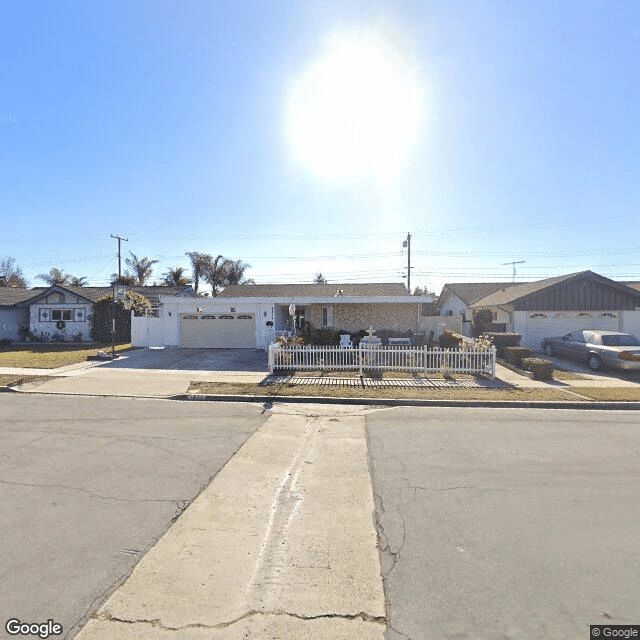
1311 Stonefield Street, Costa Mesa, CA 92626
To contact a resident: (714) 549-4951
For more information about senior living options: (866) 208-4318
Holy Family Manor Costs & Pricing
Holy Family Manor offers competitive pricing for its room options compared to both Orange County and the broader California market. For those considering a semi-private room, Holy Family Manor charges $3,000 per month, which is notably lower than the average costs in Orange County at $3,431 and California's statewide average of $3,333. Furthermore, for private rooms, Holy Family Manor's rate of $4,500 aligns closely with the regional landscape; it exceeds Orange County's average of $4,104 but remains above California's overall average of $3,939. This pricing structure positions Holy Family Manor as an attractive option for individuals seeking quality accommodations that balance affordability with care standards in a competitive environment.
| Floor plans | Holy Family Manor | Orange County | California |
|---|---|---|---|
| Semi-Private | $3,000 | $3,431 | $3,333 |
| Private | $4,500 | $4,104 | $3,939 |
Senior living communities with a similar price nearby
-
from -$375 / mo

Berryman Health Inc
$2,625 to $3,050 / month11.2 miles away -
from +$500 / mo
Kind Heart Home Care VI
$3,500 to $5,000 / month24.7 miles away -
from +$500 / mo
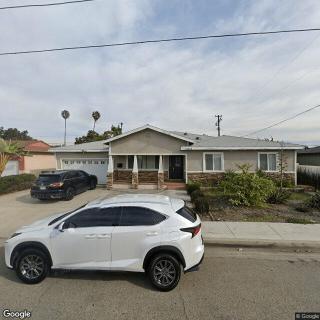
Loving Home Care
$3,500 to $4,500 / month7.5 miles away -
from +$300 / mo
Bella Manor II
$3,300 to $4,290 / month13.5 miles away -
from -$200 / mo
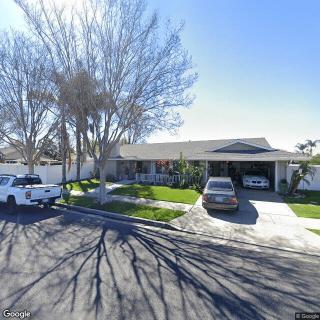
Candlewood Care Home III
$2,800 to $3,400 / month7.4 miles away
Overall Review of Holy Family Manor
Pros
 Ivan, the manager, is wonderful.
- Maintenance David is incredibly hardworking and kind; he is a master of repairs.
- Ivan and David receive high praise from residents.
- The building redoes units before move-in, which is nice.
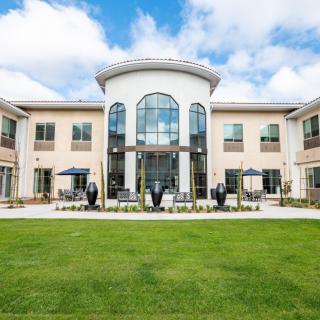
- The backyard is beautiful, making the old building feel nicer.
- The residents feel like a second family and are close-knit.
Cons
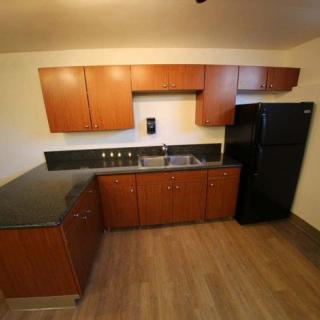
 The interior of the building is horrible.
- The paint, furniture, walls, and floors are filthy.
- The unit has never been painted or cleaned.
- The workout room is unusable.
- The building is very old.
- The trash rooms are filthy.
- The building is run down and filthy.
- Seniors are financially desperate and have to move into this dump.
Review
Holy Family Manor in Costa Mesa is best suited for seniors who prize a warm, neighborly atmosphere and steady, hands-on support more than showroom polish. This community delivers a strong sense of belonging through a close-knit resident group and reliable on-site attention from a capable management team. An older building is accepted in exchange for responsive service: residents report that Ivan, the manager, and maintenance lead David are dependable, personable, and quick to address issues. Units are refreshed before move-in, which helps soften the sting of the aging shell. The setting in Costa Mesa enhances lifestyle potential, offering convenient access to the area’s amenities while preserving a small-community feel that many seniors value.
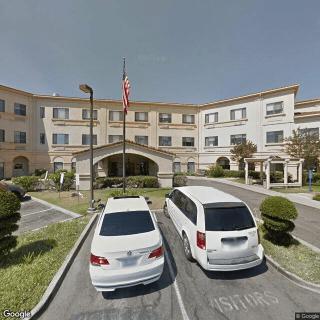
However, this is not a pristine, state-of-the-art facility. The building’s interior and common areas carry a heavy toll of age, with persistent cleanliness lapses that are hard to overlook. Reviewers describe filthy paint, furniture, and floors, along with dog-stain residues and poorly maintained trash rooms. The workout room is reportedly unusable, and the overall physical plant feels worn and dated. For families seeking sparkling surfaces, modern design, and every amenity in top condition, alternatives should be found. The reality of the physical environment weighs against the otherwise welcoming culture, and it matters to prospective residents who want confidence in daily surroundings as much as in staff responsiveness.
Still, the strongest positives hinge on human factors. The management team is praised for honesty, accessibility, and a proactive approach, with the maintenance crew delivering repairs promptly and with care. The premise of a second-family vibe in the hallways adds immense practical value: neighbors look out for one another, share social connections, and create informal support networks that can ease transitions for new residents. The ability to see a unit freshly refreshed before occupancy reduces some stress, and the backyard’s beauty stands out as a practical draw for outdoor time and social gatherings. Taken together, these pros can offset the rough edges of aging infrastructure if the primary need is companionship and dependable service.
Yet the cons do not disappear with good intent. The facility’s age translates into ongoing maintenance challenges that rarely vanish, and the environment can feel dilapidated rather than lived-in. For some, the cleanliness concerns erode comfort and trust, especially in spaces designed for daily use like kitchens, corridors, and the exercise area. The sense that older residents may be financially constrained adds another layer of complexity, potentially influencing how quickly improvements happen and how much residents can invest in enhancements. The wait for an available apartment also matters: a carryover effect is a longer horizon before stabilizing in a preferred unit, which compounds dissatisfaction for those who need timely placement.
Practical due diligence should focus on a candid tour that isolates condition issues and tests function. Prospective residents should request fresh photos or a recent walk-through of the actual unit, verify the condition of common areas, and confirm there is a reliable maintenance cadence beyond initial visits. Inquiries about renovation plans, potential upgrades, and the status of amenities, especially the fitness space, will illuminate whether the current state is temporary or structural. Since there is a noticeable wait for apartments, families should plan for a longer decision timeline and use that period to speak with current residents about day-to-day life, cleanliness, and reliability of service.
In the right circumstances, Holy Family Manor can be a practical, supportive home where seniors feel valued and well cared for, anchored by responsive staff and a daily rhythm that reinforces independence. For those for whom pristine interiors, fully modern amenities, and turnkey play a central role in quality of life, alternatives deserve serious consideration. The key is clear alignment between personal priorities, community and dependable care versus condition and polish, and the realities described: a solid support network within an aging but livable building that requires tolerance and patience. When that match exists, the community rewards with connection; when it does not, it becomes a signal to look elsewhere.
 Board and Care Home
 Private
 John Wayne Orange Co (3 miles away)
 Diabetic care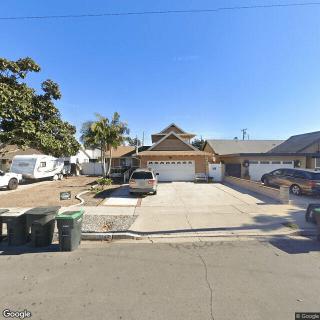
 A Detailed Exploration of Living Wills and Advance Directives
 Comprehensive Guide to Medicare Coverage for Hospice Care
 Caring for Those Who Care: Recognizing, Understanding, and Overcoming Caregiver Burnout