
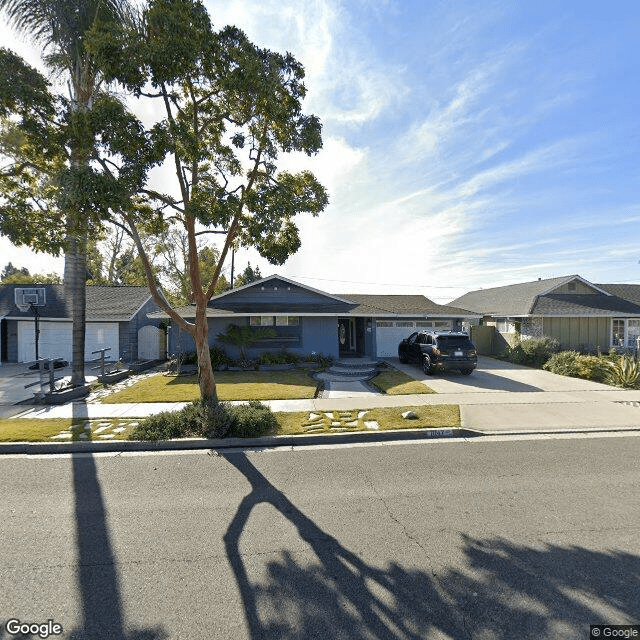
1047 Cheyenne Street, Costa Mesa, CA 92626
To contact a resident: (714) 662-0546
For more information about senior living options: (866) 208-4318
The Seraphim Costs & Pricing
The Seraphim offers competitive pricing for its private room accommodations, with a monthly cost of $2,800. This is significantly lower than the average charge in Orange County, which stands at $4,104, as well as the broader California average of $3,939. Such pricing positions The Seraphim as an attractive option for individuals seeking quality care without the financial strain often associated with similar facilities in the region. With costs considerably below county and state averages, The Seraphim not only provides an appealing alternative but also reflects a commitment to accessibility while maintaining high standards of service and comfort.
| Floor plans | The Seraphim | Orange County | California |
|---|---|---|---|
| Private | $2,800 | $4,104 | $3,939 |
Senior living communities with a similar price nearby
-
from -$175 / mo

Berryman Health Inc
$2,625 to $3,050 / month11.0 miles away -
from +$500 / mo
Bella Manor II
$3,300 to $4,290 / month14.0 miles away -
About the same
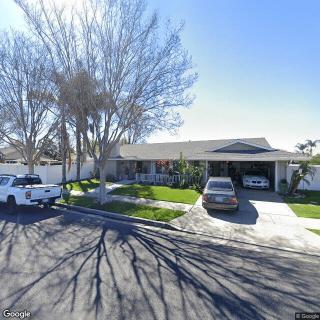
Candlewood Care Home III
$2,800 to $3,400 / month6.8 miles away -
from -$400 / mo
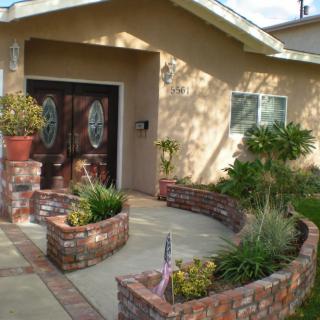
Living Well Care Home
$2,400 to $3,200 / month15.1 miles away -
About the same
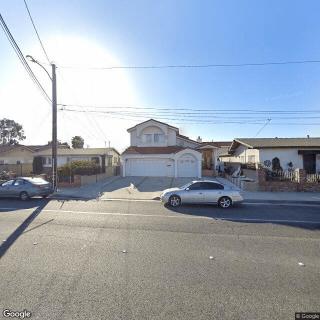
Leah Loving Elderly Care
$2,800 to $3,000 / month3.2 miles away
Overall Review of The Seraphim
Pros
 The administrator is described as a great person who walks with residents daily and joins weekend poker with other retired military veterans.
 - The care staff is incredible, and the owner prepares fresh meals every day.
- The Seraphim feels like a home, with warmth and caring ambience, and residents are treated like family.
- The staff shows love, patience, and compassion in caring for residents and attending to daily needs with dignity.
- The home is immaculate, providing comfort and happiness for residents.
- The staff goes above and beyond, advocating for residents and coordinating medical attention and insurance matters.
- The home comes highly recommended to anyone seeking quality care for a loved one.
Cons
 He had difficulty living by himself and he didn't want to accept it.
- Two of his long term ladies just passed away.
Review
The Seraphim in Costa Mesa is best suited for families seeking a true home-like atmosphere where an aging loved one receives deeply personal, hands-on care rather than a clinical, impersonal setting. The operation feels family-driven: the administrator is the owner’s son, and direct connection with the family leadership is common. Residents benefit from daily engagement, walks with staff, social time with other retirees during weekend poker among veterans, and meals prepared fresh by the owner. The home radiates warmth, dignity, and attentiveness, with staff noted as genuinely caring and willing to treat families as part of the circle. For seniors who prize hospitality, individualized attention, and a sense of belonging, this setting is a compelling match.
That said, alternatives deserve consideration for loved ones who need higher clinical oversight or specialized programming. The Seraphim appears to be a smaller, home-style operation, which can limit access to formal medical services, rehab programs, or memory-care pathways that larger communities often provide. A practical note from prospective families is the lifting protocol: one reviewer described two-person-assisted transfers with no Hoyer lift, a factor that could constrain mobility goals. Families should verify the staffing model, on-site medical coverage, and whether the level of care aligns with rehab or chronic-disease-management needs before committing.
On the upside, the strongest pro is the atmosphere: an immaculate, warm home that feels cared-for rather than managed. Care staff consistently earn praise for dedication and compassion, and the leadership is described as hands-on and approachable. The social fabric matters here, the resident community includes veterans and regular activities that foster companionship, routine, and dignity. Dining and personal care carry a sense of regular, attentive service, with accounts of residents being treated with courtesy and generosity. When warmth, continuity, and a family-like vibe are the priority, the Seraphim often delivers peace of mind to families.
However, the intimate scale can be a limiting factor for those with higher needs. Families seeking robust clinical oversight, rapid escalation capabilities, or diversified programming may find a larger, more medically equipped community preferable. The reviews hint at a small-team dynamic, and recent staff changes underscore the importance of confirming continuity of care and staffing stability. Prospective residents should verify 24/7 nursing coverage, access to therapists, and whether specialized supports (memory care, fall prevention, or post-stroke rehab) can be accessed as needs evolve.
To make an informed choice, engage the team directly: tour the home, meet the administrator, and discuss the resident’s specific mobility, transfer, and dietary requirements. The reviews spotlight staff who act as advocates, helpers like Robert and Chela who keep families informed and navigate insurance or medical questions, so probe how the house handles medical questions, care plans, and billing. In practice, this community shines when it can offer close personal attention paired with practical problem-solving; use those strengths to assess fit against more clinical or equipment-driven expectations.
In sum, The Seraphim earns strong marks for warmth, dignity, and a home-like cadence that aligns with what many families want in assisted living. It stands out for residents who value personal relationships, meaningful social engagement, and fresh, welcoming meals, without demanding hospital-level medical oversight. For families prioritizing expansive clinical resources, rigorous therapy options, or broad programming, larger operators may provide more of what’s required. For those seeking a close-knit, compassionate, and resident-centered environment, The Seraphim is a sound recommendation.
 Board and Care Home
 Dogs allowed
 Activities on-site
 Bath tubs
 Beautician on-site
 Devotional services off-site
 Indoor common areas
 Outdoor common areas
 Private
 Private bathrooms
 Respite or short term stays offered
 Wheelchair accessible showers
 John Wayne Orange Co (2 miles away)
 High acuity care
 Incontinence care
 Medication management
 Kosher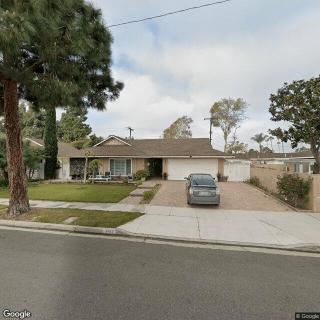


 Caring for Those Who Care: Recognizing, Understanding, and Overcoming Caregiver Burnout
 Caregiver Exhaustion: Recognizing the Signs and Restoring Your Well-Being
 Understanding Hospice Care at Home: Comprehensive Services, Key Benefits, and Eligibility