
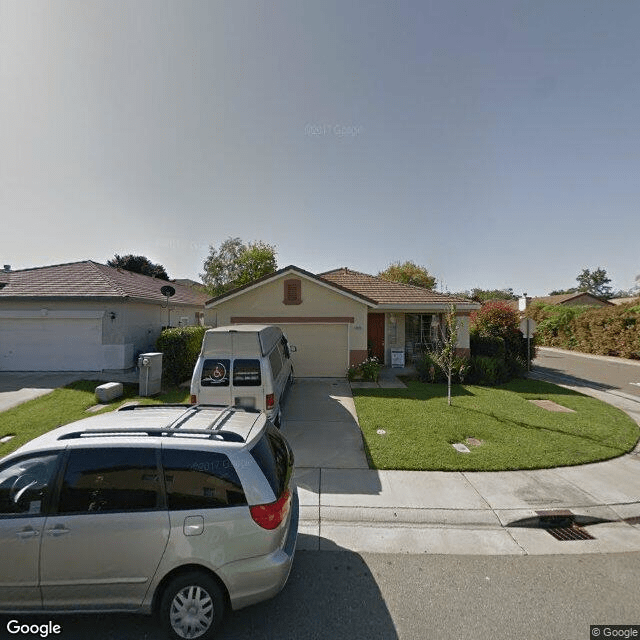
6600 Cowboy Way, Citrus Heights, CA 95621
To contact a resident: (916) 200-8067
For more information about senior living options: (866) 208-4318
RN Care House Costs & Pricing
At RN Care House, the monthly costs for care reflect a commitment to quality and personalized service. For semi-private rooms, the fee is set at $3,500, which is notably higher than both Sacramento County's average of $3,106 and California's overall average of $3,333. Similarly, the cost for private rooms at RN Care House is $4,500, surpassing the rates in Sacramento County ($3,686) and the state average ($3,939). The same trend holds for one-bedroom accommodations priced also at $4,500 compared to Sacramento County's average of $3,758 and California's broader average of $4,340. While these rates may indicate a premium service level distinctive to RN Care House, they also suggest a tailored approach that prioritizes individual care needs in a nurturing environment.
| Floor plans | RN Care House | Sacramento County | California |
|---|---|---|---|
| Semi-Private | $3,500 | $3,106 | $3,333 |
| Private | $4,500 | $3,686 | $3,939 |
| 1 Bedroom | $4,500 | $3,758 | $4,340 |
Memory care communities with a similar price nearby
-
from +$500 / mo
Sungarden Villa II
$4,000 / month2.5 miles away -
from +$650 / mo
Ferrari
$4,150 to $5,500 / month11.6 miles away -
from -$500 / mo
Love & Care for Elder
$3,000 to $4,500 / month2.2 miles away -
from +$500 / mo

Ashley Villa
$4,000 / month3.8 miles away -
from +$500 / mo
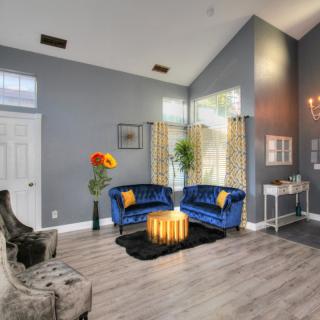
A Bright Future
$4,000 / month3.9 miles away
Overall Review of RN Care House
Pros
 The loved one was in caring, capable, and responsible hands.
- Citrus Garden Care Home was spotless and provided three home-cooked meals every day.
- Larisa Dron and the caregivers showed genuine concern for the mother's well-being and demonstrated patience.
- The care allowed the family to sleep soundly at night and visit daily.
- Larisa was always available in-person or by phone.
- The reviewer was very grateful for the care received.
- The reviewer had no complaints and found the experience pleasant.
Cons
 Their biggest concern was tube feeding, and the round trip was too much for them to do.
- They felt the facility was not close enough, making travel burdensome.
- The distance to the care home added an unnecessary burden to their caregiving.
Review
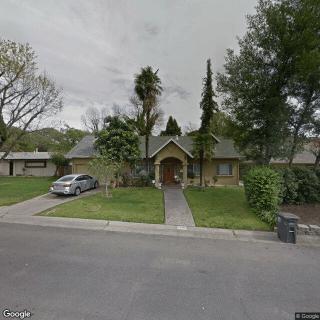
RN Care House in Citrus Heights, CA is clearly best suited for families seeking a small, home-like assisted living option where staff know residents by name, respond quickly to needs, and provide steady daily support. This setting is ideal for seniors who want a calm, non-clinical atmosphere with predictable routines, solid supervision, and a sense that everyday care is handled with care and dignity. It works well for loved ones who value personal attention, clean surroundings, and the possibility of hospice-level comfort within a familiar, domestic environment rather than a large institutional footprint. The emphasis on approachable staff and a hands-on approach makes it a practical fit for residents who thrive with continuity and a consistent caregiver presence.
That said, potential residents should consider alternatives if medical complexity or logistics demand more than a small, hands-on team can reliably deliver. Families with members requiring intensive clinical oversight, around-the-clock nursing, or specialized medical programming may find the scale of a small home less compatible with needs that go beyond routine assistance. Distance can compound concerns as well; if frequent in-person visits are essential, a location far from family can become a meaningful hurdle. For those facing high-dependency situations or needing robust, hospital-level coordination, exploring options with larger staffs or closer proximity could yield a better match.
Pros across the board tend to be practical and tangible. The strongest strengths lie in the human-centered care: caregivers who show genuine concern, patience, and availability when issues arise. Residents benefit from a clean, orderly environment and regular, home-cooked meals that contribute to everyday well-being and nutritional stability. The ability to coordinate hospice care at the home level further enhances comfort during end-of-life moments, reducing the burden on family members who might otherwise juggle multiple settings. When families report feeling reassured by staff accessibility, whether visits are in person or coordinated by phone, the resulting peace of mind translates into more confident, regular visits and fewer worries about day-to-day safety.
Yet there are identifiable limits that must be weighed. The most salient drawback for some families is the potential mismatch between a small, intimate setting and the level of medical management required. The practical reality is that complex medical tasks, like certain tube-feeding regimens or acute-on-chronic conditions, may demand more on-site clinical expertise than a single, intimate home can consistently sustain. One reviewer highlighted distance as a hurdle to daily or frequent involvement, which can shift the balance of comfort toward facilities closer to family support networks. These considerations do not negate the value of quality caregiving, but they do narrow the fit to certain care trajectories.
The positives do more than balance these drawbacks; they actively offset many typical concerns that families face when choosing care. A home environment that emphasizes cleanliness, predictable routines, and attentive staff can dramatically reduce caregiver stress and confusion in daily life. The visible commitment of caregivers to residents, through long-term engagement and prompt issue resolution, offers a practical form of reassurance that often proves more decisive than glossy brochures. For families managing end-of-life transitions, the ability to keep care cohesive, maintain familiar surroundings, and rely on trusted caregivers can outweigh the absence of a larger medical team.
In practical terms, families weighing RN Care House should prioritize a focused assessment: meet the caregiving team, observe how staff communicate with residents and families, and verify who coordinates any hospice or external medical services. Inquire about staff-to-resident ratios, on-site nursing coverage hours, and concrete protocols for feeding issues or sudden health changes. Clarify visiting policies, meal accommodations, and the process for handling medical appointments or transport. If proximity and straightforward medical needs align with the loved one’s situation, this community offers a compelling, grounded option; if not, a nearby alternative with stronger medical resources may be the wiser choice.
 Board and Care Home
 Memory Care
 Indoor common areas
 Outdoor common areas
 Private
 Sacramento International (15 miles away)
 Ambulatory care
 Diabetic care
 High acuity care
 Incontinence care
 Medication management
 Meals provided

 Exploring the Power of Reminiscence Therapy for Individuals With Dementia
 An In-Depth Look at Reminiscence Therapy in Dementia Care
 Dementia-Related Hallucinations: Causes, Experiences, and Practical Approaches