Pacifica Senior Living Tucson offers a range of living options with monthly costs that reflect the quality and services provided. For residents opting for a semi-private room, the cost is $4,475, which is notably higher than the average rates in Pima County ($2,805) and across Arizona ($2,820). Similarly, the studio apartments are priced at $4,995, again surpassing both county ($3,786) and state averages ($3,829). These figures suggest that while Pacifica Senior Living Tucson may be positioned at a premium compared to local alternatives, this investment likely corresponds with enhanced amenities and care tailored to meet the needs of senior residents.
Floor plans
Pacifica Senior Living Tucson
Pima County
Arizona
Semi-Private
$4,475
$2,805
$2,820
Studio
$4,995
$3,786
$3,829
Memory care communities with a similar price nearby
Secure indoor and outdoor space is a standout for memory care residents.
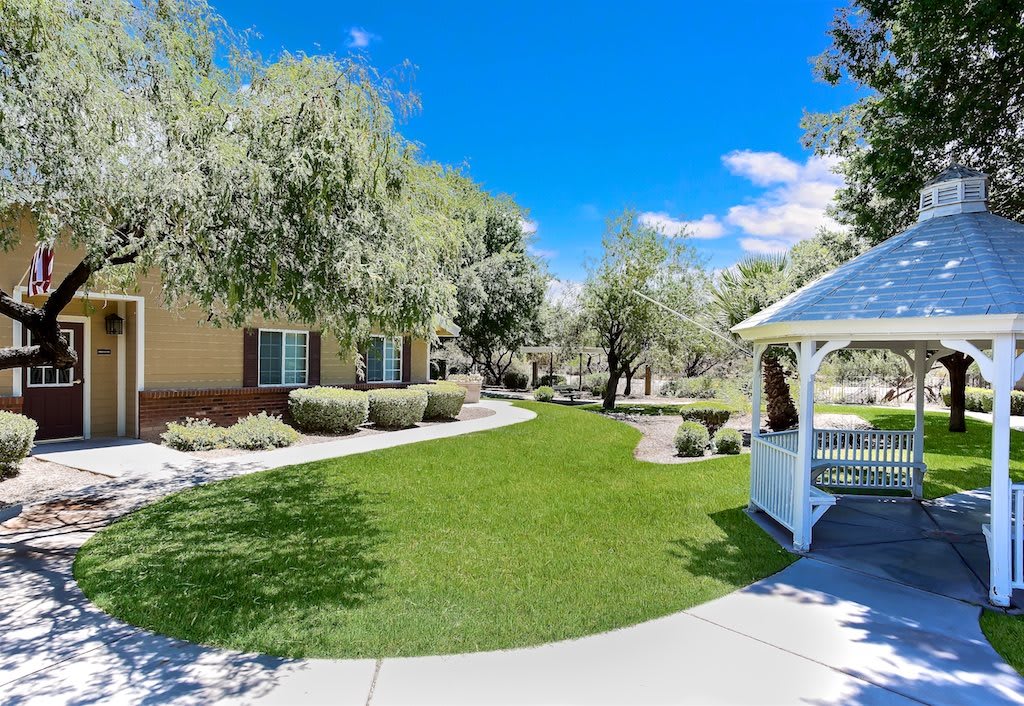
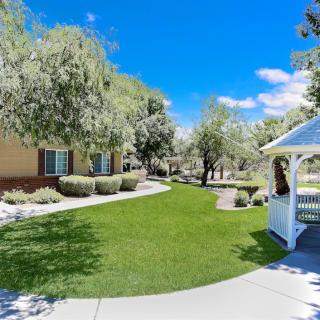
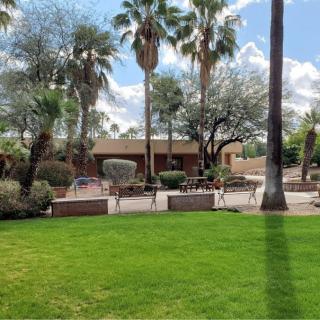
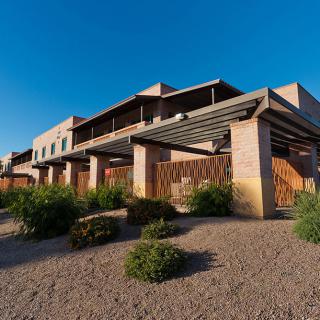
Several reviews highlight the campus layout as supportive for dementia care, including secure indoor and outdoor areas. Residents’ families also describe the courtyard/grounds as a meaningful part of daily life, with opportunities to get outside among landscaping. One reviewer also mentions fenced-in yard space as a plus for safety, while another describes separate cottages surrounded by landscaped grounds.
common12 reviews mention this
Caring staff and strong communication
Families consistently describe caregivers as attentive and easy to communicate with.
Across many reviews, families praise the day-to-day care approach, including staff who feel caring, professional, and focused on residents’ needs. Multiple reviewers also mention communication—being kept informed about changes, getting questions answered, and feeling supported during the transition into memory care. A few comments also point to nurses and the overall care team taking a hands-on role in day-to-day reassurance and responsiveness.
common5 reviews mention this
Meals get positive feedback
Food quality and meal satisfaction come up frequently in reviews.
Several residents and families mention that meals are appealing and well received, including one review noting good nutrition and attractive meals. Other reviews say loved ones generally like the food, and one reviewer also calls the food excellent and tasty. Dining also ties into the routines people notice, like structure and day-to-day enjoyment.
caveat4 reviews mention this
Some families want more staffing
A recurring concern is that staffing levels can be too thin.
Some negative reviews raise worries about staffing, including suggestions that there are not enough people to maintain the care standard families expect. These reviewers describe workload and coverage concerns, and they also mention follow-up problems and missed responsiveness when staffing is stretched. While other reviews are very positive about caregivers, these comments consistently point to staffing as an area that needs improvement.
How we summarize
Counts show how many written reviews mention each theme; a review can touch several themes, and only frequently mentioned themes are displayed.
Features
Housing
60 resident community capacity
1-bedroom apartments
Studio apartments
Types of Care
Memory Care
Amenities
Activities off-site
Activities on-site
Air-conditioning
Bath tubs
Beautician on-site
Beauty salon
Cable or satellite TV
Computer center
Devotional services on-site
Dining room
Fitness room
Fully furnished
Gaming room
Garden
Housekeeping services
Indoor common areas
Kitchenette
Move-in coordination
Outdoor common areas
Outdoor space
Private bathrooms
Restaurant-style dining
Small library
Telephone
Wellness center
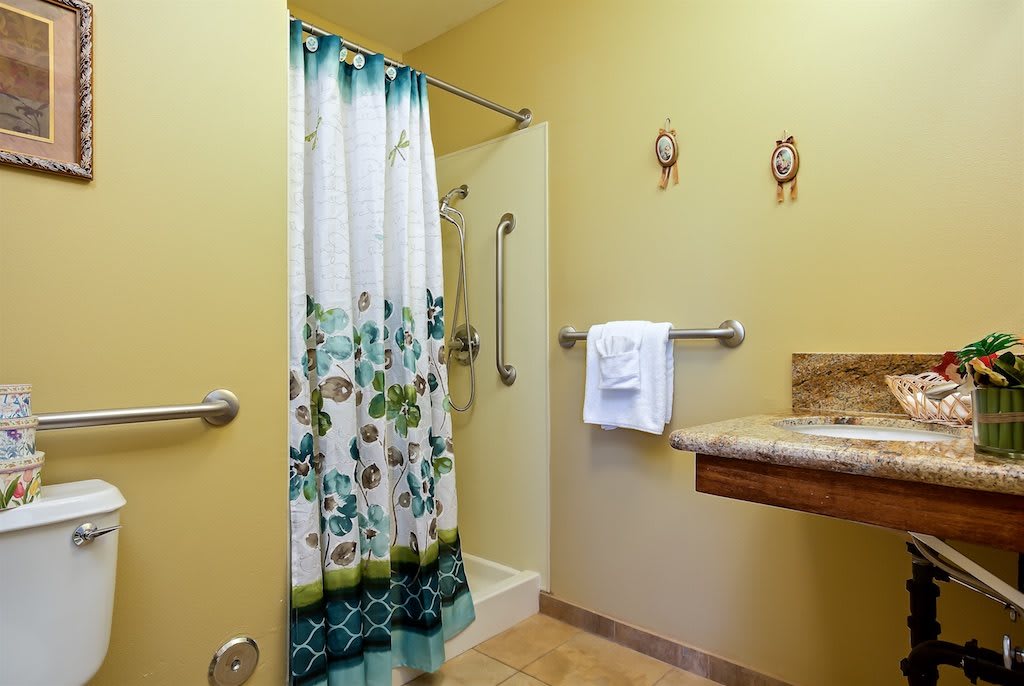
Wheelchair accessible showers
Wi-Fi/high-speed internet available
Transportation
Tucson International (10 miles away)
Community operated transportation
Transportation arrangement
Transportation arrangement (non-medical)
Transportation to doctors appointments
Care Services
12-16 hour nursing
24-hour call system
24-hour supervision
Activities of daily living assistance
Ambulatory care
Assistance with bathing
Assistance with dressing
Assistance with transfers
Coordination with health care providers
Dementia waiver
Diabetes diet
Diabetic care
Hospice waiver
Incontinence care
Meal preparation and service
Medication management
Mental wellness program
Mild cognitive impairment
Special dietary restrictions
Specialized memory care programming
Transportation arrangement (medical)
Transportation to doctors appointments
Dining
Diabetes diet
Meals provided
Special dietary restrictions
Vegetarian
Activities
Activities off-site
Activities on-site
Community-sponsored activities
Concierge services
Devotional activities on-site
Fitness programs
Planned day trips
Resident-run activities
Scheduled daily activities
Nearby Places of Interest
This part of Tucson, Arizona, is a diverse and convenient area for senior living. With several reputable physicians' offices nearby such as Adobe Gastroenterology and Pima Dermatology, seniors can easily access quality healthcare services. Additionally, there are pharmacies like CVS and Walgreens within close proximity for convenience in filling prescriptions. The area also offers a variety of dining options ranging from fast food chains like Wendy's and McDonald's to local favorites like Kazoku and Tucson Hop Shop. There are cafes such as LeBuzz Caffe and Starbucks for those who enjoy coffee outings. Furthermore, there are hospitals including Tmc Labor and Delivery and St Joseph's Hospital in the vicinity providing access to medical care when needed. Places of worship like Desert Valley Adventist Church are also nearby for spiritual support. Overall, this neighborhood offers a mix of amenities that cater to the needs of seniors looking for a comfortable and accessible living environment.
Physicians
Adobe Gastroenterology (0.2 miles)
Pima Dermatology (0.2 miles)
Joel R Goode (0.3 miles)
Crossroads OB/GYN (0.4 miles)
Retina Centers PC (0.4 miles)
MHC Healthcare Primary Care Health Center (0.4 miles)
Pacifica Senior Living Tucson offers a range of living options with monthly costs that reflect the quality and services provided. For residents opting for a semi-private room, the cost is $4,475, which is notably higher than the average rates in Pima County ($2,805) and across Arizona ($2,820). Similarly, the studio apartments are priced at $4,995, again surpassing both county ($3,786) and state averages ($3,829). These figures suggest that while Pacifica Senior Living Tucson may be positioned at a premium compared to local alternatives, this investment likely corresponds with enhanced amenities and care tailored to meet the needs of senior residents.
The comprehensive features at Pacifica Senior Living Tucson are designed to create a supportive environment for residents with dementia or Alzheimer's disease. The 24-hour supervision ensures safety and security, allowing residents to navigate their daily lives with confidence. Assistance with activities of daily living, such as bathing, dressing, and transfers, promotes independence while addressing the unique challenges posed by cognitive decline. Coordination with healthcare providers facilitates tailored medical care, and the dementia waiver allows for specialized support in line with individual needs. Incontinence care and meal preparation help maintain dignity and nutritional health, while medication management ensures adherence to treatment plans. The mental wellness program addresses emotional needs, supporting psychological resilience, and specialized memory care programming offers engaging activities that enhance cognitive function. Transportation arrangements for medical appointments remove barriers to accessing essential healthcare services, further enhancing overall well-being.
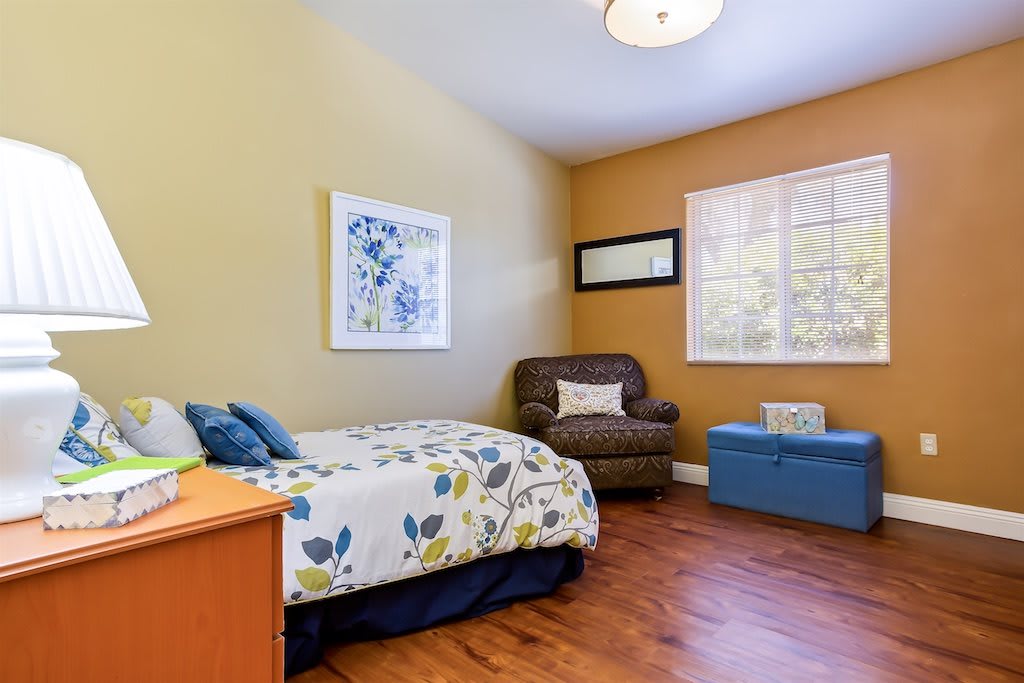
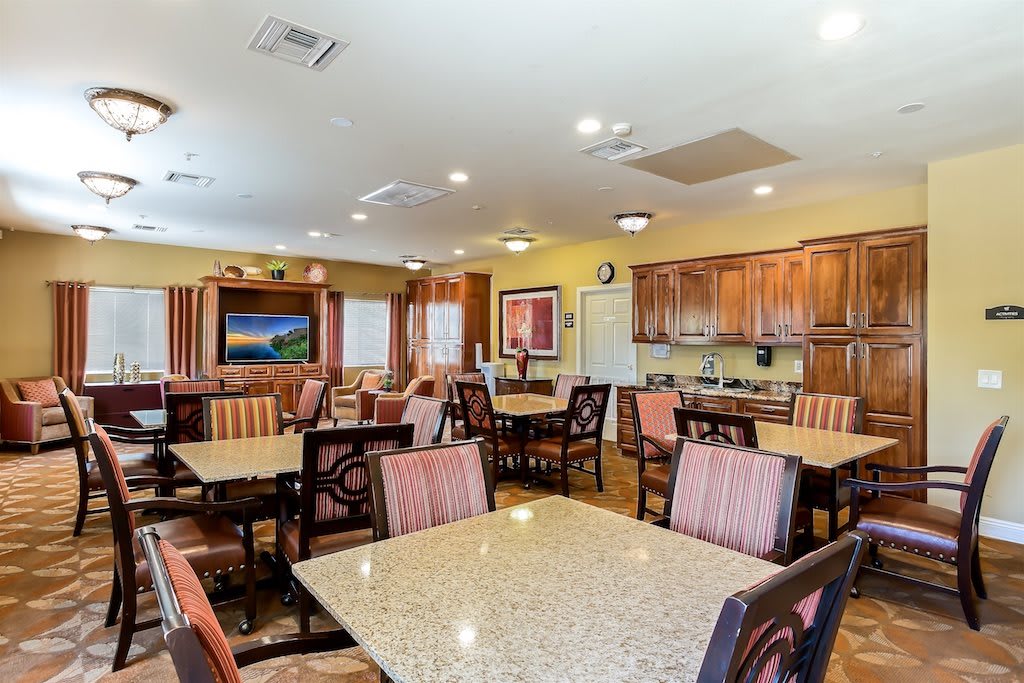
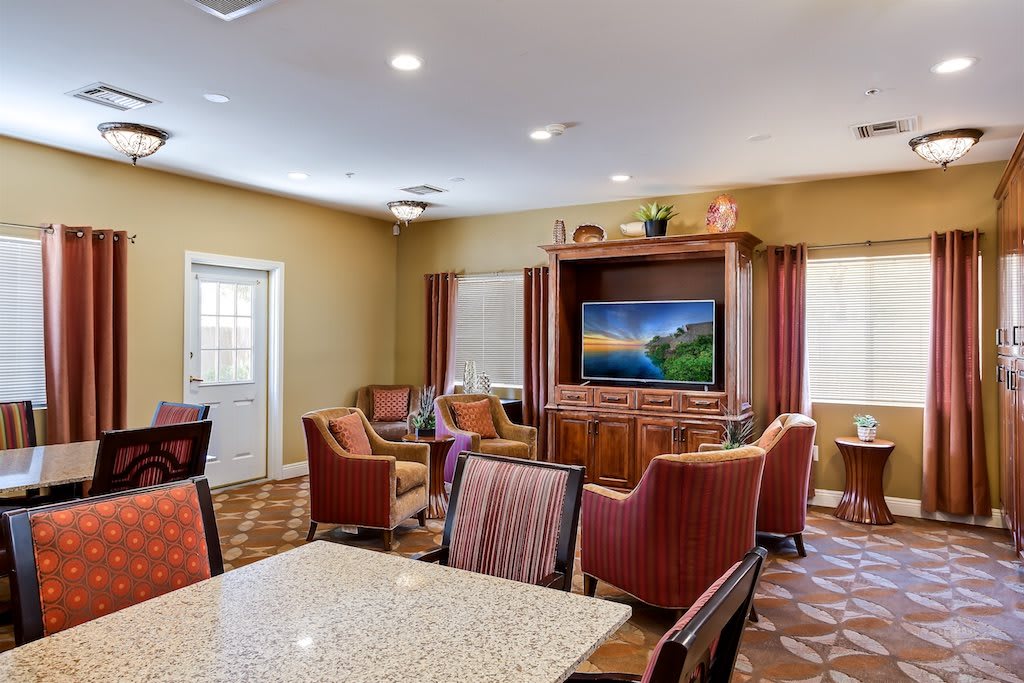
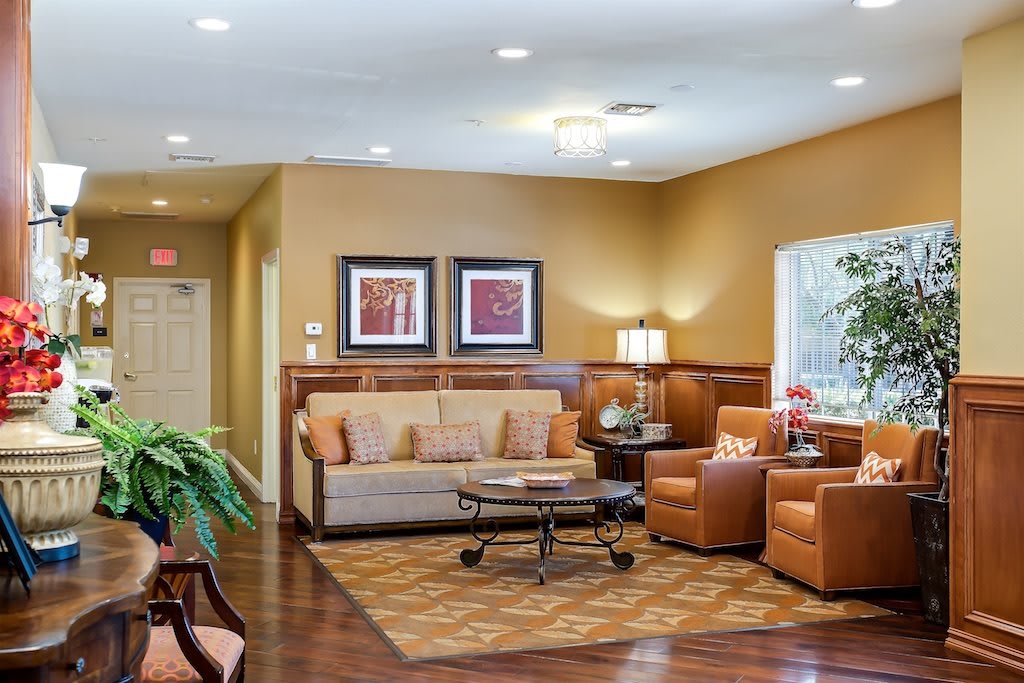
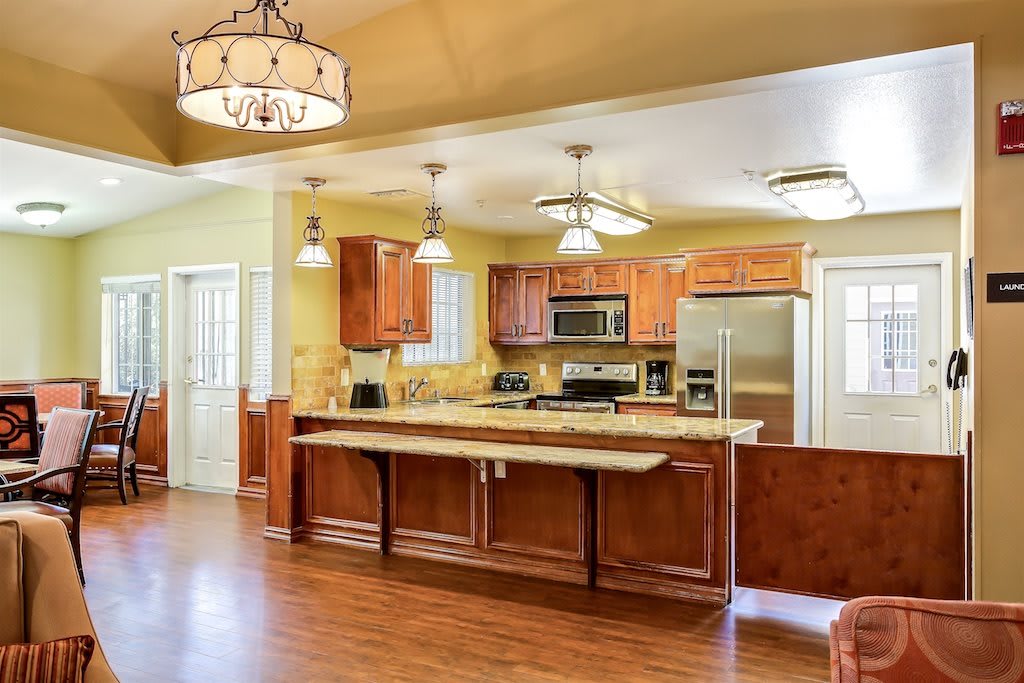
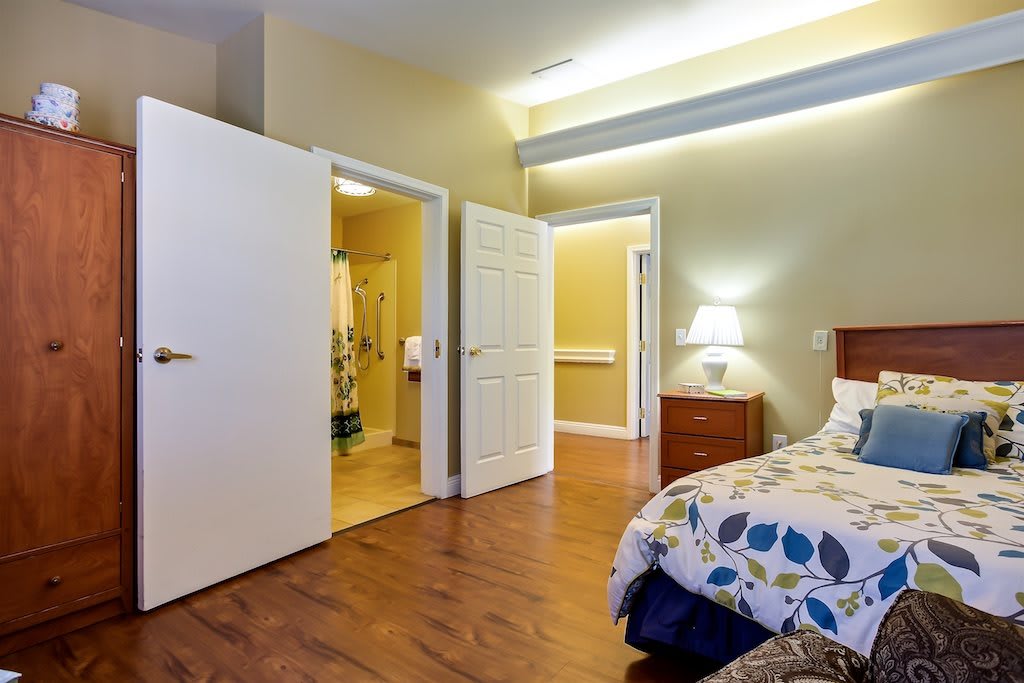
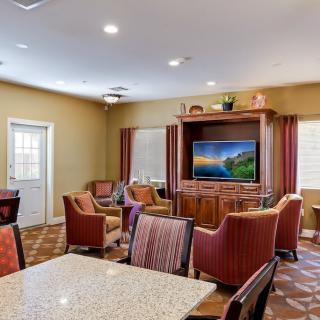
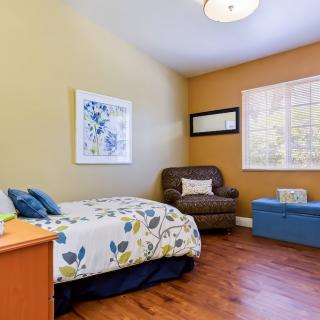
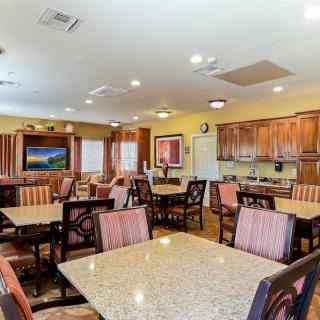
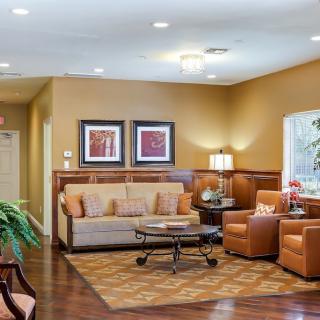
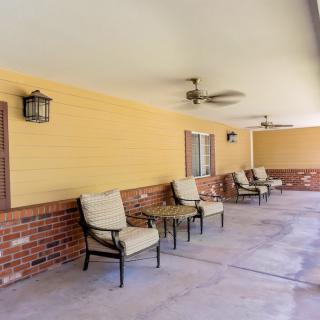
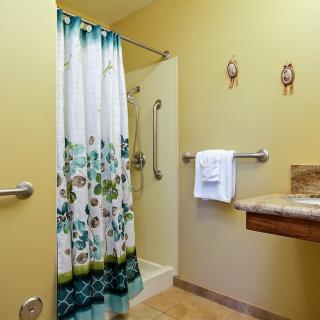
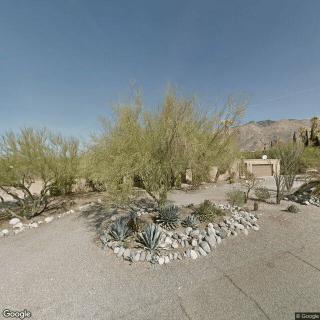
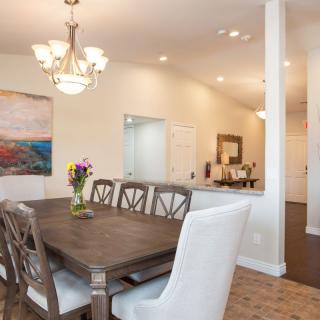
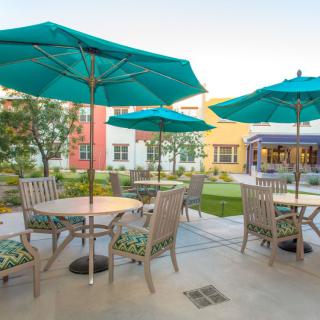
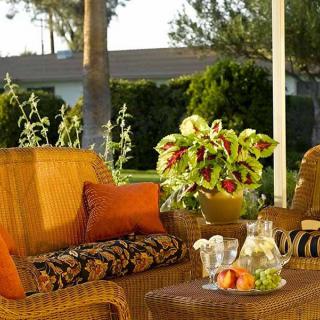
Pacifica Senior Living Tucson on seniors.fyi includes 11 photos including images showing interior, bedroom, living room, kitchen, hardwood floor, decor, landscaping, bathroom, and more.
Nearby Communities
Center At Tucson
Coolidge, AZ
3.4 from 40 reviews
24/7 supervision with daily living assistance plus restaurant-style dining and extensive on-site amenities.
The Forum at Tucson
Tucson, AZ
4.1 from 205 reviews
$2,510 to $4,215 / month
Friendly, caring staff and high-quality dining with spacious, comfortable accommodations.
Mr. Te's Honorable Adult Homecare
Tucson, AZ
5 from 1 review
$1,000 to $2,000 / month
Affordably priced private and semi-private rooms with access to high-acuity and incontinence care.
Handmaker Jewish Home-Aging
Tucson, AZ
3.8 from 102 reviews
Dedicated nurses with potential for improvement under better oversight.
Handmaker Jewish Services for the Aging
Tucson, AZ
4 from 148 reviews
$3,862 to $5,031 / month
Friendly, attentive staff in a clean facility with good meals and a strong memory care program.
Serenity Senior Assisted Living
Tucson, AZ
5 from 1 review
Personalized care with 24/7 supervision and planned activities.
Atria Valley Manor
Tucson, AZ
4.7 from 79 reviews
$2,595 to $3,095 / month
Beautiful grounds, friendly staff, and spacious apartments with outdoor patios and engaging activities.
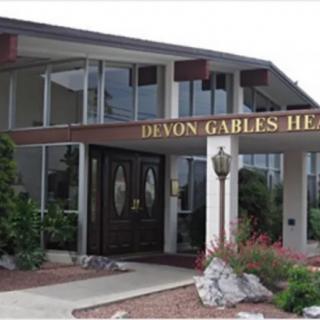
Devon Gables Rehabilitation Center
Tucson, AZ
3.4 from 71 reviews
Compassionate staff in a clean, home-like setting with active rehabilitation.
Woodland Palms Memory Care Community
Tucson, AZ
4.6 from 91 reviews
$4,295 to $4,995 / month
Warm, caring staff with engaging activities in a welcoming environment.
Dementia, influenced by aging and certain medications, may be exacerbated by drug classes such as anticholinergics, benzodiazepines, and antipsychotics, which are associated with cognitive impairment. Regular medication reviews by healthcare professionals are crucial for older adults to manage risks and optimize cognitive health.
Dementia often results in disrupted sleep patterns, leading to excessive daytime sleeping due to factors like brain damage affecting circadian rhythms, medication side effects, and lack of structure in daily activities. Caregivers must monitor these changes closely, as oversleeping can increase risks such as malnutrition or dehydration, and provide necessary support and routines to enhance patient engagement and well-being.
The transition from assisted living to skilled nursing care is often prompted by complex medical needs that assisted living cannot meet, with key indicators including frequent health declines, increased falls, severe memory issues, and caregiver burnout. Families should recognize these signs early to discuss options with healthcare providers and prepare for the emotional and logistical aspects of moving to a facility that offers comprehensive medical support.
Landscaping, Trees, Garden, Outdoor, Pathway, and Gazebo
Windows and Wall Art
Bathroom, Shower, Handrails, and Accessible Bathroom
Kitchen
Artwork
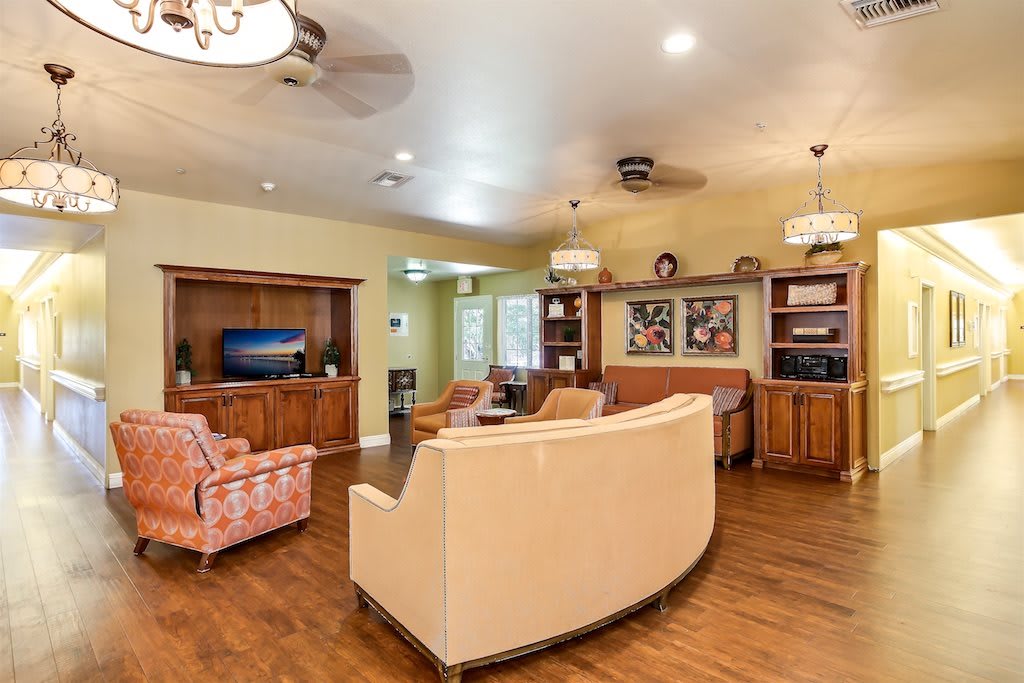
Television, Seating Area, and Lounge
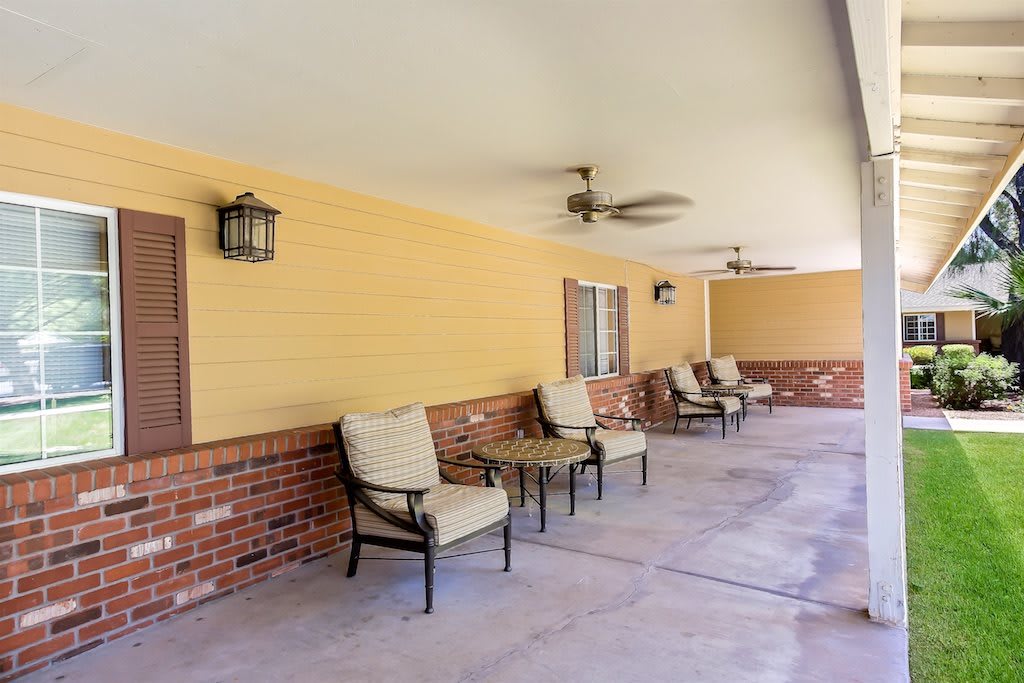
Patio, Outdoor Furniture, Brick Wall, and Covered Porch
Appliances and Pendant Lights
Hardwood Floor
Get PricingAsk A QuestionSchedule A TourContact Senior Advisor
By clicking submit, you agree to our Partner's Terms of Use. You
also consent to receive calls and texts, which may be autodialed, from our Partner. Your consent is not a condition to
using our Partner's service. Please visit our Partner's Privacy Policy for information about their privacy practices.

 60 resident community capacity
 1-bedroom apartments
 Memory Care
 Activities off-site
 Air-conditioning
 Bath tubs
 Beautician on-site
 Cable or satellite TV
 Computer center
 Devotional services on-site
 Dining room
 Fitness room
 Fully furnished
 Gaming room
 Garden
 Housekeeping services
 Indoor common areas
 Kitchenette
 Move-in coordination
 Outdoor common areas
 Private bathrooms
 Restaurant-style dining
 Small library
 Telephone
 Wellness center
 Wheelchair accessible showers
 Wi-Fi/high-speed internet available
 Tucson International (10 miles away)
 Community operated transportation
 12-16 hour nursing
 24-hour call system
 Ambulatory care
 Assistance with bathing
 Assistance with dressing
 Assistance with transfers
 Diabetes diet
 Diabetic care
 Hospice waiver
 Incontinence care
 Medication management
 Mental wellness program
 Special dietary restrictions
 Transportation arrangement (medical)
 Concierge services
 Planned day trips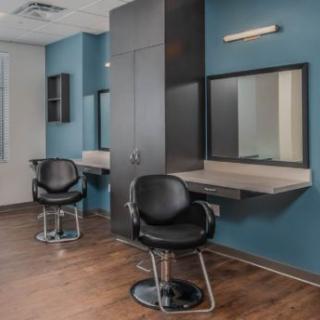
 24/7 supervision with daily living assistance plus restaurant-style dining and extensive on-site amenities.

 A Thorough Discussion of Medications Potentially Linked to Dementia Risk
 Why Do Dementia Patients Sleep So Much? Understanding Oversleeping, Stages, and Care Approaches
 8 Key Indicators That Suggest It May Be Time to Transition from Assisted Living to Skilled Nursing Care