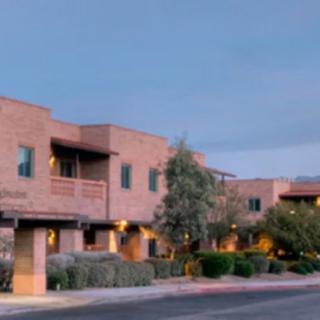
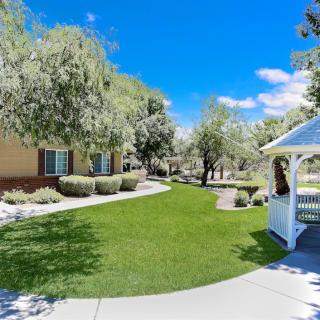
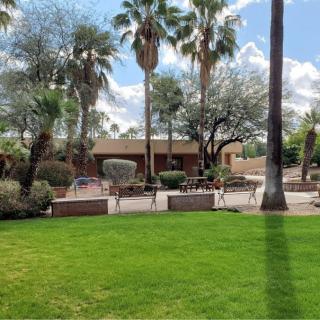
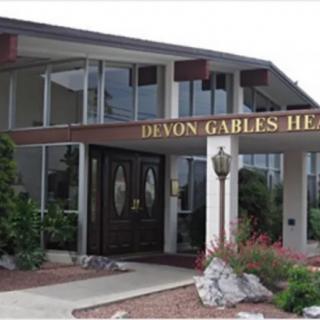
Handmaker Jewish Home-Aging in Tucson, AZ
Save
5100 E Grant Rd, Tucson, AZ 85712
For more information about senior living options: (844) 490-3973
Handmaker Jewish Home-Aging in Tucson is best suited for seniors who need short-term skilled rehab after a hospital stay or fall, and for families who value a kosher, faith-forward environment with hands-on rehabilitation and a warm, home-like atmosphere. The campus often shines for those pursuing recovery from orthopedic procedures or major injuries, where consistent PT/OT and a structured routine can yield meaningful gains. It also works well for residents who want privacy, personal space, and a community that integrates religious considerations into daily life. In short, this is a practical, recovery-focused option with strong rehab credibility and a recognizable cultural emphasis.
Those weighing alternatives should consider two important caveats. First, for residents with complex memory issues, severe dementia, or traumatic brain injury, Handmaker's ability to deliver consistently optimal care may be uneven across units; some families report that certain needs overwhelm staffing, especially at night. Second, families who prioritize perfectly seamless administration, billing transparency, or uniformly outstanding supervision across all shifts may find the experience more variable here. In these circumstances, exploring other Tucson providers with specialized memory-care or more centralized, round-the-clock supervision could be prudent.
On the upside, the core clinical strengths are compelling. The rehab team - physical and occupational therapy in particular - receives frequent praise for expertise, encouragement, and progress that translates into real functional gains, often enabling a safe return home. Nursing and CNA staff are repeatedly described as attentive, patient, and compassionate, with many families noting rapid response to requests and genuine engagement with loved ones. The environment supports dignity and privacy, featuring private rooms and careful consideration of personal space. Kosher dining is consistently described as high quality, with adequate portions and menu variety, and activity offerings range from exercise classes to memory-care programming and salon services that help residents feel more at home. The continuity of caregivers in many stories - from nurses to therapists to front-desk staff - helps families trust the care plan and discharge process.
Yet the most persistent concerns center on staffing and consistency, especially during night shifts or in busier stretches. Several reviews describe gaps in supervision, delays in medications, or lapses in basic daily care like room cleanliness or timely bathing; some families also report billing or communication friction with administration. Not every resident experiences these issues, but the existence of such reports is meaningful for families who rely on predictable routines and timely problem-solving. When combined with occasional reports of facility-wide lapses, these factors temper the otherwise strong rehab narrative and raise legitimate questions about how Handmaker manages peak times or high-acuity cases.
The way the positives offset the negatives hinges on intended use and risk tolerance. For a short-term rehab candidate who prioritizes skilled therapy, personalized attention, and a kosher, family-centered environment, Handmaker's strengths can decisively outweigh the drawbacks. The ability to mobilize family training, strong discharge planning, and a sense of continuity with long-term caregivers supports safe transitions home. For a resident who requires steady, round-the-clock supervision, or for families who cannot tolerate variability in care quality or administrative responsiveness, the cons may dominate the decision. In other words, Handmaker tends to deliver exceptional rehab value when the care plan is well-matched to its staffing patterns and culture.
Practical next steps for families considering Handmaker are concrete. Arrange a thorough tour focused on the specific unit that would house the loved one, and request to speak with the rehabilitation team and current families in that unit. Ask direct questions about night-shift coverage, med administration processes, and oversight protocols for high-risk days. Review the intake and care-planning process, and request a sample daily schedule to confirm consistency with physician orders. If memory care or behavioral needs exist, probe how those services are staffed, trained, and coordinated with the rehab program. Finally, verify billing practices and request a dedicated point of contact for updates; this helps ensure transparency and peace of mind during the transition.
In sum, Handmaker Jewish Home-Aging stands out as a practical, recovery-focused choice in Tucson with robust PT/OT credentials, compassionate staff, and a welcoming, privacy-conscious environment. It is an especially solid fit for short-term rehab where the family can actively participate in planning and post-acute care, and where kosher and Jewish community considerations are valued. It is not a universal remedy for all high-acuity needs or for families seeking uniform administrative perfection across every shift. For those who align with Handmaker's strengths and can navigate the occasional staffing and process gaps, this community delivers reliable, meaningful gains and a sense of dignified care.
The Handmaker Jewish Home-Aging in Tucson, AZ is an assisted living community that offers specialized day programs for seniors. Located in a vibrant neighborhood, the facility provides a range of services and amenities to cater to the needs of its residents.
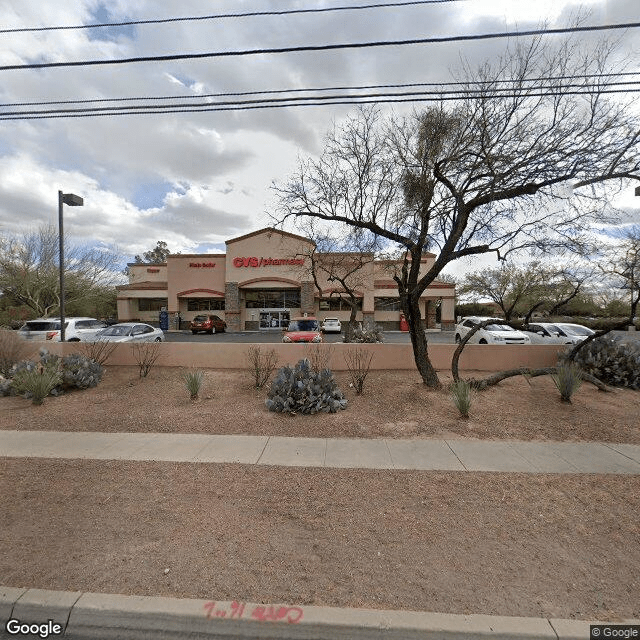
The community takes pride in its convenient location, offering easy access to various amenities. With 12 cafes nearby, residents can enjoy socializing with friends over a cup of coffee or a light meal. There are also 13 pharmacies in close proximity, ensuring that medications are easily accessible and filled in a timely manner. Additionally, having 35 physicians nearby enables residents to receive prompt medical attention whenever needed.
Residents at Handmaker Jewish Home-Aging are spoiled for choice when it comes to dining options, as there are 27 restaurants located nearby. Whether they prefer fine dining or casual eateries, they can indulge their taste buds with a variety of cuisines.
For those seeking spiritual fulfillment, there are 5 places of worship situated close to the community. Residents can participate in religious services and connect with others who share their faith. Furthermore, the presence of 2 theaters nearby offers opportunities for entertainment and cultural experiences.
The safety and well-being of residents is prioritized at Handmaker Jewish Home-Aging. With 6 hospitals in the vicinity, any medical emergencies can be addressed promptly. Additionally, this proximity provides peace of mind to both residents and their families.
Overall, Handmaker Jewish Home-Aging in Tucson, AZ is an exceptional assisted living community that combines convenience with comprehensive care. The range of amenities and services available ensures that residents can lead fulfilling lives while receiving the support they require.
This area of Tucson, Arizona, offers a variety of conveniences and amenities that may appeal to seniors looking for a comfortable and convenient living environment. With multiple pharmacies located within close proximity, accessing necessary medications is made easy. Additionally, there are several physicians' offices and hospitals nearby, providing access to healthcare services when needed. For leisure and dining options, there are a selection of restaurants ranging from fast-food chains to sit-down establishments, as well as cafes for socializing or enjoying a cup of coffee. Places of worship are also available for spiritual needs. The neighborhood is well-connected with modern amenities such as theaters for entertainment. Overall, this area provides a balance of essential services and recreational opportunities that could make it an attractive option for senior living in Tucson.
Handmaker Jewish Home-Aging is located at 5100 E Grant Rd, Tucson, AZ 85712 in Pima County, Arizona
Comprehensive Guide to Medicare Coverage for Hospice Care

Hospice care focuses on providing comfort and support for individuals nearing the end of life, with Medicare Part A covering services like nursing care and counseling for patients with a terminal illness and a life expectancy of six months or less. While most hospice services are low-cost for eligible patients, families should be aware that certain expenses, such as room and board, may not be covered.
Caring for Those Who Care: Recognizing, Understanding, and Overcoming Caregiver Burnout

Caregiver burnout is a common issue resulting from the intense physical, emotional, and mental demands of caregiving, leading to symptoms like fatigue and social withdrawal. To prevent burnout, caregivers should recognize early warning signs and implement self-care strategies, seek support, and prioritize their own well-being alongside that of those they care for.
Caregiver Exhaustion: Recognizing the Signs and Restoring Your Well-Being
Caregiver exhaustion, or burnout, stems from the relentless demands of caregiving, leading to emotional and physical depletion characterized by stress, frustration, and neglect of personal needs. Addressing this burden is essential to prevent long-term consequences, with early recognition and support being crucial for caregivers to maintain balance and implement self-care.