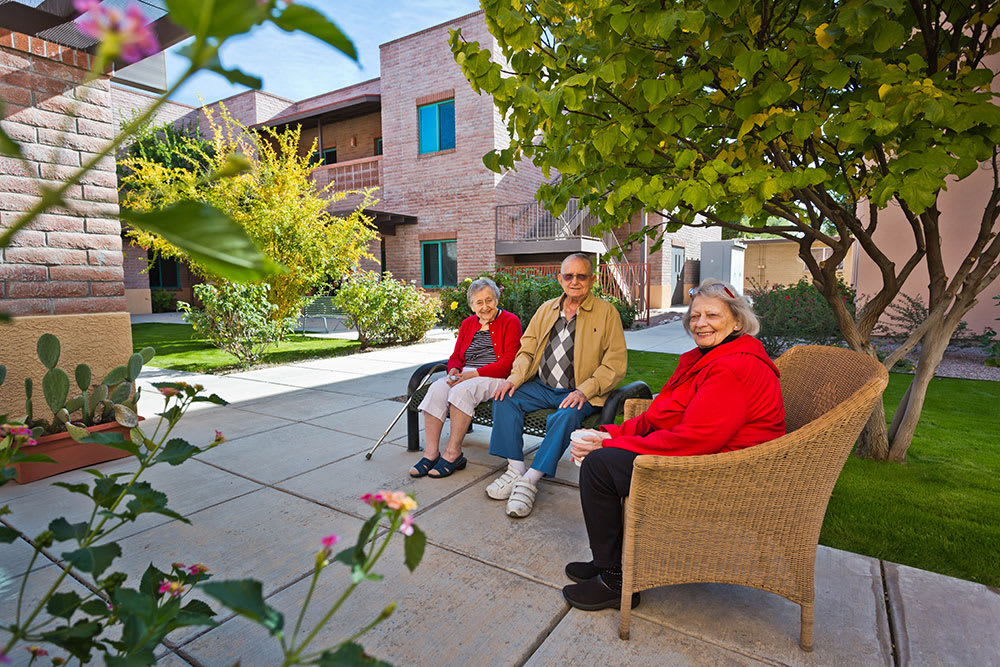
Handmaker Jewish Services for the Aging Costs & Pricing
Handmaker Jewish Services for the Aging presents a range of costs for its various room types, reflecting both the quality of care and living arrangements available to residents. For a studio, the monthly fee is set at $3,862, which is notably higher than the average rates in Pima County and Arizona - $3,786 and $3,829, respectively. Similarly, semi-private rooms also reflect this trend with the same rate of $3,862, significantly surpassing local averages of $2,805 in Pima County and $2,820 statewide. The pricing continues to diverge with one-bedroom units at Handmaker costing $4,416 compared to county and state averages of $3,660 and $3,532. The difference becomes even more pronounced in two-bedroom accommodations priced at $5,031 against county benchmarks of $3,974 and state rates of $4,106. This pricing structure indicates that Handmaker Jewish Services positions itself as a premium provider within an increasingly competitive market while prioritizing specialized services catered to its residents' needs.
| Floor plans | Handmaker Jewish Services for the Aging | Pima County | Arizona |
|---|
| Studio | $3,862 | $3,786 | $3,829 |
| Semi-Private | $3,862 | $2,805 | $2,820 |
| 1 Bedroom | $4,416 | $3,660 | $3,532 |
| 2 Bedrooms | $5,031 | $3,974 | $4,106 |
Memory care communities with a similar price nearby
-
from +$638 / mo
Desert Gardens Assisted Living and Memory Care
$4,500 / month
2.6 miles away
-
from -$262 / mo
The Ranch Estates of Tucson
$3,600 to $4,840 / month
9.3 miles away
-
from -$717 / mo

The Watermark at Oro Valley
$3,145 to $4,995 / month
9.7 miles away
-
from +$433 / mo
Woodland Palms Memory Care Community
$4,295 to $4,995 / month
1.0 miles away
-
from -$527 / mo
Cascades of Tucson
$3,335 to $5,350 / month
2.7 miles away
Overall Review of Handmaker Jewish Services for the Aging
differentiator
18 reviews mention this
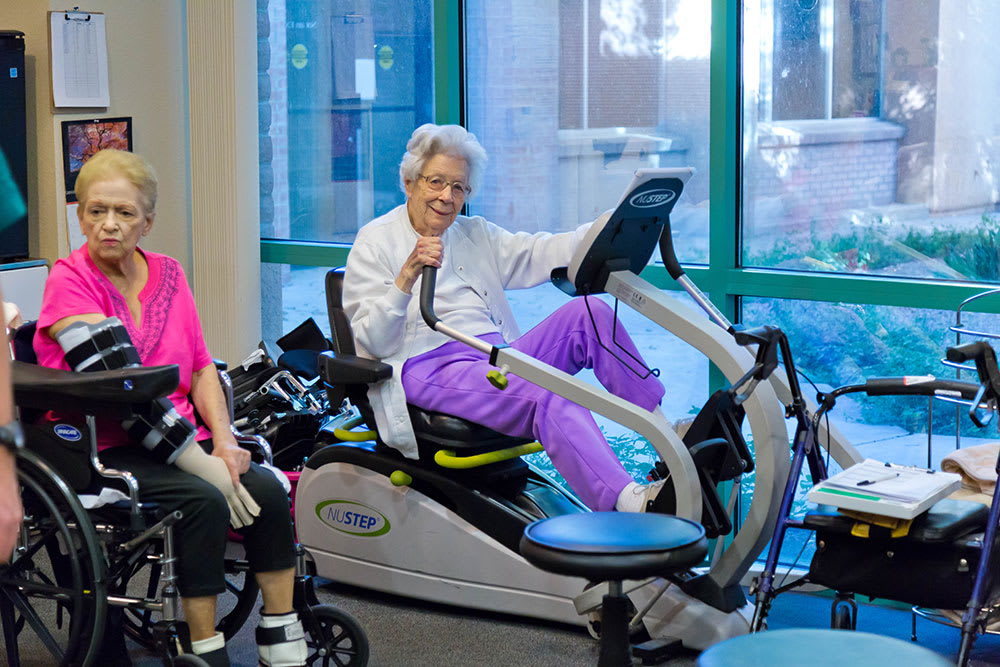
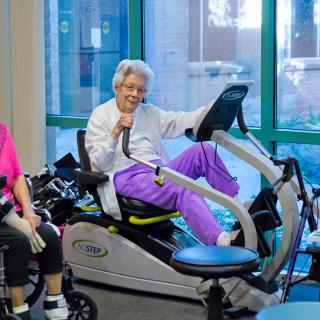
Therapy helps residents regain mobility
Physical and occupational therapy are repeatedly described as effective and motivating.
Many residents and families describe progress through physical and occupational therapy, including getting back to walking or rebuilding strength after hospital stays and falls. Several reviews also highlight PT/OT staff as knowledgeable, patient, and focused on practical recovery goals. Even in generally positive stays, therapy continuity and follow-through are a major part of what families credit for outcomes.
common
38 reviews mention this
Caring, attentive staff comes up often
Residents and families frequently describe the staff as caring, kind, and responsive.
Across reviews, families often say staff members were attentive to needs and treated residents with dignity and respect. Multiple accounts mention communication and reassurance during difficult times, including follow-ups after discharge and help when requests were made. A smaller number of reviews raise serious concerns about neglect, but even those contain examples of staff members being nice while the overall staffing situation is the larger complaint.
common
12 reviews mention this
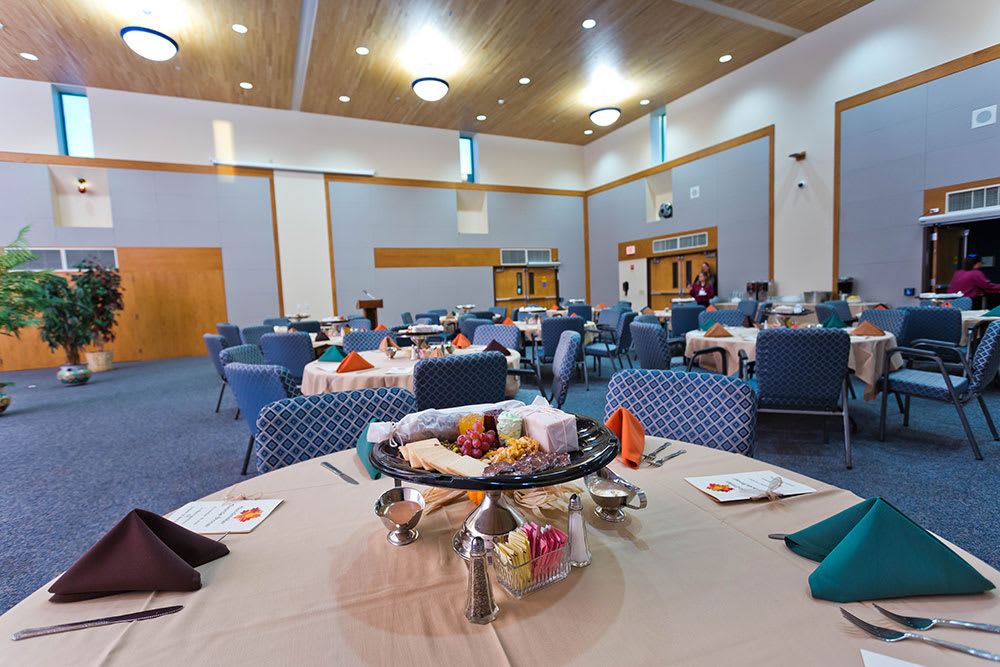
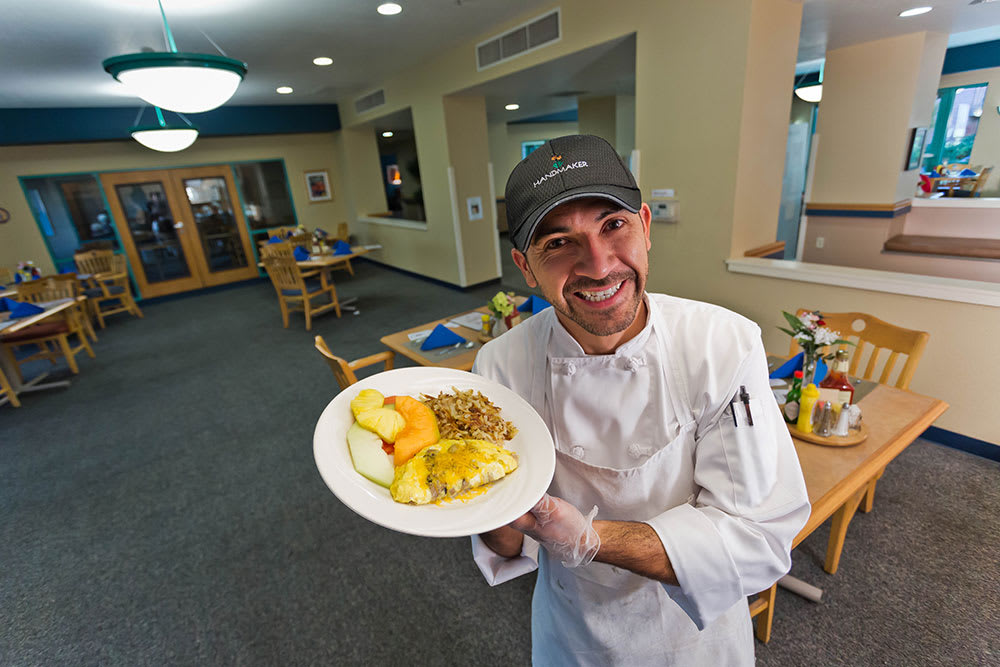
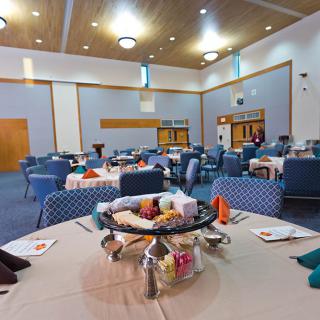
Food and kosher options are praised
Kosher meals and good-tasting food are a consistent point of praise.
Several reviews directly mention the quality of the food, with families describing meals as enjoyable, home-style, and plentiful. Kosher meals come up more than once, including praise for kosher quality and having alternatives available. A few reviewers criticize meal issues like cold food or diet mismatches, but the overall feedback repeatedly centers on positive dining experiences.
common
16 reviews mention this
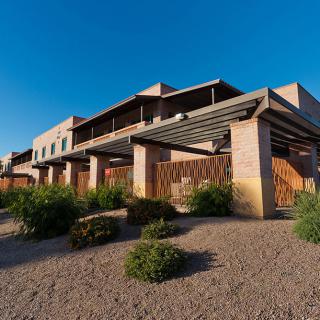
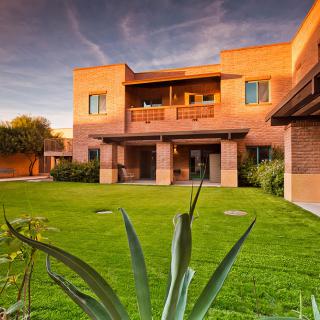
Clean facility and private rooms noted
Residents commonly describe the facility as clean, with private room options.
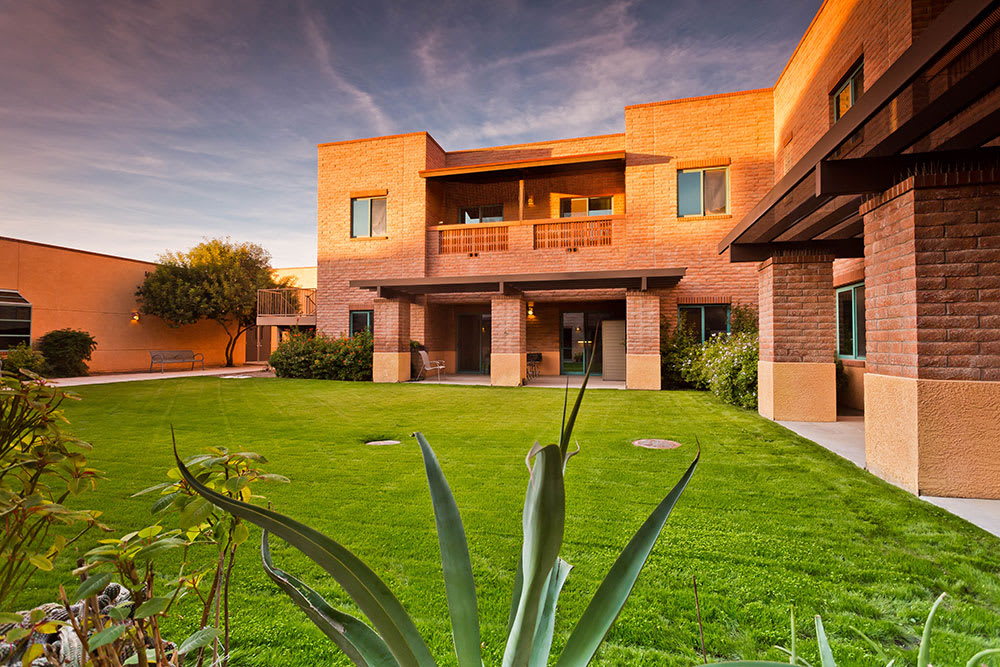
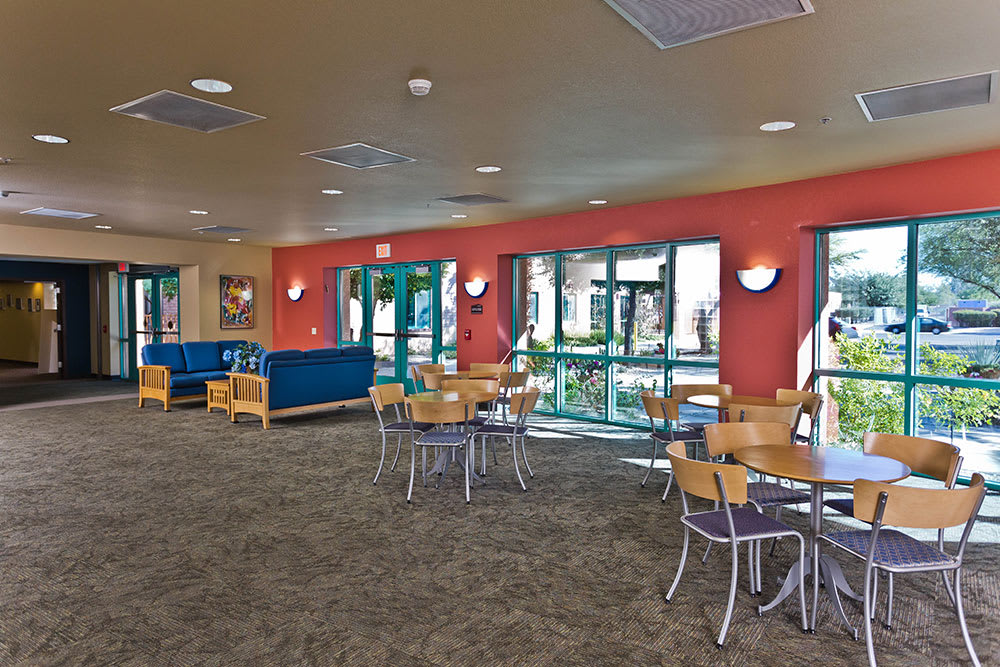
A recurring theme is cleanliness, with multiple reviews describing the building as spotless, smelling clean, and free of unpleasant odors. Families also mention room setup and privacy, including references to private rooms with shared bathrooms. While some negative reviews cite hygiene or cleanliness problems, the dominant pattern is strong approval of the facility’s upkeep.
caveat
10 reviews mention this
Communication can be inconsistent
Several families report gaps in communication around care transitions and updates.
Some reviews describe problems getting timely information from case management or social work, including coverage and discharge details that affected planning. Others mention medication- or process-related confusion during or around discharge, requiring families to step in to correct issues. Even among generally positive experiences, communication coordination across departments is a recurring area where families wish it had been smoother.
caveat
9 reviews mention this
Staffing shortages raise safety concerns
A recurring concern is inadequate staffing, especially during nights or high-need periods.
Some reviews describe being short-staffed, with delayed responses to call lights and insufficient coverage when residents need help. A few accounts connect these staffing concerns to missed care needs and unsafe situations, including complaints about night staffing levels and overwhelmed tech staff. At the same time, many other reviews are positive about care, so staffing reliability appears to be the main swing factor across experiences.
common
7 reviews mention this
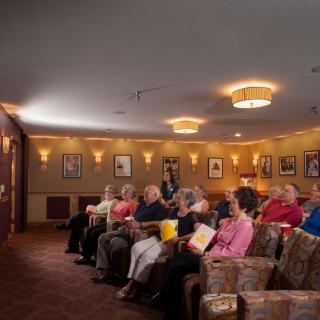
Activities include Adventure Bus
Activities and outings are a meaningful part of life for many residents.
Multiple reviews mention that residents can stay engaged through organized activities, with some praising the Adventure Bus program and memory care programming. Families describe structured programming as a way to provide social time and stimulation, particularly for residents dealing with early Alzheimer’s or dementia-related needs. A few reviews also note that activity offerings vary by resident interests, but overall the theme is that there is enough going on to matter.
How we summarize
Counts show how many written reviews mention each theme; a review can touch several themes, and only frequently mentioned themes are displayed.


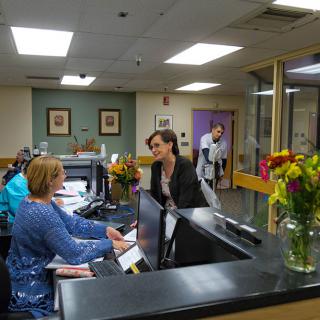
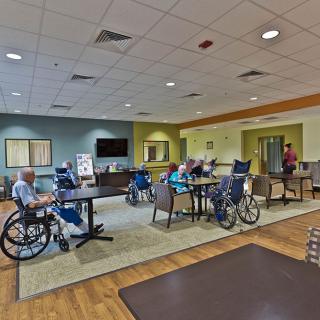
 Assisted Living
 Memory Care
 Cats allowed
 Dogs allowed
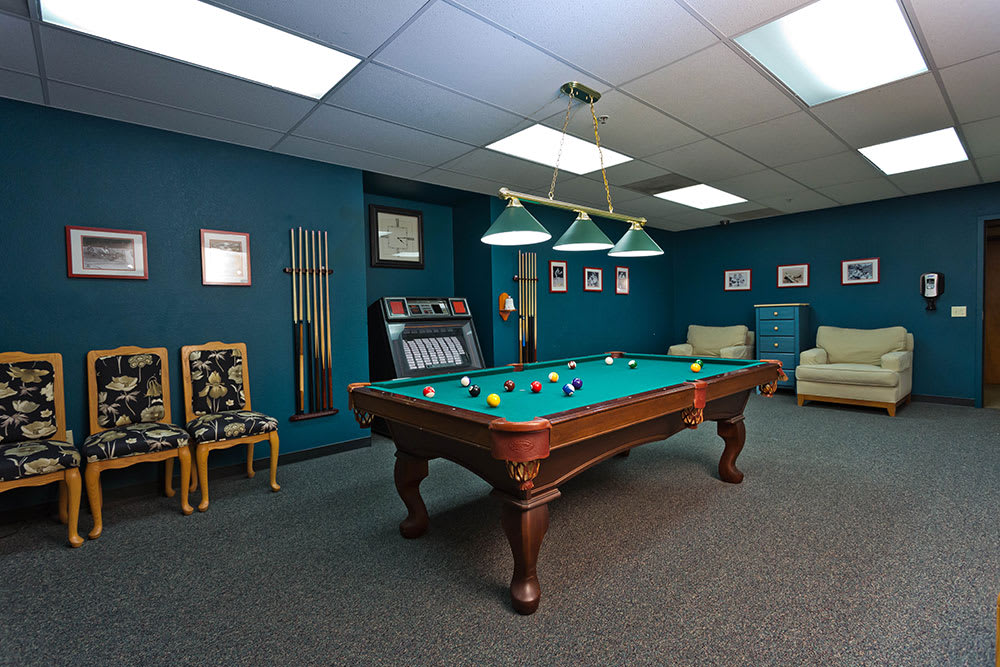
 Activities on-site
 Beautician on-site
 Devotional services off-site
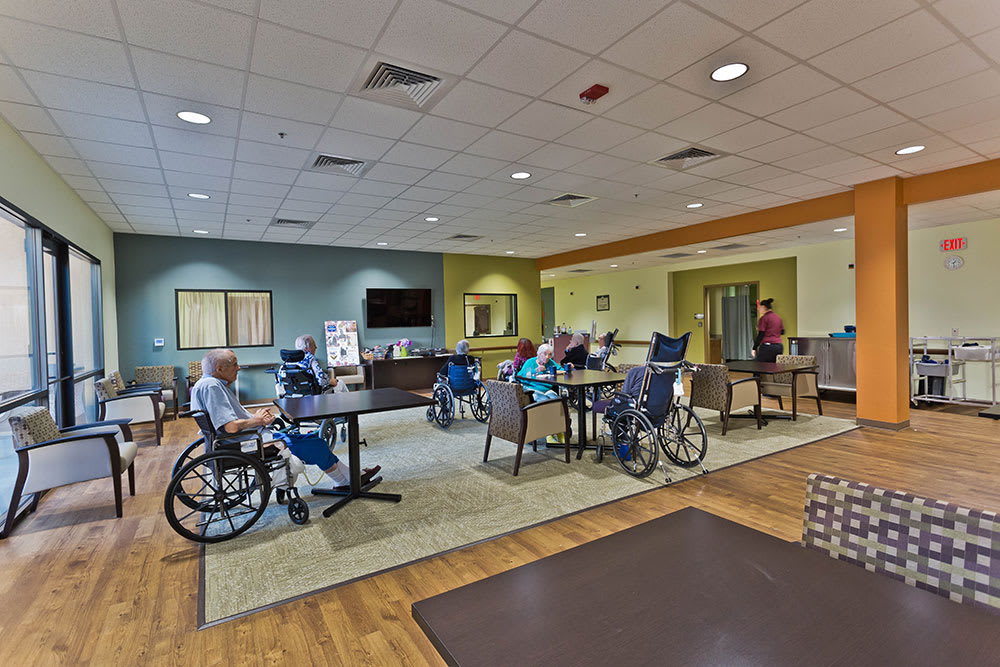
 Indoor common areas
 Respite or short term stays offered
 Wheelchair accessible showers
 Tucson International (10 miles away)
 Ambulatory care
 Diabetic care
 High acuity care
 Medication management
 Kosher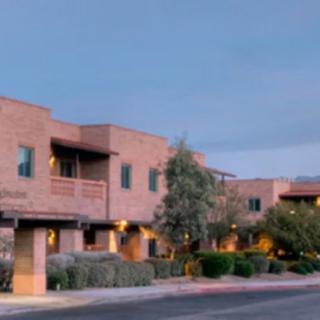
 24/7 supervision and nursing care with extensive amenities and engaging activities.




 Vibrant Senior Living: A Comprehensive Guide for Active Older Adults
 Assisted Living and Memory Care: Understanding Their Core Differences
 Choosing the Right Senior Care: A Detailed Exploration of Assisted Living and Nursing Homes