




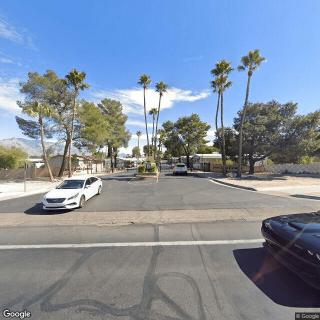
5450 West Ajo Way, Tucson, AZ 85735
To contact a resident: (520) 395-7476
For more information about senior living options: (866) 208-4318
Akres Del Cielo Assisted Living Facility LLC Costs & Pricing
Akres Del Cielo Assisted Living Facility LLC offers competitive pricing for its services, particularly when compared to both Pima County and the broader Arizona market. The monthly cost for a one-bedroom unit, as well as a private room, is set at $2,800, which represents significant savings when juxtaposed with Pima County's average of $3,660 and $3,332 respectively. Additionally, the semi-private room rate of $2,800 aligns closely with the local average of $2,805 but remains slightly lower than the state average of $2,820. Overall, Akres Del Cielo provides an appealing option for individuals seeking quality assisted living while maintaining financial prudence in their choices.
| Floor plans | Akres Del Cielo Assisted Living Facility LLC | Pima County | Arizona |
|---|---|---|---|
| 1 Bedroom | $2,800 | $3,660 | $3,532 |
| Private | $2,800 | $3,332 | $3,345 |
| Semi-Private | $2,800 | $2,805 | $2,820 |
Memory care communities with a similar price nearby
-
from +$200 / mo
Crossroads Adult Care Homes
$3,000 to $3,600 / month9.2 miles away -
from -$100 / mo
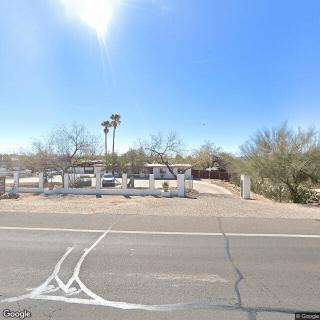
Casa De Los Abuelos Dos
$2,700 to $3,200 / month11.1 miles away -
from -$300 / mo
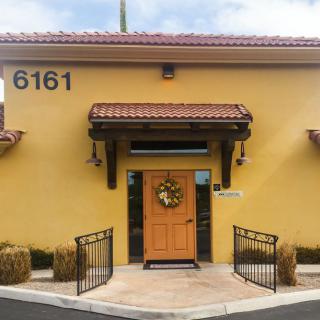
Fairmount Assisted Living
$2,500 to $3,500 / month10.7 miles away -
from +$345 / mo
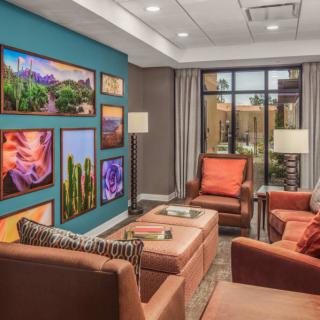
The Watermark at Oro Valley
$3,145 to $4,995 / month13.8 miles away -
from +$535 / mo
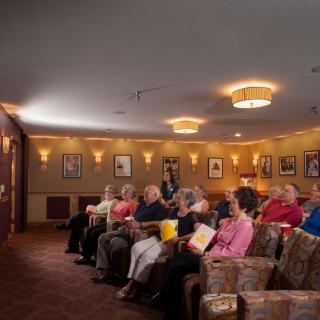
Cascades of Tucson
$3,335 to $5,350 / month11.0 miles away
Overall Review of Akres Del Cielo Assisted Living Facility LLC
Pros
 The staff of Abella is kind, thoughtful, and professional.
- The care given by employees is thorough.
- The home is one of the cleanest.
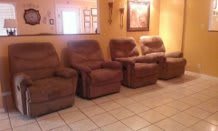
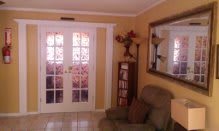
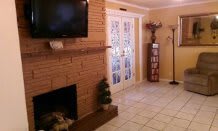
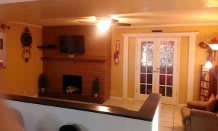
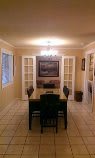
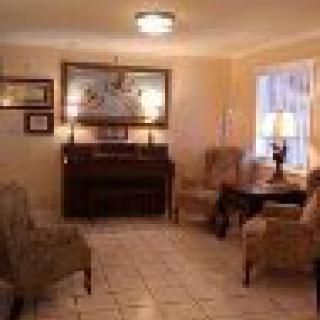
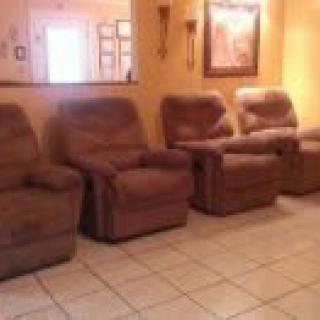
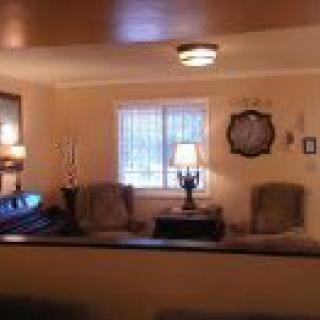
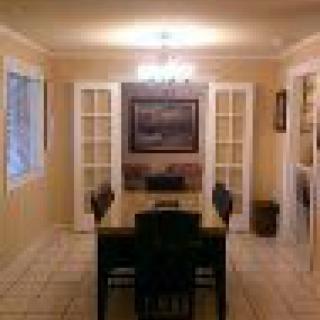
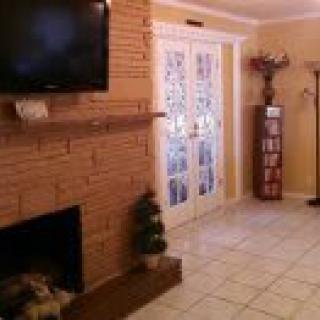
- It is a beautiful, small, cozy home.
Review
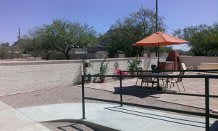
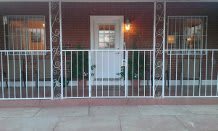
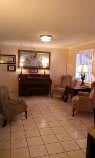
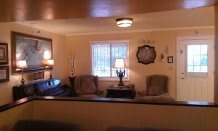
This community is best suited for families seeking a small, home-like assisted living environment in Tucson where care feels personal, steady, and meticulously delivered. The two reviews describe staff who are kind, thoughtful, and professional, with care that is thorough and a facility that stands out for cleanliness. The “beautiful small cozy home” descriptor signals a setting that prioritizes warmth and routine over a clinical, campus-style atmosphere. For residents who want to be known by name, to move through daily care with predictable rhythms, and to avoid the bustle of larger communities, this is a compelling fit.
Those weighing alternatives should consider how much expansiveness matters. If the priority is a larger campus with a busy calendar of social events, more on-site specialists, or a broad array of amenities, this intimate setting may feel limiting. For families with residents who require extensive medical oversight, complex skilled nursing, or advanced memory care services, a bigger facility with visible round-the-clock nursing and more diverse care options may be a better match. Budget transparency and clearly defined pricing also become critical if one must compare true monthly costs across several settings.
The key strengths here, notably the staff’s warmth, thoughtfulness, and professionalism, deliver protection and reassurance that can offset potential trade-offs of size. Thorough care means concerns are less likely to slip through cracks, while consistent, attentive caregivers reduce family worry about monitoring daily routines. Cleanliness contributes to comfort and infection control, which in turn supports faster adaptation for new residents. The intimate, home-like environment can foster stability in routines, smoother communication, and a sense of belonging that larger communities often struggle to replicate.
In practice, the homey atmosphere and the reputation for careful caregiving translate into tangible advantages for day-to-day life. Residents are more likely to experience reliable supervisor presence, fewer transitions between different caregivers, and more opportunities for meaningful interaction with staff who already know their preferences. For families, these dynamics often translate into easier oversight, quicker identification of subtle changes in health or mood, and a reminder that the setting prioritizes dignity, gentleness, and consistency over spectacle.
Yet certain critical questions remain inadequately addressed in the existing feedback. There is no detailed information about care levels and how they scale with pricing, nor is there clarity on staffing ratios by shift or the availability of on-site nursing after hours. Details about meal quality, menu variety, activity programming, transportation options, and the breadth of memory care or specialized services are not stated. Prospective families should request a formal tour, insist on meeting direct caregivers, review a sample individualized care plan, and see floor plans and common-area layouts. Asking for recent references from current residents’ families can also illuminate how care feels on a typical day.
Bottom line: this community appears well-suited for those who value a clean, intimate, home-like setting with consistently kind and capable staff delivering thorough daily care. It is less likely to satisfy families seeking extensive medical services, large-scale programming, or highly specialized memory care without additional research and assurances. The prudent path is a structured visit, observe interactions, evaluate how staff respond to resident cues, verify what the monthly rate includes, and confirm that the facility can scale care as needs evolve. In the right match, the reassurance of personal attention and a well-kept, comfortable home can make all the difference for both resident and family.
 Board and Care Home
 Memory Care
 Activities on-site
 Devotional services off-site
 Indoor common areas
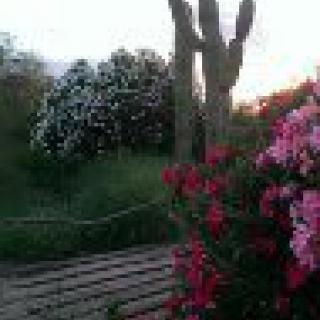
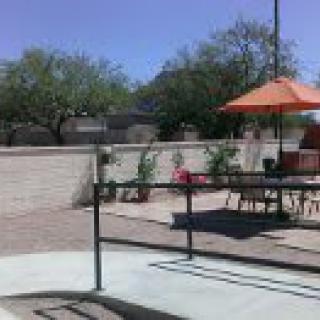
 Outdoor common areas
 Private
 Tucson International (7 miles away)
 Diabetic care
 High acuity care
 Incontinence care
 Medication management
 Meals provided

 Are Dementia and Alzheimer's Disease Lethal? A Comprehensive Exploration
 Exploring the Power of Reminiscence Therapy for Individuals With Dementia
 An In-Depth Look at Reminiscence Therapy in Dementia Care