For more information about senior living options: (866) 208-4318
3.3 from 108 reviews
5 stars
60
4 stars
3
3 stars
2
2 stars
0
1 stars
43
Blue Birds Sanctuary Costs & Pricing
Blue Birds Sanctuary offers competitive pricing for its accommodations, providing excellent value compared to the broader market in Maricopa County and the state of Arizona. For a semi-private room, residents pay $1,800 per month - a significant saving when compared to the county average of $2,801 and the state average of $2,820. Similarly, private rooms at Blue Birds Sanctuary are priced at $2,200 per month, which is more affordable than both the county average of $3,318 and the state average of $3,345. This cost structure positions Blue Birds Sanctuary as an attractive option for individuals seeking quality care without compromising their financial well-being.
Floor plans
Blue Birds Sanctuary
Maricopa County
Arizona
Semi-Private
$1,800
$2,801
$2,820
Private
$2,200
$3,318
$3,345
Memory care communities with a similar price nearby
Residents describe both very kind help and frequent rudeness from staff.
Across the reviews, people either say the owner and staff are welcoming, knowledgeable, and patient, or they report being treated dismissively and spoken to rudely. Several visitors mention help with finding birds, supplies, or grooming/boarding needs, while other reviewers describe cold or condescending interactions at the counter and on the phone. This contrast also shows up in how customers felt they were handled during sign-in and when asking questions in the shop.
caveat20 reviews mention this
Cages and cleanliness are debated
Reviews disagree on how clean and well-kept the birds’ cages look.
Some residents describe spotless cages, no unpleasant odors, and birds kept in freshly cleaned enclosures. Others say the facility looked dark, dirty, and smelled, and they mention cages, water, and food bowls not being clean. There are also reviewers who say cages and birds showed signs of poor condition or distress, while others strongly disagree and call those complaints baseless.
caveat10 reviews mention this
Pricing and fees raise concerns
Multiple reviews call the adoption or service pricing too high.
Several reviewers say the adoption/rescue fees or bird prices feel overpriced, including comments that fees are not consistent with what they expected to pay elsewhere. A few also mention specific dollar amounts for services or birds, framing the cost as unreasonable. On the other hand, at least one positive review mentions the prices for toys/food and adoption fee as reasonable, so the pricing feedback is not one-sided.
common7 reviews mention this
Adoption screening and fit checks
Residents say the team takes time to assess adopter fit.
Some reviewers describe being asked a lot of questions and having their knowledge and living situation evaluated before adoption. Positive accounts frame this as responsible vetting to make sure the bird goes to the right environment, while negative accounts interpret the same process as rejection or an unwelcoming attitude. A few reviews also mention boarding and grooming happening only after meeting the shop’s requirements or expectations.
caveat8 reviews mention this
Grooming and boarding experiences vary
Reviews include both successful grooming/boarding stories and serious complaints.
Several residents say they trust the owner with grooming such as trims for beaks or nails and with temporary boarding, describing good outcomes and care for their birds. Other reviewers report negative results after grooming or boarding, including complaints about injuries or soreness and dissatisfaction with how care was handled during the stay. Reviewers also bring up disagreements about what grooming involves and whether the process matches what they expected.
common2 reviews mention this
Nearby essentials are close
Daily errands look straightforward with nearby pharmacies and shopping.
The nearby list includes multiple pharmacy stops and common convenience destinations within about a mile, plus additional dining and medical options a bit farther out. That mix can make it easier to handle supplies and appointments without traveling far.
How we summarize
Counts show how many written reviews mention each theme; a review can touch several themes, and only frequently mentioned themes are displayed.
Features
Types of Care
Board and Care Home
Day Program
Memory Care
Pets
Cats allowed
Dogs allowed
Amenities
Private
Respite or short term stays offered
Transportation
Phoenix Sky Harbor International (5 miles away)
Nearby Places of Interest
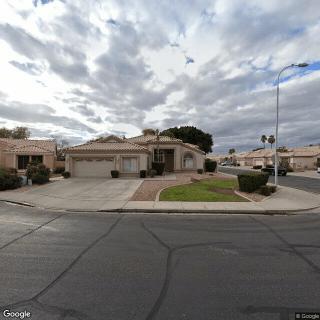
This part of Scottsdale, Arizona offers a convenient location with easy access to essential amenities such as pharmacies, cafes, physicians, restaurants, theaters, parks, hospitals, places of worship, and transportation options. The area boasts a variety of dining choices ranging from Italian groceries to burger joints to upscale culinary experiences. Nearby medical facilities like Azam Medical Clinic and Greenbaum Surgery Center provide quality healthcare services for seniors. Additionally, recreational activities can be enjoyed at Tempe Beach Park or Selleh Park. The close proximity to the airport may offer convenient travel options for those looking to explore or visit family. Overall, this part of Scottsdale provides a well-rounded community with everything seniors may need for comfortable living.
Blue Birds Sanctuary offers competitive pricing for its accommodations, providing excellent value compared to the broader market in Maricopa County and the state of Arizona. For a semi-private room, residents pay $1,800 per month - a significant saving when compared to the county average of $2,801 and the state average of $2,820. Similarly, private rooms at Blue Birds Sanctuary are priced at $2,200 per month, which is more affordable than both the county average of $3,318 and the state average of $3,345. This cost structure positions Blue Birds Sanctuary as an attractive option for individuals seeking quality care without compromising their financial well-being.
Sundown syndrome, or sundowning, is a phenomenon in dementia patients characterized by increased confusion and agitation during late afternoon and evening, influenced by factors like disrupted circadian rhythms and fatigue. Effective caregiver strategies include establishing routines and managing environmental light while addressing caregiver stress through support services.
Delirium is a rapidly onset, reversible cognitive disturbance often caused by acute medical issues, while dementia is a gradual and irreversible decline due to chronic neurodegenerative diseases. Accurate differentiation between the two is essential for appropriate treatment and management in older adults.
Dementia, including Alzheimer’s disease, is often mischaracterized in terms of lethality as it leads to complications that can be fatal rather than being a direct cause of death; it causes a progressive decline in cognitive and physical health, making patients vulnerable to infections and other health crises. Effective management of nutrition, hydration, and communication is crucial in patient care, with palliative care becoming vital in advanced stages to enhance comfort and quality of life while caregivers play a key role amidst the challenges posed by the disease.
Get PricingAsk A QuestionSchedule A TourContact Senior Advisor
By clicking submit, you agree to our Partner's Terms of Use. You
also consent to receive calls and texts, which may be autodialed, from our Partner. Your consent is not a condition to
using our Partner's service. Please visit our Partner's Privacy Policy for information about their privacy practices.


 Board and Care Home
 Day Program
 Memory Care
 Cats allowed
 Dogs allowed
 Private
 Respite or short term stays offered
 Phoenix Sky Harbor International (5 miles away)
 Excellent access to nearby healthcare, dining, and transportation options.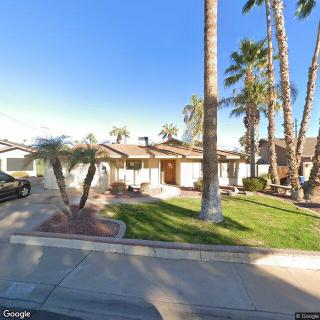




 Comprehending Evening Confusion in Dementia: Causes, Manifestations, and Support
 Delirium and Dementia: Unraveling the Key Differences
 Are Dementia and Alzheimer's Disease Lethal? A Comprehensive Exploration