

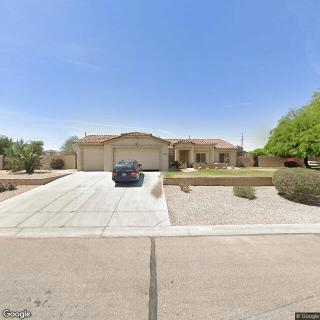
2268 West Peggy Drive, Queen Creek, AZ 85142
To contact a resident: (480) 304-2922
For more information about senior living options: (866) 208-4318
Renata's Home for the Elderly Costs & Pricing
Renata's Home for the Elderly offers competitive pricing compared to the broader market, with a focus on providing quality care and comfortable living arrangements. For a semi-private room, residents can expect to pay $2,000 per month, significantly lower than the county average of $2,798 and the state average of $2,820. The private room option is also attractively priced at $2,500, compared to Pinal County's average of $3,209 and Arizona's state average of $3,345. Additionally, residents choosing a one-bedroom unit will find costs at Renata's Home to be $3,000, favorably below both county and state averages of $3,659 and $3,532 respectively. This pricing positions Renata's as an appealing choice for families seeking affordable yet quality elderly care in the region.
| Floor plans | Renata's Home for the Elderly | Pinal County | Arizona |
|---|---|---|---|
| Semi-Private | $2,000 | $2,798 | $2,820 |
| Private | $2,500 | $3,209 | $3,345 |
| 1 Bedroom | $3,000 | $3,659 | $3,532 |
Memory care communities with a similar price nearby
-
About the same
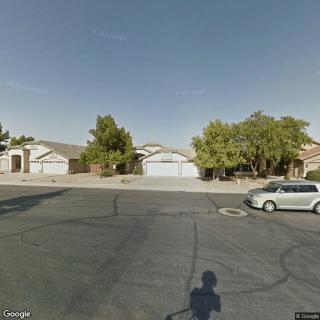
Santo Nino Villas 2
$2,000 to $2,300 / month14.9 miles away -
About the same
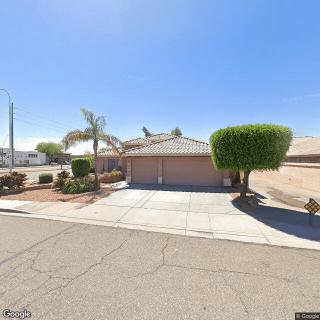
Angel's Adult Group Home
$2,000 to $3,000 / month24.5 miles away -
from +$200 / mo

Desert Springs Communites
$2,200 to $2,500 / month20.4 miles away -
from -$150 / mo
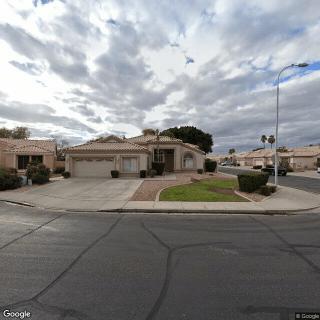
Divine Mercy Assisted Living II
$1,850 to $3,350 / month17.6 miles away -
from +$200 / mo

Desert Breeze of Chandler
$2,200 to $3,000 / month15.1 miles away
Overall Review of Renata's Home for the Elderly
Pros
 The home was heaven on earth for their mother.
- The facility is awesome, with Flora and Edwardo providing exceptional care.
- Flora and Edwardo became like family and truly cared for the residence.
- The care around the residence was second to none.
- Flora and Edwardo showed unbelievable compassion and love.
- Flora and Edwardo became mom's angels on earth during hospice.
- The staff are truly the best in the industry.
- The home is heaven sent.
- The facility was always clean and attentive to residents.
- The facility was well run and well staffed, with no complaints reported.
Cons
 The facility has dirty bathrooms and rarely cleans the rooms.
- The food is barely edible and there are no set meal times.
- There is no help feeding residents who are incapable of feeding themselves.
- An aide crushed sleeping aids into residents' food.
- There is no bottled water or drinks offered outside meals.
- There are no activities, games, or exercises at all.
- The aide is not properly trained to dispense medications and often mixes them up.
- The aides do not wear gloves and hand medications out in bare hands.
- The facility moved a resident without informing the family.
- The owner ignored calls and texts seeking resolution.
Review
Renata’s Home for the Elderly in Queen Creek is best suited for families seeking a small, intimate, home-like environment where caregivers form meaningful, ongoing relationships with residents. It works for seniors who do not require heavy, high-structure medical oversight and who respond well to personal attention, warmth, and frequent human contact. In this setting, the daily experience centers on companionship, familiar faces, and a sense of being cared for as part of a family. Families willing to engage closely with the staff and supervise care can leverage the personal bond that defines this community. Those prioritizing precise meal scheduling, rigorous cleanliness standards, and consistently flawless operations should weigh alternatives more heavily.
The strongest positives center on the human connection. Several families describe staff members, notably Connie, Flora, and Edwardo, as deeply devoted, treating residents with genuine affection and becoming trusted confidants during times of hospice or decline. The caregivers are repeatedly portrayed as attentive, entertaining, and emotionally present, with residents often enjoying meals, activities, and visits that feel like extended family time. A consistent thread from multiple accounts is a sense of being “the best care” their loved one received, driven by caregivers who treat residents as if they were their own family. Equally important, independent observations have affirmed cleanliness and adequate upkeep in parts of the home, contributing to an overall impression of a well-maintained environment when staff are fully engaged.
Yet a pattern of serious,-to-the-core concerns interrupts the narrative. Reported issues span sanitation lapses (dirty bathrooms, rooms not consistently clean) and insufficient attention to meals (unappetizing food, no fixed dining schedule, and gaps in feeding assistance for residents who cannot feed themselves). Medication handling emerges as a dominant risk, with allegations of aides dispensing pills without gloves, and mixed-ups in administration; in some cases, medications were handed over directly, raising questions about proper protocols. Additional red flags include a locked fridge with limited access, inconsistent activity offerings, and a perception that staff training and supervision were not uniform across shifts. The most troubling heartrending episodes involve abrupt moves without family notification, missing dentures, rude conduct, and broadcasts of dissatisfaction that stretched to authorities in at least one case.
These contrasts matter when weighing whether the pros compensate for the cons. For families prioritizing warmth, communication, and a caregiver team that truly treats residents like kin, the emotional and relational benefits can offset a host of operational gaps, provided strong family involvement and vigilant oversight are present. However, when operational reliability, rigorous safety practices, and predictable routines are non-negotiable, the reported lapses in basic cleanliness, medication safety, and governance cannot be dismissed. The spot-inspection impression that the home is clean and well-maintained in some moments offers reassurance, but the inconsistent experiences across reviews create a meaningful caution about variability in daily execution. In practical terms, the facility’s strongest value lies in the people; its most significant risk lies in how consistently those people execute standard care practices.
Families leaning toward Renata’s should pursue deliberate, concrete due diligence before committing. Demand a detailed tour focused on daily routines: exact meal times, dining assistance, and how residents are helped with feeding if needed; observe medication procedures, who administers, glove use, and how errors are prevented; review the activity calendar and verify that meaningful engagement is offered regularly; insist on unrestricted access to the kitchen and fridge or a clearly defined policy; request a current, written care plan with measurable goals and escalation protocols; and ask for candor about staff turnover and recent complaints and resolutions. Also request direct access to leadership to establish expectations for communication, including prompt updates about any resident changes or movements.
In sum, Renata’s Home for the Elderly presents a pragmatic choice for families seeking an emotionally driven, caregiver-centric environment where love and attention can be abundant. It is less suitable for those who cannot tolerate intermittent lapses in cleanliness, medication safety, or operational discipline. For the right resident, one who thrives on familiarity and close caregiver relationships, and whose family commits to active oversight, the positives can outsize the negatives. Yet for families prioritizing relentless consistency, transparent governance, and uncompromising safety standards, exploring alternatives with stronger track records in regulated processes and routine oversight is strongly advised.
 Board and Care Home
 Memory Care
 Activities on-site
 Bath tubs
 Indoor common areas
 Outdoor common areas
 Private
 Respite or short term stays offered
 Wheelchair accessible showers
 Diabetic care
 High acuity care
 Kosher



 An In-Depth Look at Reminiscence Therapy in Dementia Care
 Dementia-Related Hallucinations: Causes, Experiences, and Practical Approaches
 Illuminating Insights About Alzheimer's Disease: Ten Crucial Realities