
31891 North Echo Canyon Road, Queen Creek, AZ 85143
For more information about senior living options: (866) 208-4318
Overall Review of Solera at Johnson Ranch
Pros
 Residents love living there.
- The community has friendly residents and a caring HOA.
- The community is very well kept.
- It is a great place to live.
- The residents are nice and the clubhouse is awesome.
- It is a wonderful place to live.
- The residents are great.
- It is a terrific place to live, with tons of activities and very welcoming neighbors.
- It is an excellent community with lots to do.
- The pool and jacuzzi are favorite features, especially in the summer.
Cons
 Peter G is criticized for not following rules and failing to get along with the upper class.
 - The board is portrayed as wielding its new-found power against residents, including those who have a weed in their yard.
Review
Solera at Johnson Ranch in Queen Creek, AZ is best suited for active adults who want a neighborly, amenity-rich, and well-governed village feel. The community functions like a self-contained town within a gate, where daily life centers on clubs, events, and easy access to a polished clubhouse, resort-style pool, and social calendars. With 700+ homes in a compact, design-diverse setting, newcomers will find a genuine sense of belonging among friendly neighbors who participate in a busy slate of activities and volunteer opportunities. The upgrades are a real plus, and the overall maintenance and curb appeal reinforce a sense of pride in ownership.
Those who may want to consider alternatives are individuals who prefer a looser governance model or a less structured social environment. If autonomy from a resident-elected board and fewer formal rules are priorities, this may not feel like the right fit. Similarly, buyers seeking a larger, non-gated footprint, a more private or low-traffic lifestyle, or lower ongoing costs tied to an HOA may want to explore other options. The strong community governance, while a strength for many, can feel restrictive to those who resist collective decision-making or perceived social scrutiny.
The strongest positives here, the friendly, engaged community; the meticulous maintenance; and the breadth of activities, offset the potential drawbacks in meaningful ways. Residents consistently describe a welcoming atmosphere and a club-driven lifestyle that makes socializing easy and natural. The clubhouse, pool, and spa serve as reliable anchors for daily rhythm, while golf and other recreation keep the calendar lively. The design approach, four distinct home styles with upgrades that feel like standard features across phases, delivers practical appeal: newer interiors, contemporary finishes, and a cohesive sense of quality throughout the neighborhood.
Equally important is how these advantages mitigate typical HOA friction. A proactive, resident-focused HOA tends to translate into predictable maintenance, timely repairs, and transparent coordination around events and rules. For families evaluating move-in readiness, this translates to less unknowns about upkeep or monthly costs and more certainty about what amenities will be available and well cared-for. The social fabric, neighbors who are approachable, inclusive, and engaged, reduces the loneliness risk common to more insular communities and helps ensure new residents quickly discover their niche, from volunteering to join charitable events or lead a hobby group.
Yet, no community thrives without trade-offs. The principal con here is the governance layer, the perception that rules and board decisions can carry a weightier social tone than in looser settings. Opinions about fairness and governance may diverge, and some residents perceive a risk of cliques or power dynamics at play. For families sensitive to a highly structured environment, or those who fear feeling boxed in by norms, this could become a real consideration. It is wise to review the HOA documents, observe resident interactions, and gauge how transparent and responsive leadership appears during visits.
In the end, Solera at Johnson Ranch stands out as a practical, purpose-built choice for households that prize community connection, solid maintenance, and strong amenities packaged with inclusive upgrades. Prospective residents who value a warm social ecosystem, a capable management team, and a calendar filled with intelligent recreation will find the positives compelling enough to overcome most reservations about governance. For families prioritizing autonomy or serenity over organized activity and governance, alternatives with looser oversight or a broader footprint will better meet those expectations. The decision should hinge on how much emphasis is placed on belonging and reliability versus flexibility and pageantry of rules, and on whether the welcome mat at the clubhouse aligns with the desired pace of life.
 6 resident community capacity
 Active Adult Communities (55+)
 Telephone
 Wi-Fi/high-speed internet available
 Assistance with dressing
 Meal preparation and service
 Medication management
 Diabetes diet
 Special dietary restrictions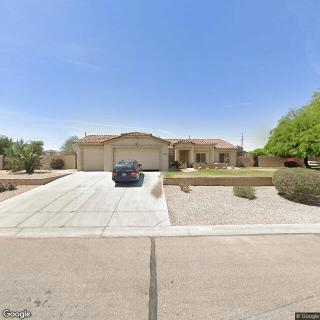



 Is a Geriatric Care Manager the Right Choice for Your Family?
 Compassionate Conversations: How to Comfort Someone Who Is Grieving
 Home Health Care Aides: Understanding Their Role and Supporting Your Family