
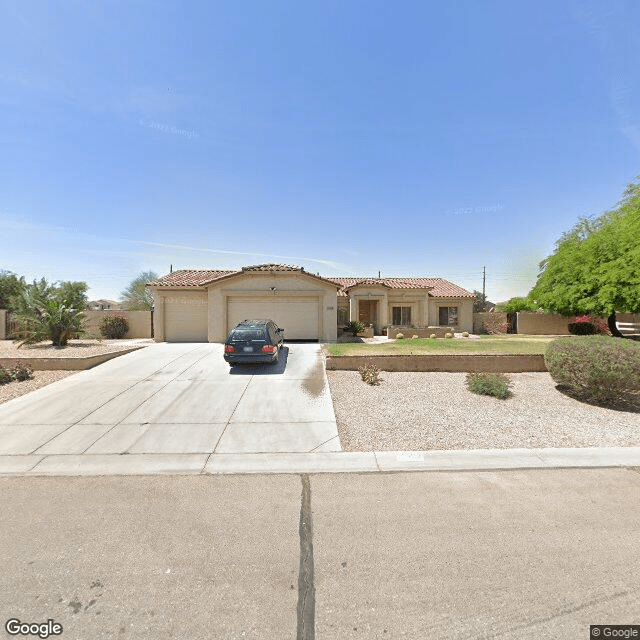
31392 North Sunflower Way, Queen Creek, AZ 85143
For more information about senior living options: (866) 208-4318
Renata's Home For The Elderly 2 Costs & Pricing
Renata's Home For The Elderly 2 offers competitive pricing for its residents, with semi-private rooms available at $2,750 per month, which is notably lower than both the Pinal County average of $2,798 and the state average of $2,820. For those seeking more privacy, private rooms are priced at $3,000, also undercutting the county average of $3,209 and the state average of $3,345. This pricing structure not only reflects a commitment to affordability but also provides an attractive option for families looking for quality care in a welcoming environment. Overall, Renata's stands out as a cost-effective choice without compromising on the standards of care expected in long-term elderly living facilities.
| Floor plans | Renata's Home For The Elderly 2 | Pinal County | Arizona |
|---|---|---|---|
| Semi-Private | $2,750 | $2,798 | $2,820 |
| Private | $3,000 | $3,209 | $3,345 |
Assisted Living communities with a similar price nearby
-
from -$125 / mo

The Eldercare Home Of Tempe
$2,625 to $3,412 / month24.4 miles away -
from -$250 / mo
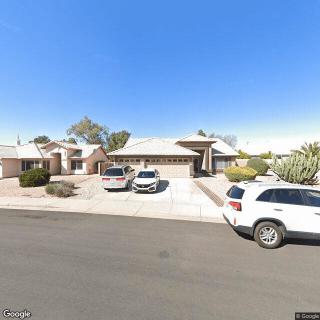
Bella Vista Assisted Living Home
$2,500 to $3,000 / month17.2 miles away -
from -$250 / mo
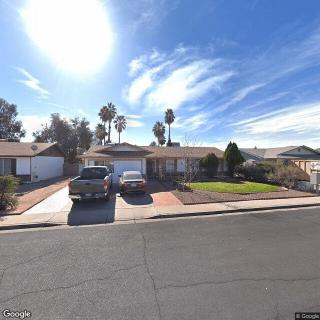
Coming Home Assisted Living Home
$2,500 to $3,000 / month20.1 miles away -
from +$250 / mo
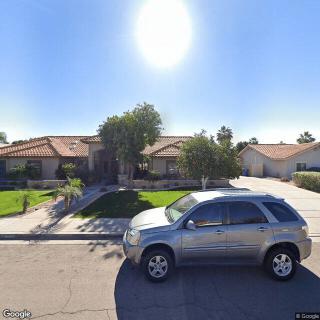
Jim And Patti Jones Assisted Living Home III
$3,000 to $3,500 / month21.3 miles away -
from +$250 / mo
Corinthian Assisted Living Home
$3,000 to $3,400 / month21.2 miles away
Overall Review of Renata's Home For The Elderly 2
Pros
 The experience at Renata's Home for the Elderly has been good.
- They take very good care of the residents.
- The staff are very friendly and interactive with the residents.
- The facility is clean and well-kept.
Review
Renata's Home For The Elderly 2 in Queen Creek, AZ is best suited for families seeking a small, intimate assisted living option where staff invest personal attention in residents. The setting appears home-like rather than institutional, and the care philosophy centers on daily interactions and visible warmth. For seniors who thrive on steady routines, meaningful social engagement, and a clean, well-maintained environment, this community offers a compelling match.
Those who should consider alternatives include residents who require heavy medical oversight, complex wound care, or memory care specialization, and who need reliable on-site nursing coverage or more formal medical programming. Larger campuses with broader activity catalogs, expansive amenities, or more predictable pricing structures may be preferred by families seeking a certain scale or a specific care mix. Budget sensitivities and the desire for comprehensive, 24/7 skilled nursing should also steer families toward other options.
Key strengths emerge in the everyday lived experience. The prevailing feedback depicts care as solid, with staff described as friendly and highly interactive with residents, signaling a culture that values connection and vigilant supervision. A clean, well-kept environment further reinforces safety and comfort, reducing distractions and supporting predictable daily routines. When care staff actively engage residents, loneliness is mitigated, participation increases, and the day-to-day rhythm feels coherent and reassuring for families.
Yet, the limited scope of the available feedback means it is essential to verify several practical details during a visit. Questions about how medical needs are managed, medication administration practices, and access to on-site professionals should be asked directly. Staffing levels across all shifts, weekend coverage, and the facility’s emergency responsiveness deserve confirmation. Activity variety, transportation options, and meal planning are practical components that influence day-to-day satisfaction, and must be reviewed to ensure alignment with a resident’s preferences and needs, especially for those requiring specialized diet or mobility accommodations.
The positive aspects notably offset typical concerns associated with smaller, home-like settings. The emphasis on personal interaction and a warm, clean atmosphere addresses core fears about isolation and discomfort, while a responsive, engaged staff can compensate for fewer on-site amenities when daily life centers on reliable caregiving and community involvement. The combination of a friendly team and a well-maintained space creates a durable sense of security, making it a strong candidate for families prioritizing relationship-driven care and steady routines over breadth of services.
Bottom line: Renata's Home For The Elderly 2 stands out as a practical, reassuring option for seniors who thrive on personal attention in a compact, well-kept environment in Queen Creek. Prospective residents or families should arrange a first-hand tour, focusing on staff-resident interactions, the cleanliness standard, and the facility’s ability to accommodate specific care needs. If high-level medical services, specialty memory care, or expansive activity programming are priorities, alternatives should be explored; otherwise, this community deserves strong consideration for those prioritizing warmth, engagement, and daily reliability.
 10 resident community capacity
 Assisted Living
 Board and Care Home
 Dogs allowed
 Cable or satellite TV
 Dining room
 Fully furnished
 Garden
 Housekeeping services
 Move-in coordination
 Outdoor space
 Private
 Telephone
 Wi-Fi/high-speed internet available
 24-hour supervision
 Activities of daily living assistance
 Assistance with bathing
 Assistance with dressing
 Assistance with transfers
 Diabetes diet
 Meal preparation and service
 Medication management
 Special dietary restrictions
 Transportation arrangement (medical)
 Transportation to doctors appointments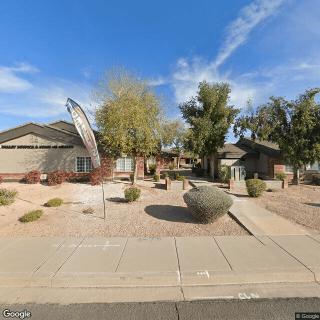
 Is Assisted Living Deductible on Your Taxes? Understanding the Complexities of Assisted Living Expenses and Deductions
 Assisted Living Support for Veterans: A Complete and Detailed Overview
 Exploring the Contrasts Between Assisted Living and Skilled Nursing