
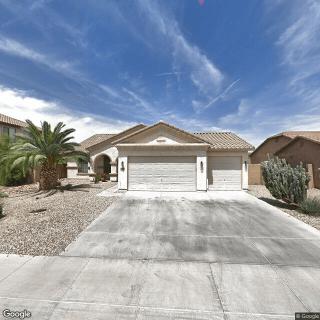
4166 West Dayflower Drive, Queen Creek, AZ 85142
For more information about senior living options: (866) 208-4318
Overall Review of Dayflower Care Home
Pros
 The caregivers interact with residents with love and attention.
- The facility is a good place for loved ones needing 24/7 care.
- The staff provide personal, heartfelt care for residents.
- Families feel gratitude for the caregivers' dedication.
- Elders are secured and well cared for.
- Proper health and nutrition are provided for residents.
- Weekly exercises are scheduled and rooms are well ventilated.
- The staff are well-trained, friendly, licensed caregivers.
Review
This community is best suited for families seeking a small, home-like care setting where 24/7 personal attention is not a luxury but the baseline. Dayflower Care Home in Queen Creek appears ideal for seniors who respond well to individualized supervision, warmth, and a daily routine centered on meaningful interactions with caregivers. The strongest signals from the statements point to staff who engage residents with genuine care, turning each day into a supervised, family-like experience. For families facing work schedules or distance, the dependable, attentive presence of caregivers offers the practical peace of mind that a loved one is monitored and supported around the clock. In short, Dayflower targets seniors who prioritize emotional security and consistent companionship alongside daily assistance with meals, mobility, and light activity.
Those weighing alternatives should consider what happens if medical acuity rises or if a more formal, institution-like environment is required. If a loved one needs intensive medical management, memory-care specialization, or a calendar filled with formal programs and outings, larger assisted-living communities or dedicated memory-care homes may serve better. Families seeking a broader suite of on-site therapies, rehabilitation services, or expansive social calendars might find a private home setting at Dayflower feels intimate or limited in comparison. Prospective residents should verify how the home handles complex medications, emergency responses, and overnight nursing coverage to ensure alignment with evolving care expectations.
From the available feedback, the key advantages are unmistakable. The caregivers are portrayed as friendly, well-trained, and deeply devoted, delivering personal attention that translates into a secure atmosphere where meals are nutritious, weekly exercise is scheduled, and rooms are ventilated for comfort. The 24/7 care model, combined with licensed staff, builds reliability and peace of mind for families counting on constant supervision. The emotional tone, caregivers tending to residents with heartfelt commitment, addresses the core family concern: that a loved one is seen, heard, and valued every day. Taken together, these elements create a high-touch experience that can compensate for the absence of a larger, more impersonal facility.
However, the positive emphasis comes with prudent caveats.
With only two reviews, the breadth of experience remains inherently limited, and long-term outcomes are untested. The homey setting, while comforting, may come with fewer formal amenities, less visible medical oversight, and a smaller activity roster than conventional facilities. There is no explicit mention of memory-care capabilities, rehabilitation services, or advanced clinical pathways, so families should confirm whether care plans can scale if needs change. Still, the warmth, reliability, and daily structure described suggest a foundation strong enough to support basic daily independence and safety, especially for residents who thrive on familiar routines and close caregiver relationships.
Visiting Dayflower with a practical checklist will help translate sentiment into certainty. Observe caregiver–resident interactions, request introductions to the caregiving team, and review the daily schedule to see how routines are maintained. Ask about caregiver-to-resident ratios, staff qualifications, emergency procedures, meal planning, and how mobility support is delivered. Clarify what happens if overnight supervision becomes necessary or if a transition to higher-acuity care is anticipated, and obtain a transparent picture of licensing and regulatory compliance. Given the privately run, intimate setting, it is essential to confirm what medical supports are available on-site and how medications are managed day to day.
Overall, Dayflower Care Home stands out for families prioritizing heartfelt, around-the-clock attention within a warm, home-like environment. The strongest available signals indicate highly engaged caregivers, solid nutritional practices, regular light exercise, and a living space that feels safe and well-ventilated. Those attributes align closely with what many families value most: predictable, loving care delivered consistently. If the objective is a highly structured program, expansive clinical services, or advanced memory-care features, other options should be explored. For families seeking a small, compassionate setting where staff know residents by name and demonstrate persistent professional care, Dayflower offers a compelling and practical choice.
 5 resident community capacity
 Assisted Living
 Cable or satellite TV
 Dining room
 Fully furnished
 Garden
 Housekeeping services
 Move-in coordination
 Outdoor space
 Telephone
 Wi-Fi/high-speed internet available
 24-hour supervision
 Activities of daily living assistance
 Assistance with bathing
 Assistance with dressing
 Assistance with transfers
 Diabetes diet
 Meal preparation and service
 Medication management
 Special dietary restrictions
 Transportation arrangement (medical)
 Transportation to doctors appointments



 Is Assisted Living Deductible on Your Taxes? Understanding the Complexities of Assisted Living Expenses and Deductions
 Assisted Living Support for Veterans: A Complete and Detailed Overview
 Exploring the Contrasts Between Assisted Living and Skilled Nursing