
1962 West Cool Water Way, San Tan Valley, AZ 85142
For more information about senior living options: (866) 208-4318
Overall Review of Acuna at Morning Sun II
Pros
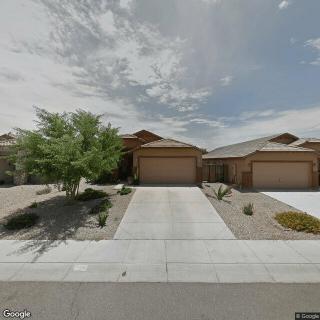
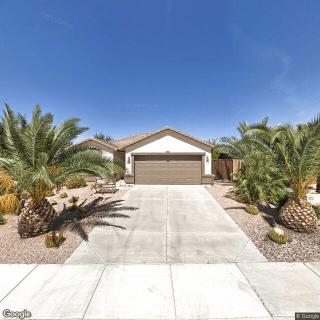
 The neighborhood looks awesome with beautiful homes.
- The landscape team is amazing and really cares about the property and the homeowners.
- It is a beautiful place to visit.
- The houses are very nice.
- The area is nice and very pretty.
- It is an amazing place to live.
Cons
 The HOA is a joke and harasses residents over driveway parking, while failing to install lights for the mailbox area at night.
- The HOA sucks.
- Graffiti at the park with inappropriate content and broken benches.
- Homes are being built too fast, with poor quality.
- There is nothing to do in the area besides touring and purchasing model homes.
Review
Acuna at Morning Sun II is best suited for buyers who want a brand-new, visually polished neighborhood with strong common-area maintenance and a clearly defined HOA framework. It rewards those who prize curb appeal, scenic desert views, and a cohesive, model-home aesthetic that feels finished and new. This is not ideal for anyone seeking an established, low-maintenance environment with on-site senior services or a robust, activity-filled lifestyle immediately at hand. For families or older adults wanting care options or a community with built-in senior programming, alternatives in the area, established neighborhoods or dedicated senior living communities, will likely serve better.
The tradeoffs are real. The most salient drawback is the HOA climate, which can feel overbearing to residents who simply want to park on their own driveway or enjoy a sense of flexibility in how the home is presented. Complaints include aggressive enforcement around parking and general HOA tension, plus a harsh sense that lights at common mail stations aren’t a nighttime priority. Those issues can sour the day-to-day experience, especially for households looking for ease and warmth rather than rule-based living. Additionally, the development pace has left some buyers worried about build quality and long-term durability as homes go up rapidly rather than with a meticulous, measured cadence.
Despite the friction, the upside remains compelling for a specific buyer profile. The neighborhood’s aesthetic is consistently striking: well-kept streets, landscaped vistas, and a strong sense of place created by an active landscape team that clearly cares about the property and the homeowners. Many observers describe the area as beautiful in person, with opinions that “amazing place to live” and “great place to live” aren’t unusual refrain. The housing stock itself is appealing, descent, very nice, even as “model homes” that signal new construction and fresh finishes. For buyers who value a first impression of quality and the comfort of a unified design language, that appeal carries noticeable weight.
Yet the cons cannot be dismissed. The rapid pace of construction and the suggestion of “poor quality” in earlier phases raise legitimate questions about build consistency, long-term maintenance, and the risk of growing pains as more homes come online. The graffiti at the park and benches that aren’t in optimal condition point to maintenance gaps that can undermine the otherwise pristine aesthetic. For families or seniors who rely on predictable upkeep and a sense of communal reliability, these signals matter. The impression that there is “nothing else to do but tour and purchase” underscores a scarcity of on-site amenities or social programming in the current phase, which reduces the appeal for buyers who expect a more complete living experience beyond the showroom.
The key question becomes how much the strong, lasting positives can balance the ongoing drawbacks. For buyers who place a premium on an immaculate, photo-ready environment and who are comfortable navigating HOA rules, the highs of this community can outweigh the rough edges. The landscape maintenance and overall curb appeal deliver a tangible quality-of-life dividend that can justify the frustration of enforcement if the end result is a home that remains visually compelling for years to come. However, for anyone prioritizing a turnkey, amenity-rich, low-keys senior-friendly setting, the scales tilt toward alternatives with mature infrastructure, fewer restrictions, and readily accessible care options.
In practical terms, a thorough, disciplined buyer approach is essential. Prospective purchasers should review HOA documents in depth, confirm parking rules and enforcement practices, and evaluate any upcoming assessments tied to common-area improvements. Inspect several completed homes and request notes on any quality issues from the builder or current residents, paying particular attention to exterior finishes, rooflines, and drainage as the development expands. Talk to residents about daily life, how responsive the HOA is, how maintenance is handled, and whether the neighborhood social fabric is developing beyond model-home optimism. For families or seniors seeking on-site care or a rich social calendar, seriously compare this master-planned setting with established senior-friendly communities in the area; the decision will hinge on whether pristine aesthetics and controlled governance outweigh the absence of immediate care services and the current limits on leisure options.
 5 resident community capacity
 Assisted Living
 Cable or satellite TV
 Dining room
 Fully furnished
 Garden
 Housekeeping services
 Move-in coordination
 Outdoor space
 Telephone
 Wi-Fi/high-speed internet available
 24-hour supervision
 Activities of daily living assistance
 Assistance with bathing
 Assistance with dressing
 Assistance with transfers
 Diabetes diet
 Meal preparation and service
 Medication management
 Special dietary restrictions
 Transportation arrangement (medical)
 Transportation to doctors appointments

 Is Assisted Living Deductible on Your Taxes? Understanding the Complexities of Assisted Living Expenses and Deductions
 Assisted Living Support for Veterans: A Complete and Detailed Overview
 Exploring the Contrasts Between Assisted Living and Skilled Nursing