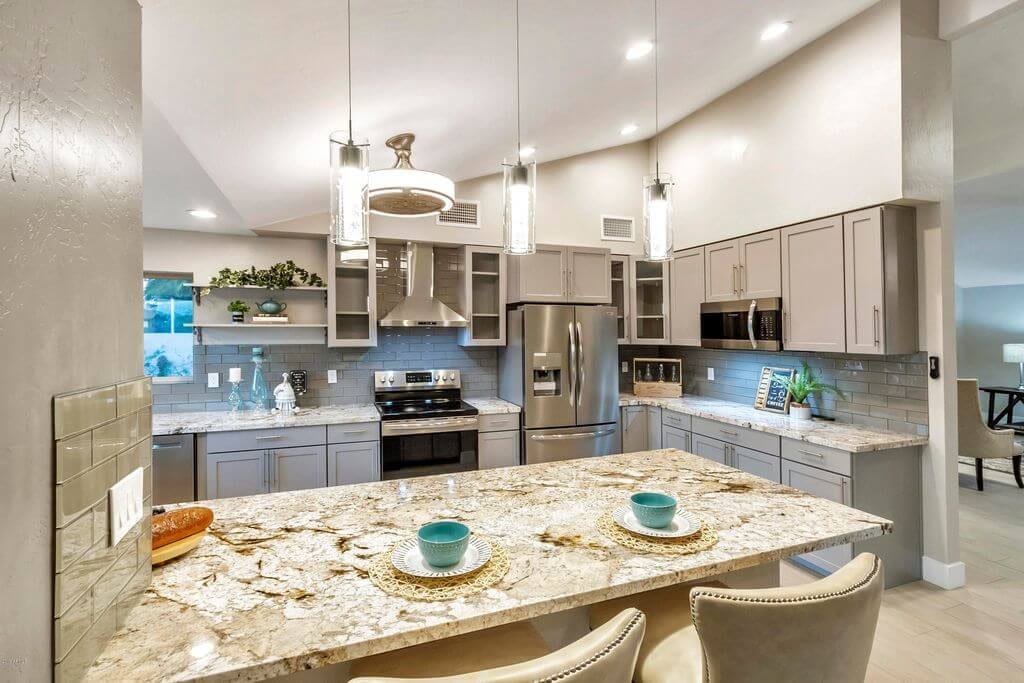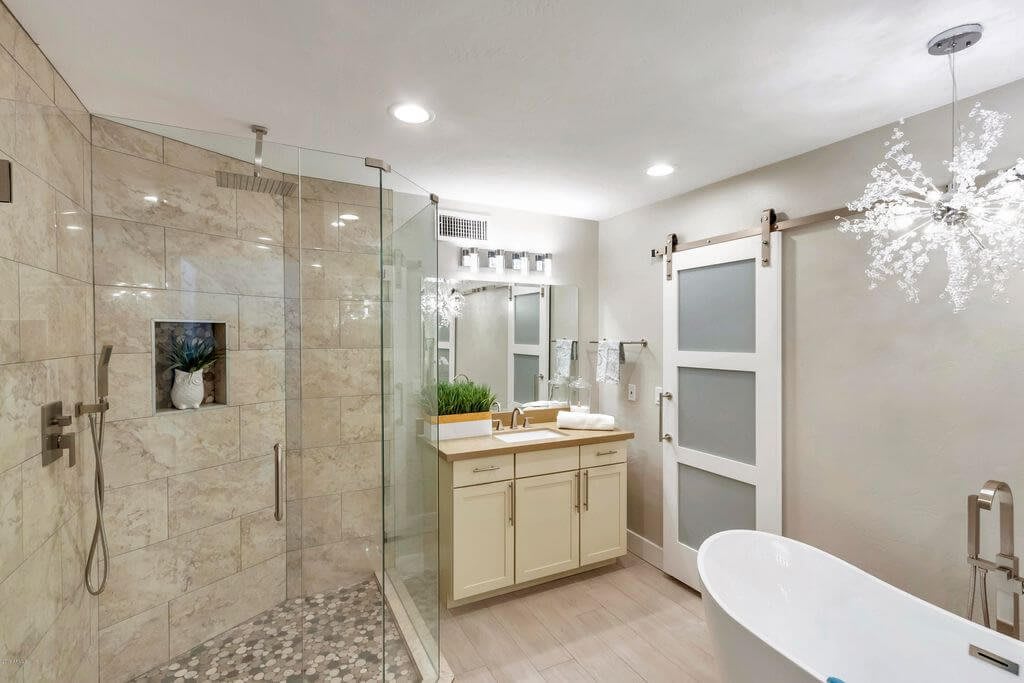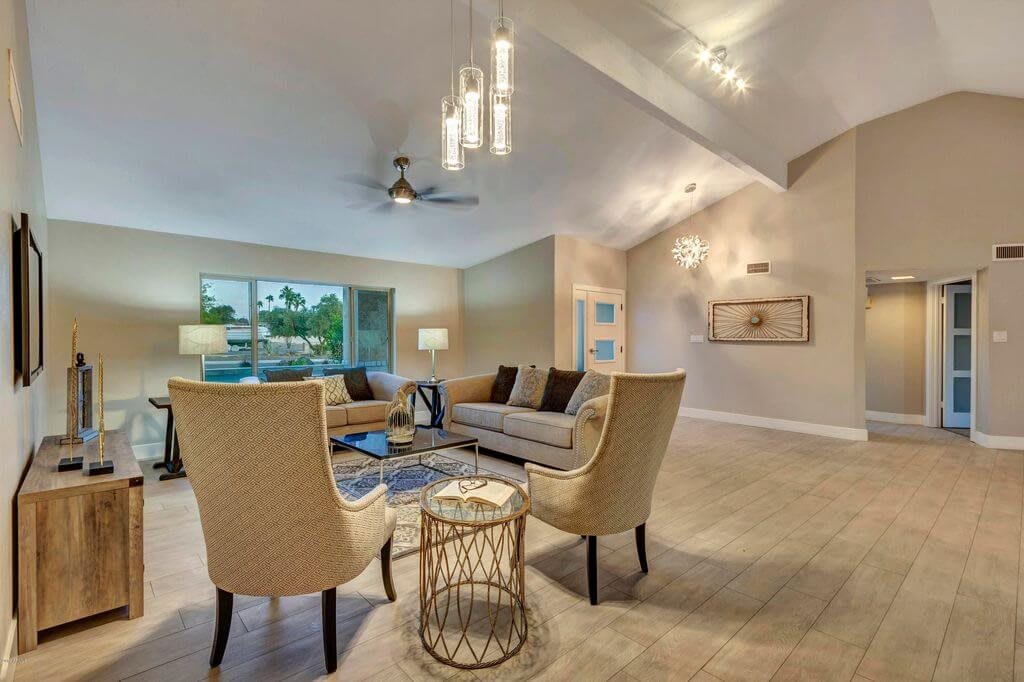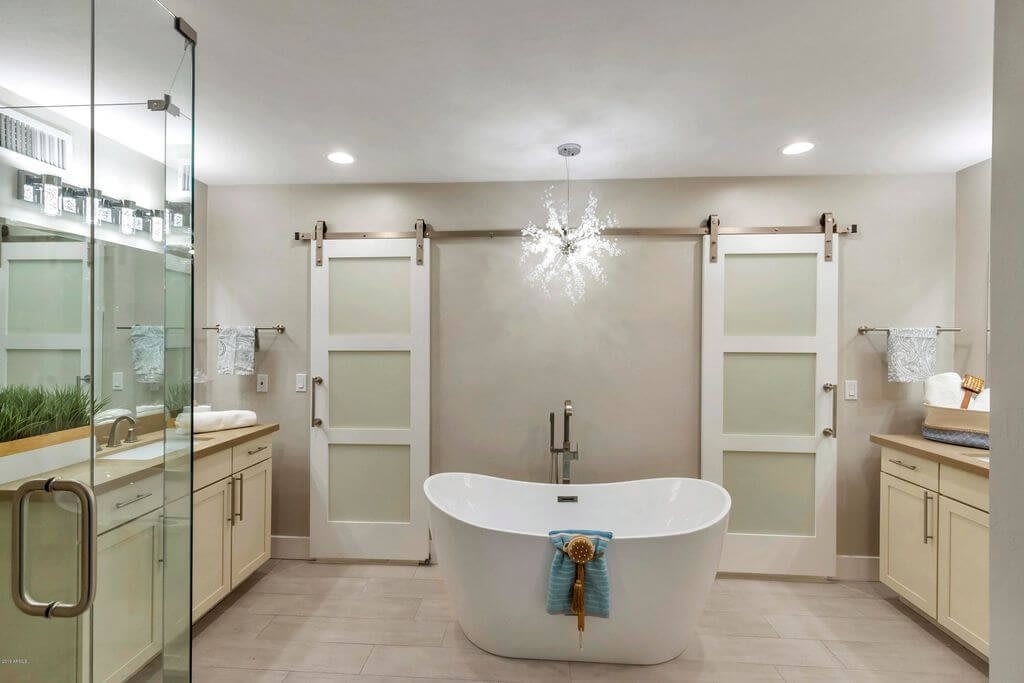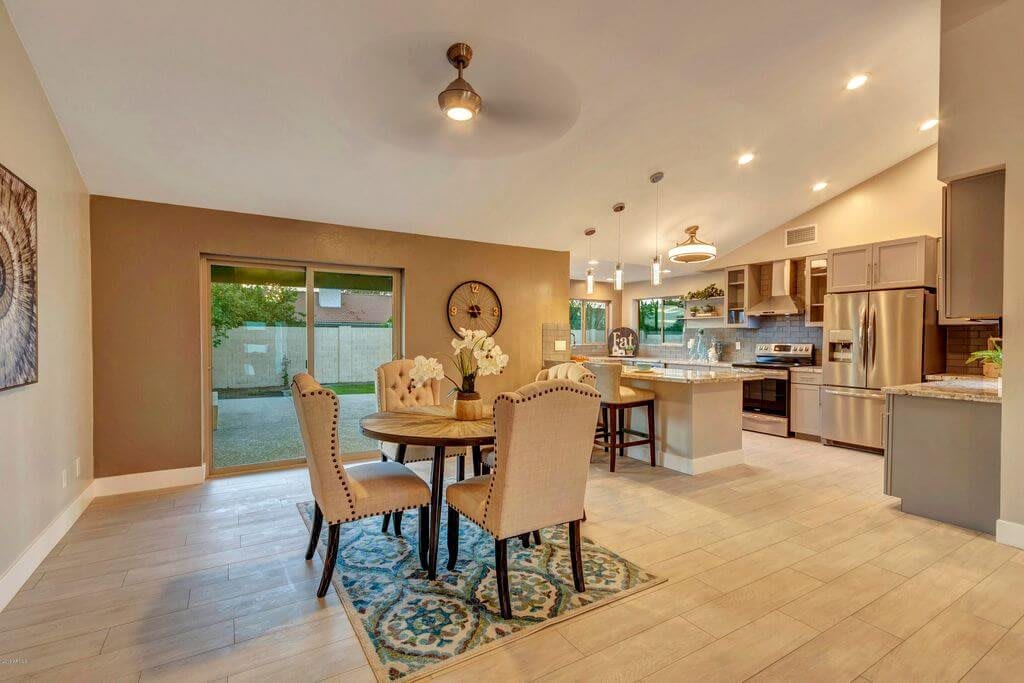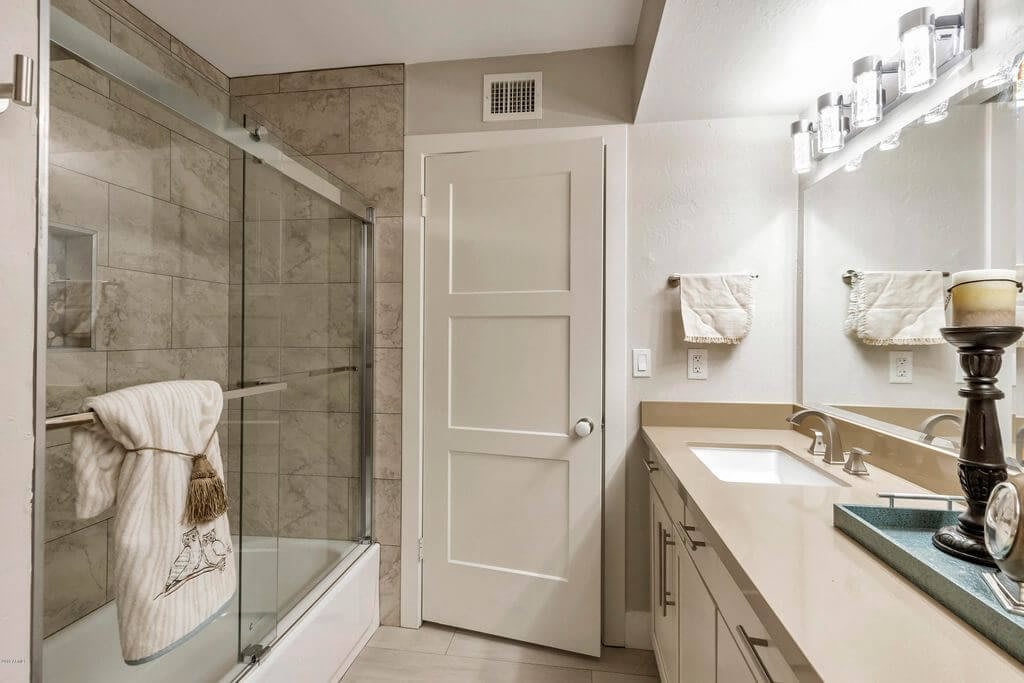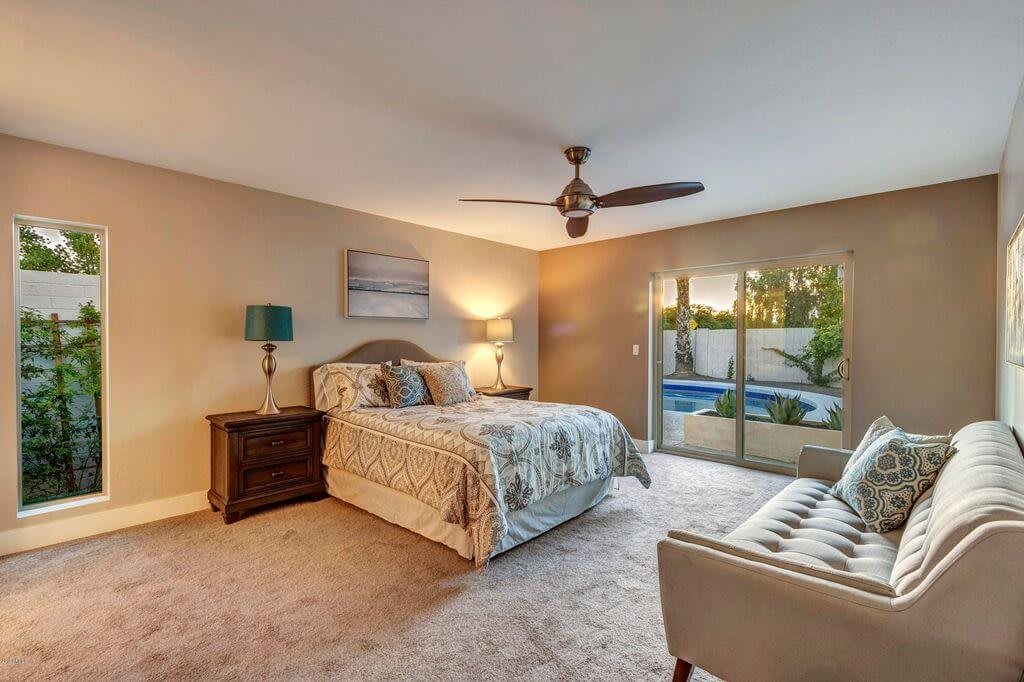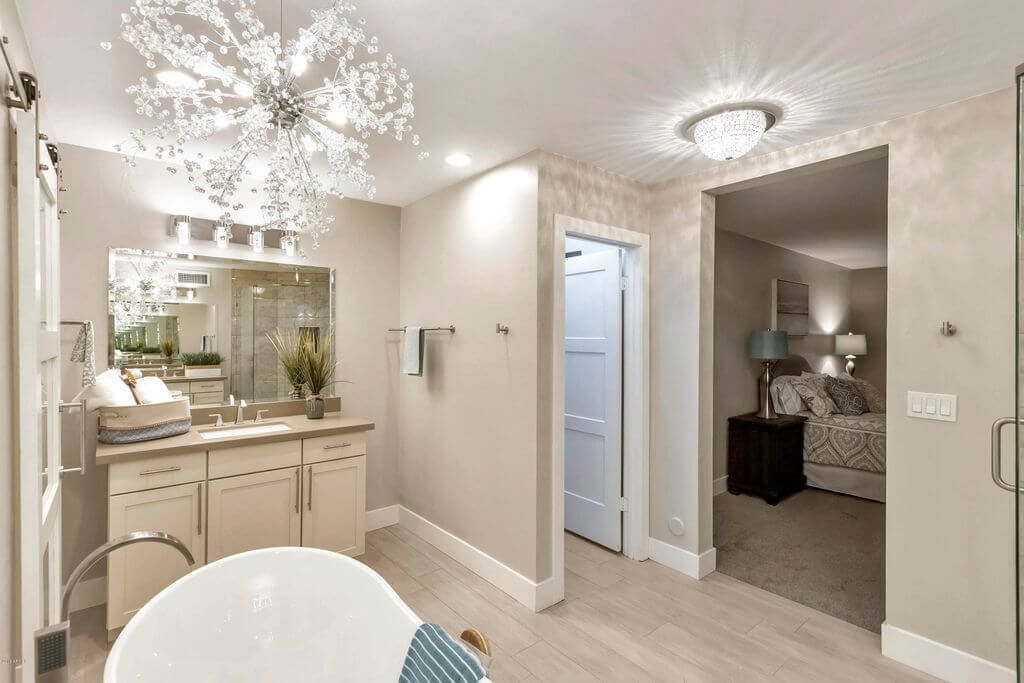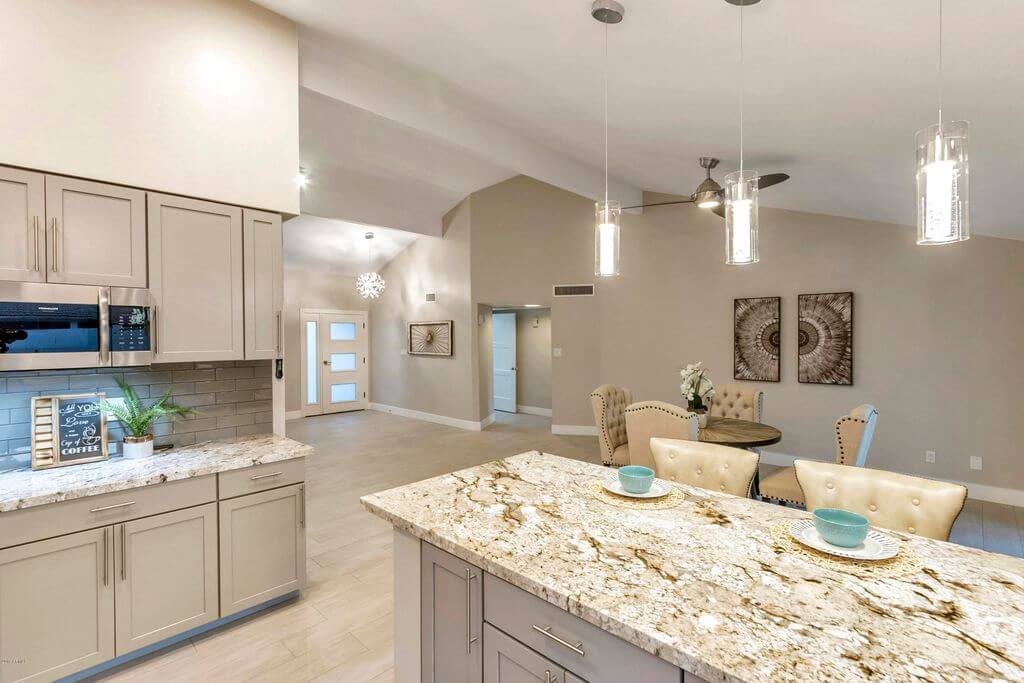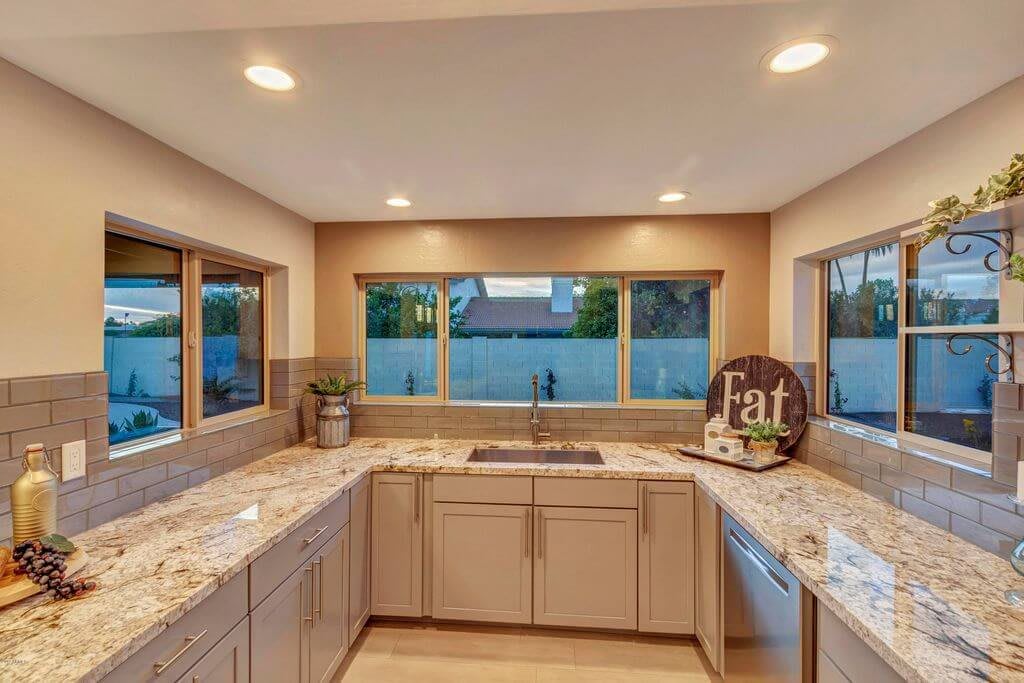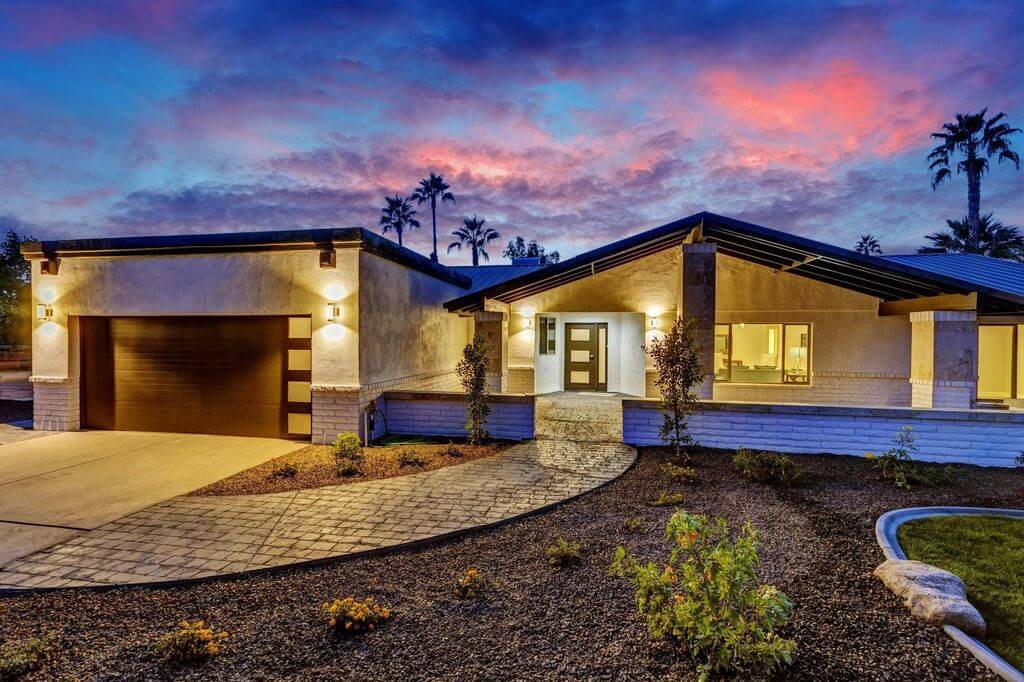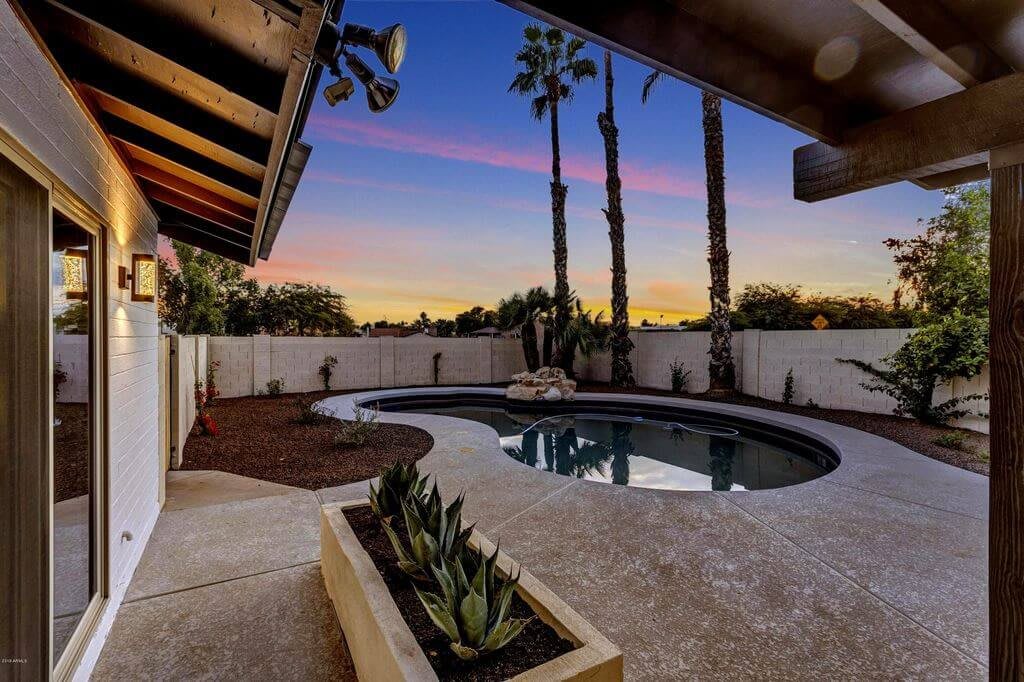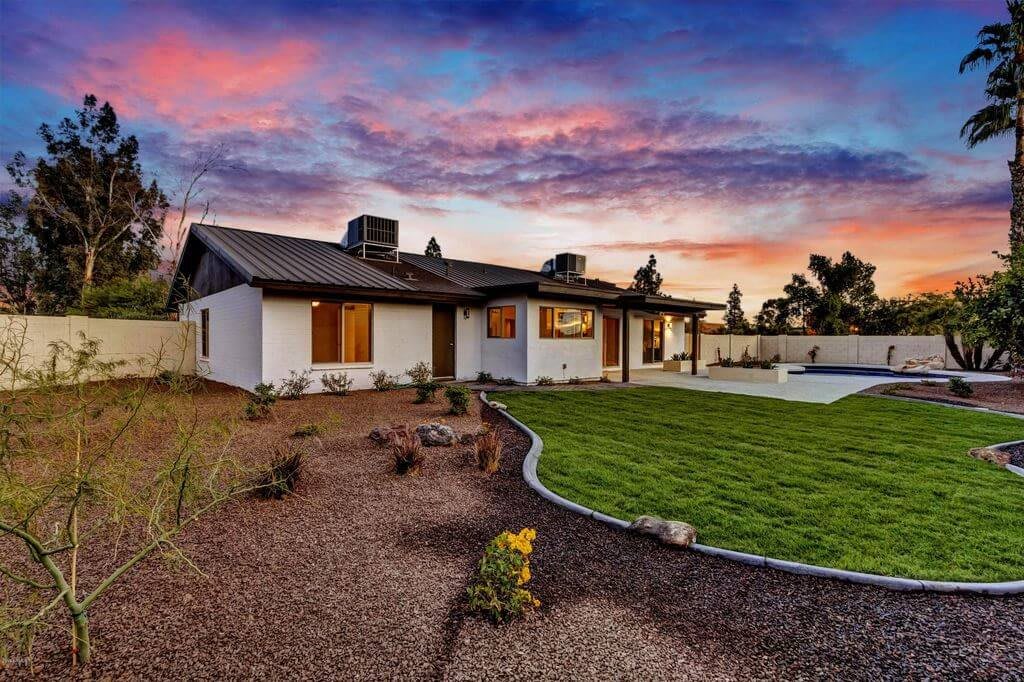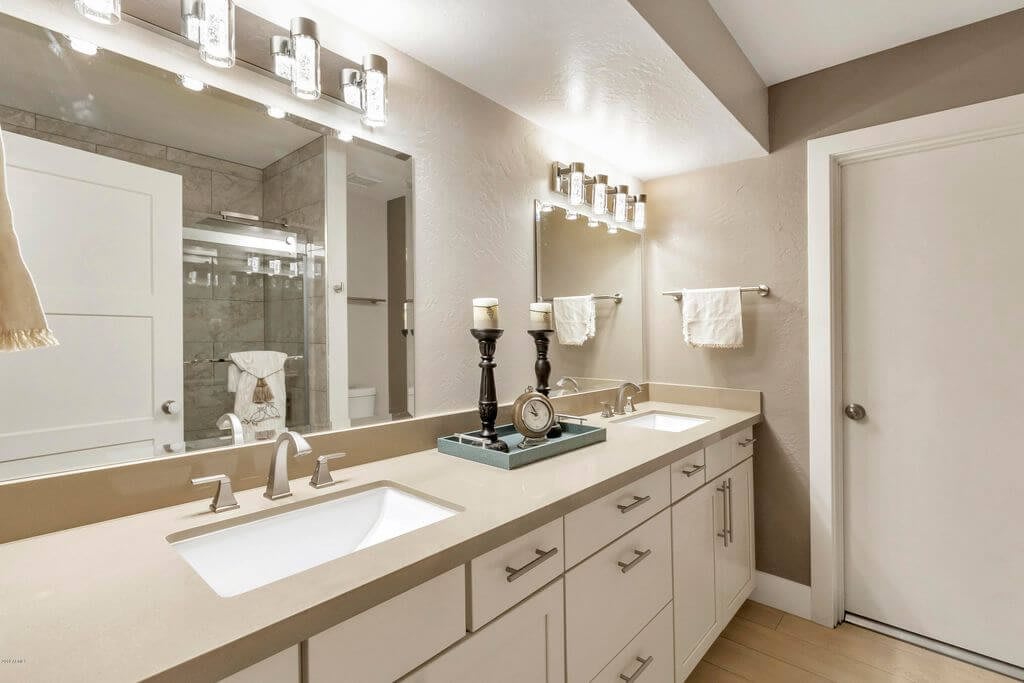
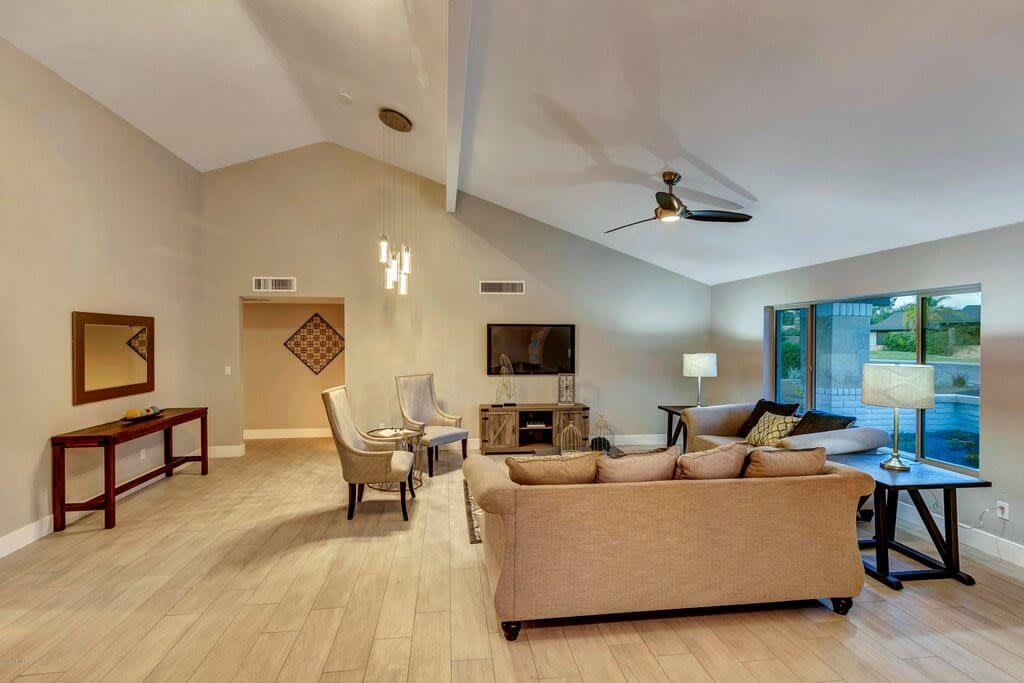
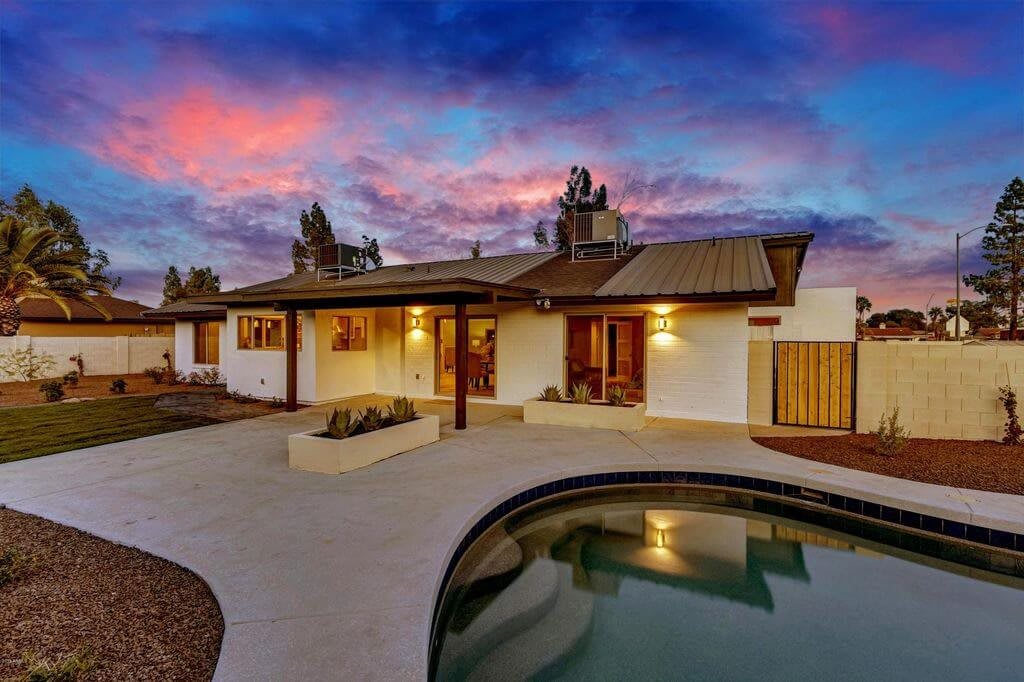
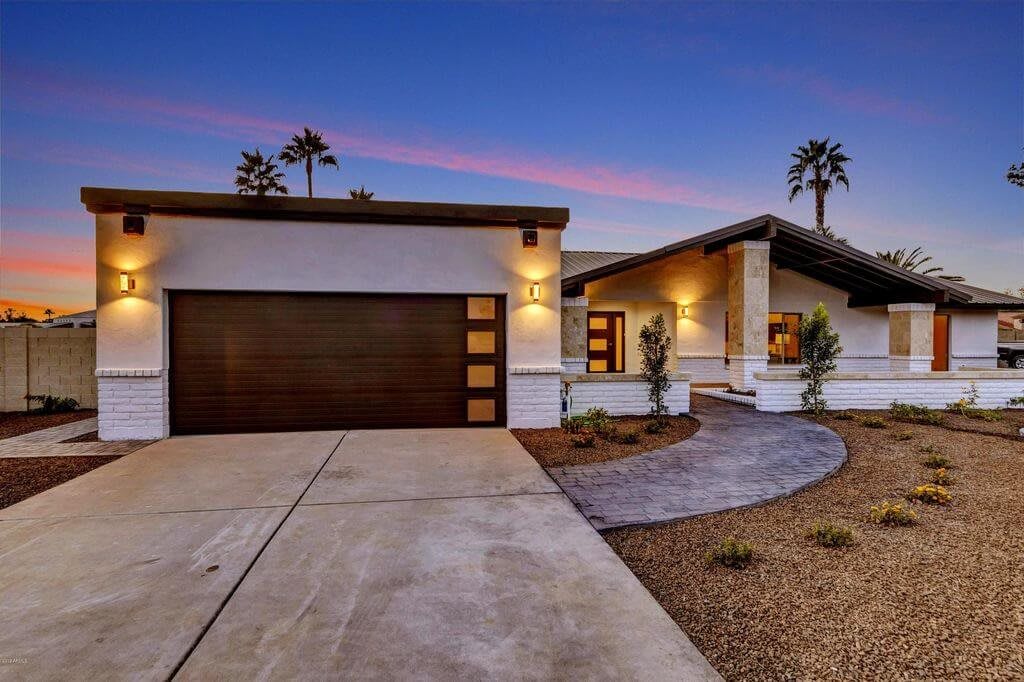
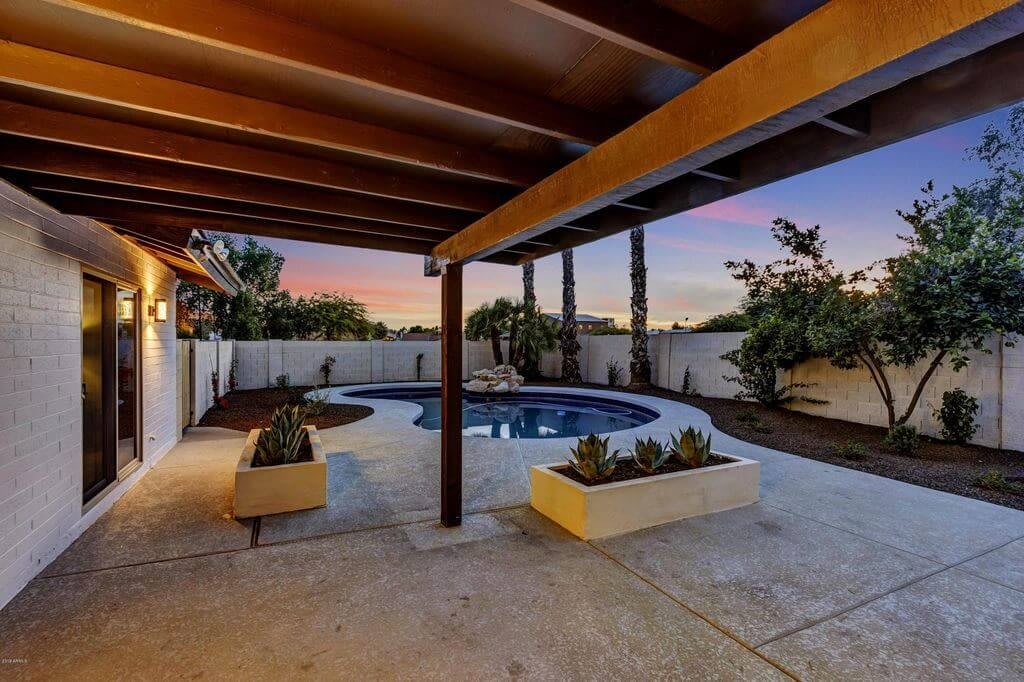
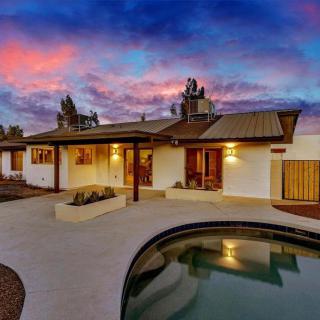

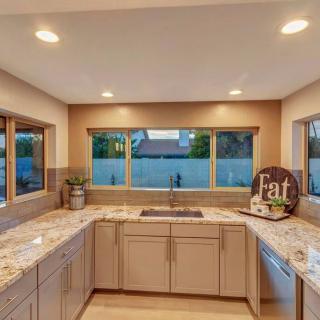
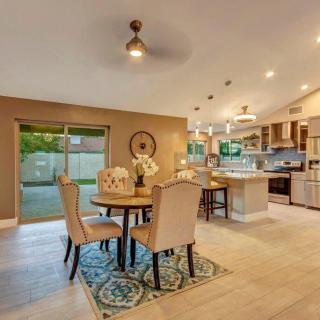

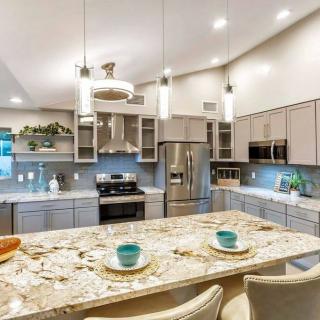


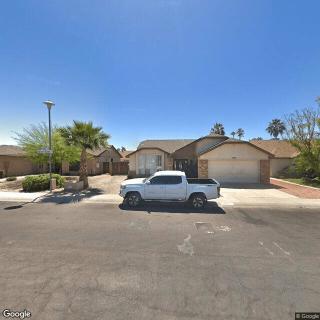
14802 N 47th Pl, Phoenix, AZ 85032
To contact a resident: (480) 605-4002
For more information about senior living options: (866) 208-4318
Valencia at 47th Costs & Pricing
Valencia at 47th offers a competitive pricing structure in comparison to both Maricopa County and the broader Arizona state averages. For semi-private accommodations, residents can expect to pay $3,000 per month, which is notably higher than the county's average of $2,801 and slightly above the state average of $2,820. In the one-bedroom category, Valencia at 47th sets its price at $3,500 - this is just marginally higher than Maricopa County's figure of $3,473 and Arizona's average of $3,532. The private room option stands out with a monthly cost of $4,000, exceeding both county and state averages ($3,318 and $3,345 respectively). Overall, while Valencia at 47th ranks competitively in terms of costs across different room types within the regional landscape, it appears to position itself as a premium offering for those seeking quality care and amenities.
| Floor plans | Valencia at 47th | Maricopa County | Arizona |
|---|---|---|---|
| Semi-Private | $3,000 | $2,801 | $2,820 |
| 1 Bedroom | $3,500 | $3,473 | $3,532 |
| Private | $4,000 | $3,318 | $3,345 |
Memory care communities with a similar price nearby
-
from -$500 / mo
La Bella Vita ALH
$2,500 to $7,000 / month24.7 miles away -
About the same
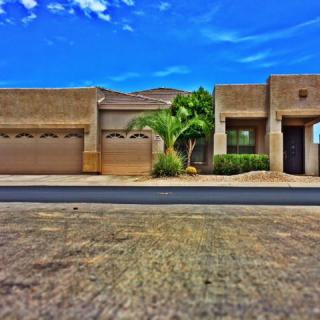
Desert Garden Senior Living
$3,000 to $3,500 / month20.1 miles away -
from -$300 / mo
Caring Hearts Senior Care
$2,700 to $3,500 / month22.3 miles away -
About the same
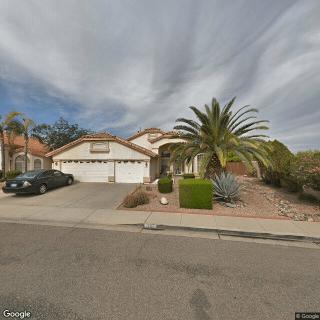
Horizon Assisted Living
$3,000 / month13.3 miles away -
from -$500 / mo
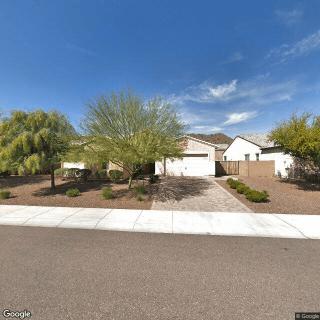
Northlands Assisted Living Home
$2,500 / month17.3 miles away
Overall Review of Valencia at 47th
Pros
 The staff is good.
- They would recommend it to others.
Cons
 Most persons living there are unable to carryon a conversation.
Review
Valencia at 47th in Phoenix is best suited for families seeking a straightforward, staff-driven assisted-living option where daily routines unfold with reliability. The core advantage lies in the caregiving team, described as good and dependable, delivering steady oversight and practical help with activities of daily living. For seniors who do not require a high-energy social scene or specialized memory-care programming, Valencia offers a sensible, no-surprises option within the Phoenix area. The setting rewards consistency: residents’ safety is monitored, schedules are maintained, and families can reasonably expect routine operations to run smoothly without drama or surprises.
However, those who prize robust resident-to-resident interaction should consider alternatives. The single review notes that most people living there are unable to carry on a conversation, which translates into a notably limited social landscape. For families where daily engagement, lively dialogue, and frequent peer interaction are non-negotiables for quality of life, Valencia may feel muted. Programs with vigorous activity calendars or memory-care environments that emphasize cognitive stimulation and social participation could align better with priorities. In short, social vitality appears to be the missing piece for a subset of residents.
From a practical standpoint, the staff strength becomes a meaningful offset to the quieter social scene. Competent, attentive caregivers can deliver timely assistance, monitor safety, and coordinate care in a predictable rhythm, which reduces the burden on families and provides residents with a stable daily structure. In a setting where conversation among residents is limited, reliable staff channels become the primary source of reassurance, companionship during essential moments, and help in navigating meals, medications, and activities. That level of reliability matters, especially for seniors who rely on consistent support and clear communication from caregivers.
Yet the main con demands close scrutiny: the apparent lack of meaningful social interaction among residents can imply reduced cognitive and emotional stimulation over time. Prospective residents should probe how the community facilitates socialization beyond casual proximity. Inquiries should target the frequency and quality of group activities, opportunities for one-on-one interaction with staff, and whether there are memory-care oriented programs designed to provoke conversation, reminiscence, or guided social engagement. Ask about transportation to external events, volunteer-driven programs, and how staff initiate peer connections for residents who may be shy or withdrawn. Without proactive social programming, the quiet can feel isolating.
With just one review forming the basis of the rating, the 3-star assessment signals solid, competent care but no obvious standout strengths. This is a practical reminder to align expectations with personal priorities. If peace of mind comes from predictable routines and dependable staff, Valencia delivers that securely. If, however, the aim is a dynamically social environment where residents regularly spark conversations with peers and staff, then this community warrants a careful comparison with peers that prioritize social programming and activity depth. The decision should hinge on direct observations and conversations with leadership about activity calendars, resident engagement strategies, and the availability of dementia-friendly social initiatives.
In the end, Valencia at 47th can be a prudent, low-drama choice for families prioritizing reliability and solid caregiver support. It is a viable option for residents who thrive on routine, safety, and consistent help with daily tasks, without demanding an actively bustling social scene. For families who value vibrant resident interaction, rich social programming, and explicit cognitive-stimulation emphasis, alternatives deserve serious consideration. A disciplined site visit, watch how staff interact with residents, sample a meal, review activity offerings, and verify staffing levels during peak hours, will reveal whether Valencia aligns with the specific goals. The best fit emerges when the chosen community can merge dependable care with meaningful, ongoing opportunities for social connection tailored to the resident’s needs.
 Board and Care Home
 Memory Care
 Cats allowed
 Dogs allowed
 Activities off-site
 Air-conditioning
 Bath tubs
 Beautician on-site
 Cable or satellite TV
 Devotional services off-site
 Ground floor units
 Handicap accessible
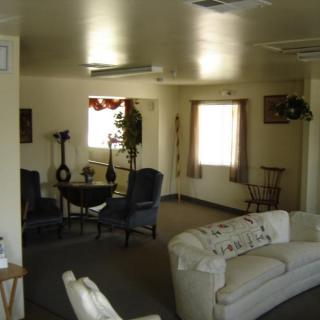
 Indoor common areas
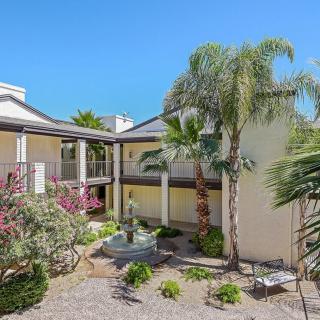
 Outdoor common areas
 Private
 Private bathrooms
 Respite or short term stays offered
 Wheelchair accessible showers
 Wi-Fi/high-speed internet available
 Phoenix Sky Harbor International (13 miles away)
 Diabetic care
 High acuity care
 Incontinence care
 Medication management
 Anytime dining
 Cooking classes
 Day trips and outings
 Educational speakers / life long learning
 Karaoke
 Live dance or theater performances
 Live musical performances
 Live well programs
 Wine tasting


 Dementia, Paranoia, and Caregiver Guidance: Understanding the Connection
 Engaging Memory Care Activities That Enhance Quality of Life
 When to Transition from Assisted Living to Memory Care: Key Indicators, Steps, and Finding the Right Community