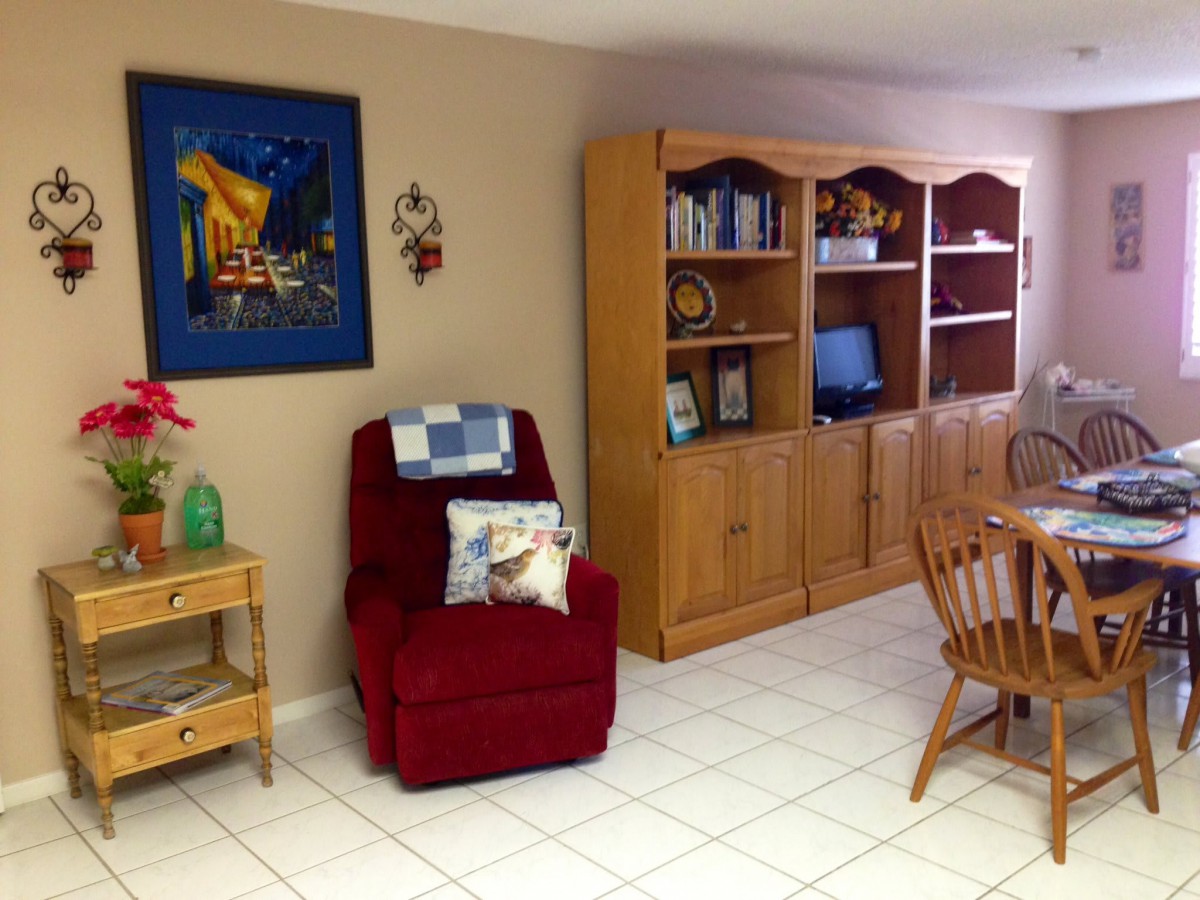
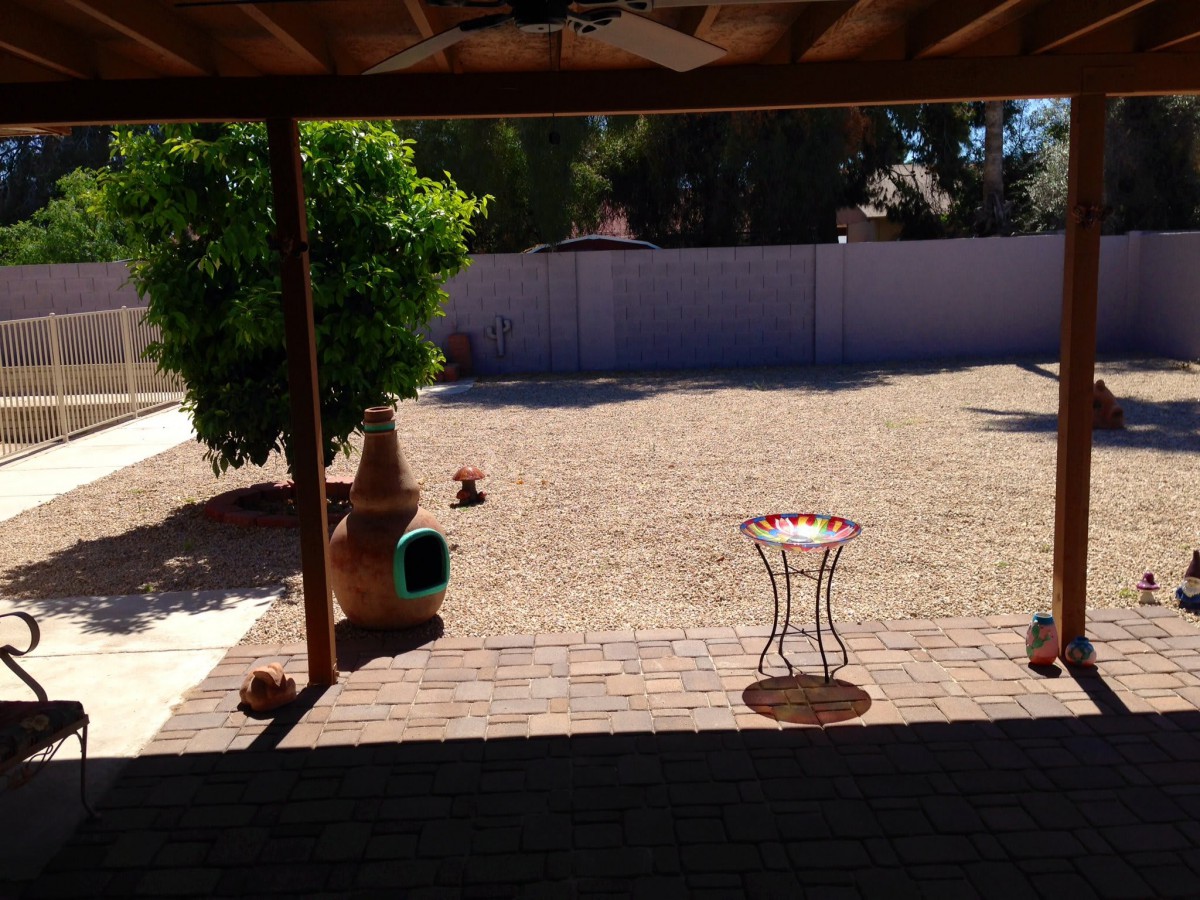
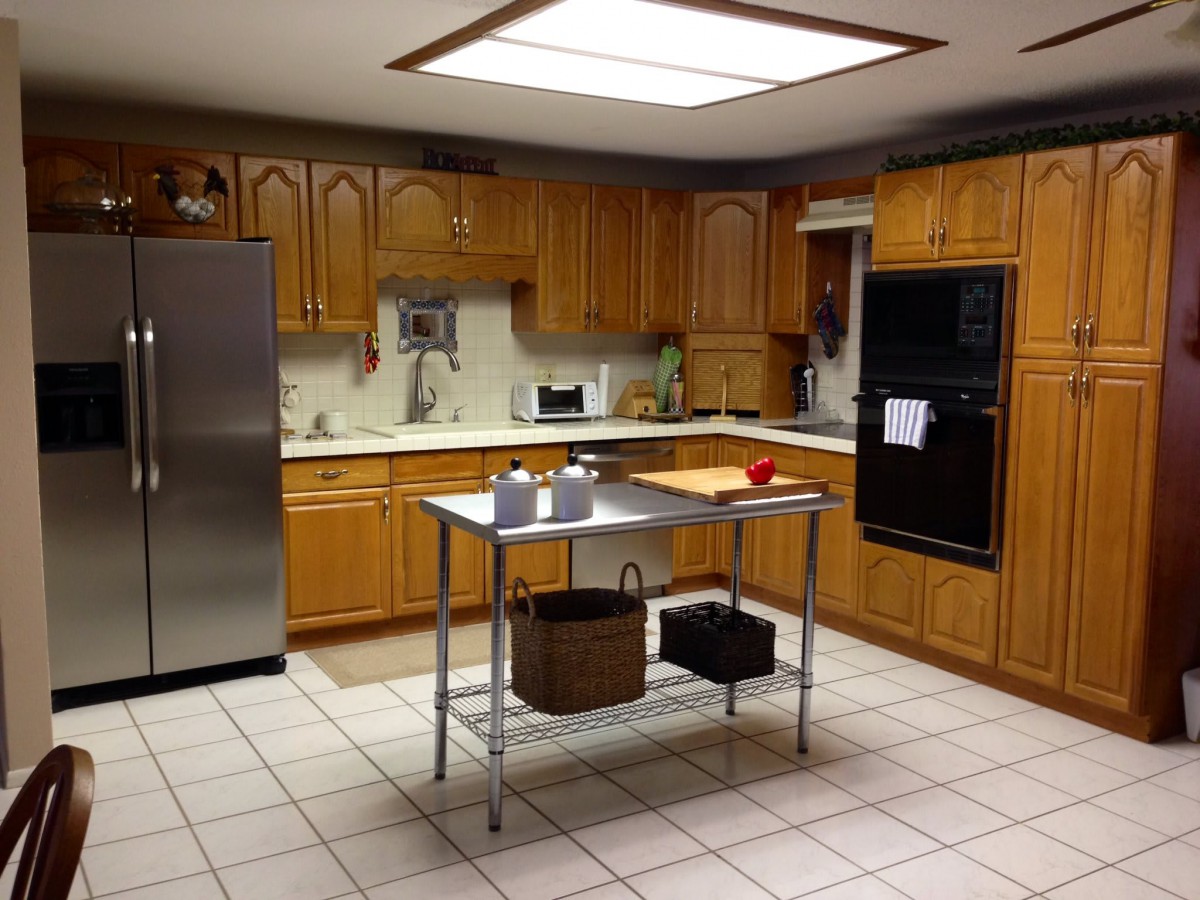
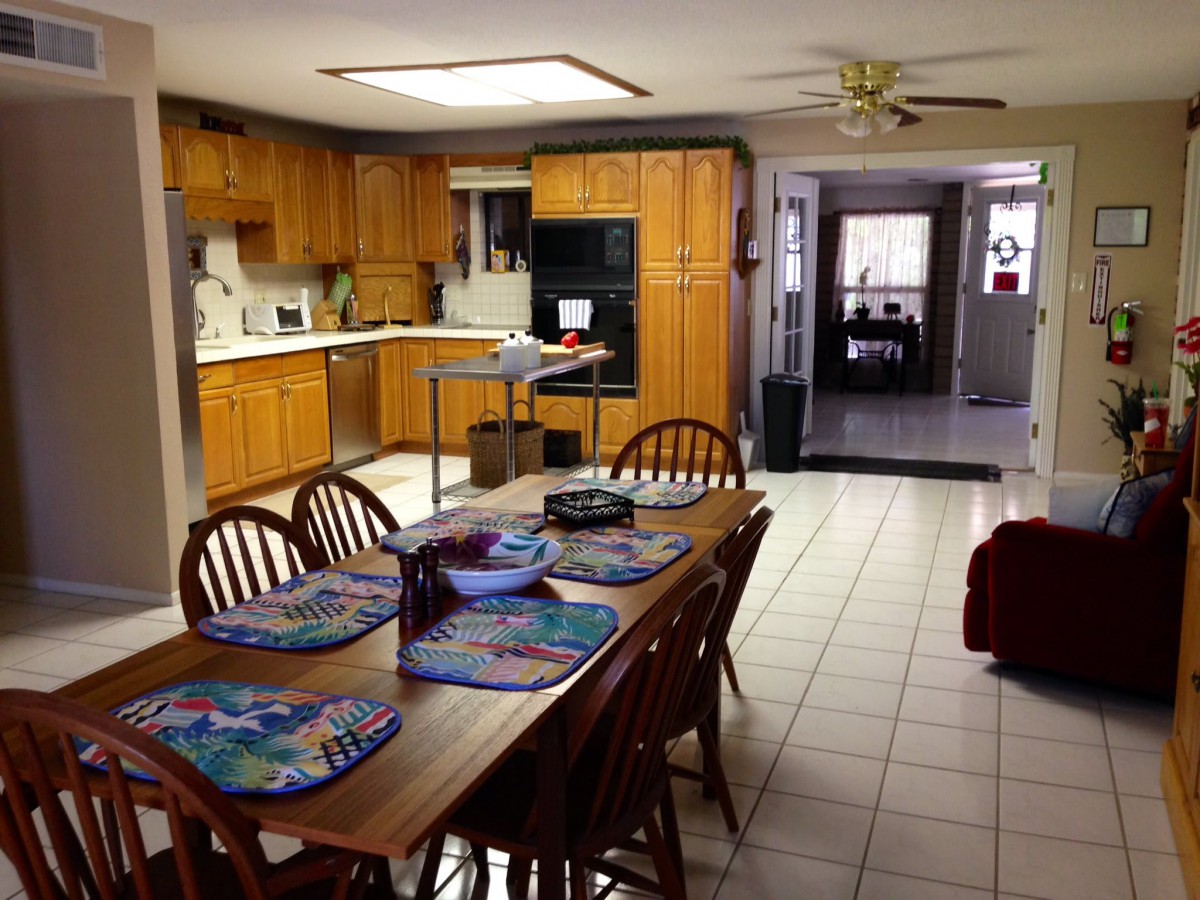
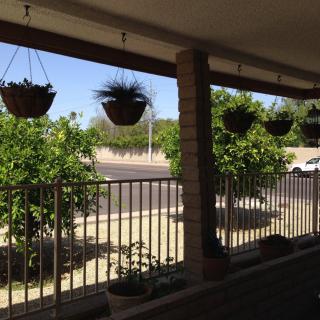
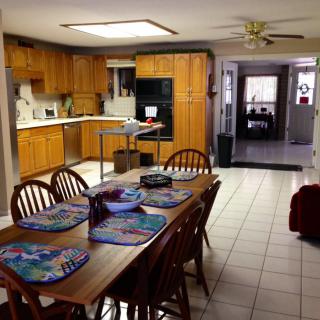
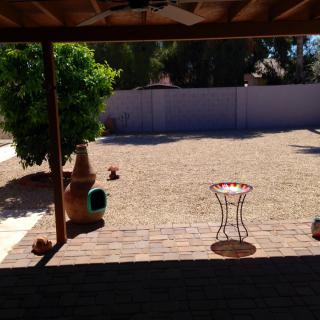
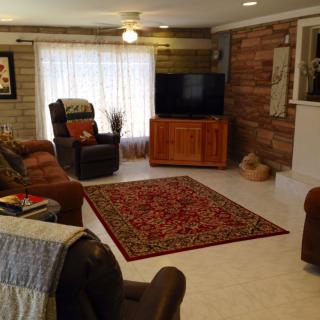

3849 East Sheena Drive, Phoenix, AZ 85032
For more information about senior living options: (866) 208-4318
Southwest Senior Care Costs & Pricing
At Southwest Senior Care, the monthly costs reflect a competitive pricing structure when compared to both Maricopa County and the broader state of Arizona. For a private room, residents can expect to pay $3,500, which positions Southwest Senior Care slightly above the county average of $3,318 and the state average of $3,345. Similarly, for a one-bedroom unit priced at $3,700, it remains within reach of local and state averages - Maricopa County averages at $3,473 while Arizona's average is $3,532. This positioning suggests that Southwest Senior Care offers unique value in terms of amenities or services that may justify their pricing for prospective residents seeking quality senior living options in the area.
| Floor plans | Southwest Senior Care | Maricopa County | Arizona |
|---|---|---|---|
| Private | $3,500 | $3,318 | $3,345 |
| 1 Bedroom | $3,700 | $3,473 | $3,532 |
Memory care communities with a similar price nearby
-
from -$500 / mo

Desert Garden Senior Living
$3,000 to $3,500 / month20.0 miles away -
from -$500 / mo
Horizon Assisted Living
$3,000 / month13.8 miles away -
from -$500 / mo
Desert Winds I
$3,000 to $3,800 / month16.5 miles away -
from +$500 / mo
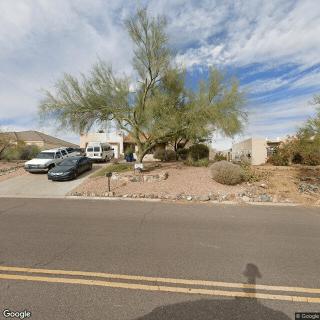
Sunrise Assisted Living Facility
$4,000 to $5,000 / month16.4 miles away -
About the same
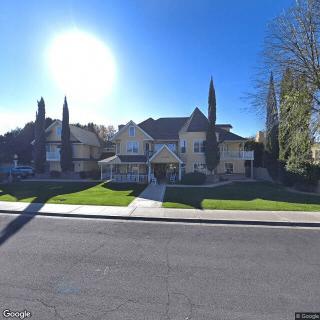
Jim & Patti Jones II
$3,500 to $4,500 / month16.1 miles away
Overall Review of Southwest Senior Care
Pros
 The service is excellent.
- The caregivers are high quality and experienced.
- The customer thanks Southwest In-Home Services.
Review
Southwest Senior Care in Phoenix is best suited for families whose priority is deeply personalized, in-home support delivered by highly skilled, experienced caregivers. This option shines for seniors who want to remain in a familiar home environment while receiving daily assistance with activities of daily living, plus the flexibility that comes with in-home services. The emphasis on one-on-one attention can support dignity, independence, and routine stability, making it a strong fit for those who value continuity and a tailored care approach over a campus-style setting.
Those weighing alternatives should note that in-home care may not be the right fit for every situation. If 24/7 on-site medical supervision, structured memory-care programming, or extensive, on-site rehabilitation is essential, a licensed assisted living community, a memory-care community, or a skilled-nursing facility may offer the level of support and social infrastructure that a home setting cannot easily replicate. Families should consider options that provide more integrated medical oversight, robust social programming, and easier access to on-site therapists and nursing staff when medical complexity or behavioral health needs are high.
The strongest known pro is the service quality evidenced by the caregivers themselves. The staff are described as “quality and experienced,” delivering reliable, compassionate care that families can trust. That depth of caregiving skill translates into smoother daily routines, careful monitoring of changes in health status, and clearer communication with family members. When care is anchored by veteran caregivers, the risk of missteps or gaps typically associated with high turnover or less experienced teams is mitigated, and peace of mind rises as medical or logistical concerns are addressed promptly.
However, the in-home model carries inherent trade-offs that require careful consideration. The setting inherently depends on the availability and continuity of caregivers; coverage gaps or schedule changes can create bumps in the care plan. There is typically less on-site medical infrastructure than a traditional senior living campus, which can slow access to routine clinical services or group activities that promote social engagement. Families must be prepared to partner closely with the agency, own contingency plans for caregiver backups, and actively manage coordination with physicians and pharmacies to maintain seamless care.
To make the most of what Southwest Senior Care offers, approach the engagement with a proactive due-diligence stance. Seek clarity on caregiver matching and retention, backup coverage, and supervision by a licensed professional or care coordinator. Insist on a detailed, written care plan that covers daily routines, medications, mobility assistance, nutrition, and safety protocols; confirm how changes in health status are escalated and communicated. Inquire about emergency procedures, hospital-to-home transitions, and how care plans are adjusted as needs evolve. Finally, obtain a clear sense of cost structure, including any add-ons, and compare it against alternatives that provide more on-site facilities or specialized programming.
In sum, Southwest Senior Care offers a compelling, home-centric option for families seeking superior caregiver quality and a high-touch, individualized level of service. It is particularly well-suited for seniors who prize independence and a familiar environment, supported by experienced caregivers who can sustain daily life with consistent attention. It is less ideal for those who require constant clinical supervision, intensive memory-care supervision, or a rich campus-based social milieu. For families leaning toward a home-based approach, this provider warrants strong consideration, paired with a deliberate plan to address potential gaps and to align expectations with the level of medical oversight and community engagement that best fits the senior’s long-term needs.
 5 resident community capacity
 Assisted Living
 Board and Care Home
 Memory Care
 Activities on-site
 Air-conditioning
 Bath tubs
 Beautician on-site
 Cable or satellite TV
 Devotional services on-site
 Dining room
 Fully furnished
 Garden
 Ground floor units
 Handicap accessible
 Housekeeping services
 Indoor common areas
 Move-in coordination
 Outdoor common areas
 Private
 Private bathrooms
 Respite or short term stays offered
 Telephone
 Wi-Fi/high-speed internet available
 Phoenix Sky Harbor International (12 miles away)
 24-hour supervision
 Assistance with bathing
 Assistance with dressing
 Assistance with transfers
 Diabetes diet
 Diabetic care
 High acuity care
 Incontinence care
 Meal preparation and service
 Medication management
 Special dietary restrictions
 Transportation arrangement (medical)
 Transportation to doctors appointments
 Art classes
 Catholic services
 Cooking classes
 Day trips and outings
 Live well programs
 Trivia games



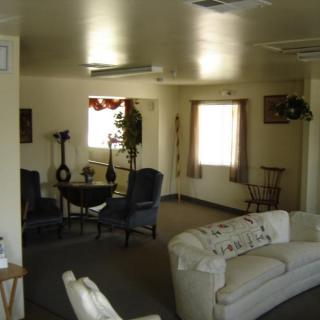
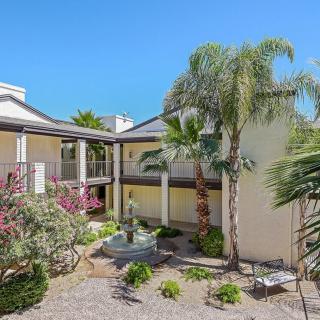
 Exploring the Power of Reminiscence Therapy for Individuals With Dementia
 An In-Depth Look at Reminiscence Therapy in Dementia Care
 Dementia-Related Hallucinations: Causes, Experiences, and Practical Approaches