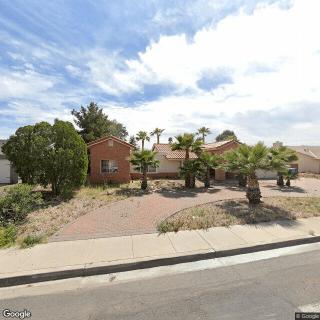
Desert Ridge Manor Tbi & Behavioral Care

14027 North 44Th Place, Phoenix, AZ 85032

For more information about senior living options: (844) 490-3973

1 from 1 review
Assisted Living Board and Care Home

What level of care are you interested in?

Assisted Living

Memory Care

Independent Living

Skilled Nursing Facility

Continuing Care Retirement Community (CCRC)CCRC

Other


Request a tour at Desert Ridge Manor Tbi & Behavioral Care

    Overall Review of Desert Ridge Manor Tbi & Behavioral Care

    Cons

    • pro There are constant issues with abandoning patients.
    • pro The home is totally unsupervised.
    • pro The conditions are gross.

    Review

    A stark, troubling image emerges from the reported concerns: a facility where residents appear to be left without adequate supervision and where the environment itself is described in terms that suggest neglect and decay. The core accusation centers on abandonment - situations in which caregivers are not present or attentive when residents need help the most, raising questions about safety, dignity, and the basic standards of care. When a home operates with gaps in oversight, the daily routines that should safeguard health and well-being - check-ins, assistance with personal needs, monitoring of medications, and timely responses to calls for help - can become unreliable or completely unavailable. The impression is that residents are not consistently seen or attended to, which can transform ordinary hours into periods of vulnerability.

    The absence of supervision is not just a momentary lapse; it appears to reflect a broader pattern that affects every facet of daily life inside the facility. Without reliable oversight, residents may be left to manage their own needs or navigate the building in ways that are unsafe. This can include missed meal times, unresolved medical concerns, delays in administering medications, and a general sense that someone is watching out for their welfare only intermittently, if at all. Such dynamics undermine trust among residents and their families, who rely on the presence of trained staff to respond promptly to cries for help, to prevent falls, and to ensure that medical and personal care tasks are carried out properly and consistently.

    The description of the home as being "gross" compounds these concerns. Cleanliness and sanitation are foundational to a safe living environment, particularly in settings that house people who may have compromised immune systems or limited mobility. When surfaces are not adequately cleaned, when rooms or common areas feel dirty, and when maintenance issues go unresolved, it creates an atmosphere where health risks are amplified. Unaddressed odors, visible grime, clutter, or broken equipment can all contribute to an environment that feels neglected and uncomfortable for residents, staff, and visitors alike. The sense of order and care that should characterize a living space meant for vulnerable individuals is eroded, leaving a lasting impression of neglect and discomfort.

    The potential health and safety implications of such conditions are profound. Inadequate supervision can lead to missed signs of distress, worsening chronic conditions, medication errors, dehydration, pressure injuries, and falls. Sanitation lapses elevate the risk of infections and communicable illnesses, particularly in settings where residents share rooms or interact in close quarters. The combination of supervision gaps and dirty environments creates a feedback loop: the more attention residents require, the less consistently it is provided, which can worsen health outcomes and erode residents' sense of security and dignity. Beyond the physical risks, the emotional toll is significant: residents may feel forgotten, scared, or dehumanized, while families carry ongoing worry and distress about the care their loved ones are receiving.

    The impact on relationships within the facility is equally troubling. When staff presence is inconsistent, trust between residents and caregivers frays, and the overall atmosphere can become tense or anxious. Families, who depend on facilities to treat their loved ones with respect and attentiveness, may withdraw or become preoccupied with monitoring and questioning every action. Staff morale can also suffer in such environments, reinforcing a cycle where tired workers are less able to provide compassionate, thorough care. The cumulative effect is a setting that feels unstable and unsupportive, where even routine tasks - like helping someone to eat, bathe, or move safely - are jeopardized by the overarching sense of neglect.

    Several underlying issues could contribute to the problems described, including staffing shortages, high turnover, inadequate training, and insufficient oversight or accountability. When facilities do not have enough qualified personnel on hand, the likelihood of abandoning or neglecting residents increases, even if no one intends harm. Financial pressures, mismanagement, or gaps in leadership can further erode standards and allow unsanitary conditions to persist. These factors point to systemic vulnerabilities that require attention from regulatory bodies, administrators, and the communities that rely on such homes to provide safe, dignified care.

    If you or a loved one is facing these conditions, there are concrete steps that can be taken to protect health and well-being. Start by documenting specific incidents, dates, and details of what occurred, and gather any relevant medical or care notes. Report concerns to the facility's administrator or director of nursing, and request a written plan for addressing the issues with clear timelines. Escalate to state regulatory agencies, such as the department that oversees long-term care facilities, and consider contacting the state ombudsman or a patient advocacy organization for guidance on investigations and corrective actions. In the meantime, visiting more frequently, asking for direct updates on care plans, and seeking alternative placement when safety or sanitation are persistently compromised are prudent steps. The overarching message is clear: serious concerns about supervision and sanitation deserve prompt, thorough attention to protect residents' health, safety, and dignity.

    Features

    Housing

    • 5 resident community capacity 5 resident community capacity

    Types of Care

    • Assisted Living Assisted LivingAssisted living facilities provide crucial support and care for seniors who may need help with daily tasks such as medication management, bathing, and meal preparation. These communities offer a safe and comfortable environment where seniors can maintain their independence while receiving the assistance they need to thrive in their golden years.
    • Board and Care Home Board and Care HomeBoard and care homes provide a smaller, more intimate setting for seniors who require assistance with daily tasks but do not need the level of care offered by a nursing home. They offer personalized care, meals, and social activities in a homelike environment, ensuring that seniors receive individualized attention and support in their golden years.

    Amenities

    • Cable or satellite TV Cable or satellite TVCable or satellite TV is important for seniors because it provides entertainment, news, and companionship, helping to combat loneliness and boredom. It also offers a wide range of programming options tailored to different interests and preferences.
    • Dining room Dining roomDining rooms are important for seniors as they provide a space for socialization, connection, and nutritious meals. They offer opportunities for residents to bond over shared meals, foster a sense of community, and promote healthy eating habits. Dining rooms also ensure that seniors have access to well-balanced meals tailored to their dietary needs and preferences.
    • Fully furnished Fully furnishedFully furnished senior living communities are important for seniors because they provide convenience, comfort, and a hassle-free moving experience. Seniors can easily settle into their new living space without the stress of having to buy and move furniture. This allows them to focus on enjoying their new home and community.
    • Garden GardenGardens are important for seniors as they provide a peaceful and therapeutic environment for relaxation, physical activity, and socialization. Being in nature has been shown to reduce stress, improve mood, and promote overall well-being. Gardens also offer opportunities for seniors to engage in gardening activities, which can improve mobility, flexibility, and cognitive function. Additionally, gardens create a sense of community and connection with others who share a passion for plants and outdoor spaces.
    • Housekeeping services Housekeeping servicesHousekeeping services are important for seniors because they help maintain a clean and safe living environment, promote independence, and reduce the risk of accidents or illnesses. Additionally, having assistance with household chores can alleviate physical strain and allow seniors to focus on other aspects of their well-being.
    • Move-in coordination Move-in coordinationMove-in coordination is important for seniors because it helps ease the transition into their new living environment. It ensures that all logistics, such as packing, organizing movers, and setting up utilities are taken care of, allowing seniors to focus on settling in and adjusting to their new home. Having a smooth move-in process can alleviate stress and anxiety, making the transition smoother and more enjoyable for seniors.
    • Outdoor space Outdoor spaceOutdoor spaces are important for seniors as they provide opportunities for physical activity, social interaction, exposure to natural light and fresh air, and a sense of connection to nature. Having access to outdoor spaces can improve overall well-being and quality of life for older adults living in senior communities.
    • Telephone TelephoneTelephones are important for seniors as they provide a lifeline for communication with loved ones, emergency services, and healthcare providers. They offer a sense of security and independence, enabling seniors to stay connected and access assistance when needed.
    • Wi-Fi/high-speed internet available Wi-Fi/high-speed internet availableWi-Fi/high-speed internet is important for seniors to stay connected with loved ones, access online resources, and participate in virtual activities to combat feelings of loneliness and isolation. It also allows them to easily manage healthcare needs, access entertainment, and engage in lifelong learning opportunities.

    Transportation

    • Phoenix Sky Harbor International (13 miles away) Phoenix Sky Harbor International (13 miles away)

    Care Services

    • 24-hour supervision 24-hour supervision24-hour supervision is important for seniors to ensure their safety, well-being, and access to immediate assistance in case of emergencies or health issues. This constant support provides peace of mind for both seniors and their loved ones, allowing them to age in place with dignity and security.
    • Activities of daily living assistance Activities of daily living assistanceActivities of daily living assistance are important for seniors because they provide essential support with tasks such as eating, bathing, dressing, and mobility. This assistance helps seniors maintain their independence, dignity, and overall quality of life as they age.
    • Assistance with bathing Assistance with bathingAssistance with bathing is crucial for seniors as it helps maintain personal hygiene, prevents infections, and ensures their overall well-being and comfort. It also provides a sense of dignity and independence for seniors who may struggle with this task on their own.
    • Assistance with dressing Assistance with dressingAssistance with dressing is important for seniors because it helps maintain their independence, promotes personal hygiene, prevents accidents and injuries, and improves overall quality of life. This service ensures that seniors can continue to dress comfortably and confidently, despite any physical limitations they may have.
    • Assistance with transfers Assistance with transfersAssistance with transfers is crucial for seniors as it helps prevent falls and injuries, maintains their independence, and ensures they can safely navigate their living environment. It also provides peace of mind for both seniors and their loved ones.
    • Coordination with health care providers Coordination with health care providersCoordination with health care providers is crucial for seniors to ensure proper medical care, medication management, and overall well-being. This collaboration helps prevent overlapping treatments, track progress more effectively, and provide comprehensive support tailored to individual needs.
    • Diabetes diet Diabetes dietA diabetes diet is crucial for seniors as it helps manage blood sugar levels, reduce risks of complications, and improve overall health and well-being. By following a balanced and nutritious diet tailored to their specific needs, seniors can better control their diabetes and enhance their quality of life.
    • Meal preparation and service Meal preparation and serviceMeal preparation and service are crucial for seniors as they may have limited mobility or energy to cook nutritious meals. Having access to healthy and convenient food options can ensure they are getting the proper nutrition needed to maintain their overall health and well-being.
    • Medication management Medication managementMedication management is crucial for seniors to ensure they are taking the right medications at the correct dosages and times. This helps prevent adverse drug interactions, reduces the risk of medication errors, and promotes overall health and well-being. Proactive management also allows for adjustments as needed based on changing health conditions or new prescriptions.
    • Special dietary restrictions Special dietary restrictionsSpecial dietary restrictions are important for seniors because age-related changes in metabolism and health conditions can make it difficult for their bodies to process certain foods. By following a diet tailored to their specific needs, seniors can maintain their overall health and well-being, manage chronic conditions, and reduce the risk of complications such as malnutrition or food interactions with medications.
    • Transportation arrangement (medical) Transportation arrangement (medical)Transportation arrangements for medical purposes are essential for seniors as they may have difficulty driving themselves to appointments or accessing public transportation. Having reliable and safe transportation options ensures that seniors can receive timely medical care and maintain their health and well-being.
    • Transportation to doctors appointments Transportation to doctors appointmentsTransportation to doctors' appointments is crucial for seniors as it ensures they have access to necessary medical care and support for their health needs. Without reliable transportation, seniors may struggle to attend important appointments, leading to potential delays in treatment and health complications. Providing transportation services helps seniors maintain their overall well-being and quality of life.

    Dining

    • Diabetes diet Diabetes dietA diabetes diet is crucial for seniors as it helps manage blood sugar levels, reduce risks of complications, and improve overall health and well-being. By following a balanced and nutritious diet tailored to their specific needs, seniors can better control their diabetes and enhance their quality of life.
    • Special dietary restrictions Special dietary restrictionsSpecial dietary restrictions are important for seniors because age-related changes in metabolism and health conditions can make it difficult for their bodies to process certain foods. By following a diet tailored to their specific needs, seniors can maintain their overall health and well-being, manage chronic conditions, and reduce the risk of complications such as malnutrition or food interactions with medications.

    Activities

    • Community-sponsored activities Community-sponsored activitiesCommunity-sponsored activities are important for seniors as they provide opportunities for social interaction, mental stimulation, and physical activity. These activities can help improve overall well-being, combat loneliness and isolation, and promote a sense of belonging and purpose among older adults.
    • Scheduled daily activities Scheduled daily activitiesScheduled daily activities are important for seniors because they provide structure, socialization, mental stimulation, and physical activity. Engaging in regular activities can improve overall well-being and quality of life for seniors living in a community setting.

    Description

    Desert Ridge Manor is an assisted living community located in the beautiful city of Phoenix, AZ. We offer a comfortable and welcoming environment for individuals who require specialized care due to traumatic brain injury (TBI) or behavioral health conditions.

    At Desert Ridge Manor, our residents enjoy a range of amenities designed to enhance their daily lives. Our dining room offers nutritious meals prepared with special dietary restrictions in mind. The fully furnished accommodations provide a cozy and inviting space for our residents to relax and unwind. In addition, our outdoor spaces and garden offer a serene environment for residents to enjoy nature and engage in outdoor activities.

    We take pride in providing top-notch care services to our residents. Our dedicated staff is available to assist with activities of daily living such as bathing, dressing, and transfers. We also coordinate with health care providers to ensure comprehensive and personalized care for each resident. Medication management services are provided, ensuring that medications are taken properly and on time.

    Desert Ridge Manor understands the importance of maintaining an active lifestyle, both physically and socially. Scheduled daily activities keep residents engaged and provide opportunities for socialization. Additionally, we offer transportation arrangements for medical appointments as well as access to nearby cafes, parks, restaurants, theaters, pharmacies, places of worship, physicians' offices, and hospitals.

    Choosing an assisted living community is an important decision, especially when specialized care is needed. At Desert Ridge Manor Tbi & Behavioral Care in Phoenix, AZ, we prioritize the well-being of our residents by providing exceptional care services in a comfortable and supportive environment.

    Nearby Places of Interest

    This part of Phoenix, Arizona offers a mix of convenient amenities and services for seniors looking to live in the area. With several medical facilities nearby such as Physicians Care MD and HonorHealth Medical Group, residents have access to quality healthcare options. In terms of dining, there are a variety of restaurants including In-N-Out Burger and Mastro's Ocean Club for those who enjoy dining out. Nearby parks like Desert Horizon Park provide opportunities for outdoor recreation and relaxation. Places of worship like St Bernadette Catholic Church cater to spiritual needs, while cafes such as Dutch Bros Coffee offer cozy spots to socialize with friends. Additionally, the Scottsdale Municipal Airport is within reach for easy travel accessibility. Overall, this area presents a balanced lifestyle with essential amenities tailored to meet the needs of seniors.

    Physicians

    • Care MD (0.6 miles)
    • 2nd Chance Treatment Center (1.8 miles)
    • Camelback Women's Health (2 miles)
    • Elite Plastic Surgery (2 miles)
    • Aoc (2.2 miles)
    • Wyse, Mark Family Practice Specialists Limited (2.2 miles)
    • HonorHealth Medical Group - Primary and Immediate Care - Saguaro (2.7 miles)

    Pharmacies

    • Walgreens (0.9 miles)
    • CVS Pharmacy (1.2 miles)
    • Fry's Pharmacy (2.3 miles)
    • Walgreens (2.6 miles)
    • Walgreens (2.7 miles)
    • Walgreens (2.8 miles)
    • CVS Pharmacy (3.2 miles)

    Restaurants

    • In-N-Out Burger (1.1 miles)
    • McDonald's (1.9 miles)
    • Taco Bell (1.9 miles)
    • Elevate Wine and Cheese Bar (2.3 miles)
    • McDonald's (3.1 miles)
    • Mastro's Ocean Club (3.2 miles)
    • The Cheesecake Factory (3.5 miles)

    Parks

    • Desert Horizon Park (1.8 miles)
    • Kierland Park (3.5 miles)
    • Sun Devil Ridge Park (4.2 miles)
    • Aviano Park (5.1 miles)
    • Phoenix Mountain Preserve (5.1 miles)
    • Moon Valley Park (5.5 miles)

    Places of Worship

    • St Bernadette Catholic Church (2.4 miles)
    • New Vision Center for Spiritual Living (2.5 miles)
    • Impact Church (3.4 miles)

    Cafes

    • Dutch Bros Coffee (2.6 miles)
    • Press Coffee - The Roastery (2.8 miles)
    • Starbucks (3.5 miles)
    • Starbucks (4.4 miles)
    • Butters Pancakes & Cafe (5.1 miles)
    • Panera Bread (5.1 miles)
    • Dutch Bros Coffee (5.2 miles)

    Hospitals

    • Mayo Clinic (3.5 miles)

    Transportation

    • Scottsdale Municipal Airport (SDL) (4 miles)
    • Enterprise Rent-A-Car (4.6 miles)

    Theaters

    • Harkins Theatres Scottsdale (4.3 miles)
    • AMC DINE-IN Desert Ridge 18 (4.3 miles)

    Frequently Asked Questions

    Where is Desert Ridge Manor Tbi & Behavioral Care?

    Nearby Communities

    Related Resources

    • active senior livingVibrant Senior Living: A Comprehensive Guide for Active Older Adults

      Vibrant Senior Living emphasizes active senior living communities that promote independence and engagement through diverse amenities and activities, fostering wellness and social interaction among older adults. These communities range from independent to assisted living, with a focus on personal growth, family involvement, financial planning, and leveraging technology to enhance residents' experiences.

    • when to move from assisted living to memory careWhen to Transition from Assisted Living to Memory Care: Key Indicators, Steps, and Finding the Right Community

      Transitioning from assisted living to memory care is driven by an individual's cognitive decline and specific needs, requiring careful evaluation of indicators like increased confusion and wandering. The process involves consulting medical professionals, researching suitable communities, considering financial and legal aspects, and ensuring effective communication for personalized care plans.

    • assisted living vs memory careAssisted Living and Memory Care: Understanding Their Core Differences

      Assisted living provides moderate support for seniors seeking independence, while memory care offers specialized support for individuals with dementia or cognitive impairments through structured routines and trained staff. Key differences include care approaches, environment security measures, staff training levels, activity types, and cost considerations.


    Get Pricing Ask A Question Schedule A Tour Contact Senior Advisor