
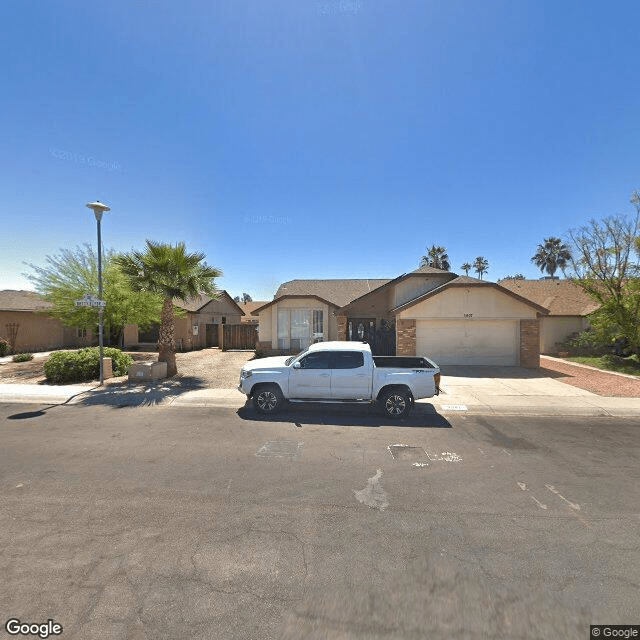
3807 E. Betty Elyse Lane, Phoenix, AZ 85032
To contact a resident: (602) 743-2827
For more information about senior living options: (866) 208-4318
Rody's ACH Costs & Pricing
Rody's ACH offers competitive pricing for its various room types when compared to the costs in Maricopa County and across Arizona. For a semi-private room, Rody's ACH charges $2,500 per month, which is notably lower than the county average of $2,801 and the state average of $2,820. In terms of private accommodations, Rody's rate of $3,000 also undercuts both Maricopa County's cost of $3,318 and Arizona's overall average of $3,345. Even for a one-bedroom unit, Rody's pricing at $4,000 remains higher than the county's average of $3,473 and the state's average of $3,532; however, it reflects a commitment to quality and comprehensive care that may justify this slight increase. Overall, Rody's ACH positions itself as a value-driven choice within the marketplace while still ensuring high standards for its residents' needs.
| Floor plans | Rody's ACH | Maricopa County | Arizona |
|---|---|---|---|
| Semi-Private | $2,500 | $2,801 | $2,820 |
| Private | $3,000 | $3,318 | $3,345 |
| 1 Bedroom | $4,000 | $3,473 | $3,532 |
Memory care communities with a similar price nearby
-
About the same

La Bella Vita ALH
$2,500 to $7,000 / month24.9 miles away -
from -$100 / mo
Golden Touch One Adult Care Home
$2,400 to $5,800 / month21.5 miles away -
from +$200 / mo

Caring Hearts Senior Care
$2,700 to $3,500 / month22.5 miles away -
About the same
Northlands Assisted Living Home
$2,500 / month17.3 miles away -
from -$245 / mo

Windsor Luxury Assisted Living, LLC
$2,255 to $5,950 / month7.3 miles away
Overall Review of Rody's ACH
Pros
 The staff are friendly.
- The caregivers are compassionate and loving.
- Their loved one receives a lot of one-on-one care.
- Rodica is wonderful and suits the patient’s needs.
- The food is good and nutritious drinks are provided when needed.
- The care their loved one receives is excellent.
- Rody's is knowledgeable in elderly care.
- The care at Rody's puts families at ease.
Review
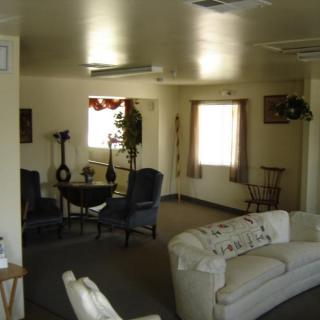
Rody’s ACH in Phoenix is best suited for families seeking a small, intimate, faith-forward environment where daily care is measured by personal attention and calm, home-like surroundings. The reviews point to a peaceful community ambiance, complemented by Christian music and a staff that comes across as genuinely friendly. The strongest inference is that residents receive significant one-on-one interaction, with caregivers who are described as compassionate and responsive to individual needs. Rodica emerges as a standout leader on the ground, consistently tied to care plans that seem to align with what each resident requires. For families prioritizing a nurturing, low-stress setting with accessible, person-centered care, this community presents a compelling match.
There are clear reasons to consider alternatives for certain profiles. If a loved one requires higher volumes of medical oversight, frequent on-site therapies, or access to specialized memory-care programming, larger campuses with dedicated medical teams and more formal clinical supports may better fit those needs. Likewise, families seeking a busier social calendar, a broader menu of enrichment activities, or a secular environment may prefer facilities that emphasize scale and program variety. While the warmth and attentiveness here are evident, the lack of explicit information about advanced medical services or memory-care options signals a potential misalignment for residents with intensive clinical requirements.
The core strengths clearly offset most potential drawbacks for the right resident. The key pros, peaceful atmosphere, approachable staff, and especially the one-on-one care, translate into meaningful daily benefits: residents receive focused attention, caregivers are described as loving and dedicated, and the caregiving team appears highly responsive to evolving needs. Nutrition support is another tangible plus; when a resident won’t eat, staff proactively provides nutritious drinks to bridge appetite gaps, underscoring a practical commitment to well-being beyond mere sustenance. Rodica’s acknowledged expertise reinforces confidence that care plans are thoughtful and tailored, rather than generic, which can materially ease family anxiety about long-term oversight.
That said, practical evaluation hinges on filling information gaps with targeted questions during a visit. Prospective families should press for specifics on medical coordination, including who oversees doctor communications and how orders are implemented day-to-day. Clarify the staff-to-resident ratio, how one-on-one time is scheduled, and what a typical day looks like in terms of activities, exercise, and meals. Inquire about transportation for appointments or outings, the availability of therapy services on-site, and how dietary restrictions or preferences are accommodated. Most importantly, request a meet-and-greet with the caregiving team, particularly Rodica, to feel the chemistry and observe how staff interact with residents in real-time.
Value in this setting tends to align with families who prize intimacy over breadth. The 4.7 overall rating from three reviews signals a high degree of satisfaction among those who have prioritized personal connection, spiritual atmosphere, and consistent caregiver engagement. While price transparency isn’t provided in the reviews, the quality signals a potential premium tier, appropriate for families who value dependable, visible caregiver involvement and a serene, respectful environment. For a loved one who thrives on routine, quiet companionship, and a relationship-driven care model, the payoff can be substantial.
Bottom line: Rody’s ACH is a strong fit for seniors who want dedicated, compassionate care delivered in a peaceful, faith-affirming setting, with a strong emphasis on one-on-one attention and individualized problem-solving. It is less well suited for residents whose needs include intensive medical management, complex memory care, or a high-entropy activity schedule on a large campus. Families considering alternatives should look for facilities that offer robust clinical oversight, clear memory-care options, and a more expansive program lineup. To move forward, schedule a tour focused on meeting the caregiving team, confirm how care plans are constructed and adjusted, and verify how daily life will look in practice.
 Board and Care Home
 Day Program
 Memory Care
 Cats allowed
 Dogs allowed
 Private
 Phoenix Sky Harbor International (13 miles away)
 Diabetic care
 High acuity care
 Incontinence care
 Medication management




 How to Communicate with a Loved One Living with Dementia: 10 Supportive Strategies
 Comprehensive Guide to VA Nursing Homes: A Crucial Long-Term Care Resource for Veterans
 Estimating the Expenses of At-Home Dementia Care: A Detailed Exploration