
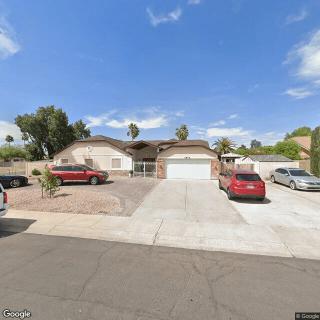
3807 East Betty Elyse Lane, Phoenix, AZ 85032
For more information about senior living options: (866) 208-4318
Overall Review of Rody's Adult Care Home
Pros
 Rody's Adult Care is a family-run home with a husband and wife at the helm and occasional help from their daughter, indicating a warm, family-centered environment.
- The home keeps a small resident count of five, which fosters an intimate setting.
- Hospice care is provided twice a week, ensuring regular support for residents.
- The community is described as very nice and very clean.
- The staff are kind and caring, and their communication is understandable.
Review
Rody’s Adult Care Home in Phoenix is best suited for seniors who want an intimate, home-like setting with highly personalized hands-on care. With only five residents, the operation functions much like a family home rather than a traditional facility, allowing the owners, husband and wife, plus their daughter on occasional help to provide continuous, attentive oversight. This small scale is ideal for families seeking direct accountability and a sense that someone is personally looking after mom or dad, not just managing a roster. The combination of a clean, comfortable environment and hospice support twice a week signals a compassionate understanding of palliative needs within this cozy framework.
Those who should think carefully before choosing Rody’s include families needing robust, on-site medical staffing or a wide array of specialized programs. The staff’s small numbers mean less formal coverage than larger facilities, and the absence of on-site, round-the-clock nursing could be a drawback for residents who require constant clinical monitoring. While care is delivered with kindness, the language note, staff are foreign with a heavy accent, could pose communication friction for families who rely on precise medical updates or who require extensive coordination with outside healthcare providers. For residents needing intensive rehab, dementia-specific programming, or frequent, structured activities, a larger, more program-driven setting may be more suitable.
The trade-offs are balanced by several clear advantages. The decisive benefit is the high-touch care that accompanies a five-resident floor plan: each resident tends to receive more individualized attention, quicker response times, and a sense of being truly known by caregivers. Cleanliness and a respectful, homey atmosphere enhance daily living, while the owners’ hands-on involvement helps maintain a consistent standard of care and smooth communication with families. The hospice support, though limited to twice weekly visits, complements this setting by integrating palliative elements into a familiar home environment, which can ease anxiety for residents and loved ones who value ongoing, personal contact with caregivers.
A related strength is the relational continuity that comes from a family-run model. The core team’s dedication translates into steady routines, predictable caregiver assignments, and fewer layers of communication between family and staff. The daughter’s intermittent help adds to continuity, and the overall tone is one of warmth and genuine care. Yet, the intimate size also means fewer social opportunities and activities compared with larger communities. The result is a setting that excels when the priority is comfort, dignity, and consistent, person-centered care, but it may fall short for families seeking a bustling social calendar or a wide spectrum of specialized therapies.
For families evaluating options, concrete questions to ask during visits will reveal how well Rody’s aligns with needs. Inquire about caregiver-to-resident ratios across day and night, the process for coordinating external medical appointments, and how medication management is handled in practice. Explore how emergencies are managed outside hospice visits, whether there is any on-site nursing coverage, and what backup plans exist for staffing gaps during holidays or illness. Request a clear picture of daily activities, meal quality, and safety features such as fall precautions, as well as how families receive updates and participate in care planning. These details illuminate whether the home’s strengths match the resident’s tolerance for fewer clinical supports and more intimate, ongoing companionship.
In the end, Rody’s Adult Care Home offers a compelling option for those prioritizing intimate, dignified living with frequent, personal caregiver contact and a nurturing, home-like feel. It excels for residents who need regular hospice support within a low-stimulation, high-attachment environment and for families who value transparent access to the people delivering care. The main caveat is that those requiring continuous, on-site medical management, extensive specialized programming, or robust social activities may find alternatives more aligned with those needs. When the fit is right, this small, owner-led home delivers peace of mind, clarity, and a quality of life that a family can genuinely respect and sustain.
 5 resident community capacity
 Assisted Living
 Board and Care Home
 Respite Care
 Cable or satellite TV
 Dining room
 Fully furnished
 Garden
 Housekeeping services
 Move-in coordination
 Outdoor space
 Telephone
 Wi-Fi/high-speed internet available
 Phoenix Sky Harbor International (13 miles away)
 24-hour supervision
 Activities of daily living assistance
 Assistance with bathing
 Assistance with dressing
 Assistance with transfers
 Diabetes diet
 Meal preparation and service
 Medication management
 Special dietary restrictions
 Transportation arrangement (medical)
 Transportation to doctors appointments






 Exploring the Path to Senior Living: A Comprehensive Look at Independent Living and Assisted Living
 Is Assisted Living Deductible on Your Taxes? Understanding the Complexities of Assisted Living Expenses and Deductions
 Assisted Living Support for Veterans: A Complete and Detailed Overview