
5825 E. Indian School Rd, Phoenix, AZ 85018
To contact a resident: (480) 508-5027
For more information about senior living options: (866) 208-4318
Chateaux Assisted Living Costs & Pricing
Chateaux Assisted Living offers competitive pricing for its residents, with private and studio room types both set at $5,500 per month. When comparing these rates to regional averages, Chateaux's costs significantly exceed those of Maricopa County, where the average monthly costs for a private room stand at approximately $3,318 and a studio at around $3,960. Additionally, the state average for Arizona reflects similar trends, with private rooms averaging $3,345 and studios at $3,829. This pricing may reflect the premium services and amenities available at Chateaux, ensuring that residents enjoy a higher quality of care and a more enriching living environment.
| Floor plans | Chateaux Assisted Living | Maricopa County | Arizona |
|---|---|---|---|
| Private | $5,500 | $3,318 | $3,345 |
| Studio | $5,500 | $3,960 | $3,829 |
Memory care communities with a similar price nearby
-
from -$500 / mo

North Scottsdale Retreat
$5,000 / month14.8 miles away -
from -$605 / mo

Clarendale Arcadia
$4,895 to $8,790 / month3.5 miles away -
About the same
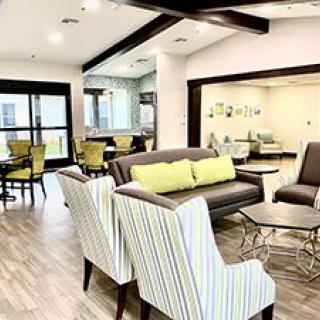
Fairmont Village
$5,500 to $6,500 / month16.9 miles away -
from -$1000 / mo
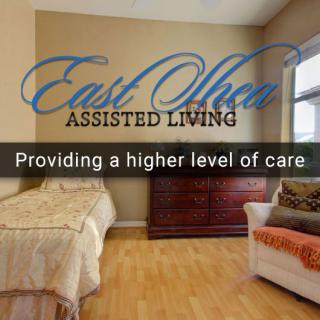
East Shea Assisted Living
$4,500 / month10.7 miles away -
About the same
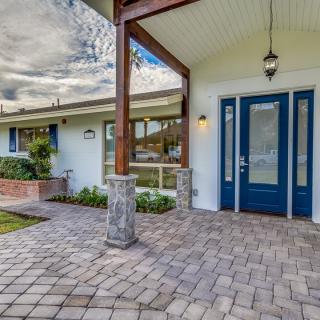
Vista Living Arcadia
$5,500 / month0.6 miles away
Overall Review of Chateaux Assisted Living
Pros
 The staff are amazing and very kind and attentive to the patients.
- The home is beautiful and welcoming.
- The caregivers are great.
- The sister was happy there.
- Chateaux deserved five stars for the peace of mind it provided the family.
- The care staff and the manager are truly the best.
- The care given to both mother and family was appreciated, especially in the end stage.
Cons
 The removal of the on-site manager within a month of admission left the family feeling unsettled.
- They were unable to communicate with the former manager, causing frustration.
- The abrupt leadership change raised concerns about the continuity of care.
- The early turnover gave a negative first impression of the facility's stability.
- The experience was marred by management changes, despite a capable replacement later stepping in.
Review
Chateaux Assisted Living in Phoenix is best suited for families seeking a warm, home-like environment where seniors receive exceptionally attentive caregiving, with a particular fit for residents with dementia or memory challenges. The setting appeals to those who want reassurance that a loved one lives in a place that feels safe, dignified, and gently supervised, rather than a clinical facility. For families prioritizing daily kindness, compassionate presence, and end-of-life support in a residential atmosphere, this community often delivers with credibility supported by caregiver testimonials.
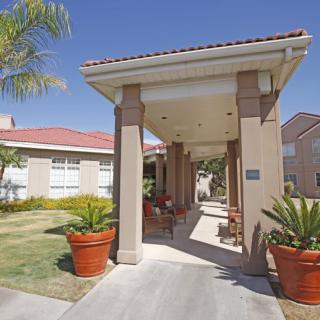
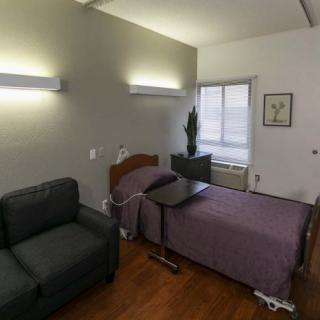
Key strengths center on the caregiving staff. Reviews repeatedly praise kindness, attentiveness, and a sense that residents are genuinely cared for. One account notes a sister with dementia who was happy there, another highlights end-of-life care that was meaningful for both mother and family, and a third emphasizes that the staff and managers treated residents and families with outstanding care. The property itself reinforces these strengths: a beautiful, inviting home that feels comfortable rather than institutional, which significantly reduces anxiety for families visiting or preparing a move.
Management and staff appear responsive when things go wrong. One reviewer describes an abrupt leadership change, followed quickly by a capable manager who demonstrated a clear, well-run approach to care. That pivot is more than cosmetic; it translates into consistent communication, steadier routines, and a more predictable experience for families navigating a transition. The bedrock is the care team, described as the best by families, whose daily interactions shape resident wellbeing, reduce distress, and make end-of-life experiences more peaceful.
Potential concerns that should influence decisions include leadership turnover and the gaps that may accompany it. While the new manager’s performance alleviates fears, the absence of detailed information about clinical oversight, staffing ratios, and memory-care programming in these reviews means that families must verify exact services and capabilities. The reviews don’t outline the breadth of medical support, specialty caregiver training, or activity schedules. For seniors requiring intensive medical management, or families who demand transparent, published metrics, this is an area to scrutinize before committing.
Overall, the pros, exceptional caregiving, a beautiful, home-like setting, and demonstrated leadership responsiveness, substantially offset the main drawbacks for most families. The warmth and steadiness of the caregiving staff deliver tangible peace of mind: residents are more likely to be comfortable, less anxious, and better supported in daily routines and in end-stage care. The visible beauty of the environment enhances mood and engagement, while a competent new manager can restore consistent communication and procedural reliability after an initial disruption. For memory-care needs, those benefits often outweigh the concerns raised by leadership changes.
Who should consider Chateaux Assisted Living? Families seeking a practical blend of dignity, warmth, and attentive daily care for an older adult with memory impairment, who also values a residential, non-clinical ambiance. Alternatives may be preferable for those needing strict 24/7 medical monitoring, highly specialized memory-care programming with formal metrics, or where leadership stability is a non-negotiable factor. Before deciding, visit with questions about: staff-to-resident ratios, memory-care programming, caregiver training, emergency partnerships with local hospitals, and a sample schedule of activities and meals. Ask to meet the current manager and frontline caregivers to gauge consistency of care and communication, and verify how transitions are managed if leadership shifts occur.
 Board and Care Home
 Memory Care
 Activities on-site
 Devotional services off-site
 Indoor common areas
 Phoenix Sky Harbor International (5 miles away)
 Ambulatory care
 Diabetic care
 Meals provided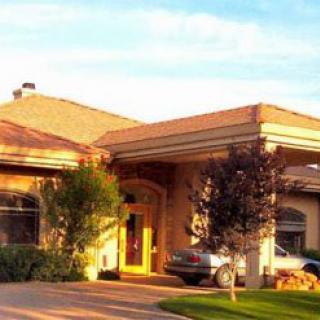



 Understanding Dementia Behaviors: Practical Insights and Strategies for Caregivers
 When Dementia Sparks Anger and Aggression: Understanding the Connection and Ways to Cope
 Dementia Behaviors: In-Depth Understanding and Effective Coping Strategies