For more information about senior living options: (866) 208-4318
4.8 from 22 reviews
5 stars
21
4 stars
0
3 stars
0
2 stars
0
1 stars
1
Vista Living Arcadia Costs & Pricing
Vista Living Arcadia offers a studio accommodation at a monthly rate of $5,500, which is notably higher than the average costs in both Maricopa County and the broader state of Arizona. In comparison, the monthly cost for studios in Maricopa County stands at approximately $3,960, while residents across Arizona enjoy an even lower average of around $3,829. This disparity may reflect the premium services and amenities provided by Vista Living Arcadia, catering to those seeking a more enriched living experience. The elevated pricing suggests an emphasis on quality of care and lifestyle enhancements that could be appealing for individuals prioritizing comfort and support within their living arrangements.
Floor plans
Vista Living Arcadia
Maricopa County
Arizona
Studio
$5,500
$3,960
$3,829
Memory care communities with a similar price nearby
from -$500 / mo
North Scottsdale Retreat
4.9 from 59 reviews
$5,000 / month
14.7 miles away
from -$605 / mo
Clarendale Arcadia
4.8 from 111 reviews
$4,895 to $8,790 / month
2.8 miles away
About the same
Fairmont Village
4.8 from 27 reviews
$5,500 to $6,500 / month
16.2 miles away
from -$1000 / mo
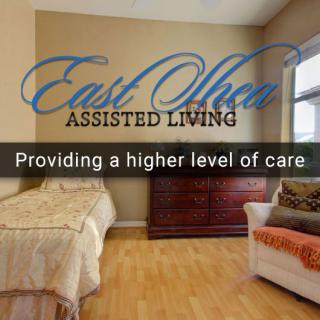
East Shea Assisted Living
4.8 from 60 reviews
$4,500 / month
11.1 miles away
from -$1080 / mo
MorningStar Assisted Living & Memory Care of Fountain Hills
The care team is consistently described as attentive, patient, and engaged with residents.
Many residents and families describe caregivers and staff as patient and considerate, with frequent attention throughout the day. Multiple reviewers say the team adapts to individual needs as conditions change and keeps family members in the loop with updates. Several also describe professional, kind interactions from the director or management alongside the broader caregiving team.
common9 reviews mention this
Home feels safe, clean, and welcoming
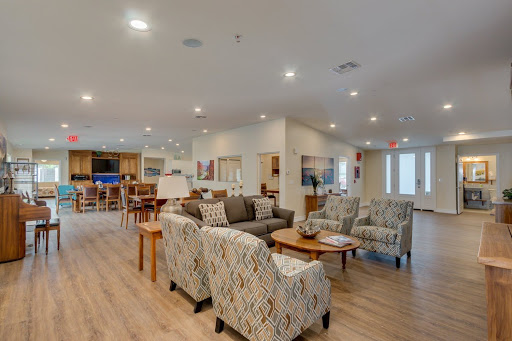
Residents and families repeatedly describe a clean, safe home environment with comfortable common spaces.
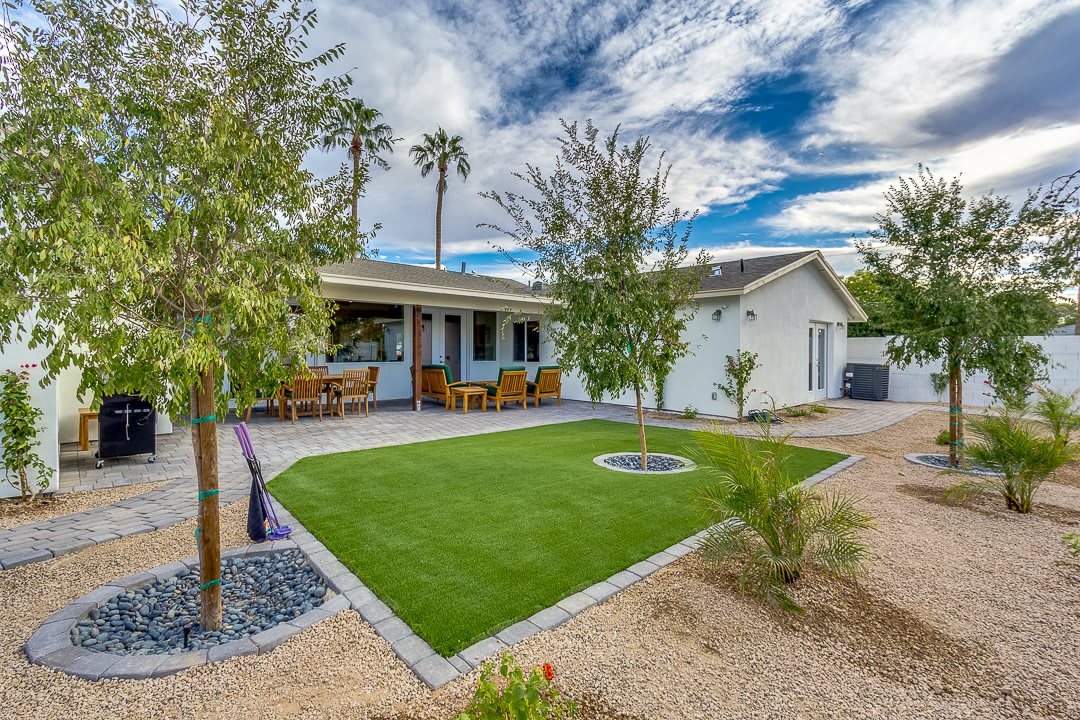
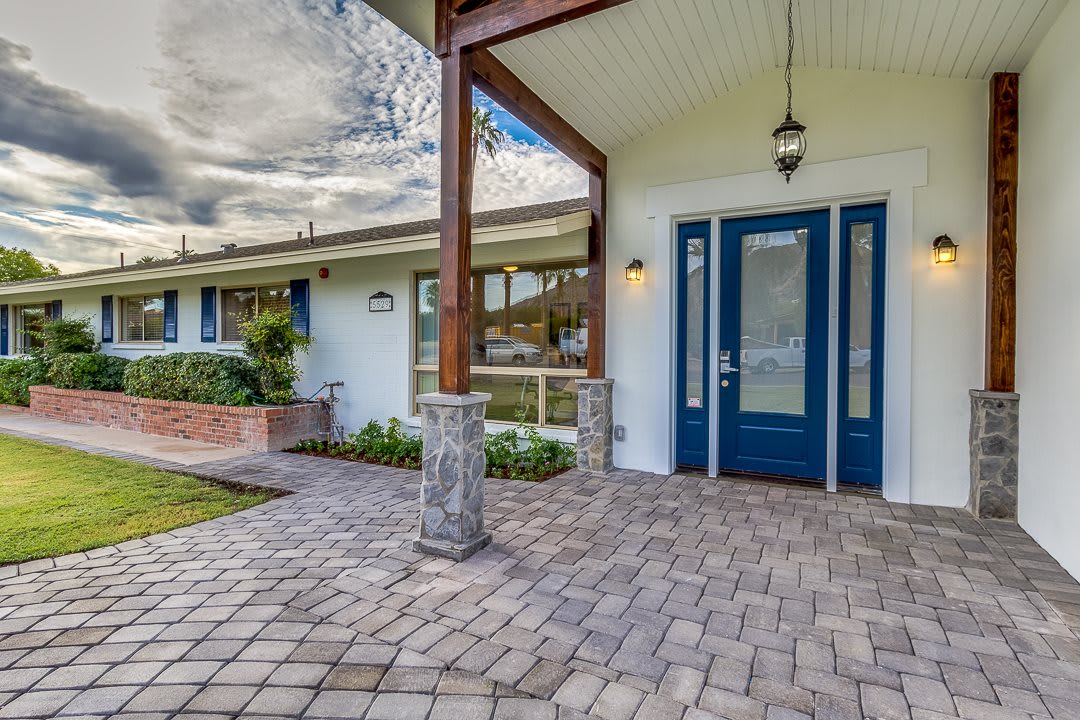
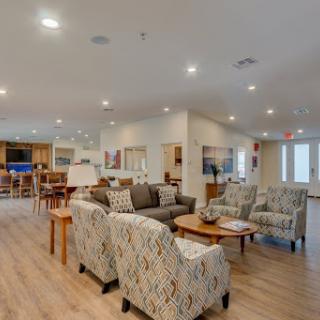
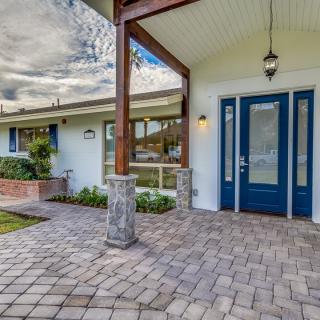
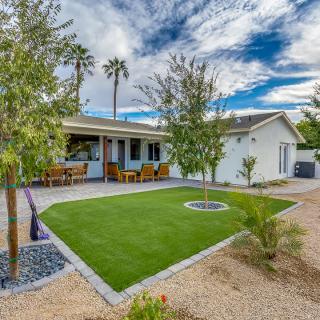
Reviews frequently mention safety and cleanliness, with visitors describing a bright, well-kept house and residents who look cared for. Families also comment on the layout and outdoor areas, including a backyard and inviting spaces for residents and guests. A few reviewers also tie the environment to how settled or comfortable their loved one seemed over time.
differentiator7 reviews mention this
Memory care needs are adapted
Residents needing dementia or mobility support are described as getting adjustments that keep care on track.
Several reviews specifically mention dementia and related decline, and families describe the community making seamless adjustments as needs change. Reviewers also mention safety and comfort for residents with memory issues and note caregivers support daily routines in a way that feels steady. One review also highlights helpful communication and care coordination as dementia signs increased.
common5 reviews mention this
Activities and on-site entertainment
Residents are regularly offered activities and entertainment that families say they enjoy.
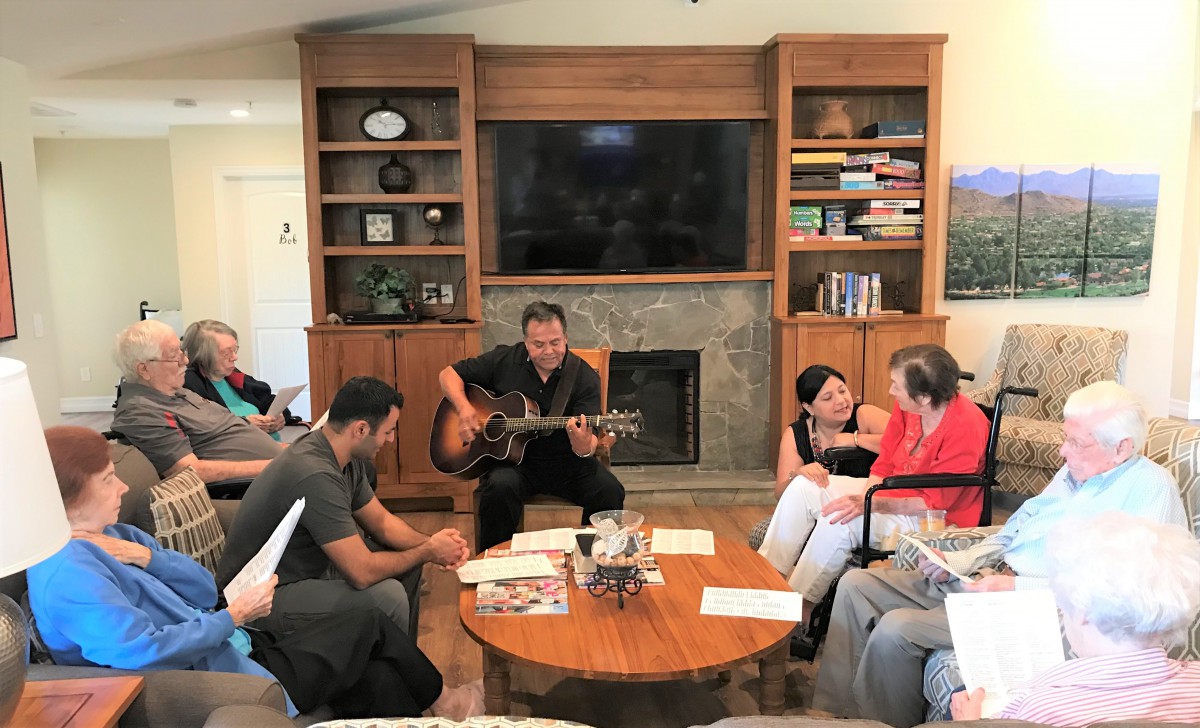
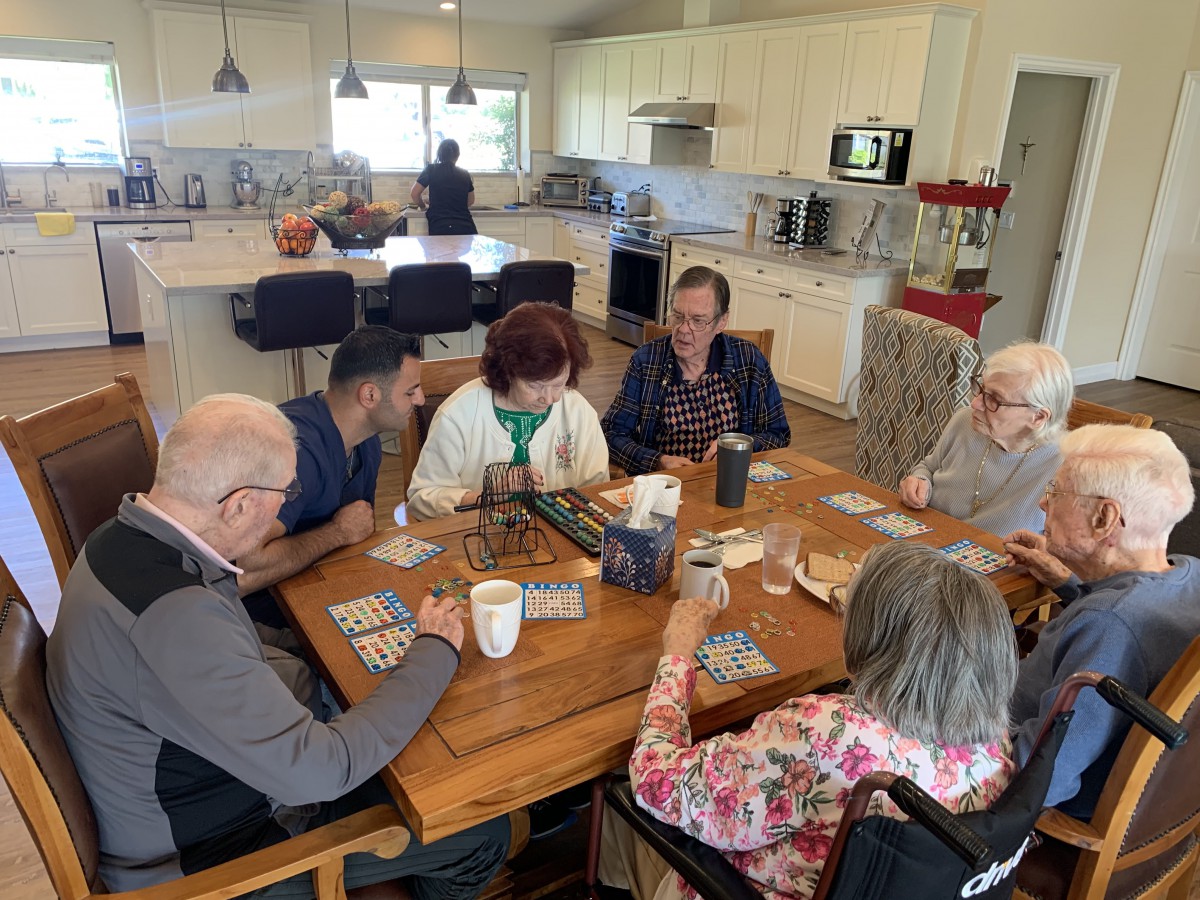
Families mention music and other entertainment, including singers and musical guests on-site, as well as community events that bring residents and families together. Several reviewers also describe daily engagement like puzzles and walking support, framing it as part of what helps residents feel at ease. For people who want to participate, reviewers say the community supports activities while still allowing residents to remain in their rooms if preferred.
caveat6 reviews mention this
Meals are mostly praised, but mixed
Dining is described positively by many residents, though at least one review raises serious concerns.
Many families say meals are good, tasty, and consistent, with some noting balanced meals served daily. Others describe cooks preparing meals in the home and residents enjoying eating, sometimes more socially in shared dining. One review, however, reports problems with portions, meal temperature, and general meal quality, making dining a mixed experience across the reviews.
How we summarize
Counts show how many written reviews mention each theme; a review can touch several themes, and only frequently mentioned themes are displayed.
Features
Types of Care
Assisted Living
Memory Care
Amenities
Activities on-site
Devotional services off-site
Indoor common areas
Transportation
Phoenix Sky Harbor International (5 miles away)
Care Services
Ambulatory care
Diabetic care
Dining
Meals provided
Activities
Activities on-site
Devotional activities offsite
Nearby Places of Interest
Pharmacies
Walgreens (1 miles)
Walgreens (1.3 miles)
CVS Pharmacy (2.2 miles)
Walgreens (2.3 miles)
Walgreens (2.4 miles)
CVS Pharmacy (3.2 miles)
CVS Pharmacy (3.3 miles)
Restaurants
Cava (1.3 miles)
Tee Pee Mexican Food (1.5 miles)
The Henry (1.5 miles)
PHX-Arcadia Crossing (1.5 miles)
Buck & Rider (1.7 miles)
Zipps Sports Grill (2.1 miles)
Francine (2.1 miles)
Physicians
Null (1.4 miles)
One Medical (2.3 miles)
Azam Medical Clinic (2.6 miles)
Scottsdale Cardiovascular Center (2.6 miles)
Keystone Natural Family Medicine (5.5 miles)
Banner Family Medicine Center (5.7 miles)
Momdoc-Women for Women (5.7 miles)
Hospitals
Greenbaum Surgery Center (2.3 miles)
Maricopa Medical Center (4.3 miles)
Arizona State Hospital (4.5 miles)
Banner – University Medical Center Phoenix (5.7 miles)
Carl T Hayden VA Medical Center, Recreation Therapy (5.9 miles)
Vista Living Arcadia offers a studio accommodation at a monthly rate of $5,500, which is notably higher than the average costs in both Maricopa County and the broader state of Arizona. In comparison, the monthly cost for studios in Maricopa County stands at approximately $3,960, while residents across Arizona enjoy an even lower average of around $3,829. This disparity may reflect the premium services and amenities provided by Vista Living Arcadia, catering to those seeking a more enriched living experience. The elevated pricing suggests an emphasis on quality of care and lifestyle enhancements that could be appealing for individuals prioritizing comfort and support within their living arrangements.
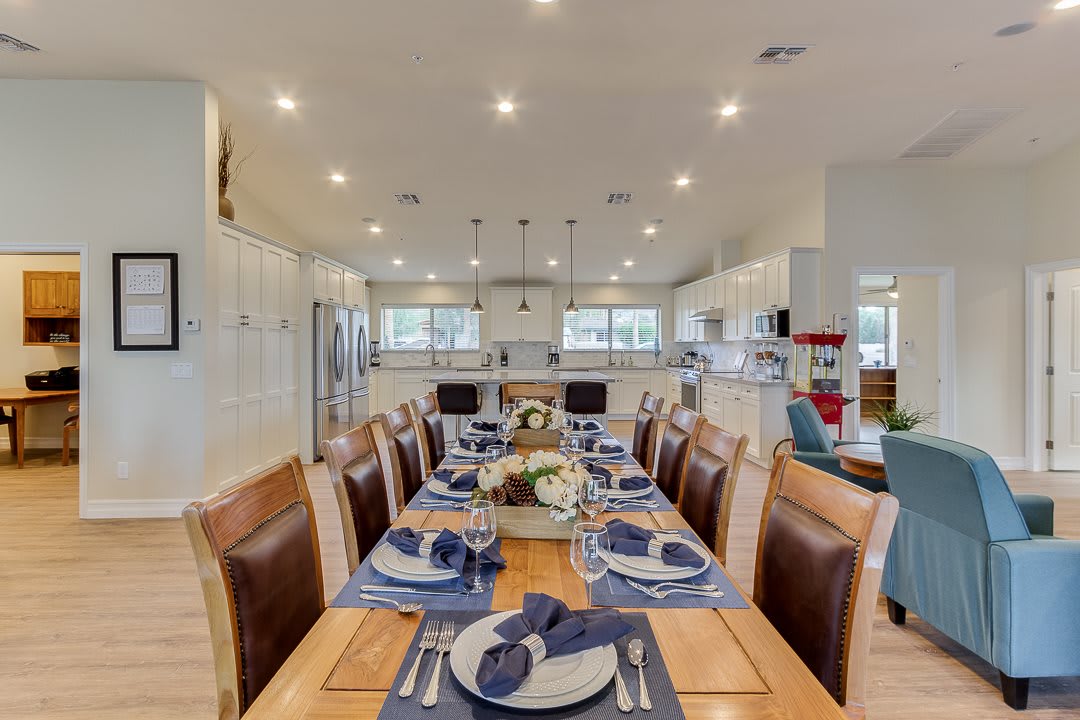
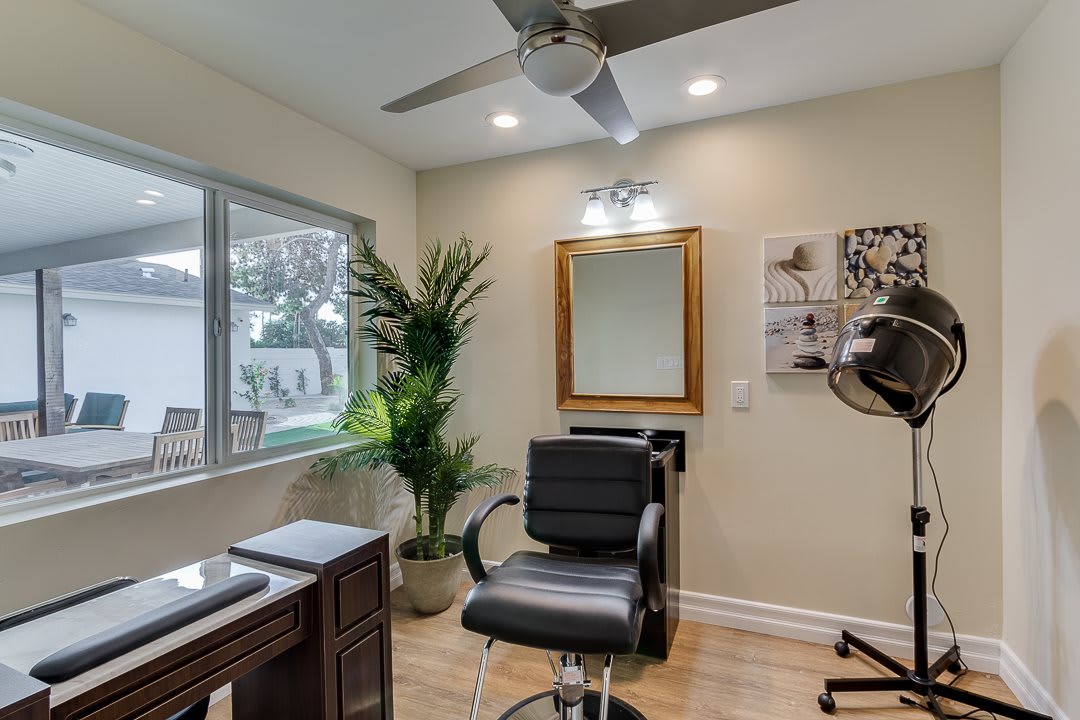
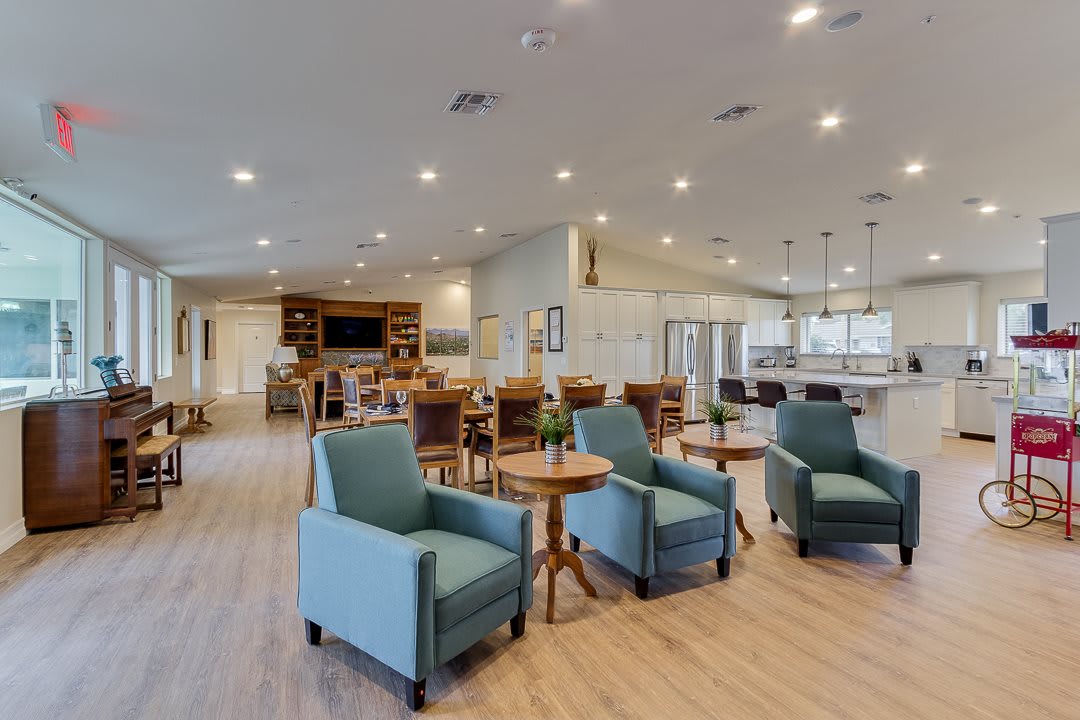
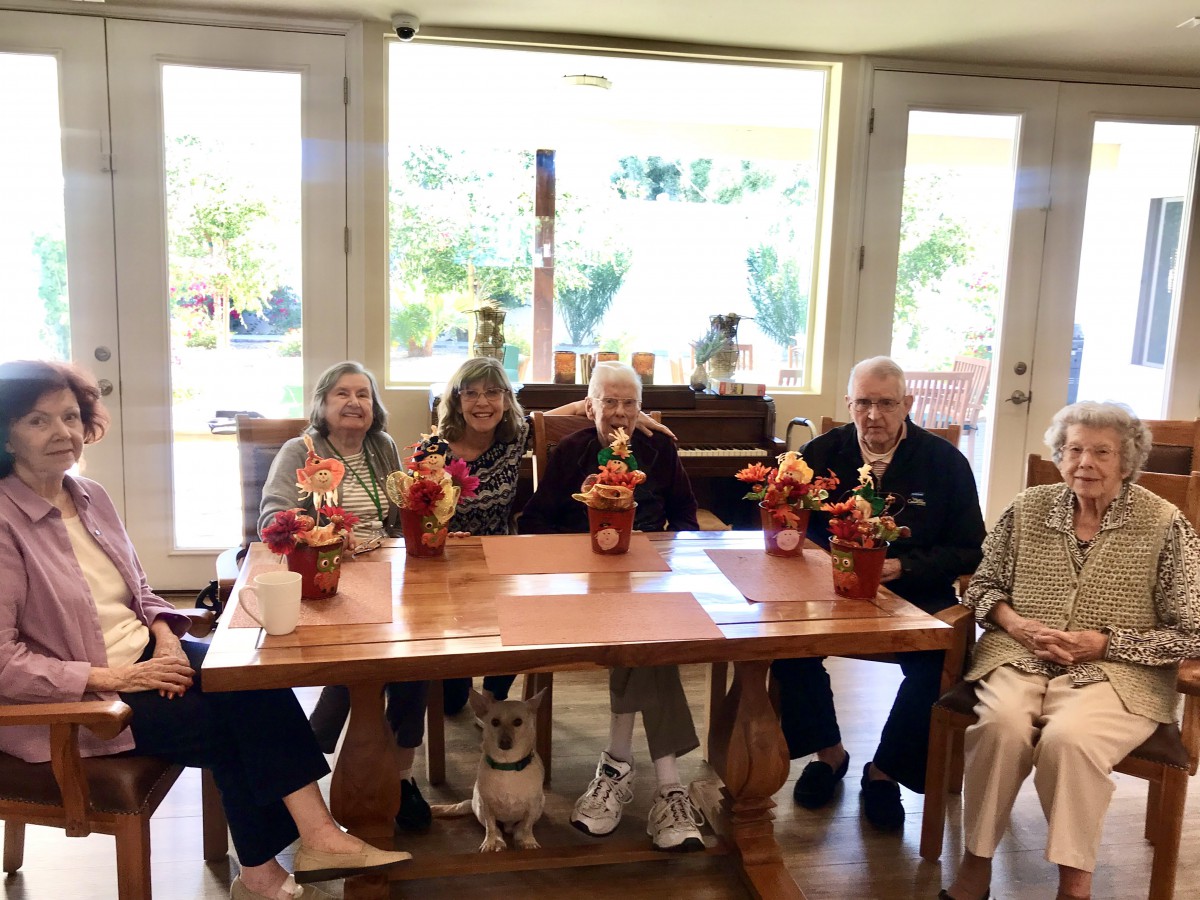
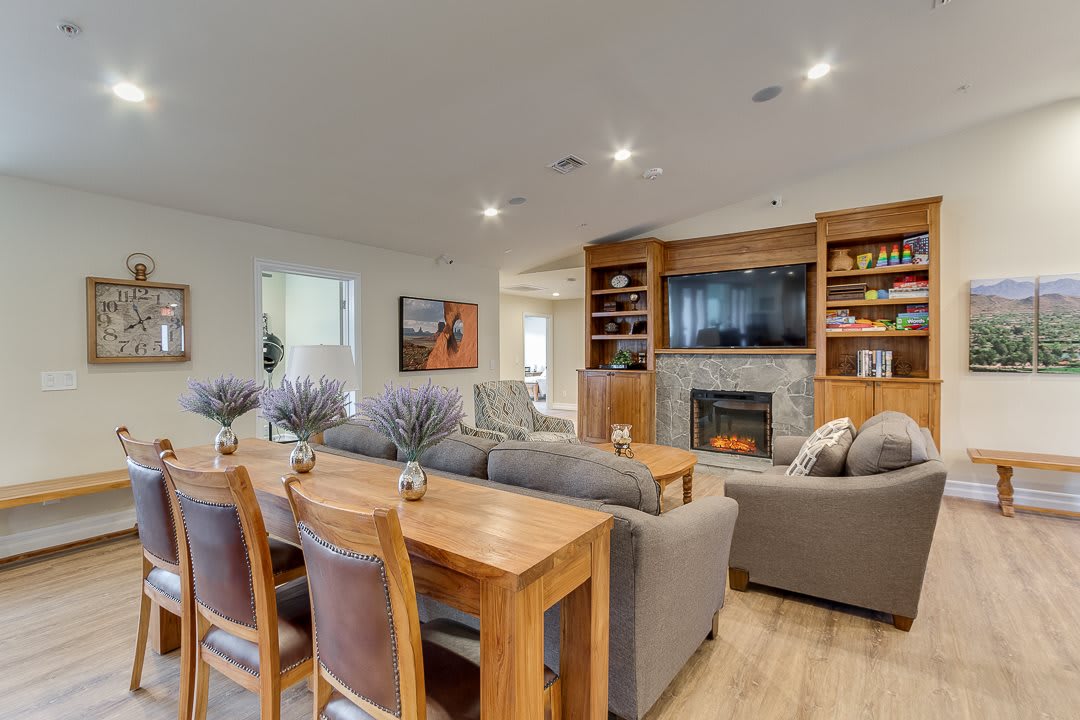
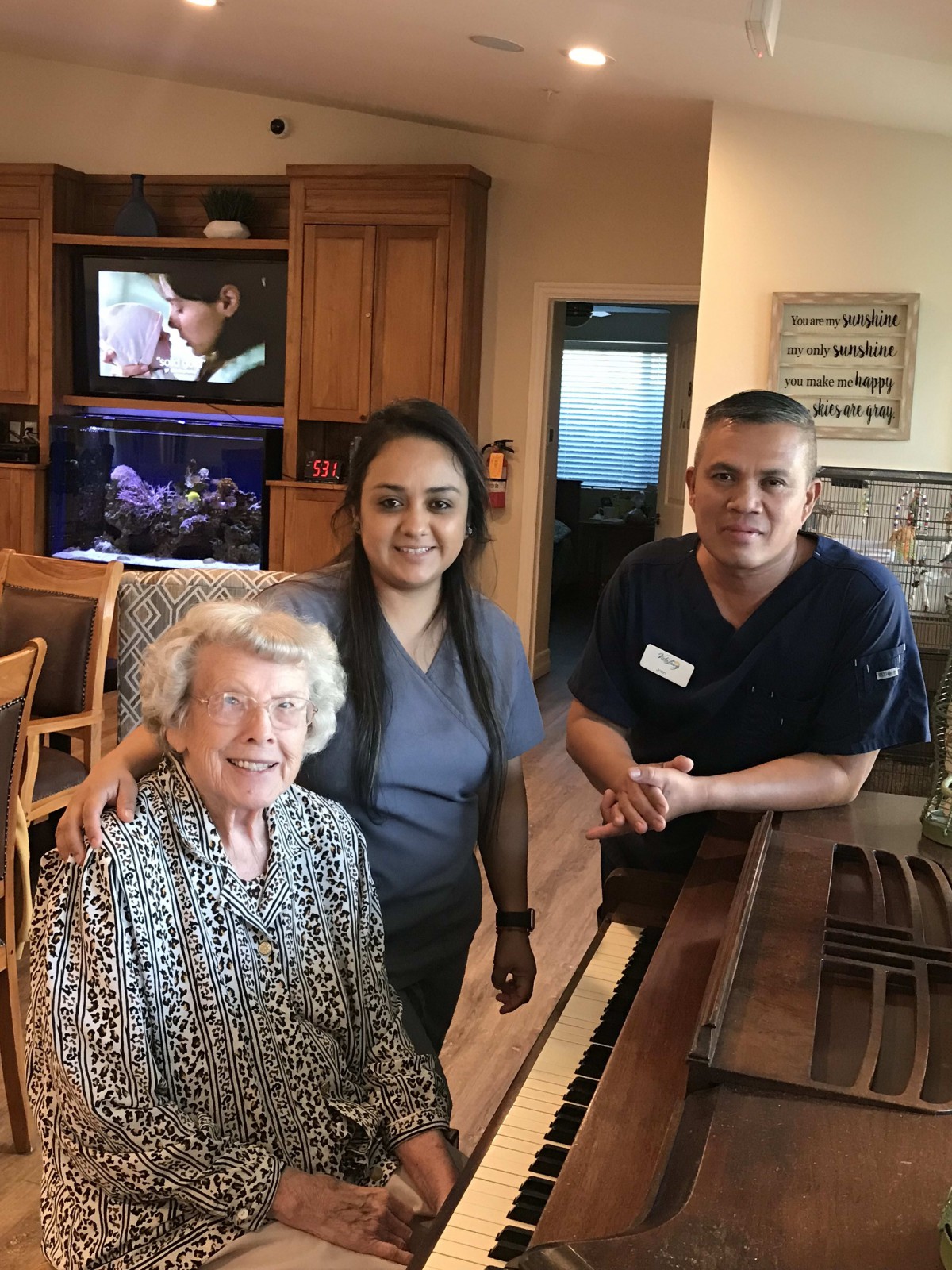
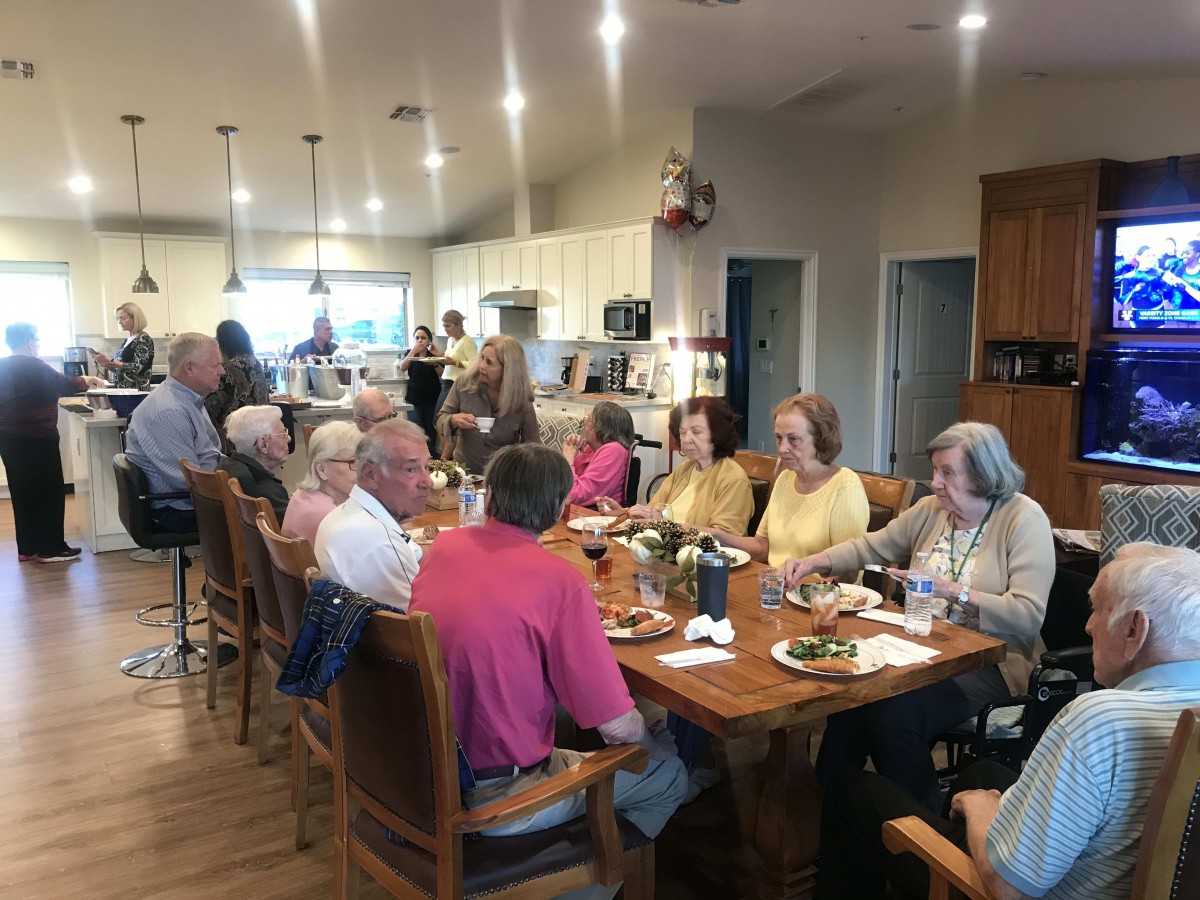
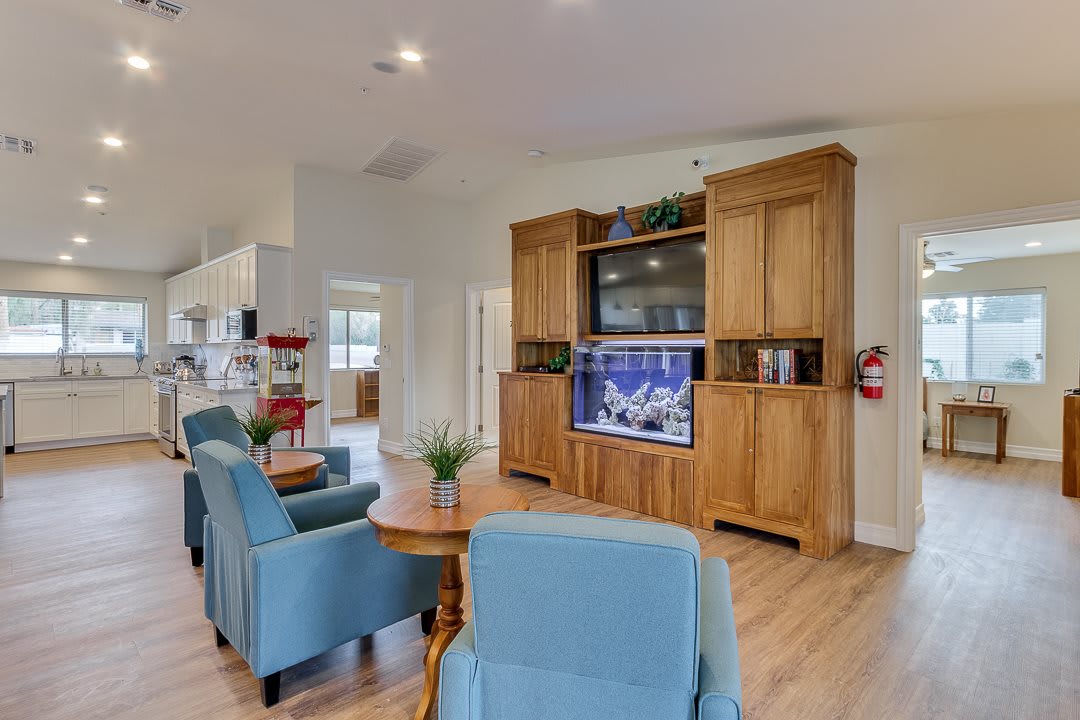
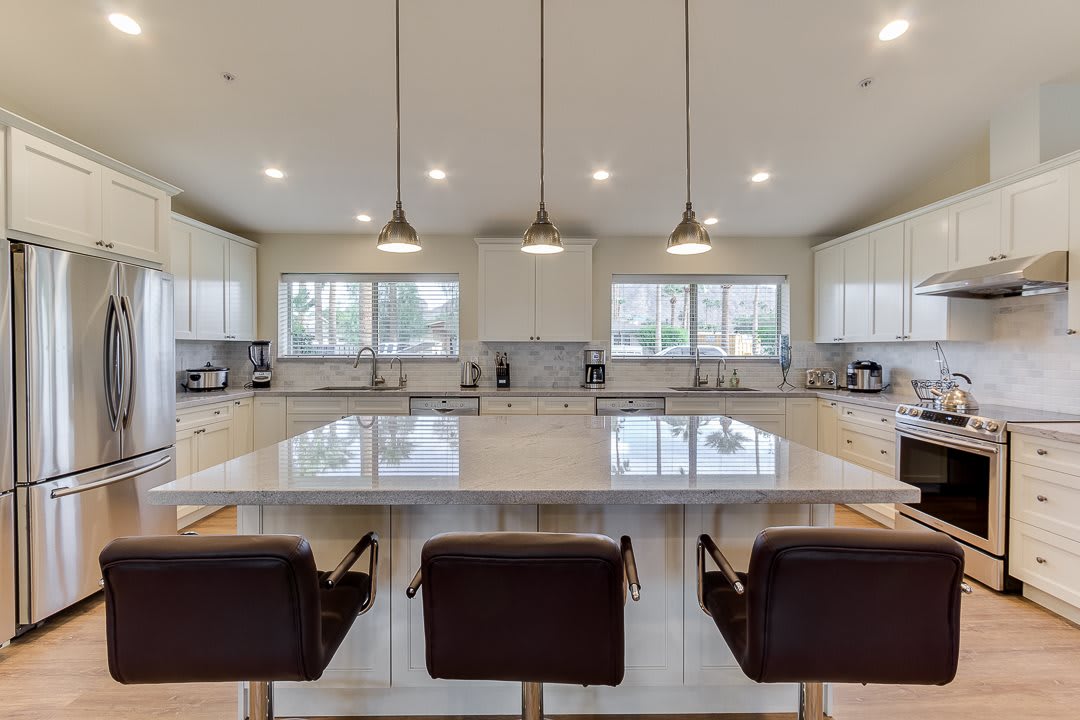
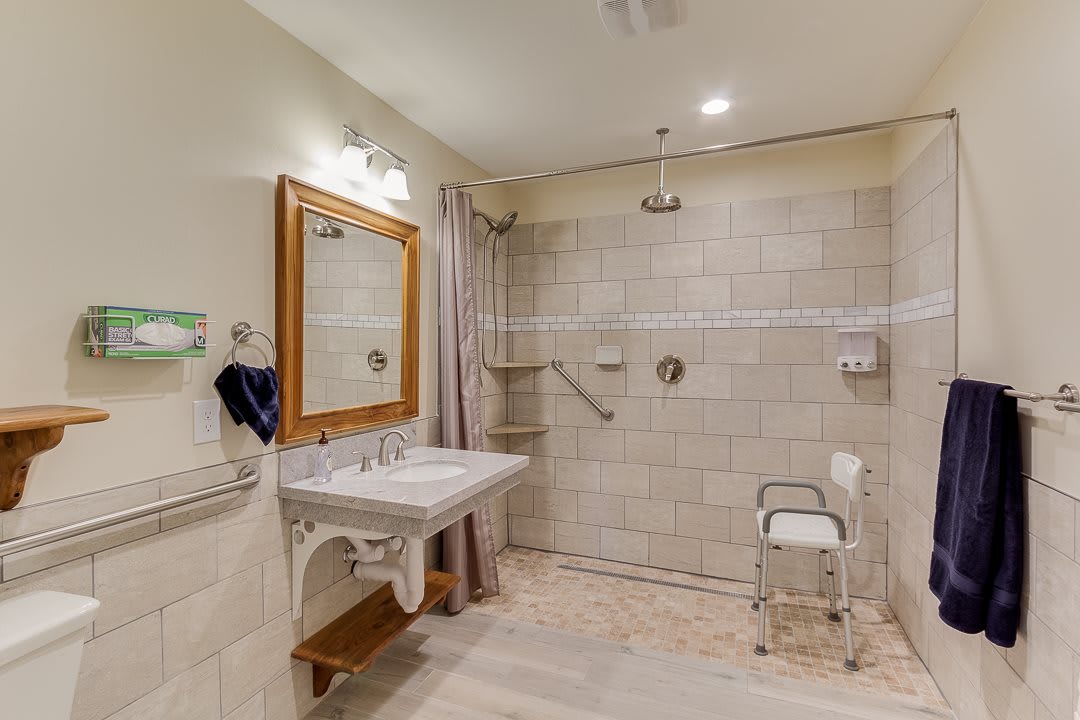
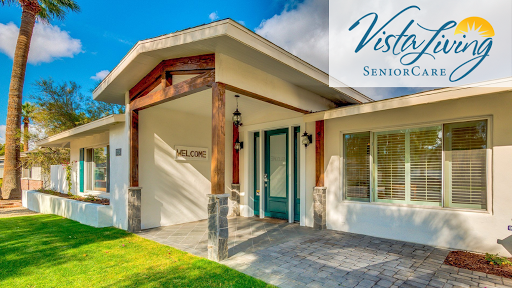
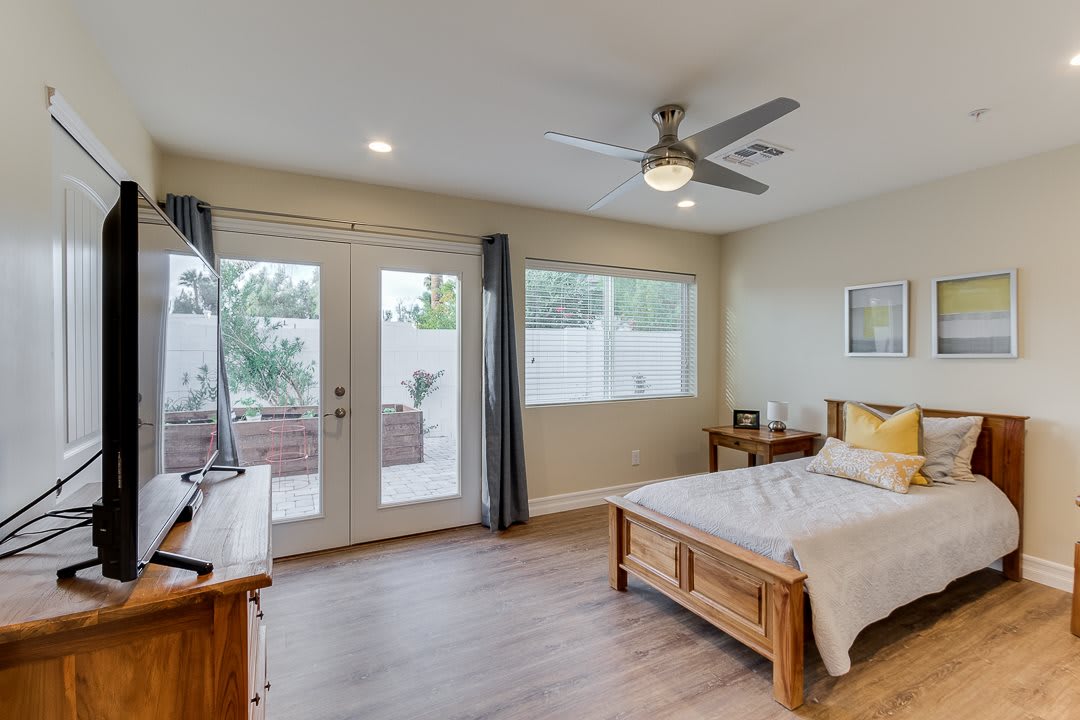
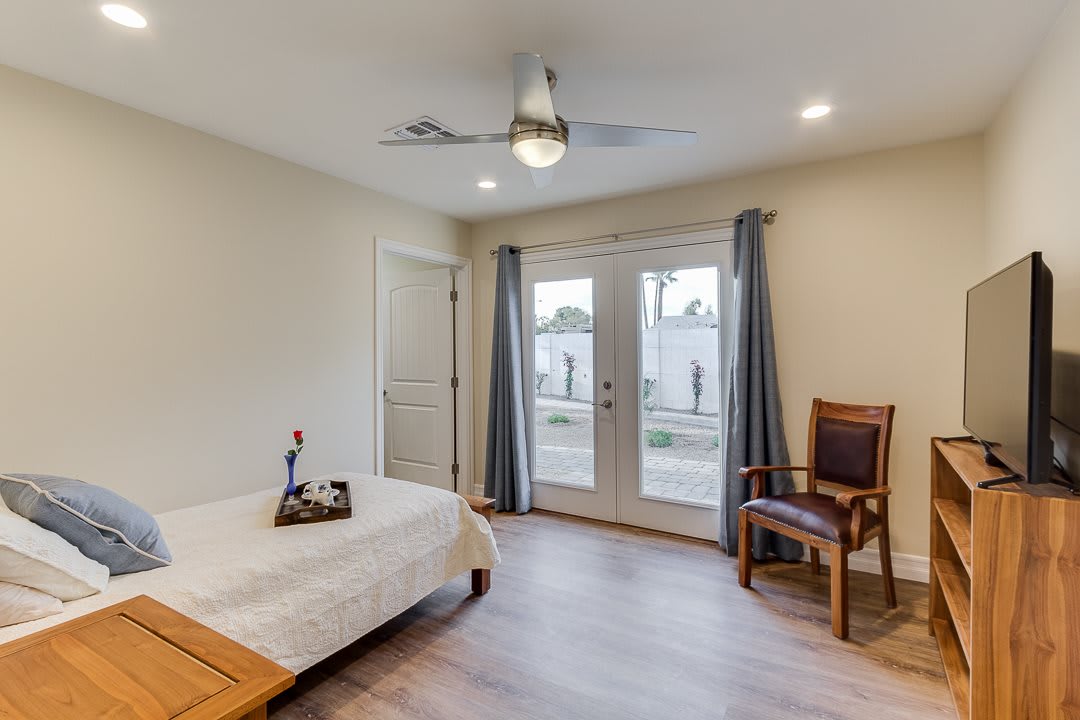
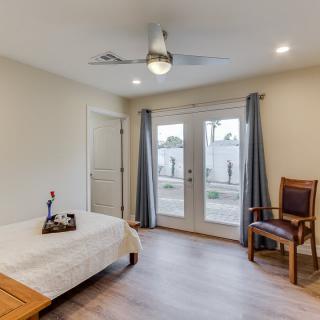
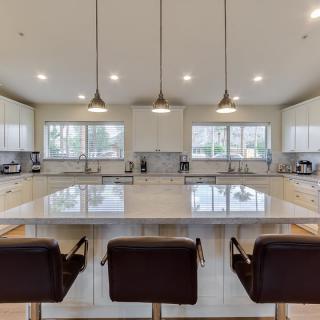
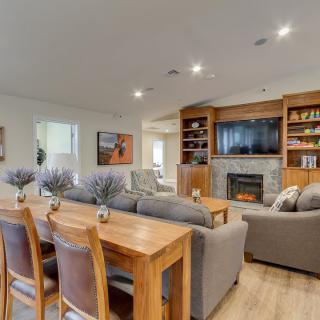
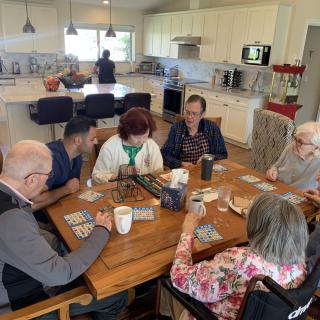
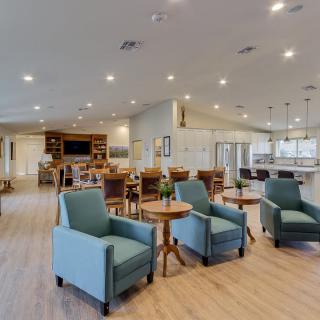
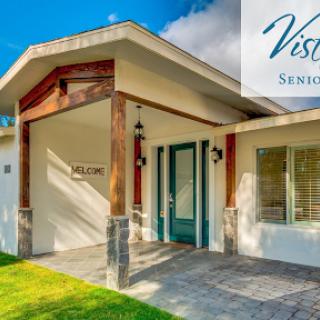
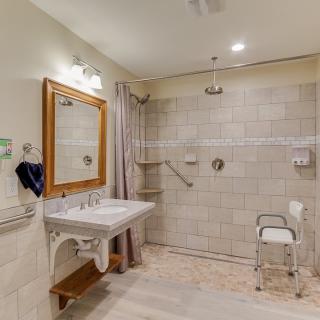
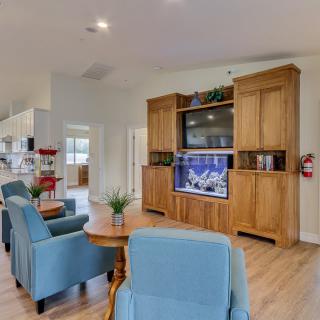
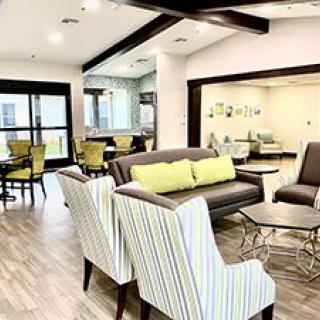
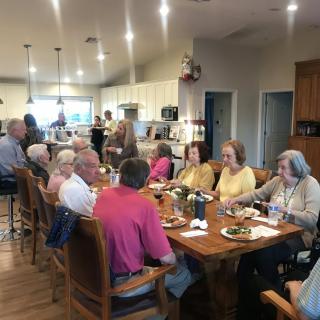
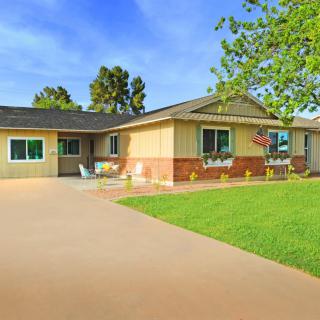
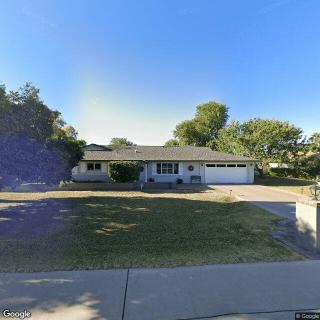
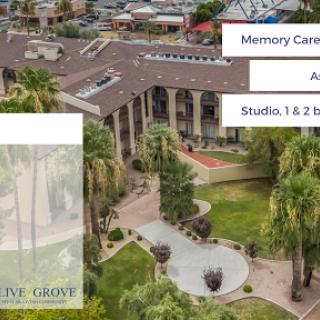
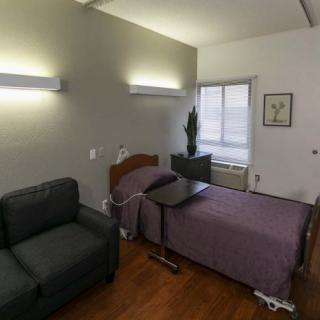
Vista Living Arcadia on seniors.fyi includes 19 photos including images showing interior, living room, dining, landscaping, kitchen, bedroom, windows, decor, and more.
Nearby Communities
Arcadia Estate Assisted Living
Phoenix, AZ
4.9 from 8 reviews
5-step dementia memory care program with a secured floor and high caregiver-to-resident ratio.
Chateaux Assisted Living
Phoenix, AZ
5 from 4 reviews
$5,500 / month
Beautiful facility with exceptional caregiving and supportive staff.
Gayle's Manor East
Phoenix, AZ
$2,500 to $3,900 / month
Small, intimate community with competitive pricing for semi-private and private rooms.
Comfy Couch Assisted Living
Phoenix, AZ
4.7 from 11 reviews
$3,500 to $4,000 / month
Attentive, personalized care from compassionate staff.
Adult Care Connection Inc
Phoenix, AZ
5 from 5 reviews
Extensive nearby amenities and healthcare access
Arizona Shining Star Assisted Living Home
Phoenix, AZ
4.8 from 31 reviews
$3,284 to $3,940 / month
24/7 supervision with ADL support, diabetes-friendly meals, and engaging activities.
Arcadia Grove Assisted Living Home
Phoenix, AZ
3.8 from 43 reviews
Private rooms with en-suite, clean and well-maintained environment, attentive staff, and engaging activities with diabetes-friendly meals.
Scottsdale Village Square, A Pacifica Senior Living Community
Scottsdale, AZ
4.2 from 192 reviews
$3,175 to $5,000 / month
Caring, responsive staff in a welcoming community with engaging activities.
Osborn Health And Rehabilitation
Scottsdale, AZ
3.1 from 139 reviews
$2,300 to $4,000 / month
Strong physical therapy team and some caring staff.
The article emphasizes the significance of establishing a power of attorney for elderly parents to enable an agent to make decisions on their behalf regarding health and finances, especially during cognitive or physical decline. It outlines various types of power of attorney, the importance of consulting legal professionals, and the responsibilities and challenges faced by agents, while also discussing alternatives and common misconceptions.
Caregiver support groups are crucial for providing emotional and practical assistance to those caring for loved ones, offering resources, coping strategies, and a sense of community through various organizations and platforms. These groups help alleviate isolation and burnout while addressing the unique challenges faced by caregivers of individuals with specific conditions.
The guide outlines the complexities of Medicaid coverage for assisted living, highlighting significant state-to-state variations, limited coverage often restricted to personal care services, and the existence of specialized waivers for certain needs like memory care. It advises families to consult local Medicaid offices for options while emphasizing the importance of understanding state-specific regulations and facility policies.
Get PricingAsk A QuestionSchedule A TourContact Senior Advisor
By clicking submit, you agree to our Partner's Terms of Use. You
also consent to receive calls and texts, which may be autodialed, from our Partner. Your consent is not a condition to
using our Partner's service. Please visit our Partner's Privacy Policy for information about their privacy practices.





 Assisted Living
 Memory Care
 Activities on-site
 Devotional services off-site
 Indoor common areas
 Phoenix Sky Harbor International (5 miles away)
 Ambulatory care
 Diabetic care
 Meals provided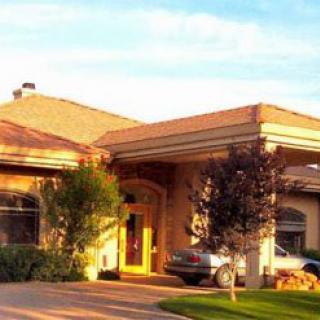
 5-step dementia memory care program with a secured floor and high caregiver-to-resident ratio.

 Guiding Your Journey: Understanding Power of Attorney for Elderly Parents
 22 Remarkable Caregiver Support Groups Available Online and In-Person
 Understanding Medicaid Coverage for Assisted Living: A Comprehensive Guide