
5825 East Indian School Road, Phoenix, AZ 85018
For more information about senior living options: (866) 208-4318
Overall Review of Arcadia Estate Assisted Living
Pros
 The staff at Chateaux nursing home were amazing, kind, and attentive to the patients.
- The family felt peace of mind knowing her wellbeing was safeguarded at Chateaux.
- Arcadia Estate is described as the finest, most spacious facility with attentive care.
- Michelle was very accommodating and nice.
- Arcadia Estate offers a 5-step memory care program and has a secure floor for wanderers.
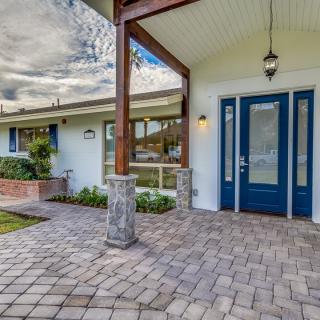
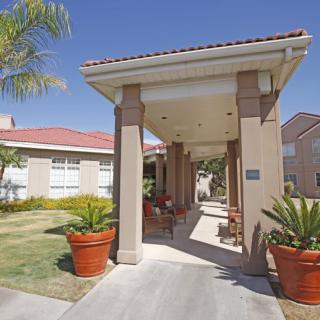
- The grounds are well landscaped, and the facility is clean and spacious for activities.
- Each resident has a private bedroom with a private bathroom and a garden patio.
- The staff and owner are described as caring, making residents feel like family.
Cons
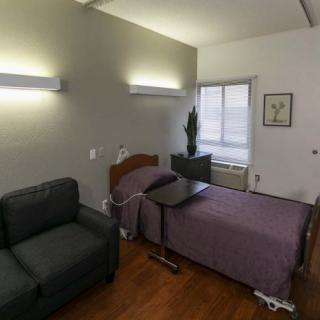
 The rooms were a little on the small side.
- There was a lack of color and warmth immediately upon entering the home.
- The facility leaves him alone unless completing a routine check or delivering meds.
- The reviewer would prefer a more interactive atmosphere within the home.
- The garden was rarely accessible without a special request.
Review
Arcadia Estate Assisted Living in Phoenix is best suited for families seeking a luxury, privacy-forward setting with serious memory-care competencies. The community functions like a small, purpose-built estate designed for about 10 residents, with all-private suites, private bathrooms, and garden patios. Its standout strength is a robust memory-care framework: a dedicated floor for wanderers, a five-step memory-care program, and an on-site care team that includes RN and LPN support plus regular physician visits. For families prioritizing close oversight, high-quality meals, and a safe, contained environment for someone facing dementia, Arcadia Estate delivers a compelling, low-worry option.
Those most likely to want alternatives are families looking for a more casual, highly social, or less formal home atmosphere. Several reviewers noted a formal, “luxury” vibe that can feel less intimate or immediately warm upon entry. For residents who crave a bright, colorful, interactive environment with expansive common spaces and a more community-driven feel, Arcadia Estate may come across as a touch reserved. Additionally, while the care is thorough, some family members highlighted a desire for more spontaneous engagement beyond medical checks and scheduled activities, suggesting that the setting may not suit every personality or care preference, particularly if a lively social rhythm is essential.
The strongest pros, private, well-appointed suites; dedicated memory care infrastructure; and rigorous staffing, directly offset most notable drawbacks. Each resident enjoys a private bedroom and bathroom, plus a patio, which reduces shared-stressor friction and supports a dignified, individualized routine. The presence of a memory-care floor and a secured environment helps manage wandering risk without sacrificing a sense of home. High caregiver coverage during the day and evening, with on-site RN/LPN support and regular doctor visits, translates into dependable medical oversight. Meals, food quality, and general upkeep stand out in multiple reviews, reinforcing a sense that the environment respects both nutritional needs and personal comfort. In short, for dementia care where safety, privacy, and professional oversight are paramount, the advantages far outweigh any hesitations about formality or layout.
The main cons, rooms described as compact by one observer and the overall formal ambiance, are not fatal weaknesses when balanced against the care framework and residential design. A smaller footprint and a more restrained interior can feel limiting to those who equate hominess with more color, softer textures, and a bustling social scene. Yet the flip side is that residents often have private, quiet spaces and direct access to individualized routines, which matters greatly for memory-impaired individuals. The occasional sentiment that the setting “leaves some residents alone” unless meds or routine checks intervene highlights the need for families to probe daily engagement levels, but it is counterbalanced by documented care consistency, visible staff attention, and a climate that emphasizes safety, dignity, and predictable structures.
Operationally, Arcadia Estate presents as a carefully engineered home with clear advantages for memory care. The estate was designed around a small number of residents, with multiple certified caregivers on shifts and a formal dining program that can be enjoyed communally or in private rooms. The owner’s evident commitment, the on-site culinary capability, and the doctor’s visits contribute to a sense of continuity and reliability that many families prioritize. The lush grounds, meticulous maintenance, and the option to visit unannounced further reinforce confidence in daily life there. For families weighing options, these elements, coupled with the strong reputation for outstanding staff care, make Arcadia Estate a hard-to-beat choice in the Phoenix area for memory-focused assisted living.
Bottom line: Arcadia Estate Assisted Living is a strong fit for dementia care where private living, high staffing standards, and a controlled, elegant environment matter most. It excels for families who want predictable routines, medical oversight, and the reassurance of secure, purpose-built memory-care features in a small, genteel setting. If a resident thrives on color-rich interiors, a more bustling social tempo, or a less formal atmosphere, alternatives with broader community spaces and a more visibly lively schedule may be worth exploring. For those who value privacy, safety, and meticulous, compassionate care on a compact estate, Arcadia Estate should be prioritized in the decision process, with a candid conversation about daily engagement, shared activities, and the precise memory-care protocols to ensure alignment with the loved one’s personality and needs.
 10 resident community capacity
 Studio apartments
 Assisted Living
 Board and Care Home
 Respite Care
 Skilled Nursing Facility
 Cable or satellite TV
 Dining room
 Fully furnished
 Garden
 Hiking trails
 Housekeeping services
 Laundry
 Move-in coordination
 Outdoor space
 Overnight guests
 Party space
 Resident parking
 Telephone
 Wi-Fi/high-speed internet available
 Phoenix Sky Harbor International (5 miles away)
 Transportation & parking
 24-hour supervision
 Activities of daily living assistance
 Assistance with bathing
 Assistance with dressing
 Assistance with transfers
 Diabetes diet
 Meal preparation and service
 Medication management
 Special dietary restrictions
 Transportation arrangement (medical)
 Arts and crafts
 Book club
 Fitness programs
 Games
Games Live musical performances
 English


 Assisted Living Support for Veterans: A Complete and Detailed Overview
 Exploring the Contrasts Between Assisted Living and Skilled Nursing
 8 Key Indicators That Suggest It May Be Time to Transition from Assisted Living to Skilled Nursing Care