
102 N. River Street #115, Janesville, WI 53548
To contact a resident: (608) 757-9456
For more information about senior living options: (866) 208-4318
Overall Review of River Place
Pros
 The property is clean and quiet.
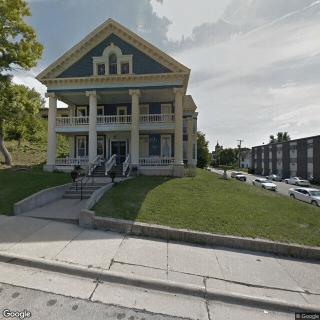
- The building is beautiful.
- The unit has brand-new appliances, including fancy touch-screen washer and dryer with app control.
- The master bedroom is huge and features an amazing walk-in closet.
- The second bedroom is a nice size with practical shelving for storage.
- Central AC and a spacious bathroom add to overall comfort.
- Management is very helpful and kind.
- The reviewer and their kids love it here and feel grateful.
Cons
 The elevator to the second floor doesn’t place users in the middle of the two directions, forcing a long hallway walk.
- That long hallway is hard for a resident who is disabled.
Review
River Place in Janesville is best suited for seniors who want a refined, maintenance-light living environment with ample space and modern conveniences, and for families that prioritize a high-end in-home experience alongside reliable, responsive management. This community suits those who value quiet, clean surroundings and prefer a unit that feels like a contemporary apartment rather than a traditional institutional setting. It works well for residents who don’t require immediate, intensive on-site care but want the option of added services as needs evolve, provided that a strong, attentive management team is in place to explain options and coordinate support when requested.
From a practical standpoint, the strongest positives center on comfort, convenience, and a sense of premium living. The building is clean and quiet, with a modern aesthetic that borders on luxury. Units stand out for their brand-new appliances and smart features, think touch-screen controls and app-based management for everyday tasks. The master bedroom is exceptionally spacious with an impressive walk-in closet, while the second bedroom is comfortable and practical, offering sensible storage and closet space. Central air keeps the living areas consistently pleasant, and the bathrooms are described as notably roomy. The combination of high-end finishes, generous square footage, and a calm atmosphere creates a living environment where daily routine feels easy and indulgent.
Nevertheless, the layout introduces a real trade-off that potential residents must assess. The elevator serving the second floor does not deposit residents near the center of the building, which translates into a longer walk down a single, straight corridor for trips between the unit and the main options on either end. For someone with mobility challenges, that extra distance can become more than a minor nuisance. The corridor length matters not just for daily mobility but for safety planning as well, since longer routes tend to complicate rapid egress in an emergency. While stairs are immediately accessible at the unit door, their presence doesn’t fully compensate for the inconvenience created by the elevator’s alignment.
In weighing how the pros offset the cons, the conclusion hinges on priorities. The lavish unit features, the sense of personal space, and the practical tech touches genuinely reduce everyday friction, making independent living more comfortable and manageable. A supportive management team, the kind that explains details clearly and remains approachable, mitigates some of resident anxieties about navigating a newer, more technologically integrated home. The quiet, pristine environment supports predictable routines and reduces stress, which is valuable for residents who crave stability and control over their surroundings. The architectural beauty and thoughtful storage solutions also enhance long-term livability, helping households feel a sense of dignity and pride in their home.
Those who should consider alternatives are residents with pronounced mobility limitations who need straightforward access to shared spaces or to the exterior without a long hallway or complex elevator routing. Ground-floor units or communities with more centralized elevator placement may be a better match for someone who requires minimal transit time from door to essential amenities. Families prioritizing more structured assisted-living services, frequent on-site nursing care, or highly active social programming may also want to compare River Place to communities explicitly designed around those supports. Finally, budget-conscious buyers seeking fewer square feet or fewer high-end amenities will find other options that better align with their financial realities.
In the end, River Place offers a compelling blend of luxury, space, and practical management that makes it a strong contender for independent-minded seniors and their families when the emphasis is on comfort and control. The main caveat, the elevator-to-hallway alignment, will matter most to those with mobility concerns or tight schedules that reward quick, effortless movement through common corridors. For households where independence sits alongside a readiness to engage with attentive staff and a preference for a serene, upscale home, River Place delivers well. For those whose needs tilt toward easier access, more visible assisted-living services, or tighter budgets, it is prudent to widen the search to communities that optimize ease of movement and programmed support without trade-offs on luxury.
 Independent Living





 Understanding the Nuances of Palliative Care and Hospice: A Comprehensive Exploration
 Fecal Incontinence in Older Adults: A Comprehensive Guide
 Nurturing Well-Being Through Gardening: A Detailed Guide for Senior Enthusiasts