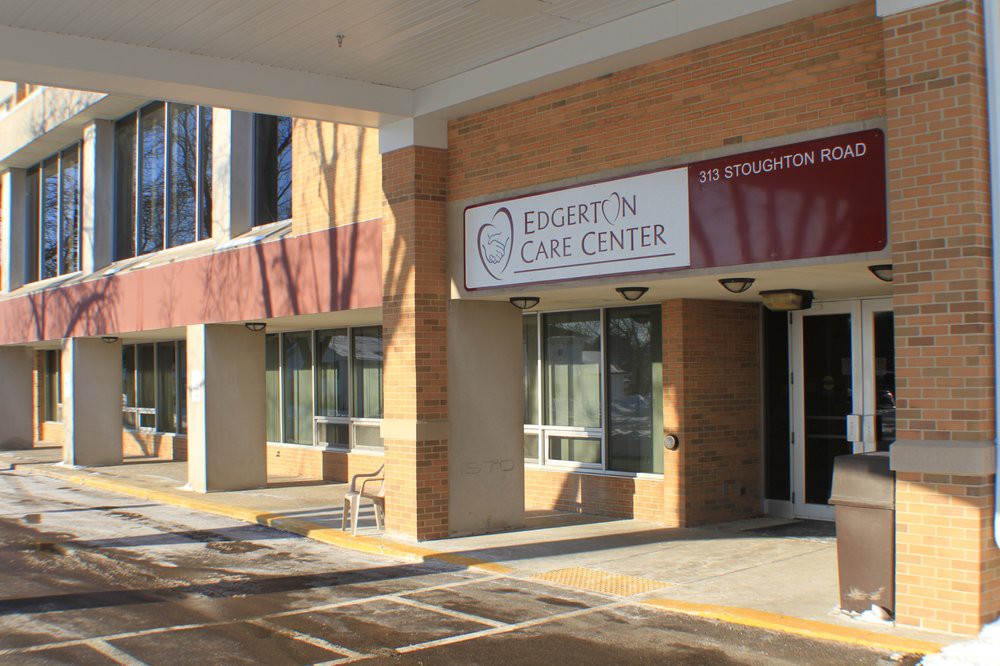

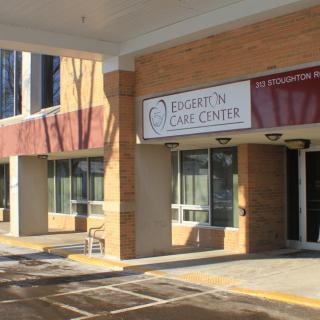

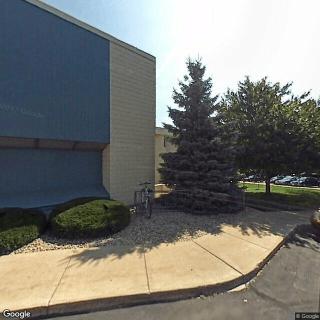
313 Stoughton Road, Edgerton, WI 53534
For more information about senior living options: (866) 208-4318
Overall Review of Edgerton Care Center
Pros
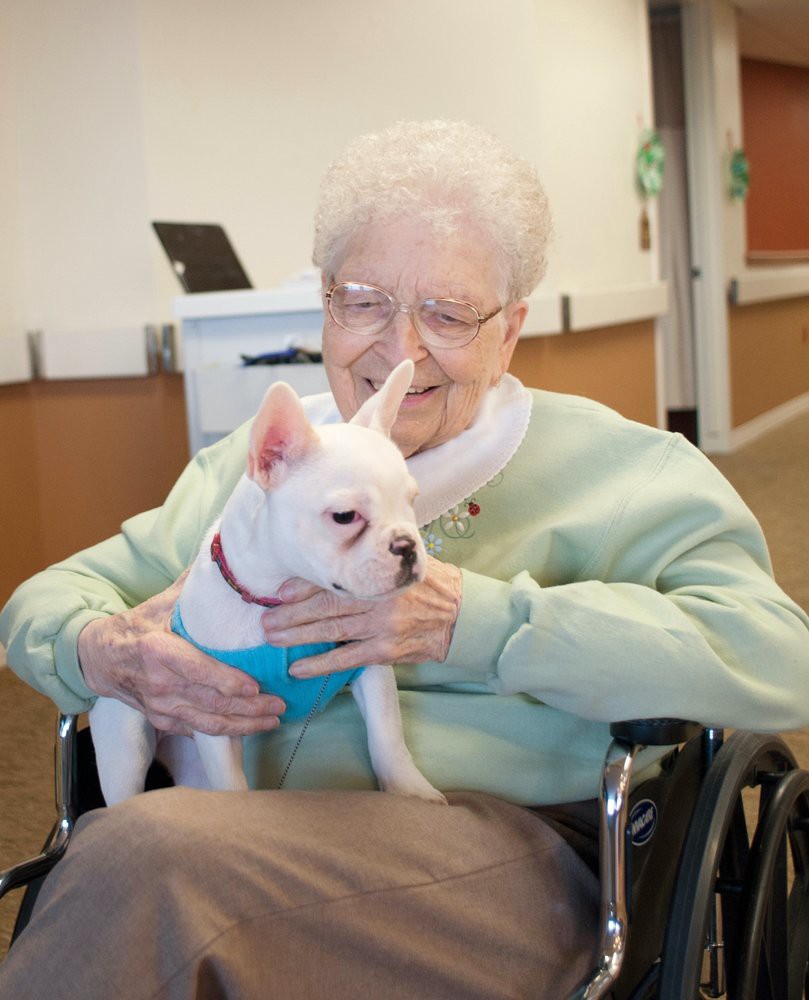
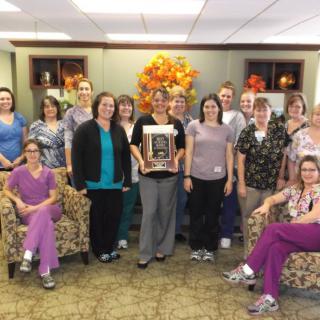
 The staff at Edgerton Care Center was outstanding and compassionate.
- The care team was phenomenal and attentive to residents' unique needs.
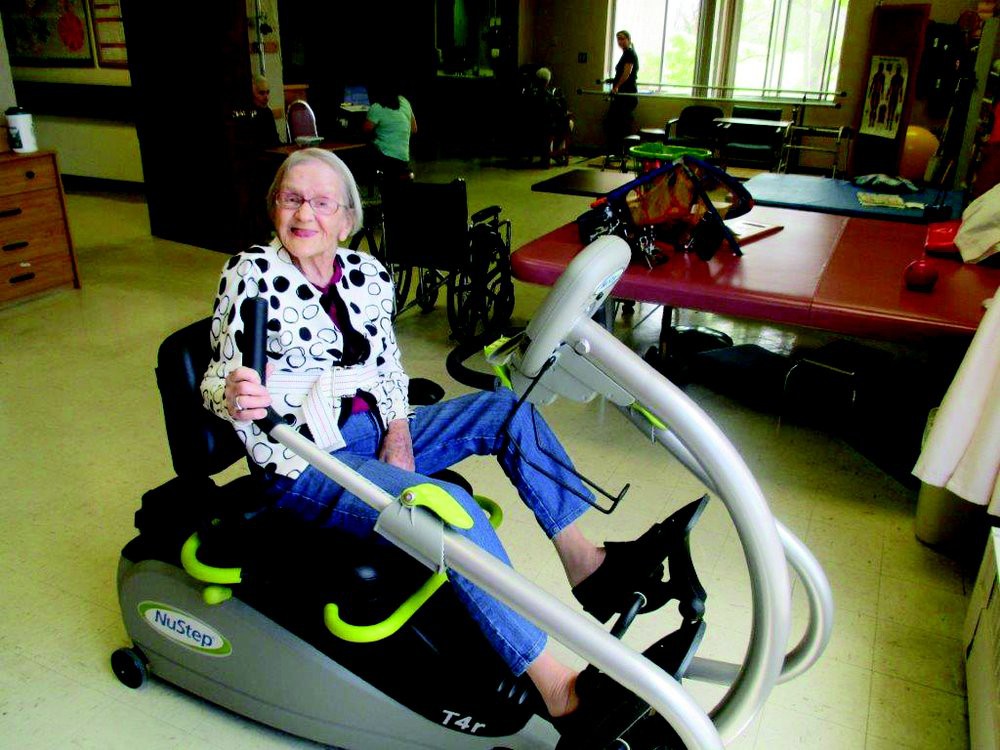
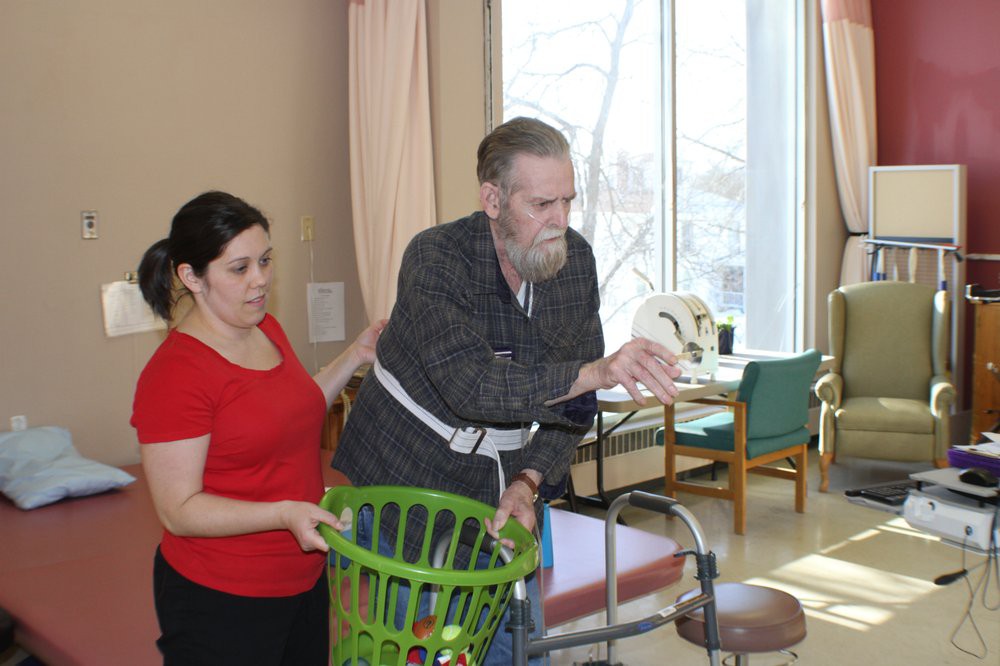
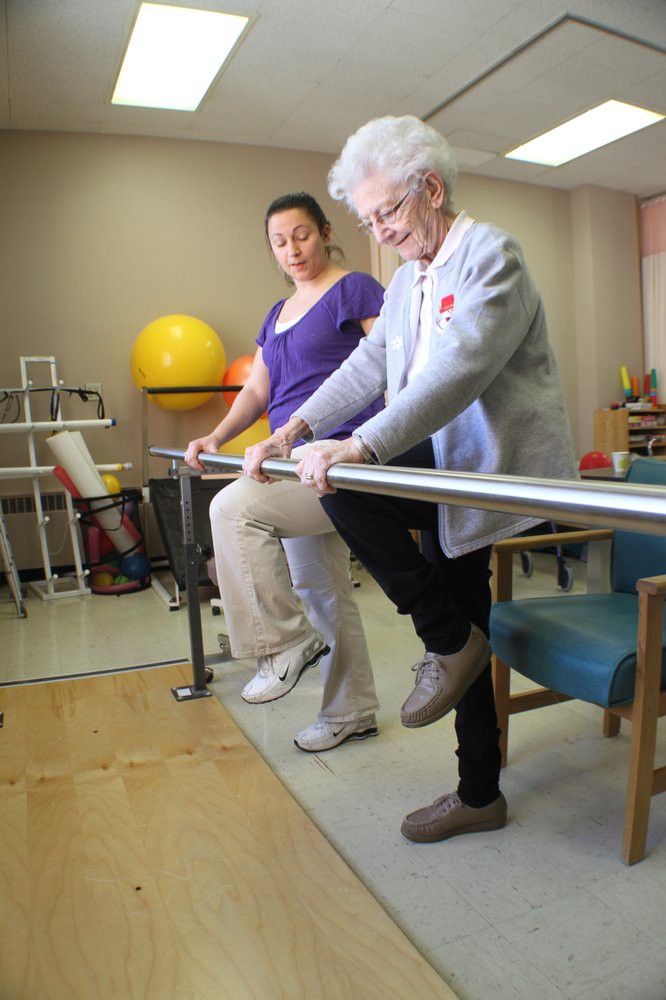
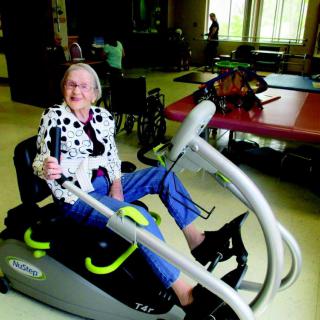
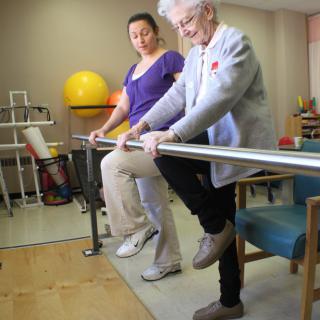
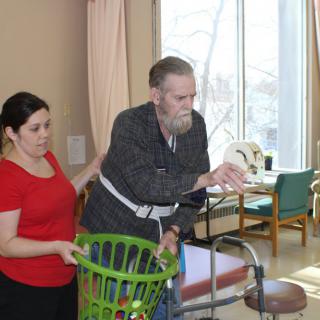
- The therapy team is wonderful and dedicated, helping patients regain independence.
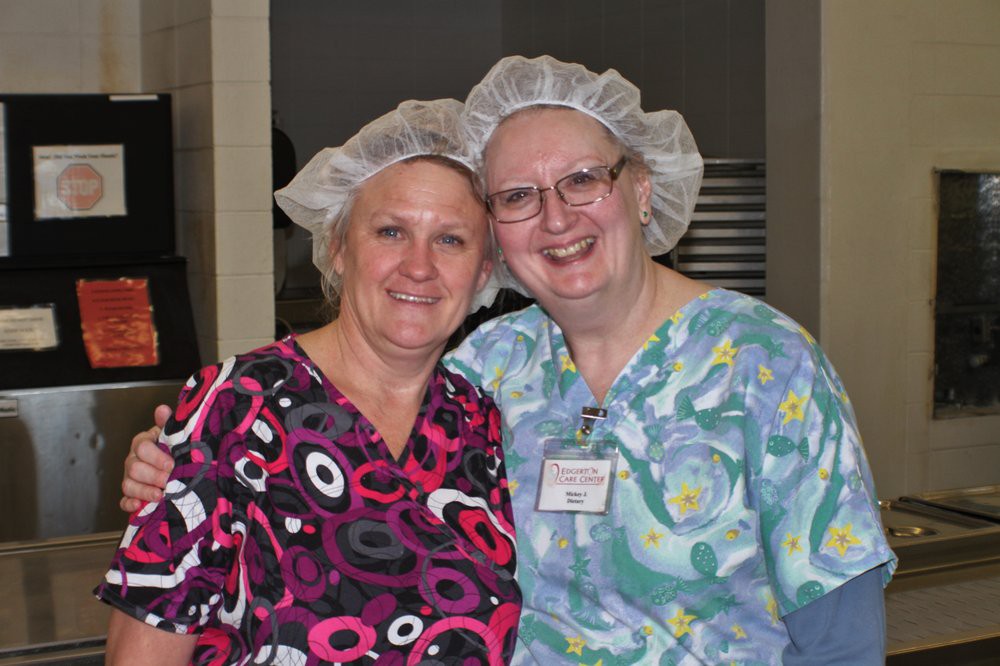
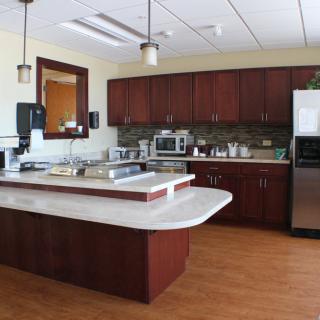
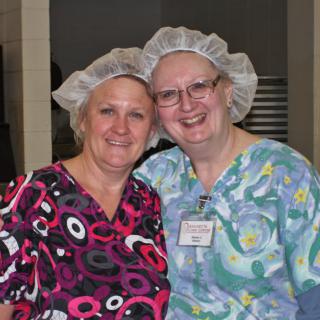
- The facility is clean and well-maintained, with supportive housekeeping and kitchen staff.
- Administration under Amy brought improvements, and staff were consistently responsive.
- End-of-life coordination with Agrace Hospice was peaceful and well-handled.
- ECC is regarded as one of the best skilled care facilities in Rock County.
Cons
 The rooms were nasty and unkept.
- The administrator was horrible, and there was a lack of a competent DON and ADON.
- The staff were rude and disrespectful, and they were rough with the residents, leading to too many falls.
- They overlooked serious health issues going on for weeks.
- The social worker made excuses and changed her story when confronted with the truth.
- The Internet service was horrible.
Review
Edgerton Care Center in Edgerton, WI is best suited for seniors who need skilled rehabilitation and a rehab-forward path back to independent living, with the added value of coordinated hospice support when that is part of the plan. The strongest case sits with residents who benefit from intensive therapy, daily bedside care, and administrators focused on making rehabilitation successful. Families that prize compassionate staff who remember personal details, like a resident’s humor or favorite foods, and who want visible improvements in mobility and safety tend to feel welcomed here. This is not a pristine, leak-proof showcase facility, but for recovery-focused care with real therapy outcomes, it often delivers.
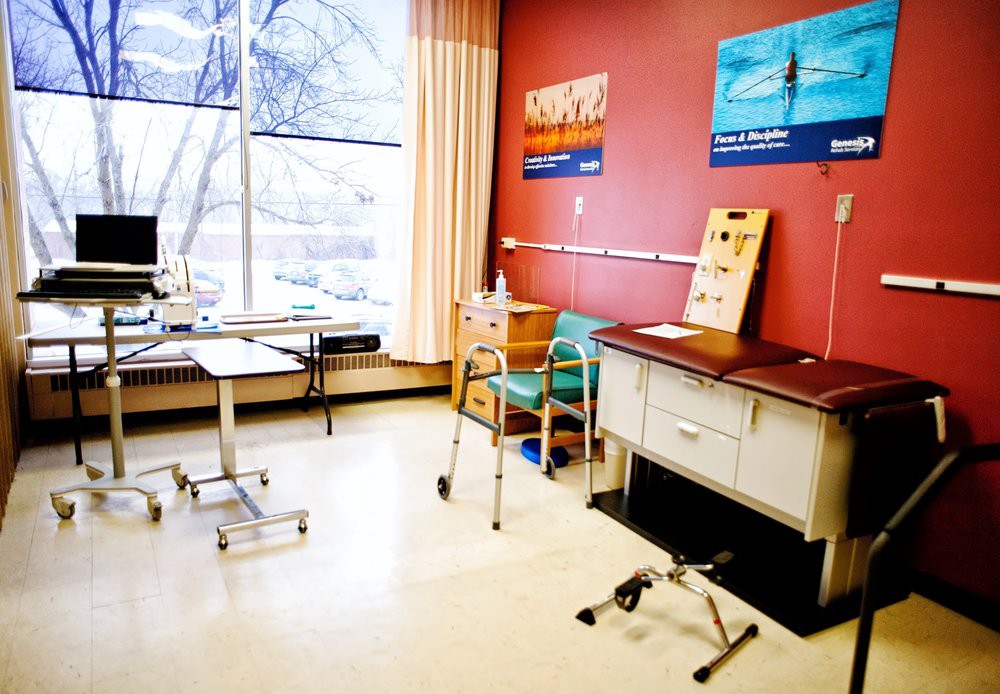
The facility’s core strengths lie in its therapy teams and the culture of care surrounding them. Multiple reviews celebrate the physical therapy and occupational therapy staff as dedicated, skilled, and genuinely invested in outcomes, with patients walking away stronger and more ambulatory. Nursing and support staff are repeatedly praised for compassion and attentiveness, and the center’s ability to coordinate with hospice services adds a meaningful layer of continuity for those facing end-of-life planning. The kitchen and housekeeping leadership receive steady commendations, and administrators who have steered the building through turnover have reenergized the operation, signaling a willingness to invest in both people and space. A remodeled rehab unit under newer management reinforces the sense that progress is ongoing.
Yet the picture is not uniformly cheerful. Several reviews point to cleanliness lapses and dated infrastructure, with specific complaints about rooms not being kept up and a call-light or communication gap that can leave a resident feeling unseen. A darker undercurrent in some reports includes concerns about staff conduct, perceived disrespect, and a sense that safety could be compromised by understaffing or turnover. Falls, inconsistent response times, and complaints about certain staff interactions appear in a subset of feedback, creating a credible caution for families that demand flawless daily operations. Internet reliability is a practical irritant for residents and families who rely on connectivity for coordination and peace of mind.
Despite these drawbacks, the positives frequently counterbalance the downsides because rehabilitation and human-centered care drive real gains. When therapy teams stay engaged and care plans are personalized, residents often regain mobility and independence at a pace that makes a difference in daily life. Improvements under new leadership, cleaner spaces, more reliable meal service, and better bedside responsiveness, show that ECC learns from criticism and adjusts. The ability to integrate hospice seamlessly and the genuine warmth of many staff members provide a reassuring backdrop for families navigating tough decisions. In short, ECC’s rehab-centric model tends to pay off for those prioritized on recovery and ongoing support.
Alternatives may be worth considering for those who demand a consistently pristine environment and zero tolerance for staffing fluctuations. Prospective residents who require rock-solid internet access, uniform maintenance, and uniformly calm, respectful interactions should compare options and probe current leadership stability, staff-to-resident ratios, and specific fall-prevention strategies. If the goal is a flawless day-to-day experience with a modern, high-tech campus, ECC may fall short of that bar and another facility could better meet those expectations.
Bottom line: Edgerton Care Center can be a strong choice for recovery-focused seniors who value aggressive therapy, compassionate care, and demonstrated improvement under active management. For families prioritizing pristine maintenance, uninterrupted leadership, and flawless daily operations, obligation dictates a careful, side-by-side comparison with alternatives. Prospective families should tour the campus, request meetings with the therapy leads and the administrator, scrutinize current staffing and safety metrics, and ask how concerns are resolved in real time. With clear priorities, ECC aligns with a recovery-first plan or points toward a better-fitting option.
 61 resident community capacity
 Skilled Nursing Facility
 Air-conditioning
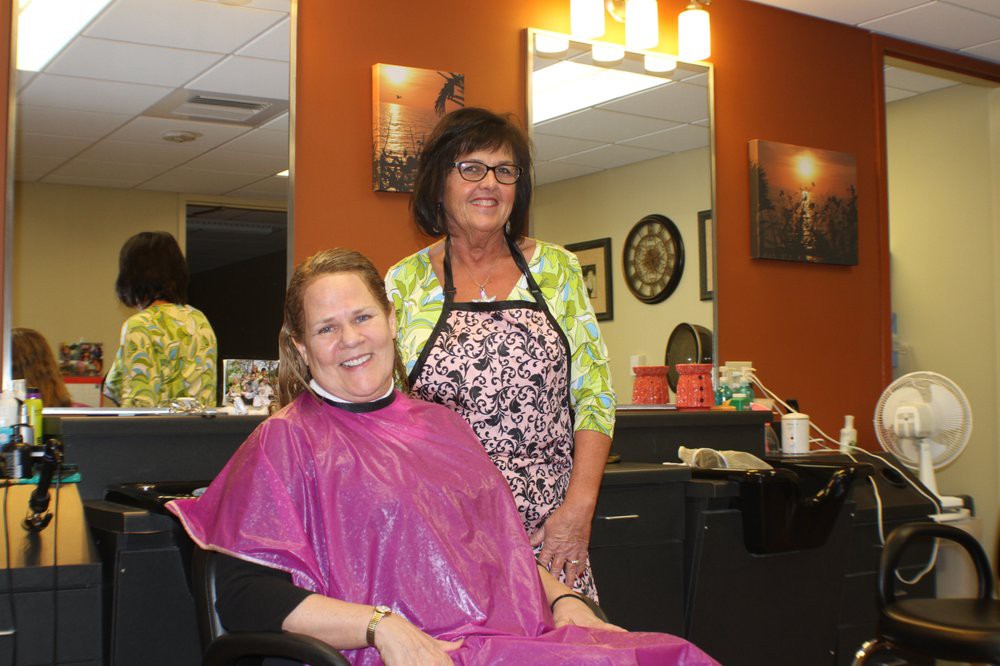
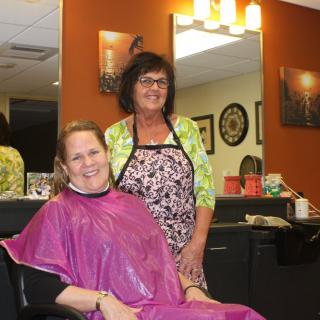
 Beauty salon
 Cable or satellite TV
 Computer center
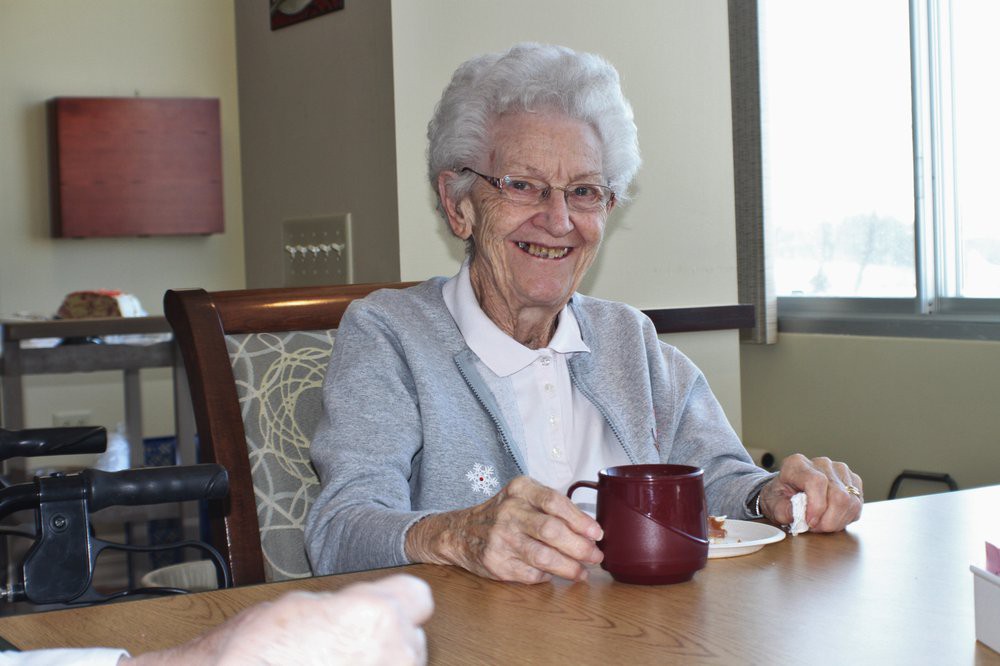
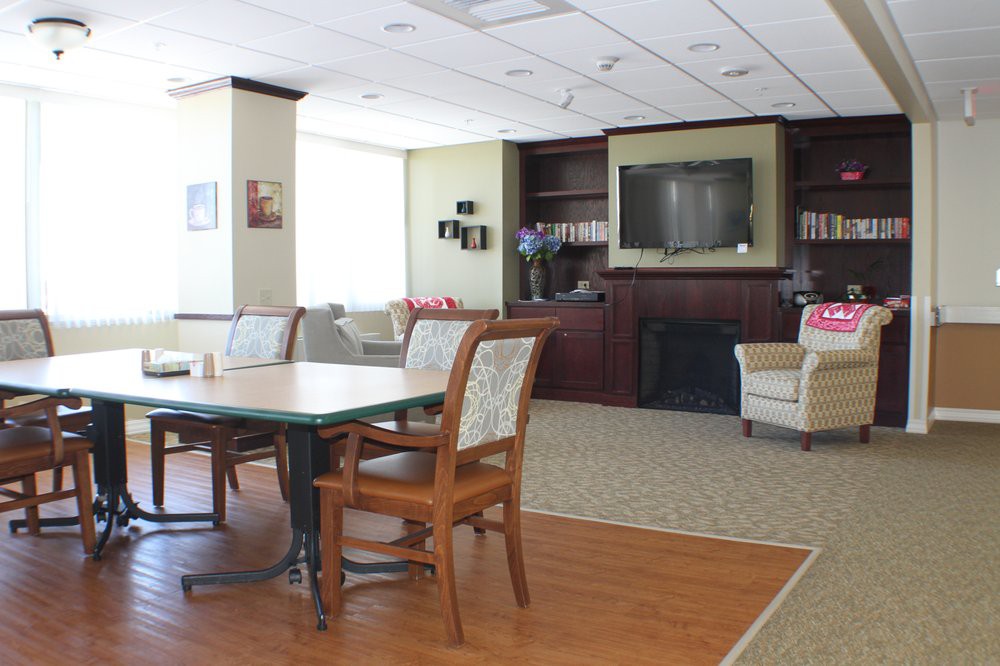
 Dining room
 Fitness room
 Fully furnished
 Gaming room
 Garden
 Housekeeping services
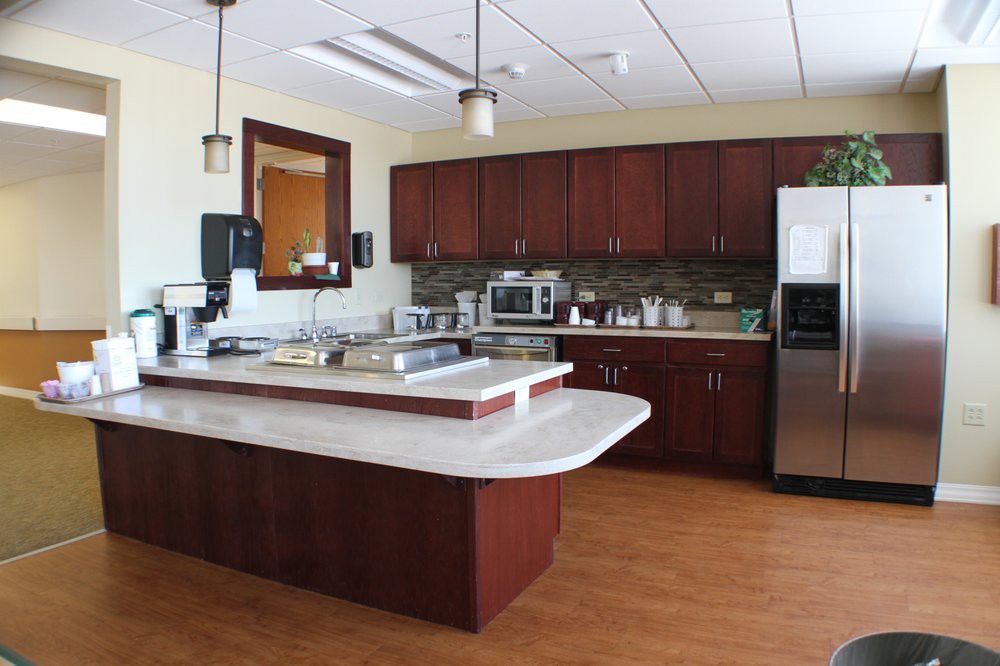
 Kitchenette
 Move-in coordination
 Outdoor space
 Private bathrooms
 Restaurant-style dining
 Small library
 Telephone
 Wellness center
 Wi-Fi/high-speed internet available
 Dane County Regional (25 miles away)
 Community operated transportation
 12-16 hour nursing
 24-hour call system
 Activities of daily living assistance
 Assistance with bathing
 Assistance with dressing
 Assistance with transfers
 Diabetes diet
 Medication management
 Mental wellness program
 Special dietary restrictions
 Concierge services
 Planned day trips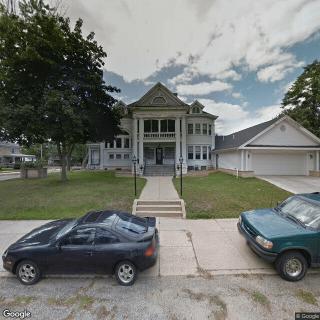



 Comprehensive Insights and Practical Strategies to Help Older Adults Avoid Falls
 6 Crucial Ways an Elder Law Attorney Assists Families
 Navigating the Tax Landscape of Caregiving: Credits, Deductions, and Beyond