
238 East Madison Avenue, Milton, WI 53563
For more information about senior living options: (866) 208-4318
Overall Review of The Heartwarming House
Pros
 The coffee shop is described as the absolute favorite.
- The daily soup is a must.
- The frappes are sugary and delicious.
Cons
 The owner is a very sick person.
- One wouldn't want any loved ones in this place.
- It’s terrible, and people should stay away.
- This facility has bed bugs.
- They definitely wouldn't recommend it to families.
Review
The Heartwarming House in Milton, WI is best suited for families that place cost and proximity above all else and can tolerate a volatile leadership environment and significant safety concerns. This is not a turn-key option for residents who require steady oversight, predictable routines, or reliable cleanliness. The decision to consider this community should come with the caveat that deeply troubling signals, ranging from concerns about owner health to serious pest issues, cast a long shadow over everyday care expectations. Families evaluating options should be prepared to supervise closely and to accept the possibility that price savings come at the expense of consistent, quality care.
Those who should consider alternatives are families prioritizing safety, transparency, and professional management. Any resident with complex medical needs, mobility limitations, or cognitive issues that demand reliable medication management and vigilant monitoring should seek a community with established leadership, stable staffing, and a clean track record. Prospective residents should demand up-to-date inspection histories, pest-control records, and clear lines of accountability. If a move is contemplated, engaging with a few other facilities that can demonstrate consistent operations will prevent compromising both safety and peace of mind.
The main drawbacks here are consequential and balanced by few compensating factors. The most critical concern is governance tied to the owner’s health, which can translate into inconsistent decision-making and care planning. That instability tends to ripple into daily operations, staffing reliability, and the ability to execute individualized care plans. A second, nontrivial red flag is a pest-control issue described as bed bugs, which directly undermines comfort, sleep quality, and infection-control standards. When leadership and cleanliness are both unsettled, the overall risk to residents’ well-being increases, especially for those with higher care needs or sensitivity to environmental conditions.
There are mentions of positive experiences in the form of high ratings from a minority of reviewers, suggesting that certain aspects might work well for some individuals, potentially related to affordability, location, or a perceived homelike setting. However, these favorable impressions do not negate the central reliability gaps. In practice, a couple of glowing reviews cannot offset persistent concerns about governance, housekeeping, and pest management. The takeaway is clear: the favorable voices indicate isolated satisfaction rather than a dependable pattern of quality and safety.
Families evaluating seriously should pursue a rigorous on-site assessment. Concrete steps include inspecting living spaces for cleanliness, asking for pest-control logs and the latest deficiency reports, and observing staff responsiveness during a timed interaction. Meeting the administrator and any available director of nursing is essential to gauge communication style, responsiveness, and accountability. Request current inspection outcomes, staffing levels, turnover rates, and references from current residents and families. If a decision leans toward trial, consider a short-term arrangement to test responsiveness, cleanliness, and overall safety before committing to a longer stay.
The bottom line is pragmatic and uncompromising. The Heartwarming House presents a combination of affordability potential and warning-sign indicators that should alert families to proceed with extreme caution. For those with even modest tolerance for risk, it could serve as a temporary, highly supervised stopgap; for most seniors and their loved ones, this option is not the default recommendation. Strong emphasis should be placed on exploring better-run communities with transparent ownership, consistent staffing, and proven pest-control practices. In the end, the prudent course is to prioritize environments where governance is stable, cleanliness is verifiable, and safety is consistently demonstrable, rather than hoping for improvement from a setup shaped by health and management uncertainties.
 16 resident community capacity
 Assisted Living
 Board and Care Home
 Memory Care
 Cable or satellite TV
 Dining room
 Fully furnished
 Garden
 Housekeeping services
 Move-in coordination
 Outdoor space
 Telephone
 Wi-Fi/high-speed internet available
 24-hour supervision
 Activities of daily living assistance
 Assistance with bathing
 Assistance with dressing
 Assistance with transfers
 Diabetes diet
 Hospice waiver
 Meal preparation and service
 Medication management
 Mental wellness program
 Special dietary restrictions
 Transportation arrangement (medical)
 Transportation to doctors appointments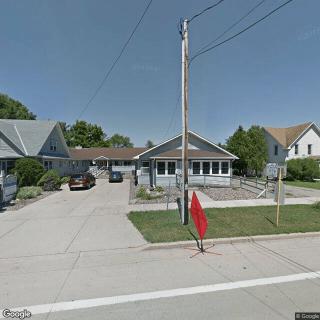



 A Detailed Exploration of Assisted Living Medicaid Waivers Across the United States
 Exploring the Contrasts Between Assisted Living and Skilled Nursing
 Vibrant Senior Living: A Comprehensive Guide for Active Older Adults