Our House Senior Living - Janesville Memory Care in Janesville, WI

Save

Our House Senior Living - Janesville Memory Care in Janesville, WI

4333 Pheasant Run Road, Janesville, WI 53546

For more information about senior living options: (844) 490-3973

3.7 from 3 reviews
5 stars
1
4 stars
1
3 stars
0
2 stars
1
1 stars
0

Assisted Living Board and Care Home Memory Care

Overall Review of Our House Senior Living - Janesville Memory Care

Pros

  • pro The Janesville facility was pleasant and nice.
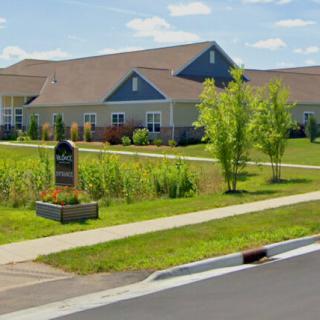
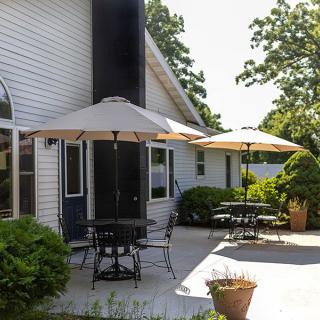
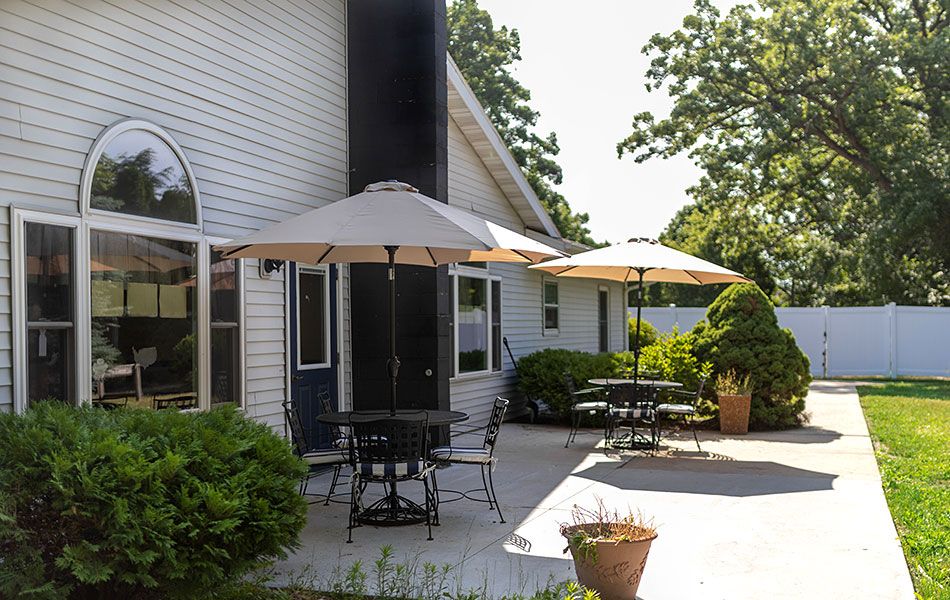
  • pro The grounds and the people appeared to be very nice.
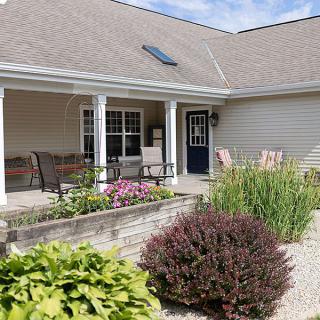
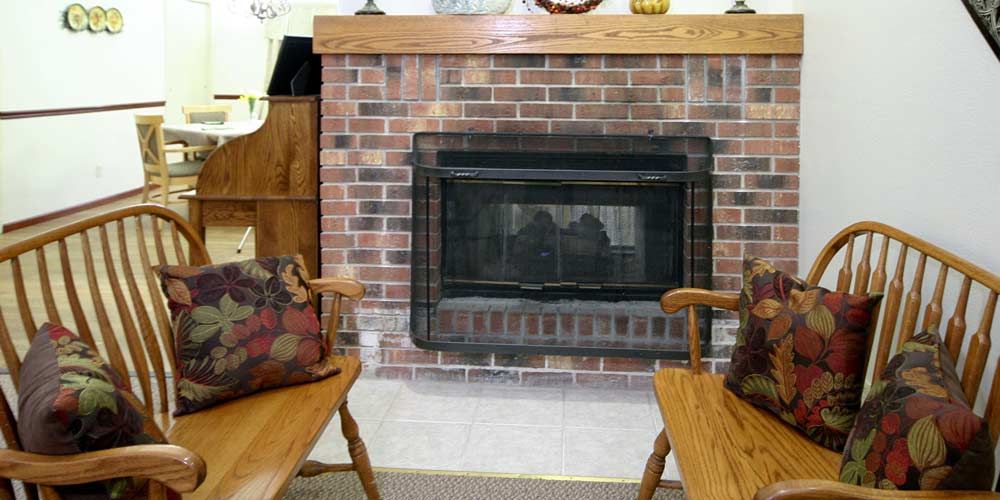
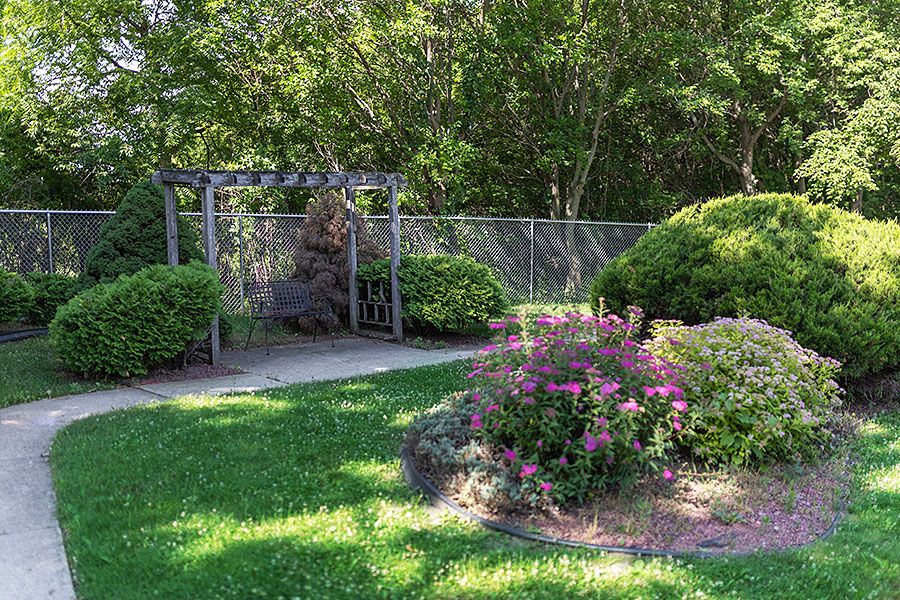
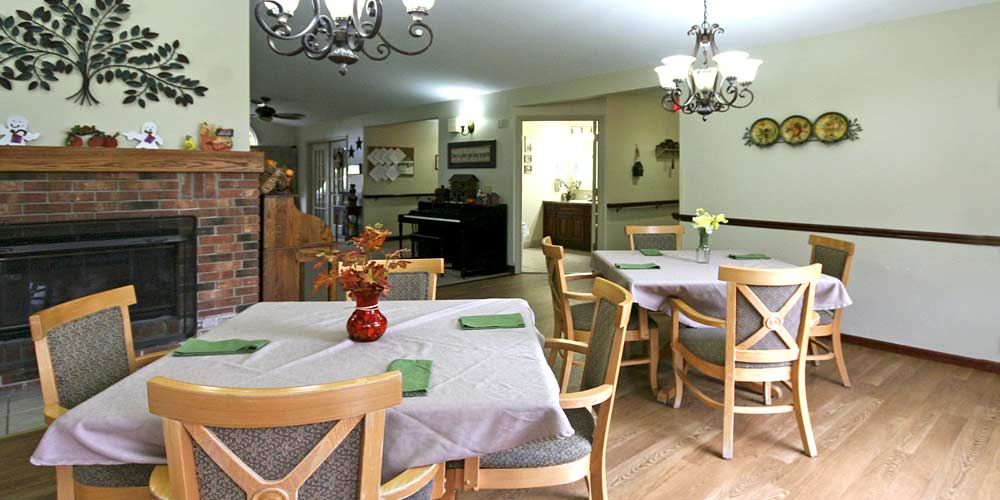
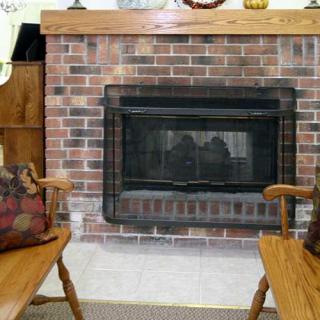
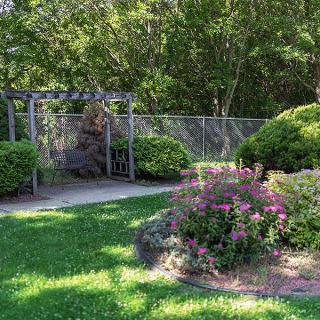
  • pro They have a garden, a fireplace, and a crafts person.
  • pro They seemed to have staff who were genuinely involved with the residents.
  • pro The experience at Our House, Janesville Memory Care, was really good.
  • pro The resident gained some weight and liked the staff who cared for him.
  • pro The family felt involved in the decisions being made.
  • pro The property was clean and the grounds were nice.

Cons

  • pro They would like better communication regarding activities for families to be involved in.
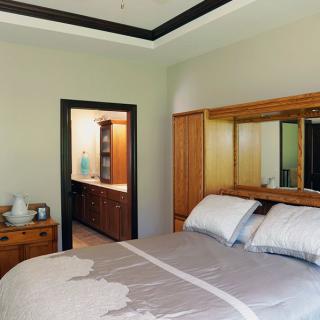
  • pro The rooms did not have private bathrooms, requiring residents to share toilet facilities.
  • pro They disliked not having a private toilet, which affected routines like fixing hair in the morning.
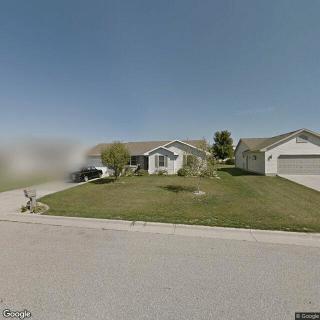
  • pro The facility looked like a large house that had been converted into 16 bedrooms.

Review

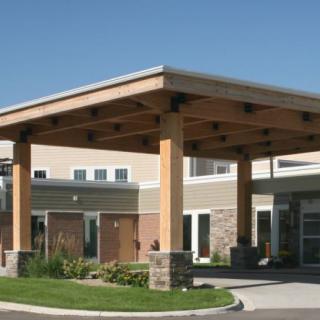
This community is best suited for memory care residents who thrive in a home-like, intimate setting and for families intent on staying closely involved in daily care decisions. Our House Janesville Memory Care offers a warm, approachable environment where residents can enjoy a garden, a cozy fireplace, and hands-on activities led by a crafts-focused staff. The culture appears to attract families and caregivers who place a premium on warmth, small-group interaction, and meaningful routines. For seniors who value a sense of belonging, regular family presence, and accessible, person-centered engagement, this setting can be a natural fit.

Those evaluating this option should consider alternatives if privacy in living spaces or a more clinical, predictable layout matters. The most consistently noted drawback is the absence of private bathrooms in individual rooms, requiring use of shared community facilities. That arrangement complicates routines for mornings and personal grooming and can feel like a compromise for residents who prize independence. Additionally, the space reads as a large house converted into 16 bedrooms, which may not meet expectations for traditional memory-care corridors or purpose-built environments. Finally, while family involvement is encouraged, some families would like more proactive and predictable communication about activities and participation opportunities.

The positives show up in several tangible ways. The grounds and interior ambiance are inviting, with appealing amenities that foster comfort and engagement. A sense of community emerges from staff interactions and the presence of activities that emphasize crafts and social connection, which can keep residents engaged and content. Families repeatedly report being welcomed into care decisions and seeing tangible benefits in their loved ones, including improved appetite and enjoyment of meals and music. Meal quality and rhythmic programming around holidays contribute to a meaningful daily life, and the ability for families to stay connected to the care plan adds a reassuring layer of involvement.

Yet the cons are not trivial. The lack of en-suite facilities means ongoing reliance on shared restrooms, which can disrupt routines and privacy for both residents and their families. The house-like layout, while cozy, may be disorienting for memory-impaired individuals who benefit from clearer wayfinding and more conventional care-campus structures. The communication gap around activities is another practical concern; when families are not consistently updated, opportunities to participate or plan joint experiences can be missed, reducing the perceived alignment between care and family expectations.

For families prioritizing warmth, daily attention, and a nurturing atmosphere, the strengths often outweigh the drawbacks. The combination of a small-community feel, engaged caregivers, and a focus on social nourishment tends to translate into reliable daily routines and lower anxiety for residents, particularly when care teams demonstrate consistency and responsiveness. The real-world signals - stable weight gain, positive caregiver interactions, and welcome family visits - suggest a team that knows residents well and responds to individual preferences. In such cases, shared bathrooms become a trade-off acceptable to those who value a homelike cadence and ongoing family collaboration.

Before making a decision, it is prudent to verify privacy options on specific floor plans, confirm whether any private bathrooms are available in certain rooms, and understand the process for coordinating family participation in activities. Prospective families should request current resident and family perspectives on communication effectiveness and review sample activity calendars to gauge transparency and timing. If privacy, private en-suites, or more defined memory-care corridors are non-negotiables, this facility may fall short; if a homey, engagement-driven environment with strong family involvement is paramount, it warrants serious consideration. The choice should align with core priorities: privacy, structure, and ongoing family collaboration.

Features

Housing

  • 16 resident community capacity 16 resident community capacity
  • 1-bedroom apartments 1-bedroom apartments1-bedroom apartments are important for seniors because they provide a sense of independence, privacy, and autonomy while still offering the necessary space for comfortable living. These apartments allow seniors to maintain their own personal space and lifestyle preferences in a supportive community setting.

Types of Care

  • Assisted Living Assisted LivingAssisted living facilities provide crucial support and care for seniors who may need help with daily tasks such as medication management, bathing, and meal preparation. These communities offer a safe and comfortable environment where seniors can maintain their independence while receiving the assistance they need to thrive in their golden years.
  • Board and Care Home Board and Care HomeBoard and care homes provide a smaller, more intimate setting for seniors who require assistance with daily tasks but do not need the level of care offered by a nursing home. They offer personalized care, meals, and social activities in a homelike environment, ensuring that seniors receive individualized attention and support in their golden years.
  • Memory Care Memory CareMemory care is crucial for seniors as it provides specialized support and services for individuals with dementia or Alzheimer's disease. These programs offer a safe and secure environment where residents receive personalized care, cognitive stimulation, and help with daily activities. Memory care helps seniors maintain their independence, quality of life, and dignity while also providing peace of mind for their families.

Amenities

  • Cable or satellite TV Cable or satellite TVCable or satellite TV is important for seniors because it provides entertainment, news, and companionship, helping to combat loneliness and boredom. It also offers a wide range of programming options tailored to different interests and preferences.
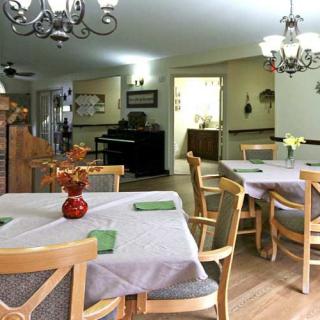
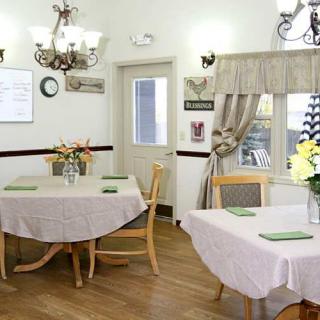
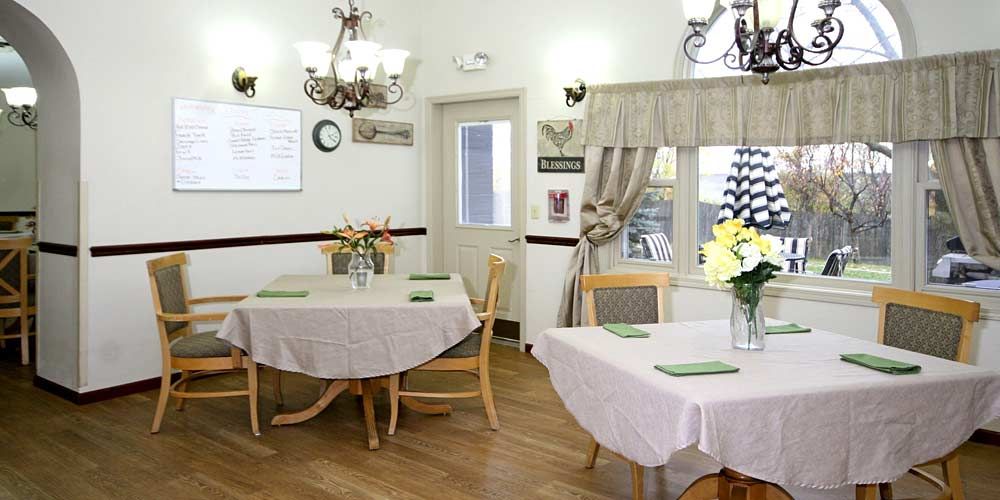
  • Dining room Dining roomDining rooms are important for seniors as they provide a space for socialization, connection, and nutritious meals. They offer opportunities for residents to bond over shared meals, foster a sense of community, and promote healthy eating habits. Dining rooms also ensure that seniors have access to well-balanced meals tailored to their dietary needs and preferences.
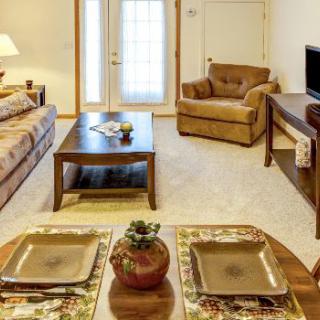
  • Fully furnished Fully furnishedFully furnished senior living communities are important for seniors because they provide convenience, comfort, and a hassle-free moving experience. Seniors can easily settle into their new living space without the stress of having to buy and move furniture. This allows them to focus on enjoying their new home and community.
  • Garden GardenGardens are important for seniors as they provide a peaceful and therapeutic environment for relaxation, physical activity, and socialization. Being in nature has been shown to reduce stress, improve mood, and promote overall well-being. Gardens also offer opportunities for seniors to engage in gardening activities, which can improve mobility, flexibility, and cognitive function. Additionally, gardens create a sense of community and connection with others who share a passion for plants and outdoor spaces.
  • Housekeeping services Housekeeping servicesHousekeeping services are important for seniors because they help maintain a clean and safe living environment, promote independence, and reduce the risk of accidents or illnesses. Additionally, having assistance with household chores can alleviate physical strain and allow seniors to focus on other aspects of their well-being.
  • Move-in coordination Move-in coordinationMove-in coordination is important for seniors because it helps ease the transition into their new living environment. It ensures that all logistics, such as packing, organizing movers, and setting up utilities are taken care of, allowing seniors to focus on settling in and adjusting to their new home. Having a smooth move-in process can alleviate stress and anxiety, making the transition smoother and more enjoyable for seniors.
  • Outdoor space Outdoor spaceOutdoor spaces are important for seniors as they provide opportunities for physical activity, social interaction, exposure to natural light and fresh air, and a sense of connection to nature. Having access to outdoor spaces can improve overall well-being and quality of life for older adults living in senior communities.
  • Telephone TelephoneTelephones are important for seniors as they provide a lifeline for communication with loved ones, emergency services, and healthcare providers. They offer a sense of security and independence, enabling seniors to stay connected and access assistance when needed.
  • Wi-Fi/high-speed internet available Wi-Fi/high-speed internet availableWi-Fi/high-speed internet is important for seniors to stay connected with loved ones, access online resources, and participate in virtual activities to combat feelings of loneliness and isolation. It also allows them to easily manage healthcare needs, access entertainment, and engage in lifelong learning opportunities.

Care Services

  • 24-hour supervision 24-hour supervision24-hour supervision is important for seniors to ensure their safety, well-being, and access to immediate assistance in case of emergencies or health issues. This constant support provides peace of mind for both seniors and their loved ones, allowing them to age in place with dignity and security.
  • Activities of daily living assistance Activities of daily living assistanceActivities of daily living assistance are important for seniors because they provide essential support with tasks such as eating, bathing, dressing, and mobility. This assistance helps seniors maintain their independence, dignity, and overall quality of life as they age.
  • Assistance with bathing Assistance with bathingAssistance with bathing is crucial for seniors as it helps maintain personal hygiene, prevents infections, and ensures their overall well-being and comfort. It also provides a sense of dignity and independence for seniors who may struggle with this task on their own.
  • Assistance with dressing Assistance with dressingAssistance with dressing is important for seniors because it helps maintain their independence, promotes personal hygiene, prevents accidents and injuries, and improves overall quality of life. This service ensures that seniors can continue to dress comfortably and confidently, despite any physical limitations they may have.
  • Assistance with transfers Assistance with transfersAssistance with transfers is crucial for seniors as it helps prevent falls and injuries, maintains their independence, and ensures they can safely navigate their living environment. It also provides peace of mind for both seniors and their loved ones.
  • Coordination with health care providers Coordination with health care providersCoordination with health care providers is crucial for seniors to ensure proper medical care, medication management, and overall well-being. This collaboration helps prevent overlapping treatments, track progress more effectively, and provide comprehensive support tailored to individual needs.
  • Dementia waiver Dementia waiverDementia waivers are essential for seniors as they provide critical protections and accommodations for those experiencing cognitive decline. These waivers ensure individuals with dementia receive appropriate care, support, and resources to maintain their quality of life and dignity as they navigate the challenges of this progressive condition.
  • Diabetes diet Diabetes dietA diabetes diet is crucial for seniors as it helps manage blood sugar levels, reduce risks of complications, and improve overall health and well-being. By following a balanced and nutritious diet tailored to their specific needs, seniors can better control their diabetes and enhance their quality of life.
  • Hospice waiver Hospice waiverHospice waivers are important for seniors because they allow individuals to receive specialized end-of-life care and support at home or in a hospice facility. This waiver ensures that seniors can access the necessary resources and services to maintain comfort and dignity during their final days.
  • Meal preparation and service Meal preparation and serviceMeal preparation and service are crucial for seniors as they may have limited mobility or energy to cook nutritious meals. Having access to healthy and convenient food options can ensure they are getting the proper nutrition needed to maintain their overall health and well-being.
  • Medication management Medication managementMedication management is crucial for seniors to ensure they are taking the right medications at the correct dosages and times. This helps prevent adverse drug interactions, reduces the risk of medication errors, and promotes overall health and well-being. Proactive management also allows for adjustments as needed based on changing health conditions or new prescriptions.
  • Mental wellness program Mental wellness programMental wellness programs are essential for seniors as they promote cognitive stimulation, emotional support, and social engagement. These programs help prevent isolation, depression, and cognitive decline, ultimately enhancing the overall quality of life for older adults.
  • Mild cognitive impairment Mild cognitive impairment"Mild cognitive impairment" is important for seniors because it is an early stage of cognitive decline that can potentially progress to more severe conditions such as dementia. Recognizing and addressing mild cognitive impairment can help seniors receive appropriate care and support to maintain their quality of life and independence for as long as possible.
  • Special dietary restrictions Special dietary restrictionsSpecial dietary restrictions are important for seniors because age-related changes in metabolism and health conditions can make it difficult for their bodies to process certain foods. By following a diet tailored to their specific needs, seniors can maintain their overall health and well-being, manage chronic conditions, and reduce the risk of complications such as malnutrition or food interactions with medications.
  • Specialized memory care programming Specialized memory care programmingSpecialized memory care programming is crucial for seniors with cognitive impairments such as dementia or Alzheimer's disease. These programs provide a safe and supportive environment tailored to the unique needs of individuals with memory loss, helping them maintain their independence, dignity, and quality of life.
  • Transportation arrangement (medical) Transportation arrangement (medical)Transportation arrangements for medical purposes are essential for seniors as they may have difficulty driving themselves to appointments or accessing public transportation. Having reliable and safe transportation options ensures that seniors can receive timely medical care and maintain their health and well-being.
  • Transportation to doctors appointments Transportation to doctors appointmentsTransportation to doctors' appointments is crucial for seniors as it ensures they have access to necessary medical care and support for their health needs. Without reliable transportation, seniors may struggle to attend important appointments, leading to potential delays in treatment and health complications. Providing transportation services helps seniors maintain their overall well-being and quality of life.
Dining

  • Diabetes diet Diabetes dietA diabetes diet is crucial for seniors as it helps manage blood sugar levels, reduce risks of complications, and improve overall health and well-being. By following a balanced and nutritious diet tailored to their specific needs, seniors can better control their diabetes and enhance their quality of life.
  • Special dietary restrictions Special dietary restrictionsSpecial dietary restrictions are important for seniors because age-related changes in metabolism and health conditions can make it difficult for their bodies to process certain foods. By following a diet tailored to their specific needs, seniors can maintain their overall health and well-being, manage chronic conditions, and reduce the risk of complications such as malnutrition or food interactions with medications.

Activities

  • Community-sponsored activities Community-sponsored activitiesCommunity-sponsored activities are important for seniors as they provide opportunities for social interaction, mental stimulation, and physical activity. These activities can help improve overall well-being, combat loneliness and isolation, and promote a sense of belonging and purpose among older adults.
  • Scheduled daily activities Scheduled daily activitiesScheduled daily activities are important for seniors because they provide structure, socialization, mental stimulation, and physical activity. Engaging in regular activities can improve overall well-being and quality of life for seniors living in a community setting.

Description

Our House Senior Living - Janesville Memory Care in Janesville, WI is an assisted living community that specializes in memory care for individuals with Alzheimer's disease and other forms of dementia.

Residents at Our House Senior Living can expect a comfortable and fully furnished living arrangement, complete with all the amenities they need for a fulfilling and independent lifestyle. The dining room provides nutritious meals while accommodating special dietary restrictions. Housekeeping services ensure that residents' living spaces are kept clean and tidy.

The community also offers various outdoor spaces, including gardens, where residents can relax and enjoy the fresh air. There is also Wi-Fi/high-speed internet access available throughout the facility, allowing residents to stay connected with their loved ones or enjoy their favorite online activities.

Care services provided at Our House Senior Living include assistance with daily activities such as bathing, dressing, and transfers. The staff also coordinates with health care providers to ensure that residents receive the medical attention they require. Additionally, there are specialized memory care programs to support those with cognitive impairments.

Transportation arrangements can be made for medical appointments, and there are nearby cafes, parks, pharmacies, physicians, restaurants, places of worship, and hospitals to provide convenience to residents.

At Our House Senior Living - Janesville Memory Care, we strive to create a warm and nurturing environment where our residents can feel safe and supported while enjoying a meaningful quality of life.

Nearby Places of Interest

Pharmacies

  • Walgreens (0.2 miles)
  • CVS Pharmacy (0.8 miles)
  • CVS Pharmacy (2.1 miles)
  • Walgreens (2.1 miles)
  • Schnucks (2.2 miles)
  • Mercy Clinic East (2.6 miles)
  • Mercy Mall Pharmacy (3.5 miles)

Restaurants

  • Cracker Barrel (0.4 miles)
  • Chipotle Mexican Grill (0.7 miles)
  • Arby's (0.7 miles)
  • Milwaukee Grill (0.8 miles)
  • Panda Express (0.8 miles)
  • MOD Pizza (0.8 miles)
  • Five Guys Burgers & Fries (0.9 miles)

Hospitals

  • PokéCenter (0.5 miles)
  • Mercy Hospital and Trauma Center Emergency North (0.9 miles)
  • Mercy Clinic North (0.9 miles)
  • Fineryou Medical Spa (1.1 miles)
  • Mercy Health System (3.8 miles)
  • Mercy Hospital and Trauma Center (3.8 miles)
  • Mercy Labor and Delivery Unit (3.8 miles)

Physicians

  • Mercyhealth North (0.9 miles)
  • Center for Oral, Facial and Implant Surgery (1.1 miles)
  • generationMe (1.4 miles)
  • Dr. Chad Parks (1.5 miles)
  • Miracle-Ear Hearing Aid Center (1.5 miles)
  • Premier Oral and Maxillofacial Surgery (2.1 miles)
  • DaVita Janesville Dialysis (2.4 miles)

Cafes

  • Panera Bread (1.2 miles)
  • Starbucks (1.2 miles)
  • Jeff's Coffee Bar (3.6 miles)
  • Mocha Moment (5.1 miles)

Places of Worship

  • Foundation Bible Church (2.1 miles)
  • St John Vianney Catholic Church (3.9 miles)
  • Milton Preschool Learning Center (4.2 miles)
  • St William Parish (4.3 miles)

Parks

  • Traxler Park (3.6 miles)
  • Palmer Park (3.9 miles)

Frequently Asked Questions

What floor plans and room types does Our House Senior Living - Janesville Memory Care offer?
Where is Our House Senior Living - Janesville Memory Care?
Does Our House Senior Living - Janesville Memory Care provide care for residents with dementia or Alzheimer's disease?
What photos are available for Our House Senior Living - Janesville Memory Care in Janesville, Wisconsin?

Nearby Communities

  • Our House Senior Living Memory Care - Janesville

    Our House Senior Living Memory Care - Janesville

    Janesville, WI

    4.8 from 22 reviews
    $2,820 to $5,000 / month

    pro Compassionate, personalized care in a clean, home-like memory care setting.

  • Willard Haus Apartments

    Willard Haus Apartments

    Janesville, WI


    pro Independent living with easy access to healthcare, dining, and parks nearby.

  • Huntington Place

    Huntington Place

    Janesville, WI

    4.2 from 98 reviews
    $1,520 to $2,600 / month

    pro Caring staff in a clean, engaging setting.

  • Willowick

    Willowick

    Janesville, WI

    4.3 from 27 reviews
    $3,750 to $4,050 / month

    pro Strong staff-to-resident ratio and a welcoming, well-maintained environment with chef-prepared meals.

  • Guardian Angel Assisted Living

    Guardian Angel Assisted Living

    Janesville, WI

    4.2 from 6 reviews
    $2,900 to $4,547 / month

    pro Welcoming ranch-style setting with well-maintained grounds, friendly staff, and engaging activities.

  • Our House Senior Living - Janesville Assisted Care

    Our House Senior Living - Janesville Assisted Care

    Janesville, WI

    4 from 53 reviews
    $3,985 / month

    pro Clean, well-maintained facility with friendly staff and a homey, small-community atmosphere and on-site activities.

  • Oak Park Place Of Janesville Rcac

    Oak Park Place Of Janesville Rcac

    Janesville, WI

    3.7 from 79 reviews
    $2,672 to $3,120 / month

    pro Beautiful, modern facility with spacious apartments and active on-site programs.

  • Cedar Crest

    Cedar Crest

    Janesville, WI

    4.1 from 23 reviews
    $1,250 to $7,230 / month

    pro Welcoming staff with a continuum of care (CCRC) and strong on-site amenities.

  • Edgerton Care Center

    Edgerton Care Center

    Edgerton, WI


    pro Extensive amenities and 24/7 care.

Related Resources

  • memory care activitiesEngaging Memory Care Activities That Enhance Quality of Life

    Memory care activities are essential for improving the quality of life of seniors with cognitive impairments, as they stimulate cognitive function, promote well-being, and encourage social interaction through tailored strategies. These activities combine structured exercises with spontaneous tasks, sensory engagement, physical workouts, creative pursuits, and intergenerational interactions to enhance emotional connection and a sense of purpose.

  • when to move from assisted living to memory careWhen to Transition from Assisted Living to Memory Care: Key Indicators, Steps, and Finding the Right Community

    Transitioning from assisted living to memory care is driven by an individual's cognitive decline and specific needs, requiring careful evaluation of indicators like increased confusion and wandering. The process involves consulting medical professionals, researching suitable communities, considering financial and legal aspects, and ensuring effective communication for personalized care plans.

  • assisted living vs memory careUnderstanding the Distinctions: Assisted Living and Memory Care Explained
    The article differentiates between assisted living and memory care, explaining that assisted living supports seniors with daily activities while promoting independence, whereas memory care provides specialized services for individuals with dementia, focusing on secure environments and cognitive support. It also addresses staff training, safety considerations, costs, family involvement, and transition strategies for families navigating these care options.