

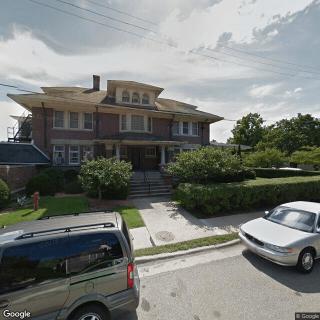
119 S Parker Dr, Janesville, WI 53545
To contact a resident: (608) 756-0374
For more information about senior living options: (866) 208-4318
Overall Review of Mercy Manor
Pros
 The life-saving surgery by Dr Rust and his team at Mercy Trama Center was paired with exceptional care.
- The staff went above and beyond the call of duty.
- The rehab team did everything they could for the patient’s recovery.
- The nurses soothed the pain and the depression that can come with a long hospital stay.
- The patient will always feel grateful for the care received there.
Review
Mercy Manor in Janesville is best suited for seniors who are transitioning from a hospital stay and need focused short-term rehabilitation with strong medical and nursing support. The nearby Mercy Trauma Center connection provides a clear continuum of care, and the reviews highlight a rehabilitation-and-nursing environment that prioritizes recovery, pain control, and mood stabilization during a challenging recovery period. This is not a place aimed at long-term independence but rather a bridge to regain function and return home or move on to a lower level of care after acute treatment. For families prioritizing hands-on, attentive rehab, Mercy Manor stands out as a practical, destination-worthy option.
Those considering alternatives should keep a sharper eye on long-term living needs. If a resident requires ongoing daily living assistance, memory care, or a broader menu of social activities and long-term care amenities, Mercy Manor may not fully meet those expectations based on the available information. Families seeking detailed transparency on pricing, contract terms, and the extent of 24/7 support beyond the rehab window may want to compare other communities. In short, Mercy Manor delivers exceptionally for short-term recovery; it may be less optimal for residents prioritizing sustained, lifelong independence or specialized dementia care.
The strongest pro set at Mercy Manor centers on the human side of care. Staff are described as going above and beyond, with a rehab team that is dedicated to facilitating recovery and a nursing team that soothes pain and helps manage the emotional strain that accompanies lengthy hospital stays. The experience suggests a culture of responsiveness, empathy, and practical problem-solving at the bedside. For families weighing outcomes, these elements are not merely pleasant add-ons; they are central to physical recovery, adherence to therapy plans, and a more tolerable rehabilitation journey overall.
Related cons are limited in the reviews but worth acknowledging. The primary information available focuses on short-term rehab experiences tied to the trauma-recovery pathway, leaving questions about long-term care options, ongoing daily living supports, and detailed programming after discharge. Without explicit data on long-term housing, meal plans, or activity schedules, families should verify whether Mercy Manor can accommodate anticipated needs beyond rehab, including ongoing medical management, transportation, and post-acute care coordination. This lack of long-range detail is the most notable gap influencing decision-making for those planning extended stays.
Still, the impressive rehab-centric strengths substantially offset these ambiguities for the intended use. When the goal is to maximize recovery potential after hospitalization, the combination of expert rehab services and empathetic nursing care directly addresses the core risks, pain, mood disruption, and functional setbacks, that often derail post-acute recovery. The ability of the staff to soothe both physical discomfort and emotional strain can shorten rehab timelines and improve participation in therapy, outcomes that matter most to families seeking a safe route back to independence or to a more appropriate next setting.
Ultimately, Mercy Manor emerges as a confident recommendation for post-acute recovery linked to Mercy’s trauma-care ecosystem. It is a practical, results-oriented choice for seniors who need skilled rehab and steady nursing support to regain function after a hospital stay. Those with long-term or specialty care needs, memory care, extensive daily living assistance, or highly transparent cost and contract terms, should explore alternatives or arrange thorough questions for Mercy Manor’s leadership and care coordinators. A visit, with a concrete discussion about length of stay, transition options, and outpatient rehabilitation pathways, will finalize whether this community aligns with the resident’s trajectory.
 Assisted Living
 Activities on-site
 Devotional services off-site
 Indoor common areas
 Ambulatory care
 Diabetic care
 Meals provided



 Assisted Living Support for Veterans: A Complete and Detailed Overview
 Exploring the Contrasts Between Assisted Living and Skilled Nursing
 8 Key Indicators That Suggest It May Be Time to Transition from Assisted Living to Skilled Nursing Care