
651 Mcmurray St # 106, Richland, WA 99352
To contact a resident: (509) 946-4495
For more information about senior living options: (866) 208-4318
Overall Review of Three Rivers Retirement Apartments
Pros
 The residents are always happy and friendly.
- The manager named Shannon is friendly and caring toward residents and treats visitors with the same care.
- The maintenance technician Ramiro keeps the facility looking and feeling like home.
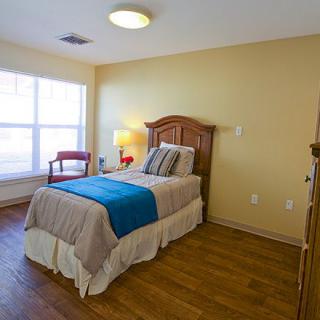
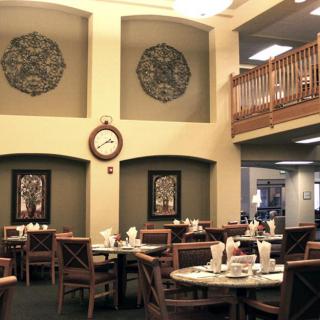
- Management is kind and provides a safe place to live for seniors; the facility is clean, safe, with great activities and quiet.
- They have been welcoming to musical visits.
Cons
 The facility focuses only on profit, with the elevator out for months and elderly residents at risk of falls.
- The staff harassed residents and treated them horribly.
- The reviewer does not recommend the apartment.
- There are nonstop empty promises and uncaring staff.
- The doors are always locked.
- A class action is needed against the management.
Review
Three Rivers Retirement Apartments is best suited for seniors who want a small, home-like community where staff seem genuinely invested in residents’ daily happiness. The strongest draw is the human touch: residents feel cared for, and a few on-site team members are described as warm, approachable, and attentive. It can be an especially good fit for families who value a calm, quiet setting with social opportunities and a sense of daily familiarity, rather than a facility focused on clinical care or high-end amenities.
That clarity is essential because this community may not be right for everyone. Families needing consistent, flawless service and guaranteed accessibility should look elsewhere. The repeated concerns about long-term elevator outages, perceived focus on the bottom line, and mixed experiences with management point to a setting where reliability and proactive problem-solving are not uniformly demonstrated. If secure, predictable operations and uninterrupted mobility access are nonnegotiables, alternatives deserve consideration.
On balance, the positive elements can partly offset the major drawbacks, but only for a subset of residents. The presence of a friendly manager and a reliable maintenance technician, paired with a clean, safe environment and a lively but intimate activity slate, creates genuine warmth and daily livability. When staff are seen as attentive and residents appear happy, those intangible benefits can dramatically improve quality of life, especially for seniors who thrive in a smaller, neighborly milieu and who do not require constant assistance or rapid emergency response.
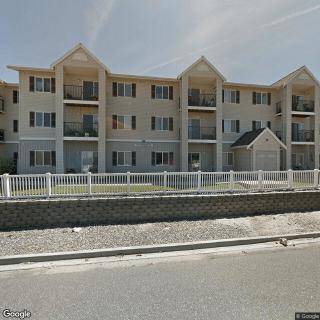
Where the calculus tilts away from a full endorsement is the operational fragility. An elevator out of service for months is not a peripheral inconvenience in a multi-story building; it reshapes safety, daily independence, and the ability of families to visit without friction. Reports of harassment in past years and ongoing questions about promises kept by management further destabilize confidence in long-term reliability. The combination of locked doors and inconsistent access policies can also complicate visits and mobility for residents who later-stage mobility needs or who rely on walkers or wheelchairs.
The contrast between highly positive remarks about certain staff members and the more troubling anecdotes about treatment and responsiveness suggests a wide variance by unit and time. In practice, that means outcomes depend heavily on who is on duty and how leadership is currently prioritizing repairs, communication, and accountability. For families, this translates into a clear, practical path: verify current elevator status, request a direct line of communication with the leadership, and seek recent resident referrals about daily life, not just promotional statements. Do not assume improvements are automatic; confirm protections and escalation steps in writing.
In the end, Three Rivers Retirement Apartments offers a potential lifeline for seniors seeking a warm, community-centered atmosphere with people who genuinely care. Yet serious caveats must guide the decision: the long-term inaccessibility of the main vertical transport, the shadow of past mistreatment concerns, and the potential for misalignment between resident needs and management practices. Those prioritizing a stable, mobility-friendly home with unwavering operational consistency may be better served by alternatives with stronger elevator reliability, clear service standards, and consistently responsive management. For families willing to conduct due diligence, ask pointed questions, demand current resident references, and scrutinize maintenance and accessibility commitments, the community can be a comforting option for the right resident in the right phase of care.
 Independent Living
 Tri-Cities (8 miles away)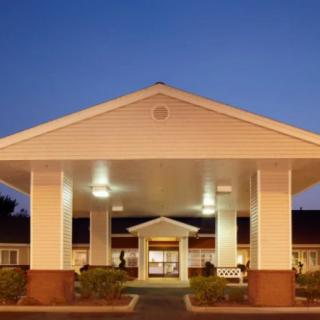


 Recognizing the Journey: Understanding and Navigating Anticipatory Grief
 Encouraging Participation in Adult Day Care: A Guide to Supporting a Hesitant Parent
 Comprehensive Exploration of Living Wills and Other Advance Directives