Holiday Astor House At Springbrook Oak Costs & Pricing
At Holiday Astor House At Springbrook Oak, the costs for accommodations present a compelling value when compared to both Yamhill County and the broader state of Oregon. For instance, a studio apartment is priced at $2,119 per month, significantly lower than the county average of $4,837 and well below the state average of $3,815. Similarly, the one-bedroom units are offered at $2,439, which undercuts both Yamhill County's average of $4,069 and Oregon's statewide median of $3,904. Two-bedroom apartments are also competitively priced at $3,569 compared to Yamhill County's average of $4,662 and Oregon's average of $4,436. This pricing structure not only highlights Holiday Astor House as an attractive option for prospective residents but also reinforces its commitment to providing quality living arrangements within a budget-friendly framework.
Floor plans
Holiday Astor House At Springbrook Oak
Yamhill County
Oregon
Studio
$2,119
$4,837
$3,815
1 Bedroom
$2,439
$4,069
$3,904
2 Bedrooms
$3,569
$4,662
$4,436
Independent Living communities with a similar price nearby
Overall Review of Holiday Astor House At Springbrook Oak
common18 reviews mention this
Staff friendliness is a theme
Residents and families repeatedly describe the staff as kind, caring, and welcoming.
Many reviewers say they felt welcomed from the start and that staff helped make transitions feel easier. Others highlight care and concern as a consistent part of the day-to-day experience, including staff being friendly and helpful in apartments and common areas. A few reviews contrast that with periods of understaffing or unprofessional behavior, including concerns about not having enough people to serve at meals. Still, the overall pattern in the reviews is that residents and families connect positively with the people who work there.
caveat14 reviews mention this
Dining quality draws mixed feedback
Dining quality and meal service are inconsistent in the reviews.
Several residents and families praise the food, describing it as well-planned, enjoyable, and prepared by a chef rather than feeling repetitive. Others report problems such as meals arriving late, running out of items, or food not matching seniors’ needs. A few reviews also call out diet limitations and menu control as frustrations, including wanting more options for specific needs. Even within the positive comments, there are some days where food is described as not as good, which aligns with the overall mixed tone.
caveat8 reviews mention this
Cost is a push-pull in reviews
Reviews describe both good value and growing frustration with costs.
Some families choose the community for value and mention that the rent includes items like meals, housekeeping, and laundry services. Others describe costs increasing while services decline, and a few call out decisions they felt were driven by cost-cutting. There are also specific complaints about being asked for more money during a move-out period. That tension shows up across the reviews: the pricing can look reasonable to some, while others feel the experience doesn’t match what they’re paying for.
common10 reviews mention this
Activities and outings keep busy
Residents frequently mention activities, entertainment, and outings as a reason they stay engaged.
Reviewers describe a steady mix of in-building activities, social time, and scheduled events that help residents get out of the apartment and meet people. Many also mention transportation and outings, including trips to local stores and appointments. Some reviews add details about the activities director and the variety of programming, while a few express concerns about reduced outings or limited capacity for buses. Overall, the reviews portray activities as a meaningful part of daily life, with variability in how robust the outings are at times.
common2 reviews mention this
Nearby medical care is close
Several reviewers reference the location’s convenience to healthcare and services nearby.
Some reviews point to how close the community is to local medical care and nearby stores, making errands and appointments easier. This lines up with the nearby options listed around the community, including a hospital and clinics within about half a mile to a little over a mile. A few reviewers also mention the convenience of the neighborhood location, even when they criticize other aspects like meal service. Overall, location convenience shows up as a supporting point for residents and families.
How we summarize
Counts show how many written reviews mention each theme; a review can touch several themes, and only frequently mentioned themes are displayed.
Features
Types of Care
Independent Living
Amenities
Activities off-site
Activities on-site
Air-conditioning
Bath tubs
Beautician on-site
Beauty salon
Cable or satellite TV
Computer center
Devotional services off-site
Devotional services on-site
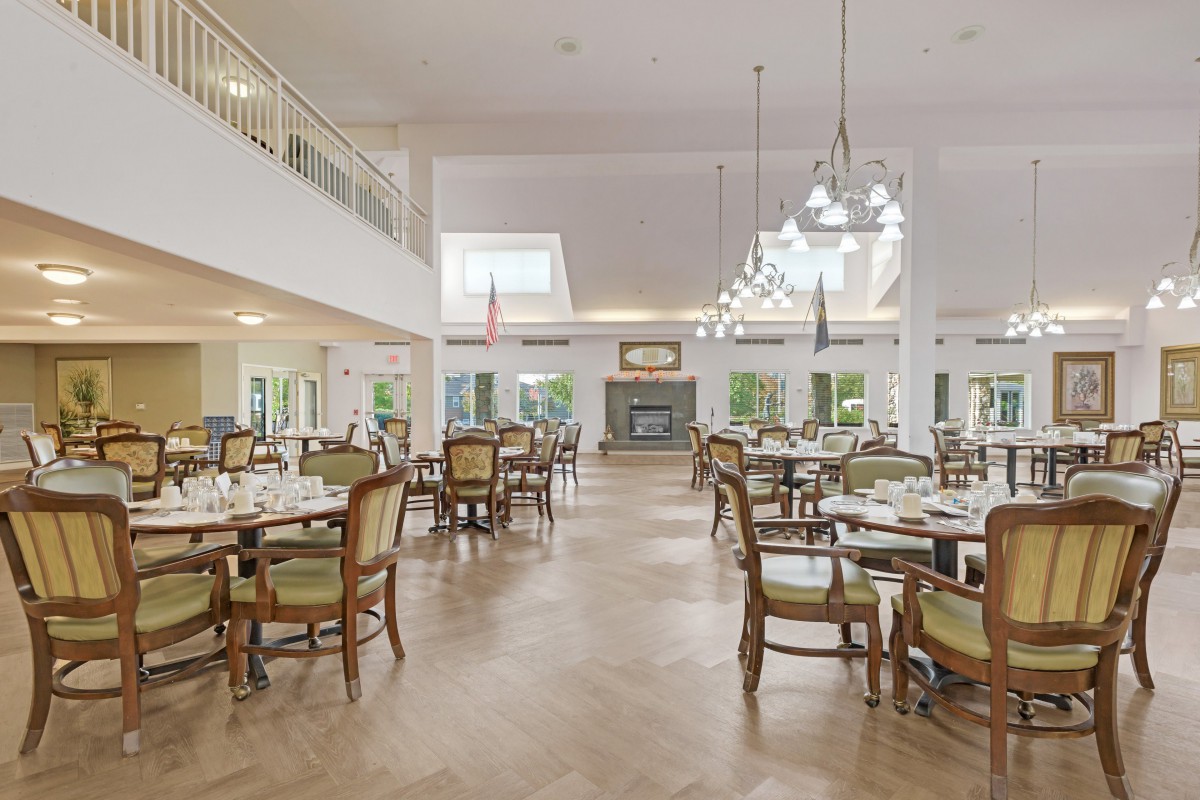
Dining room
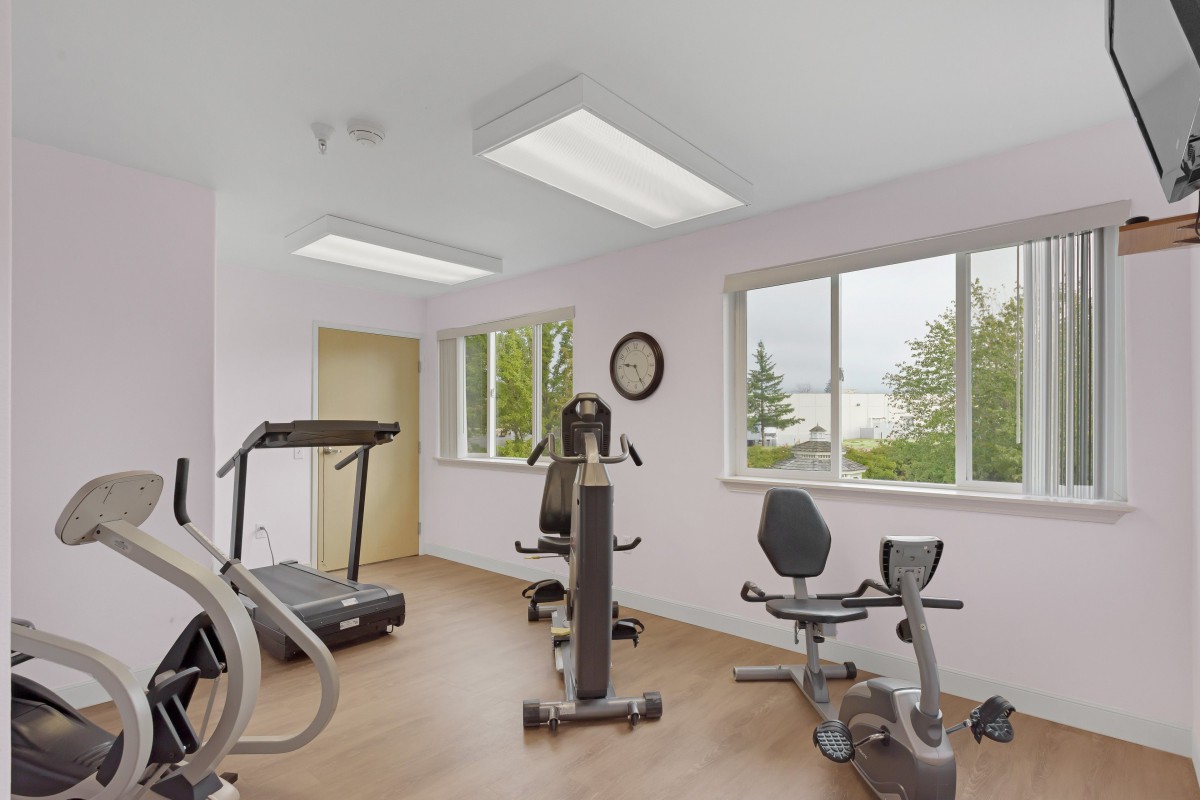
Fitness room
Full kitchen
Fully furnished
Gaming room
Garden
Ground floor units
Handicap accessible
Housekeeping services
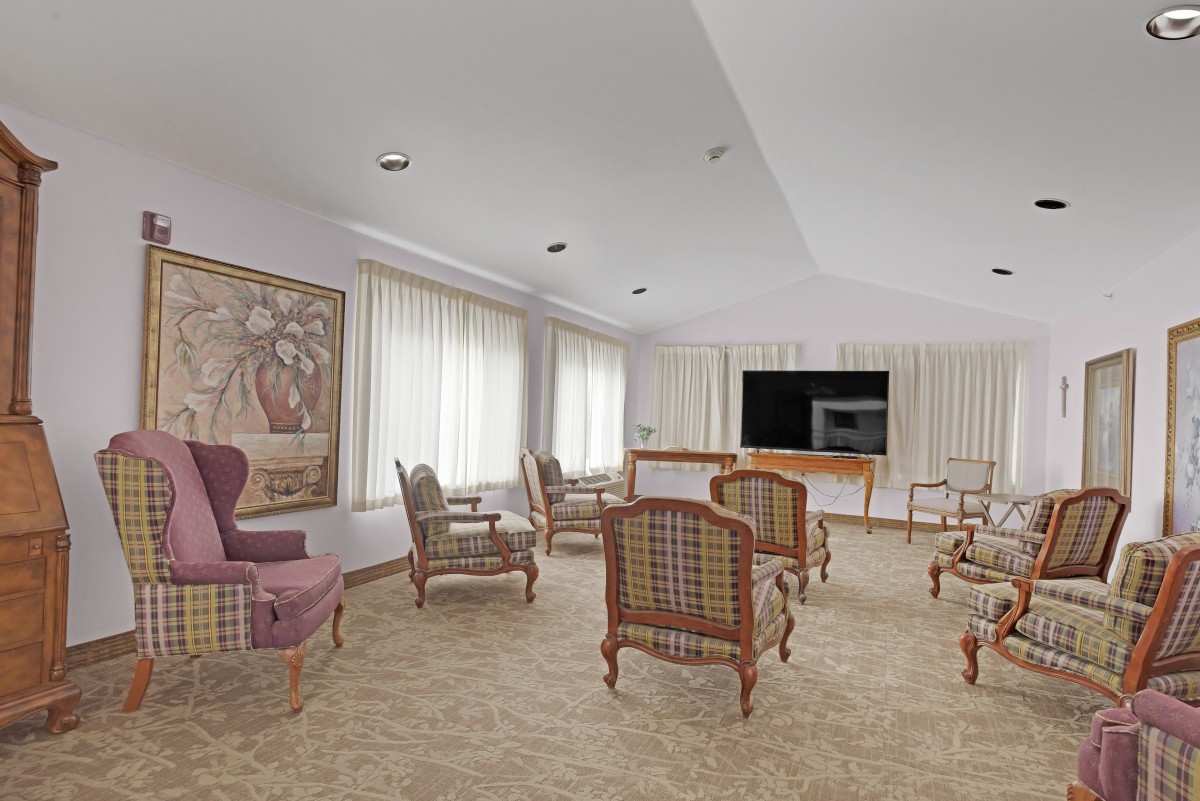
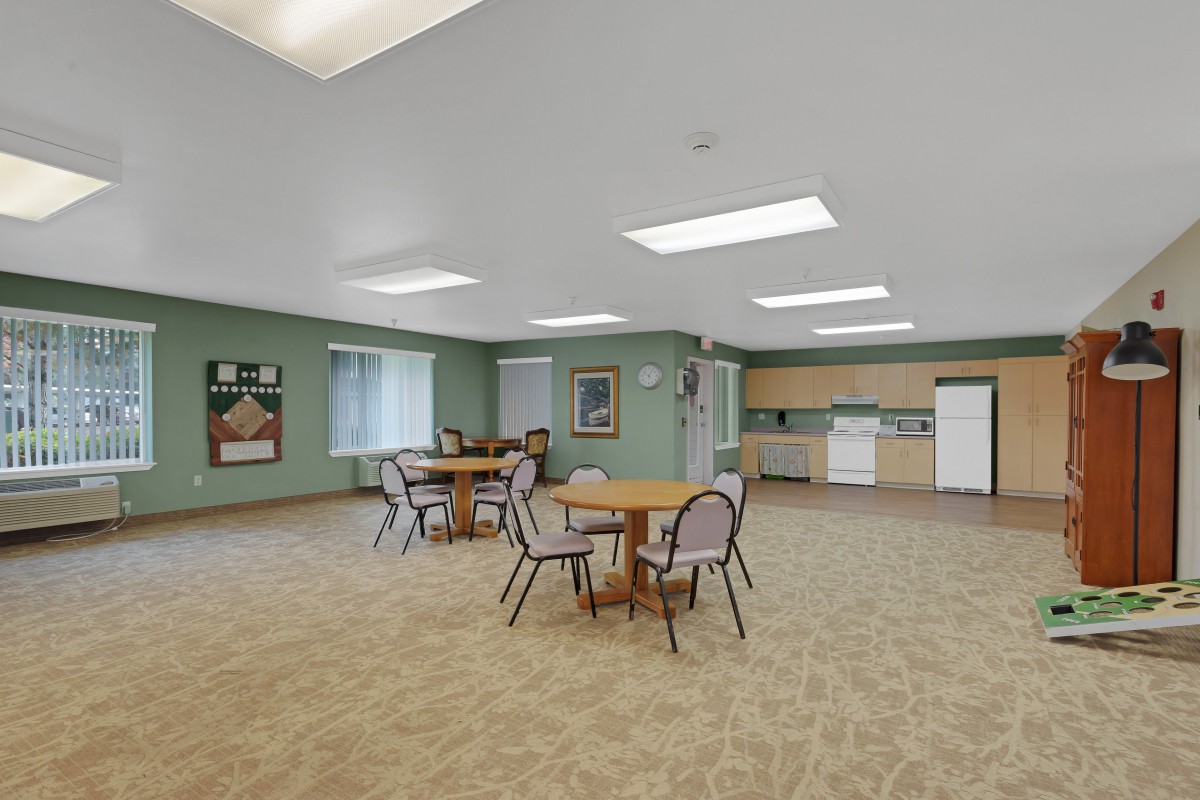
Indoor common areas
Kitchenette
Move-in coordination
Outdoor common areas
Outdoor patio
Outdoor space
Pet friendly
Private bathrooms
Restaurant-style dining
Small library
Spa
Telephone
Wellness center
Wheelchair accessible showers
Wi-Fi/high-speed internet available
Transportation
Community operated transportation
Transportation arrangement
Care Services
24-hour call system
Assistance with dressing
Hospice waiver
Meal preparation and service
Medication management
Mental wellness program
Dining
Diabetes diet
Guest meals
Low / no sodium
Meals provided
No Sugar
Professional chef
Restaurant style dining
Special dietary restrictions
Activities
Art classes
Community-sponsored activities
Concierge services
Day trips and outings
Devotional activities offsite
Devotional activities on-site
Educational speakers / life long learning
Fitness programs
Happy hour
Live dance or theater performances
Live musical performances
Live well programs
Planned day trips
Resident-run activities
Scheduled daily activities
Visiting chaplain or priest
Wine tasting
Nearby Places of Interest
Located in the charming city of Newberg, Oregon, this area offers a variety of amenities and services that cater to the needs of seniors. With Providence Newberg Hospital and The Children's Clinic in close proximity, residents have access to quality medical care. There are also several pharmacies nearby for convenient prescription refills. For dining options, there is a selection of restaurants ranging from fast food chains like Wendy's and McDonald's to upscale establishments such as Jory and Dundee Bistro. Additionally, the area boasts recreational opportunities with parks like Champoeg State Park and Wilsonville Memorial Park for outdoor activities. For those who enjoy cultural outings, the 99W Drive-In and Regal Bridgeport Village ScreenX & IMAX theaters offer entertainment options. Overall, this part of Newberg provides a mix of healthcare facilities, dining choices, leisure activities, and green spaces suitable for senior living.
Hospitals
Providence Newberg Hospital (0.3 miles)
The Children's Clinic (0.5 miles)
Sherwood Family Medicine (6.8 miles)
Legacy Meridian Park Hospital (10.8 miles)
Silverton Hospital (11.3 miles)
Restaurants
Wendy's (0.3 miles)
McDonald's (0.5 miles)
Chehalem Valley Brewing Company (0.7 miles)
J's Restaurant & Lounge (1 miles)
Jory (1.2 miles)
Dundee Bistro (4 miles)
Red Hills Market (4 miles)
Theaters
99W Drive-In (0.5 miles)
Regal Bridgeport Village ScreenX & IMAX (11.1 miles)
Physicians
Newberg Vision Clinic (1 miles)
Grant R Lindquist MD (1.1 miles)
Asthma Allergy Centre (1.1 miles)
Newberg Pediatric Clinic (1.2 miles)
Providence Sleep Disorders Center - Newberg (1.3 miles)
At Holiday Astor House At Springbrook Oak, the costs for accommodations present a compelling value when compared to both Yamhill County and the broader state of Oregon. For instance, a studio apartment is priced at $2,119 per month, significantly lower than the county average of $4,837 and well below the state average of $3,815. Similarly, the one-bedroom units are offered at $2,439, which undercuts both Yamhill County's average of $4,069 and Oregon's statewide median of $3,904. Two-bedroom apartments are also competitively priced at $3,569 compared to Yamhill County's average of $4,662 and Oregon's average of $4,436. This pricing structure not only highlights Holiday Astor House as an attractive option for prospective residents but also reinforces its commitment to providing quality living arrangements within a budget-friendly framework.
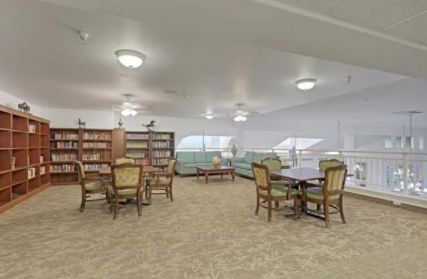
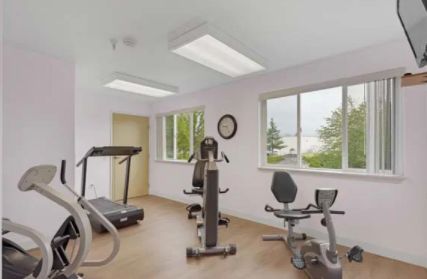
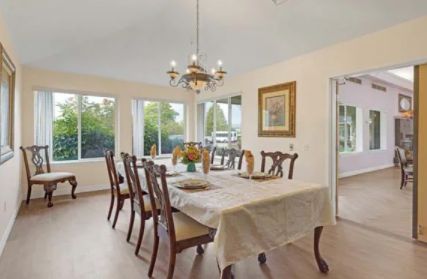
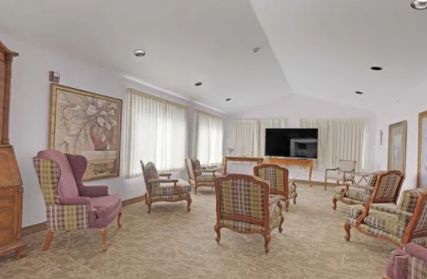
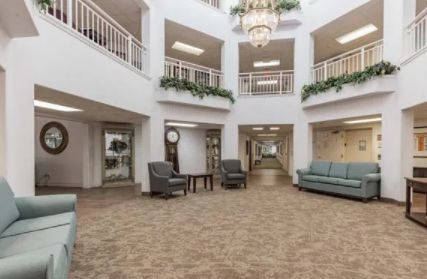
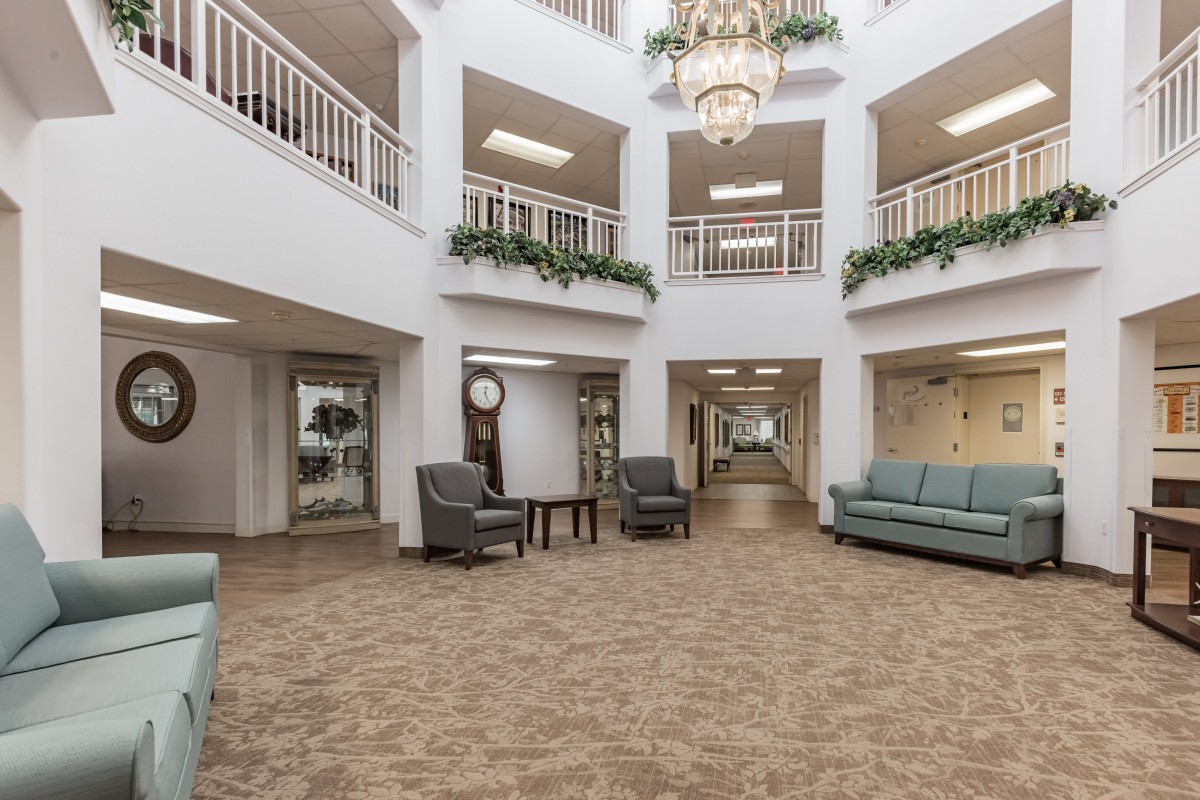
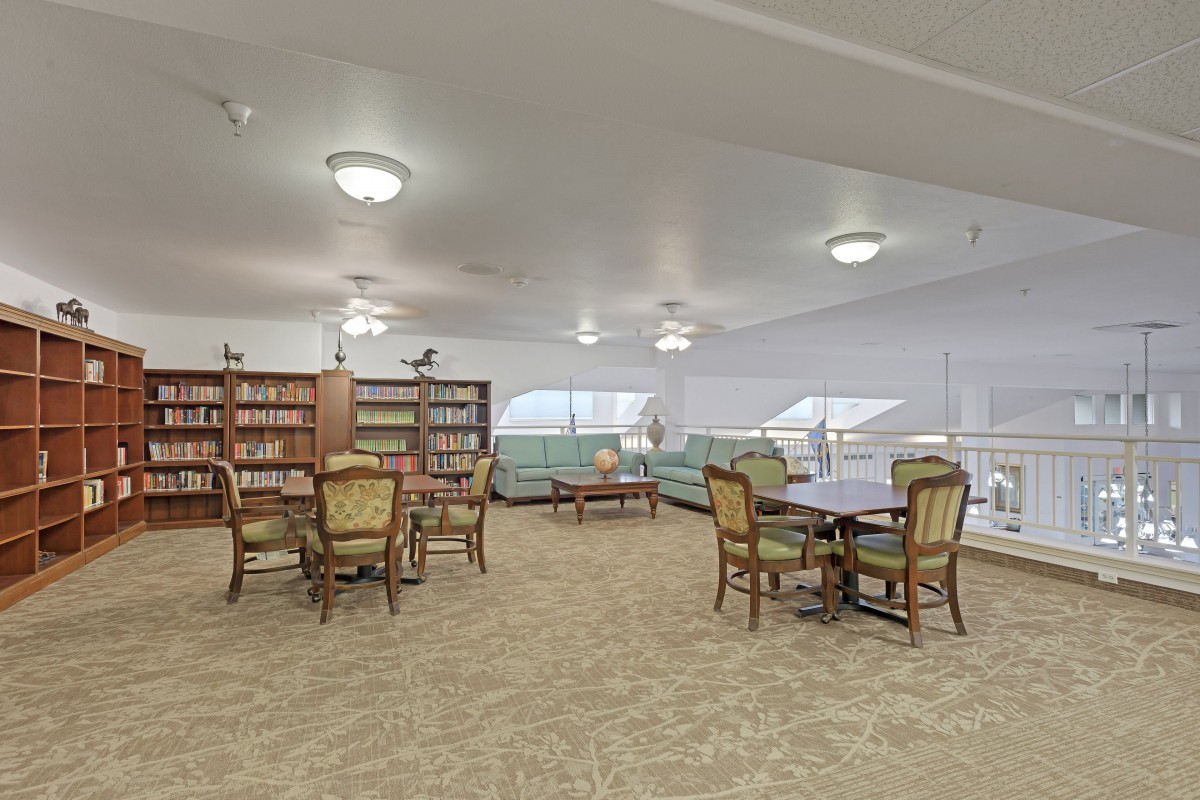
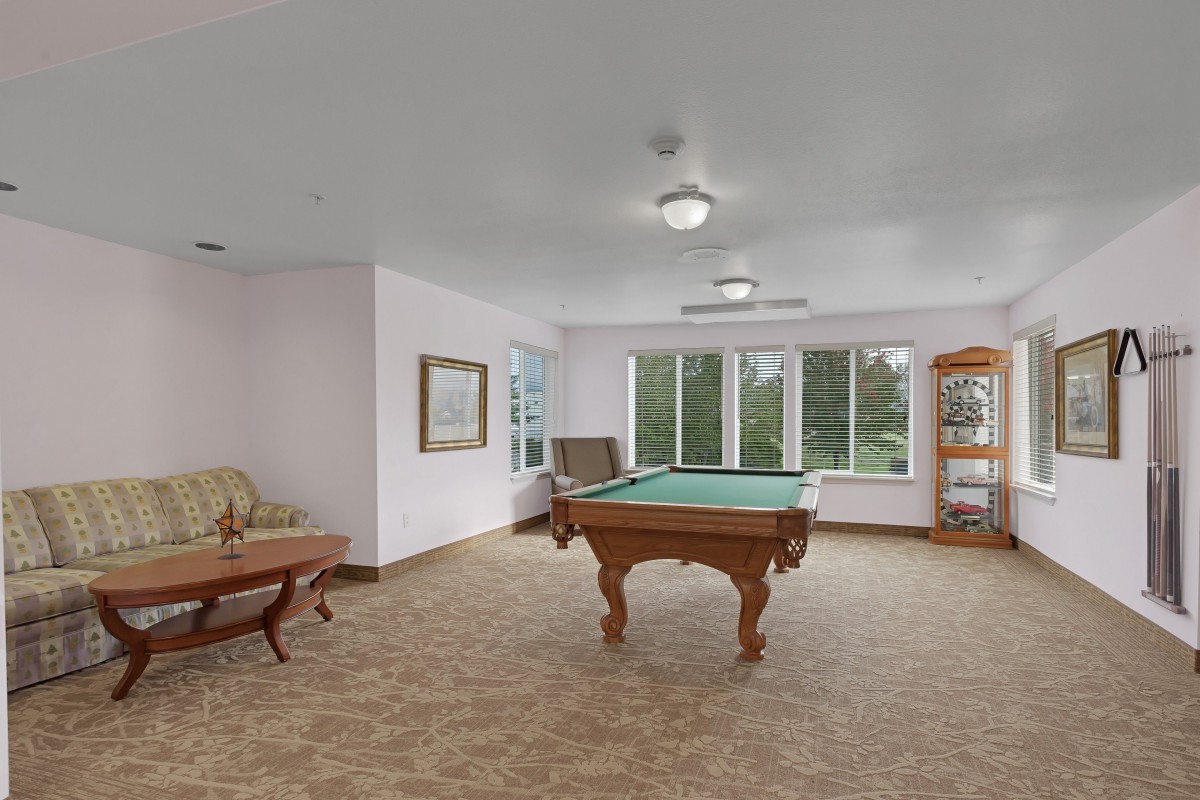
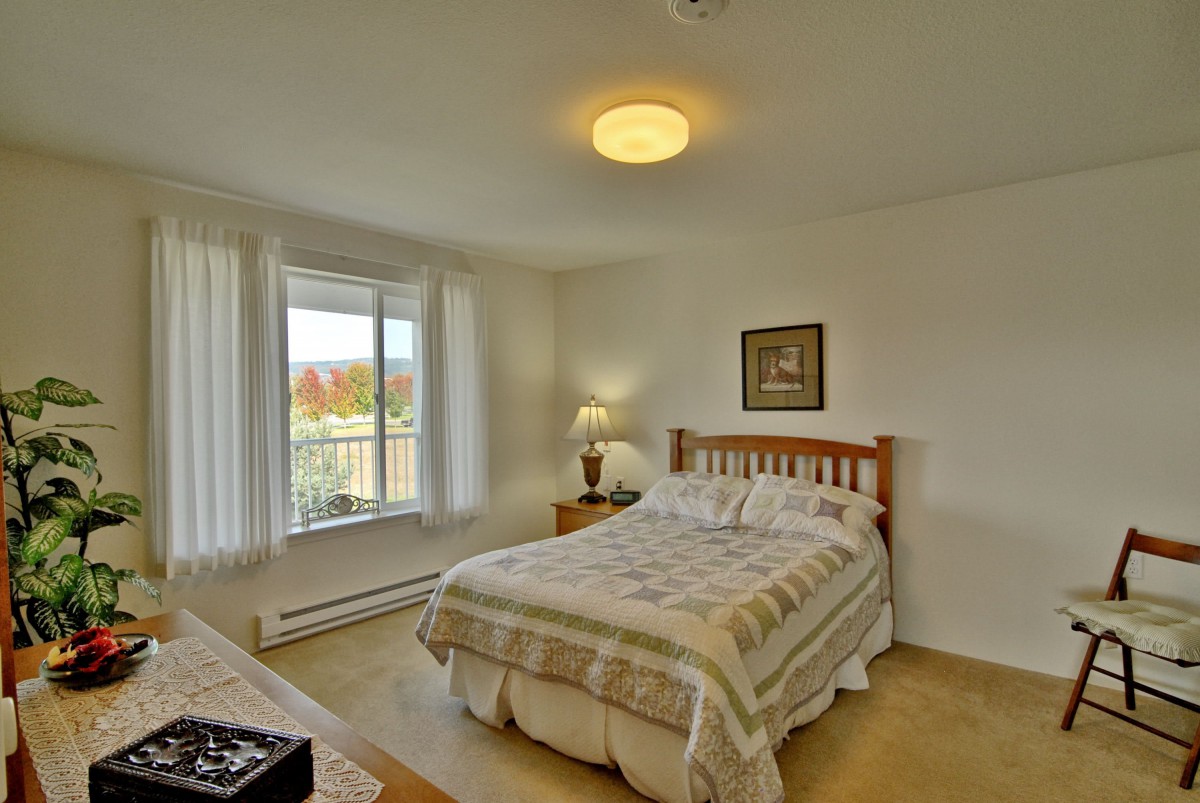
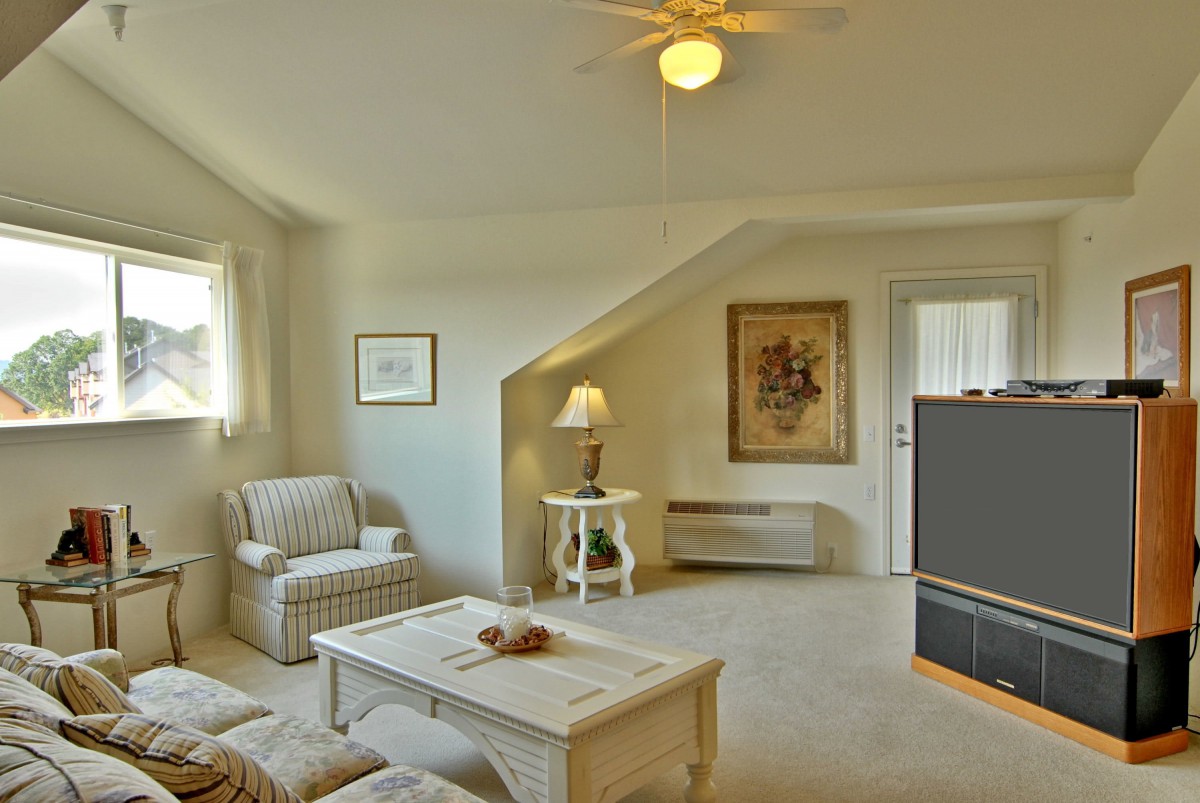
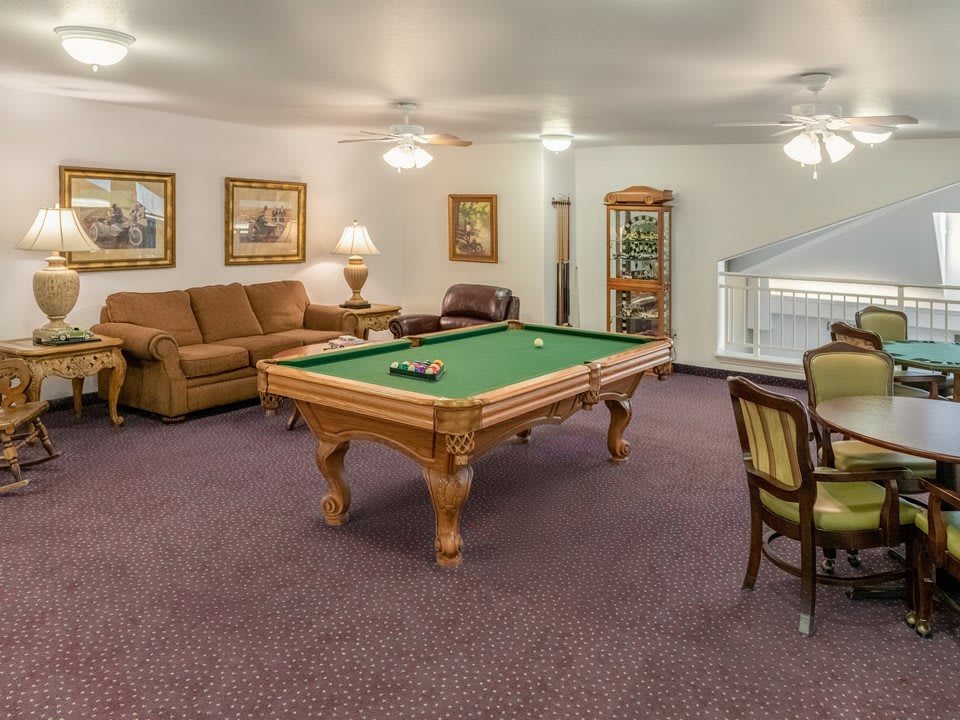
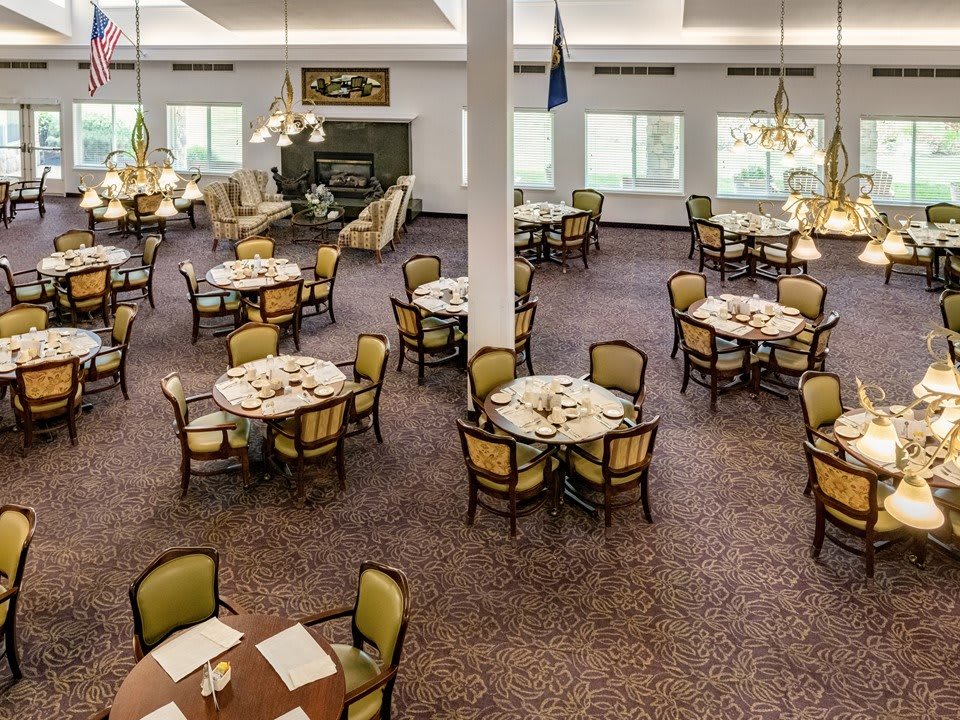
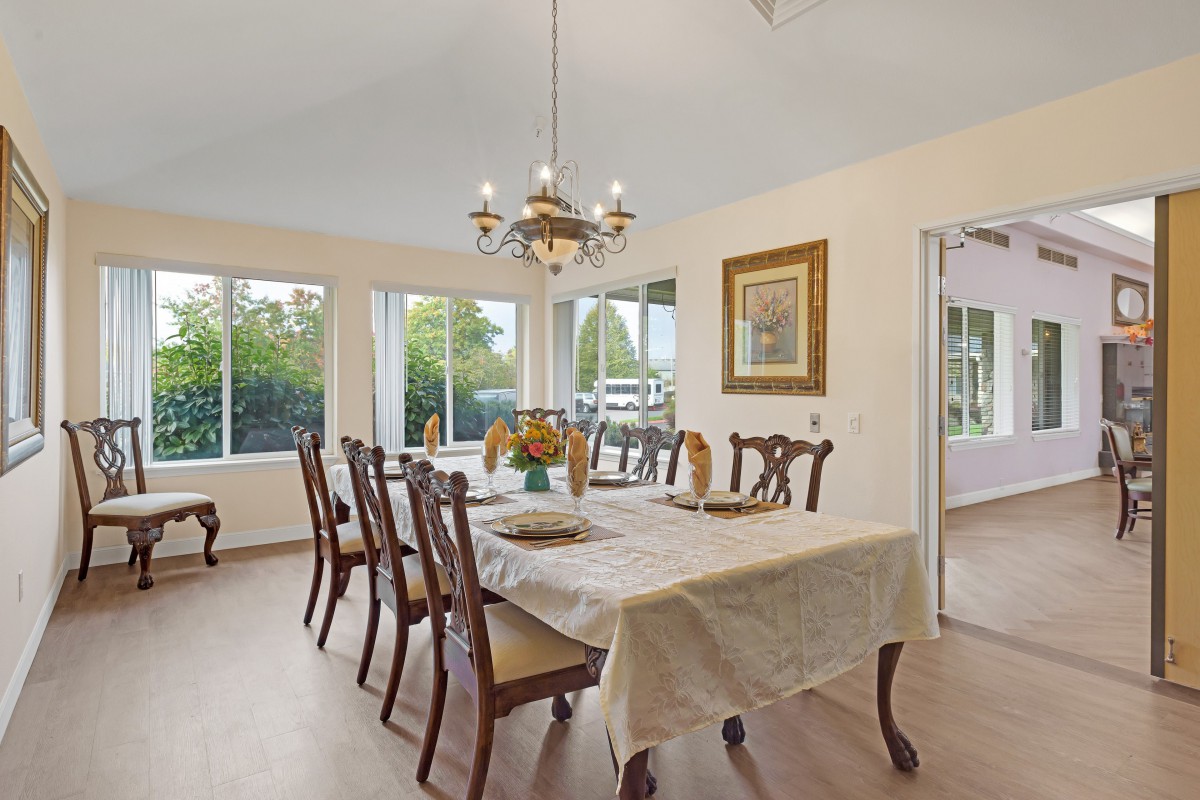
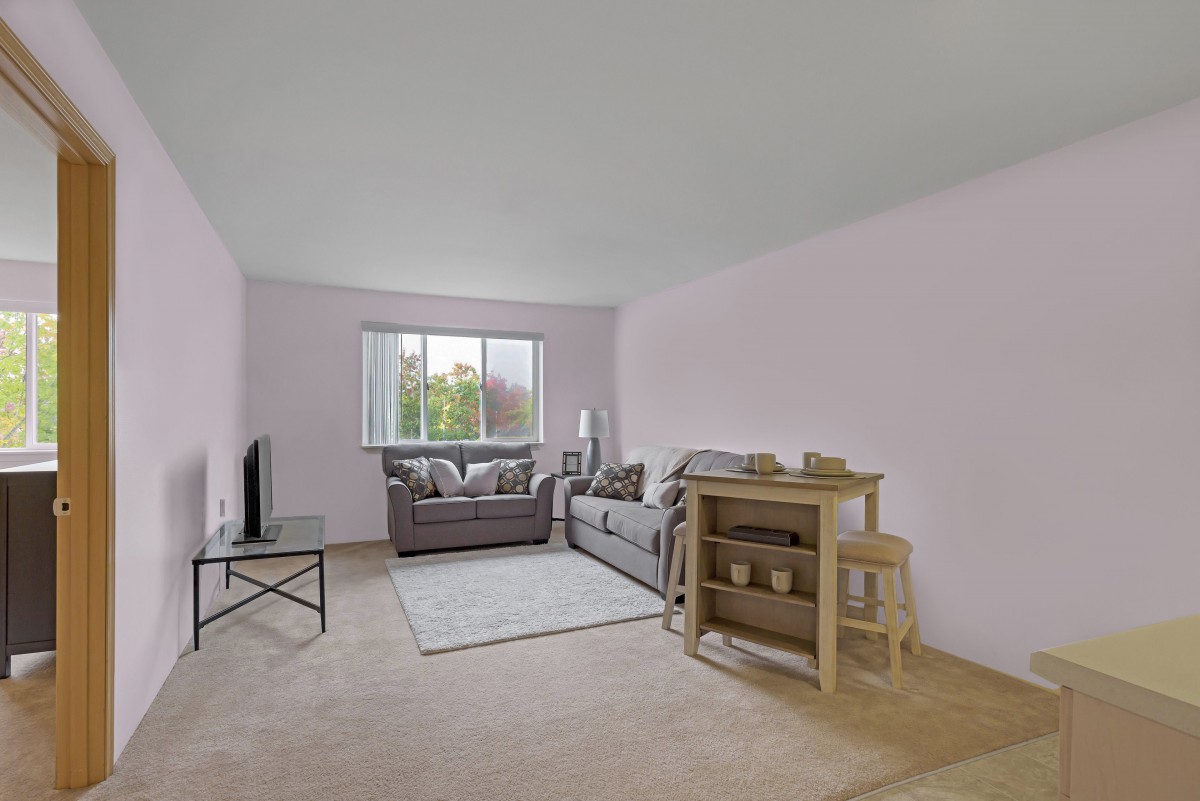
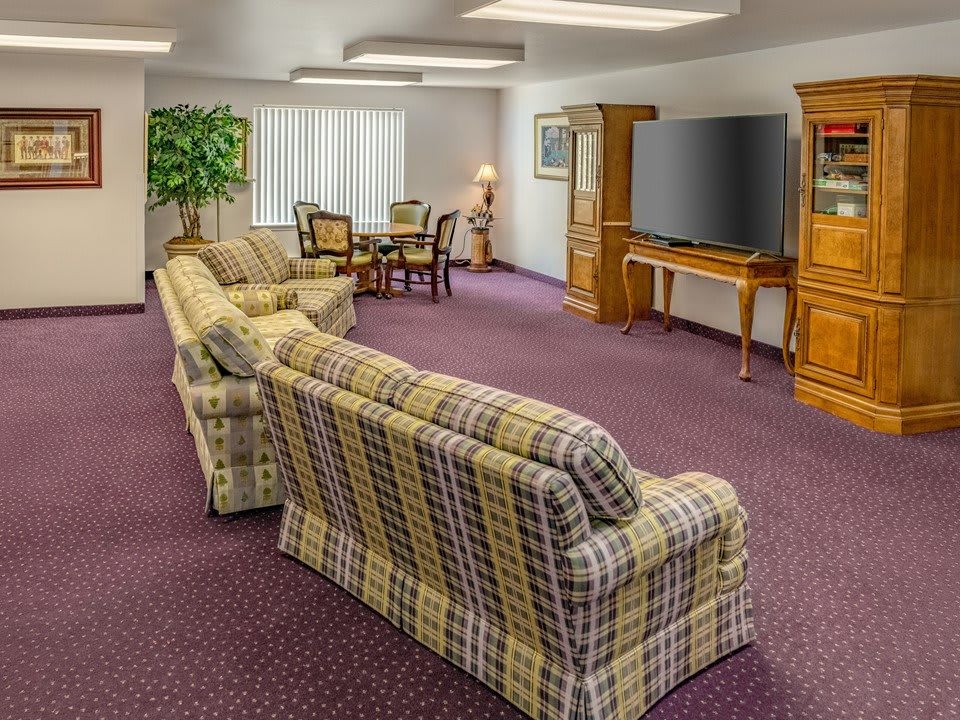
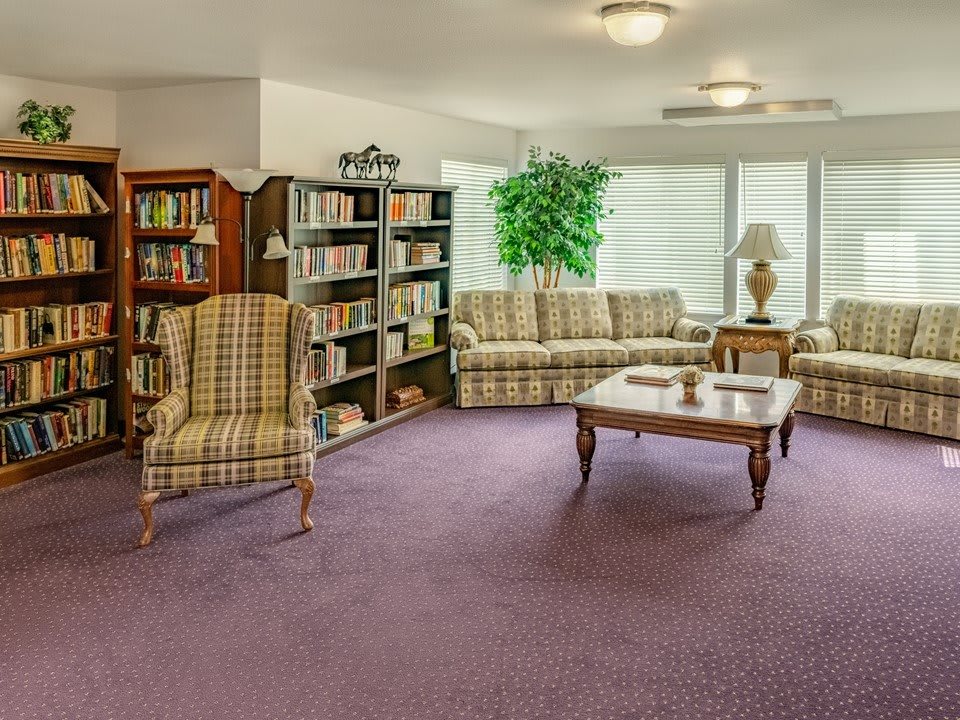
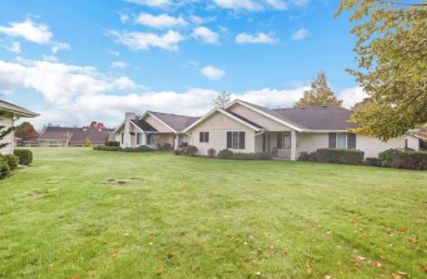
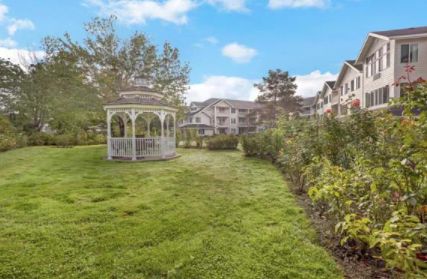
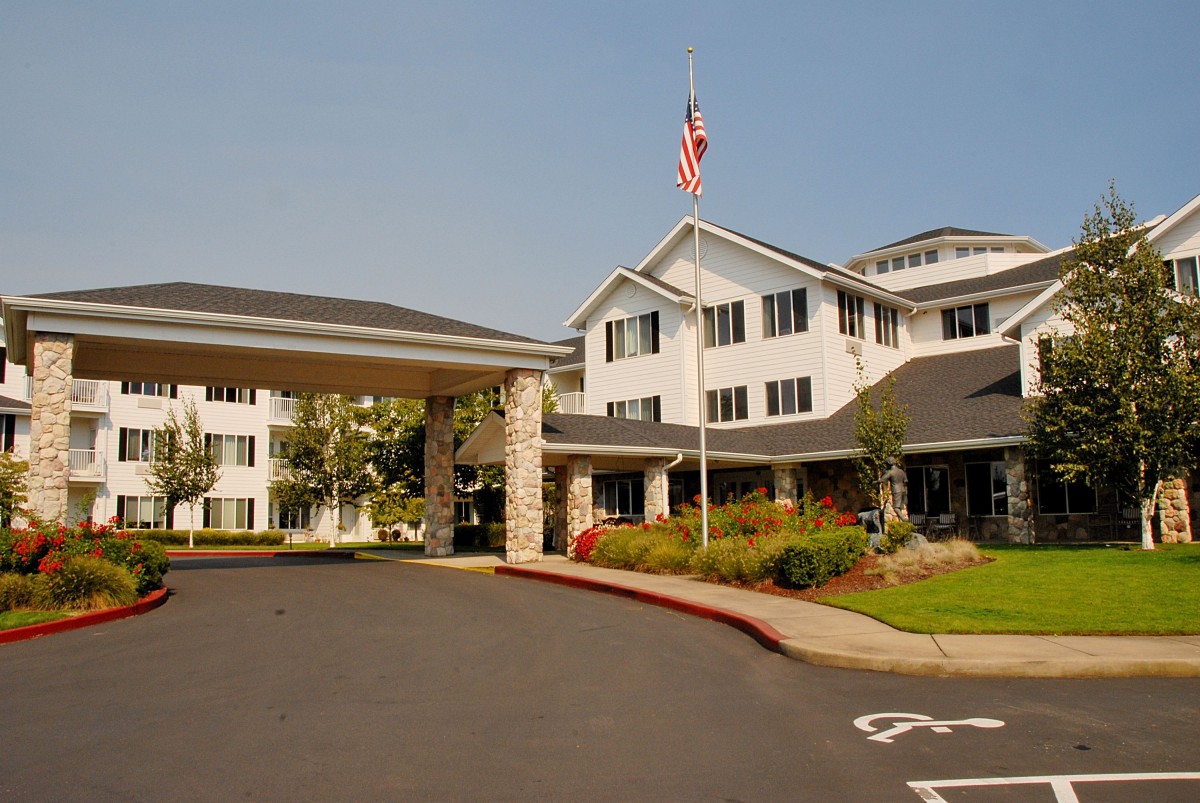
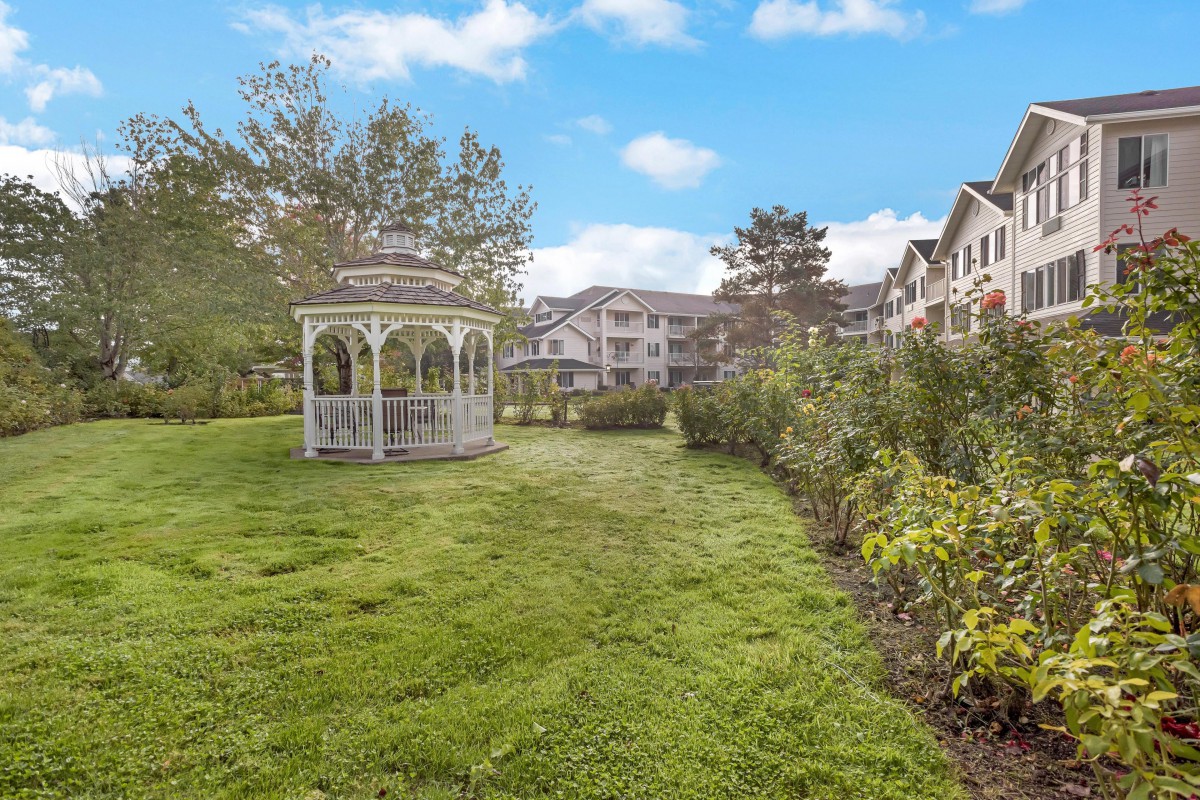
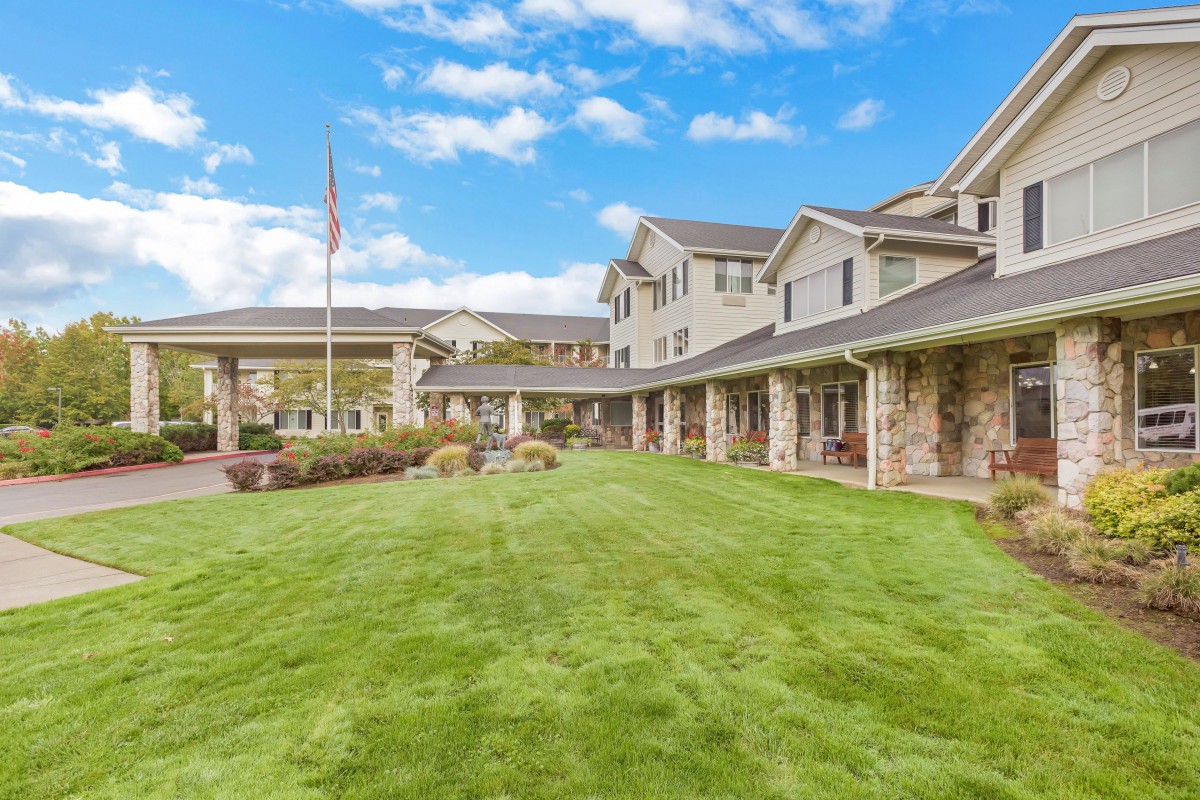
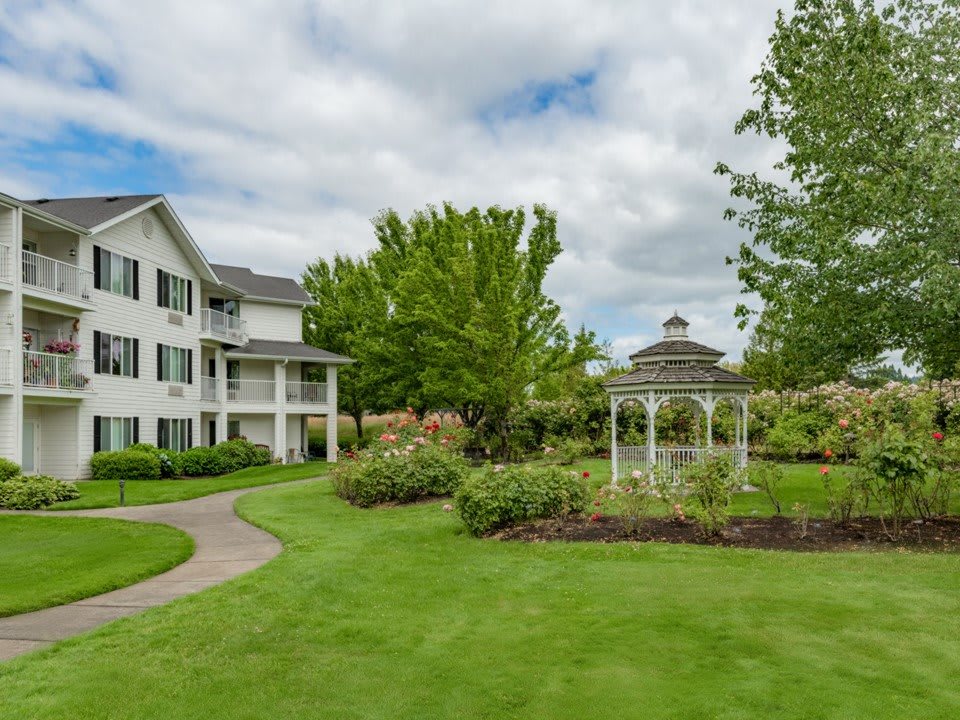
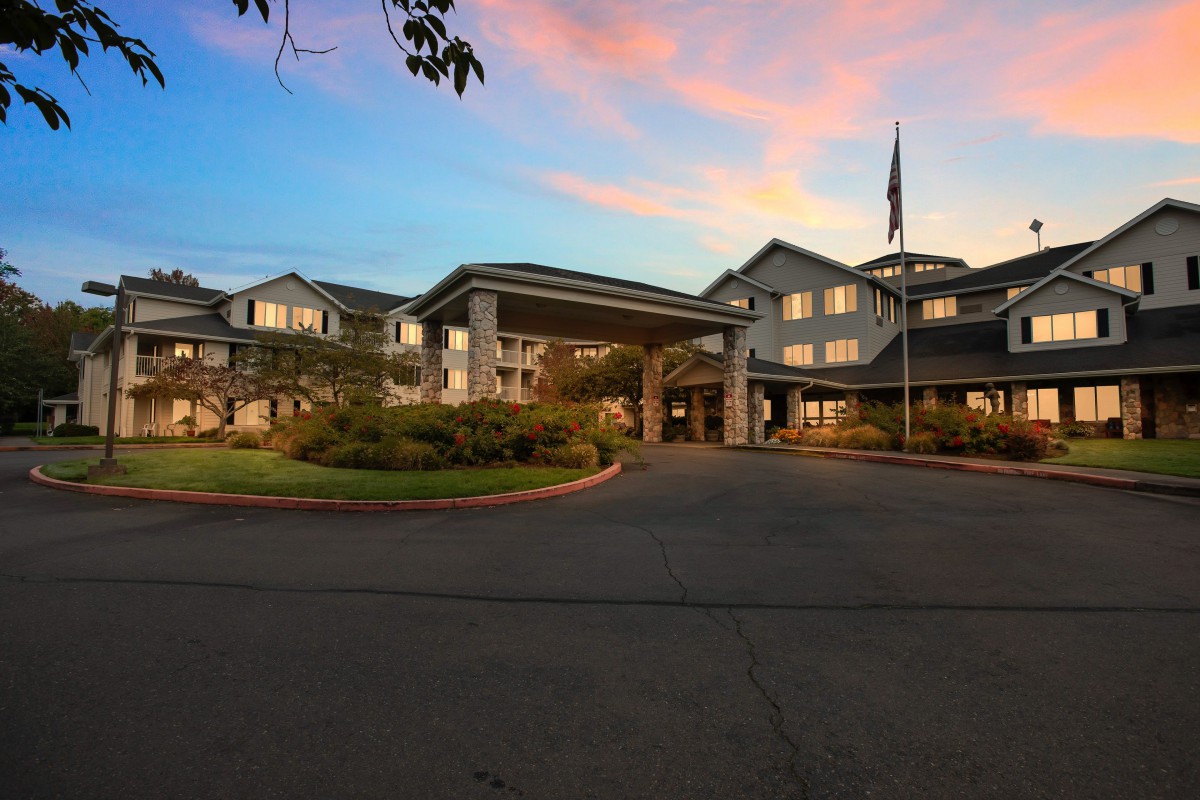
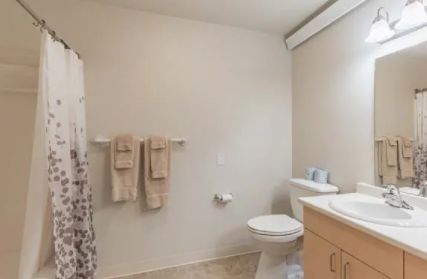
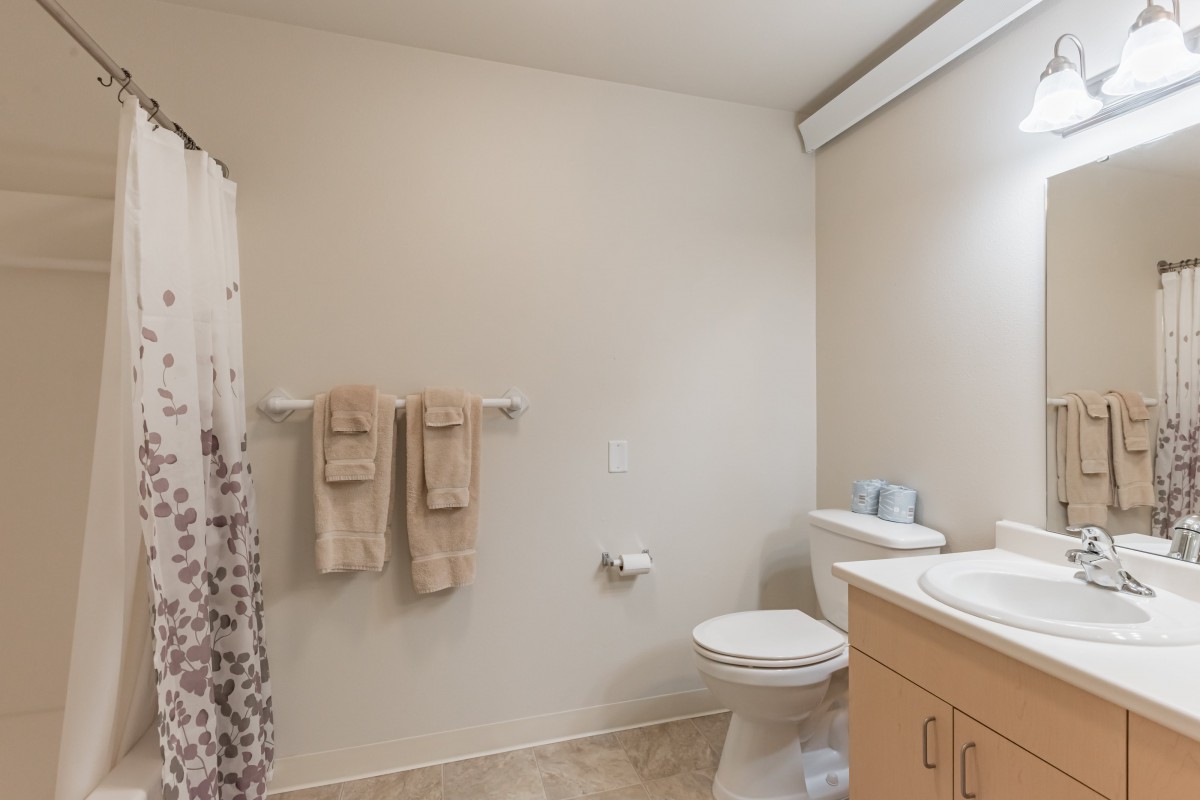
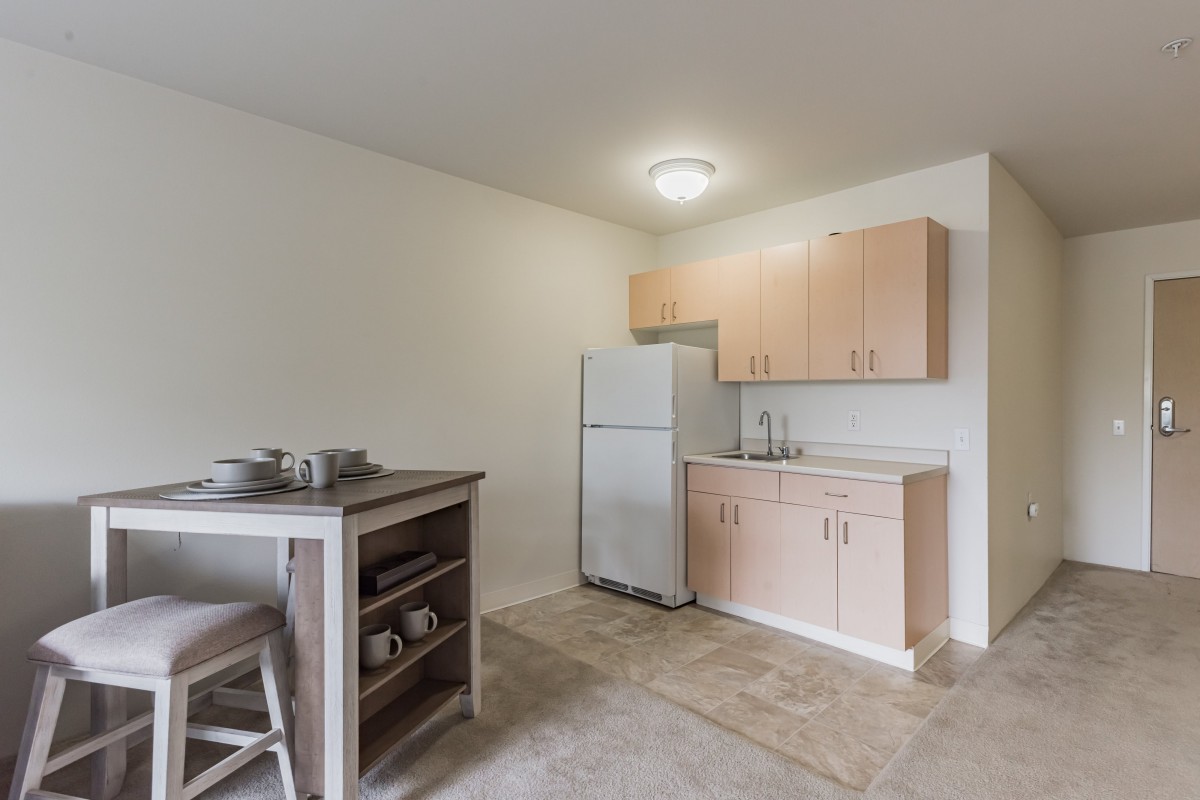
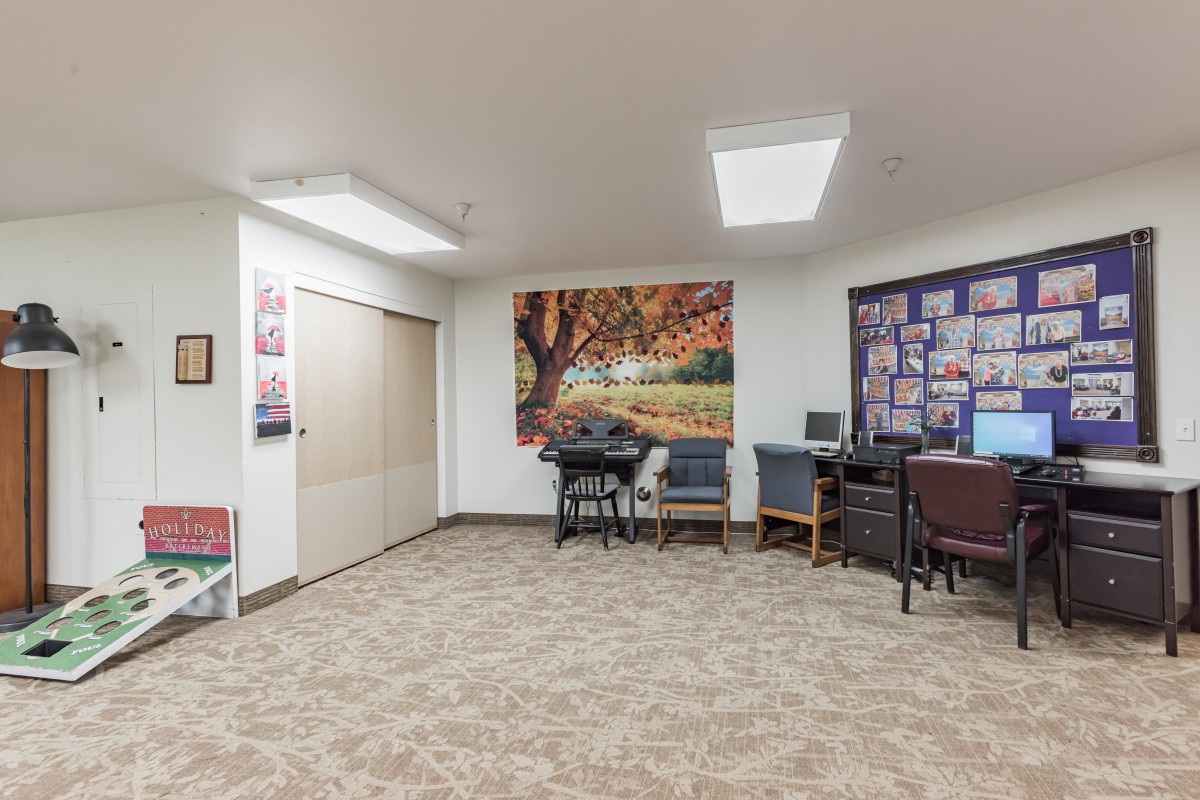
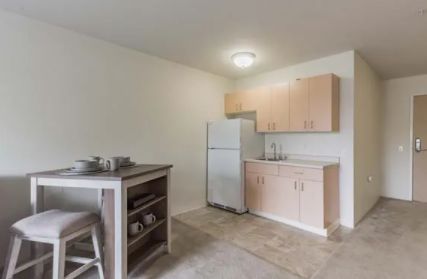
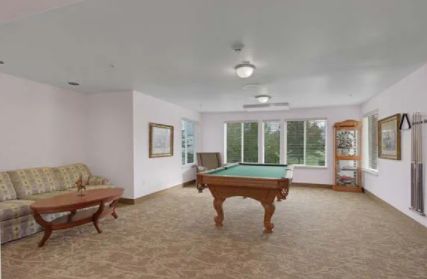
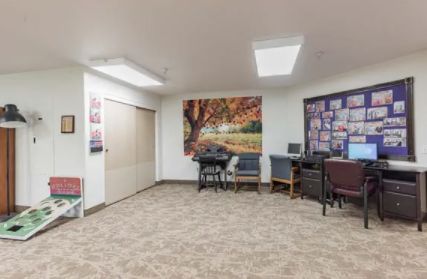
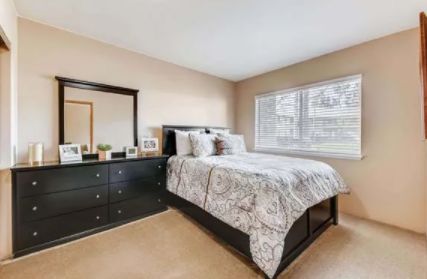
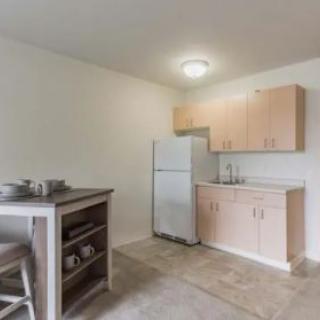
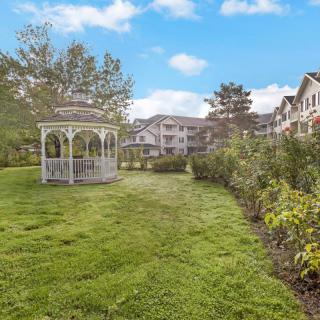
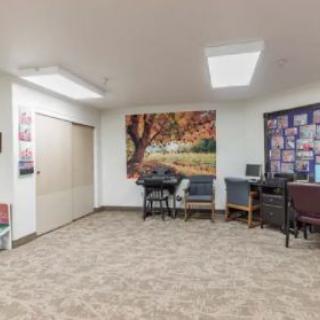
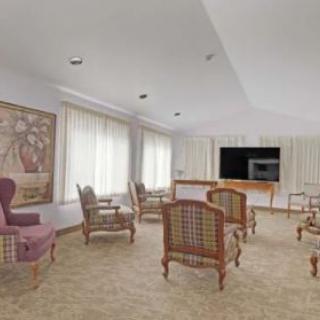
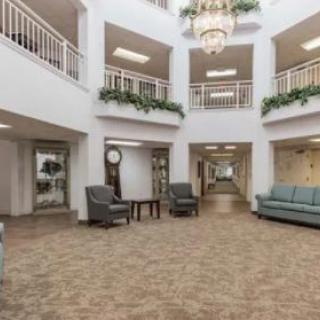
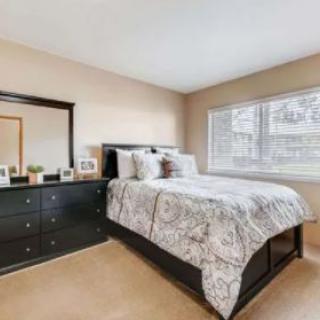
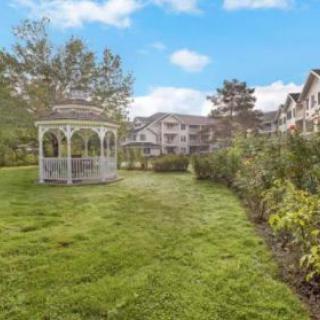
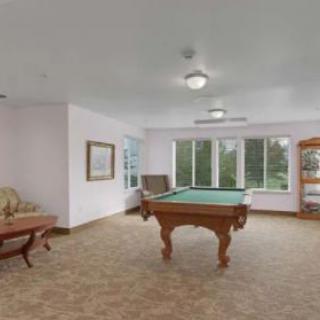
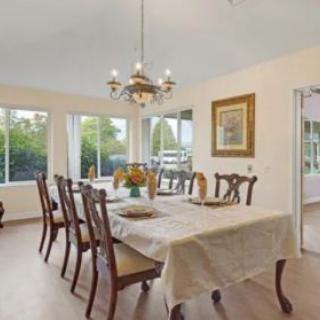
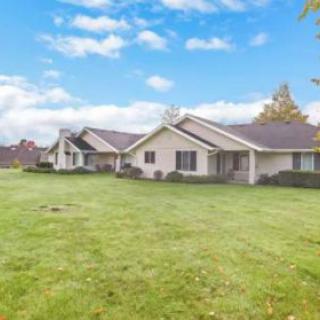
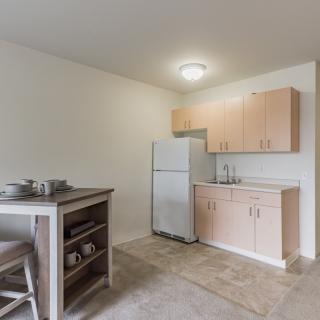
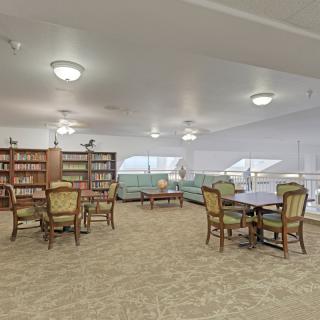
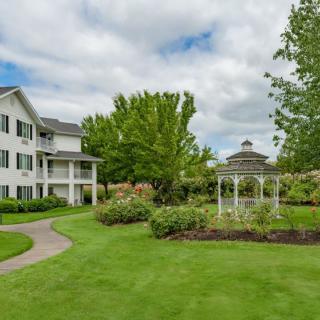
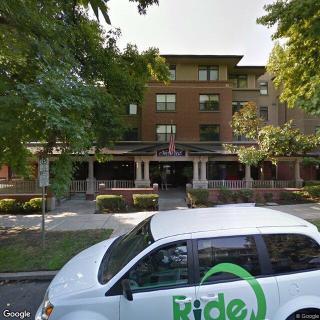
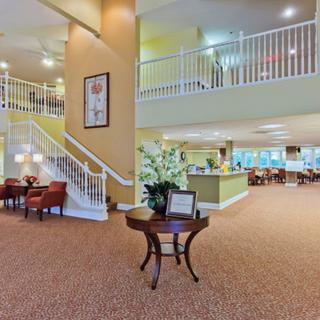
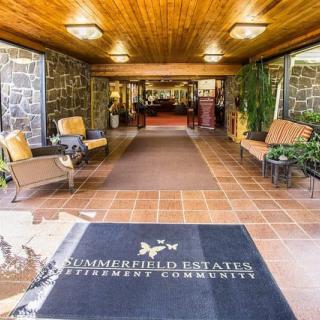
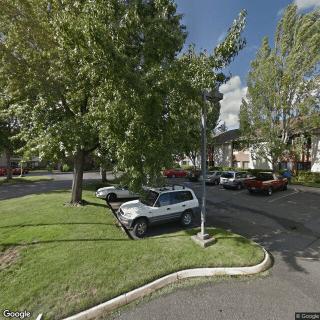
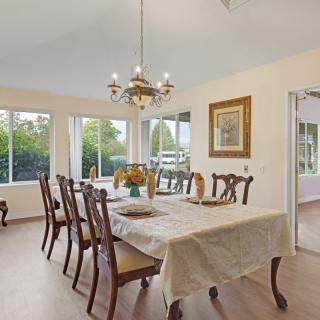
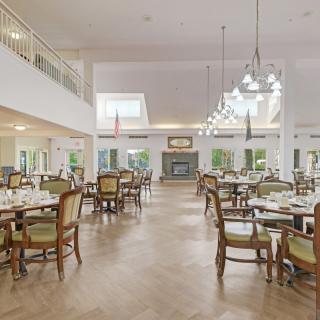
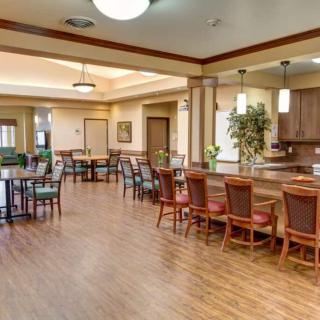
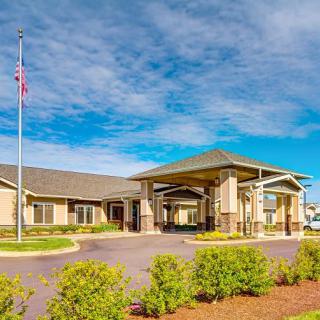
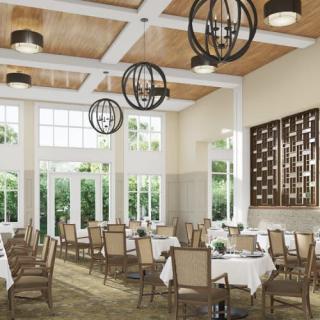
Holiday Astor House At Springbrook Oak on seniors.fyi includes 37 photos including images showing interior, windows, landscaping, living room, dining, building, decor, bathroom, and more.
Nearby Communities
Marquis Newberg
Newberg, OR
3.4 from 26 reviews
Compassionate staff, clean environment, and engaging activities.
Brookdale Newberg
Newberg, OR
4.1 from 106 reviews
$3,295 to $5,260 / month
Friendly staff and a warm, social environment with elegant dining and a convenient location.
Arbor Oaks Terrace Memory Care Residence
Newberg, OR
4.2 from 38 reviews
Caring, family-like staff with engaging memory care programs.
Arbor Oaks Terrace Memory Care
Newberg, OR
4.1 from 62 reviews
$7,575 to $9,095 / month
Compassionate staff and engaging activities in a clean, welcoming environment.
Visiting Angels
Newberg, OR
4.6 from 31 reviews
Exceptional care with convenient access to nearby dining, parks, pharmacies, doctors, hospitals, and entertainment.
Loyal Care Home
Newberg, OR
Vibrant lifestyle with easy access to healthcare, dining, and entertainment nearby.
Friendsview Retirement Community
Newberg, OR
4.2 from 21 reviews
Caring staff, clean, well-maintained campus with active programs.
The Ackerly At Sherwood
Sherwood, OR
4.6 from 99 reviews
Professional, caring staff in a clean, engaging environment with quality dining and wellness programs.
The Springs at Sherwood
Sherwood, OR
4.6 from 51 reviews
$3,490 to $5,680 / month
Engaged, compassionate staff with a wide range of activities supporting residents' well-being.
Palliative care enhances the quality of life for seriously ill patients by providing comprehensive support at home through a multidisciplinary team, addressing various needs and prioritizing comfort over curative treatments. While it offers personalized care and involves family in decision-making, challenges like caregiver stress and logistical issues persist, with growing demand prompting advancements in technology and healthcare policies to improve access.
Palliative home care focuses on improving the quality of life for individuals with serious illnesses by providing comfort, symptom management, and emotional support in their own homes. This approach includes personalized care plans, regular assessments, and resources for family caregivers, all while prioritizing person-centered treatment that aligns with patients' goals.
Skilled nursing facilities (SNFs) provide high-level medical care and rehabilitation for short-term recovery, typically covered by Medicare after hospitalization, while nursing homes focus on ongoing custodial care for chronic conditions, mainly funded by Medicaid or private payments. The staffing and regulatory structures differ significantly between the two, necessitating clarity for families in choosing appropriate long-term care options.
Get PricingAsk A QuestionSchedule A TourContact Senior Advisor
By clicking submit, you agree to our Partner's Terms of Use. You
also consent to receive calls and texts, which may be autodialed, from our Partner. Your consent is not a condition to
using our Partner's service. Please visit our Partner's Privacy Policy for information about their privacy practices.




 Independent Living
 Activities off-site
 Air-conditioning
 Bath tubs
 Beautician on-site
 Cable or satellite TV
 Computer center
 Devotional services off-site
 Dining room
 Fitness room
 Full kitchen
 Fully furnished
 Gaming room
 Garden
 Ground floor units
 Handicap accessible
 Housekeeping services
 Indoor common areas
 Move-in coordination
 Outdoor common areas
 Outdoor patio
 Pet friendly
 Private bathrooms
 Restaurant-style dining
 Small library
 Spa
Spa Telephone
 Wheelchair accessible showers
 Wi-Fi/high-speed internet available
 Community operated transportation
 24-hour call system
 Assistance with dressing
 Hospice waiver
 Medication management
 Mental wellness program
 Diabetes diet
 Special dietary restrictions
 Art classes
 Concierge services
 Day trips and outings
 Educational speakers / life long learning
 Happy hour
 Live dance or theater performances
 Live musical performances
 Visiting chaplain or priest
 Wine tasting
 Compassionate staff, clean environment, and engaging activities.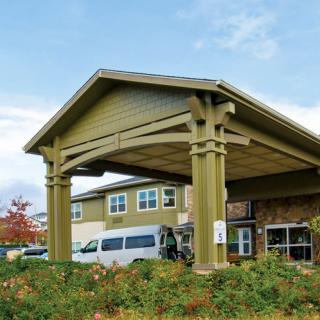



 Exploring Palliative Care in the Home: A Comprehensive Overview
 Comprehensive Insights into Palliative Home Care: What It Is and What to Expect
 Skilled Nursing Facilities vs. Nursing Homes: Making Sense of the Differences