441 Werth Boulevard, Newberg, OR 97132
For more information about senior living options: (866) 208-4318
Overall Review of Marquis Newberg
Pros
 The nursing staff are amazing, personable, and caring.
 - The staff from kitchen to administration, CNAs, nurses, and therapists are wonderful.
- The PT/OT team is phenomenal, balancing care with encouragement to help patients move and live again.
- The administrator goes out of her way to help families and makes transitions smooth.
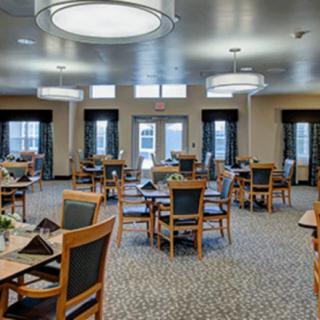
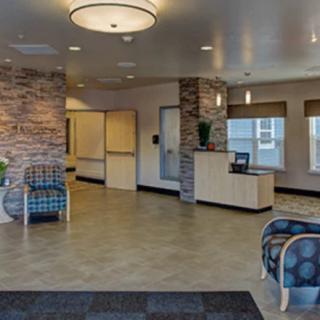
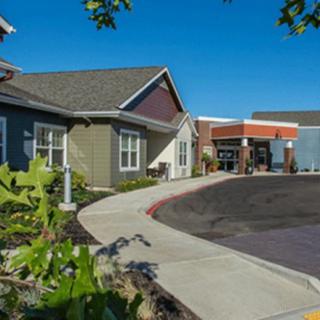
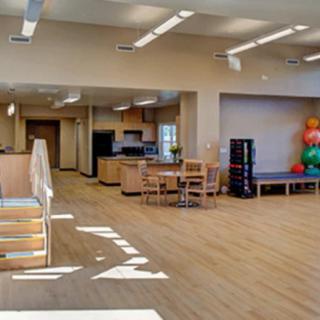
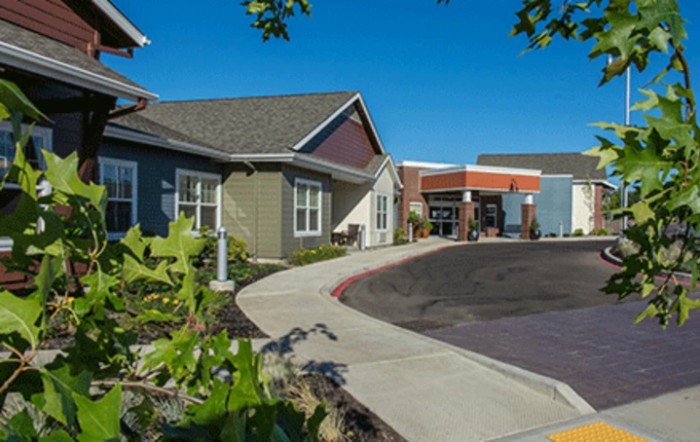
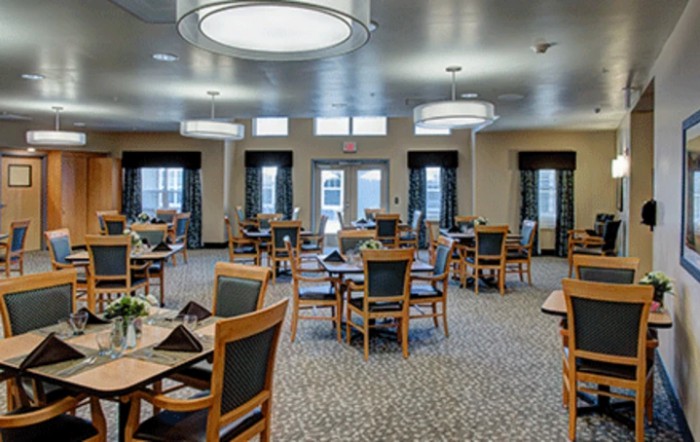
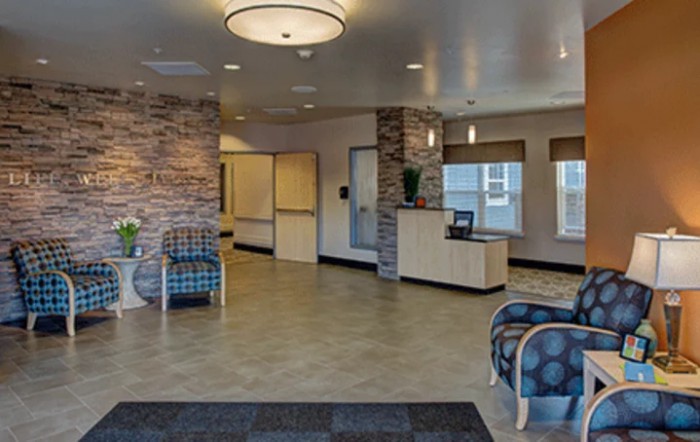
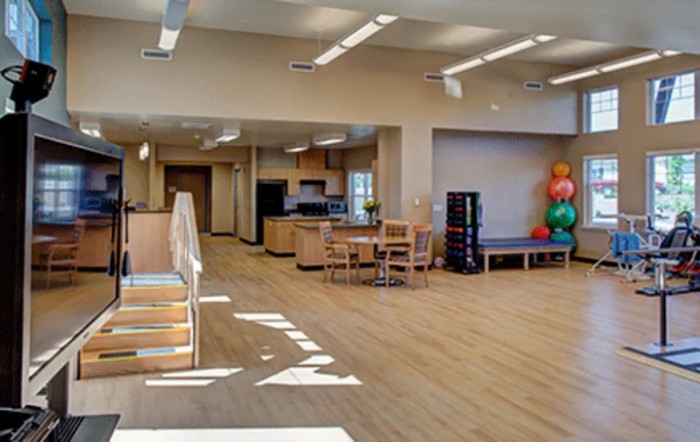
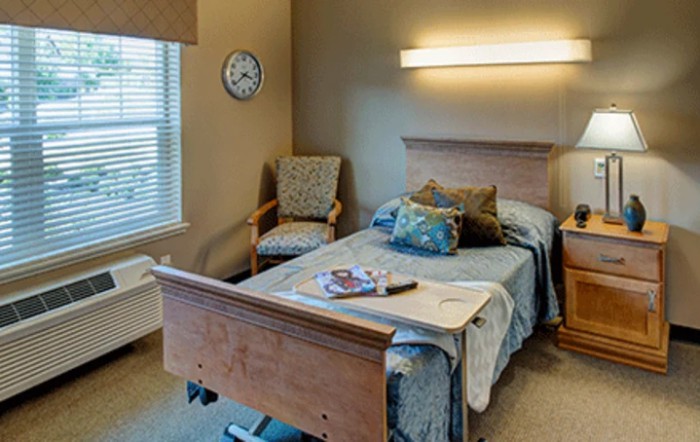
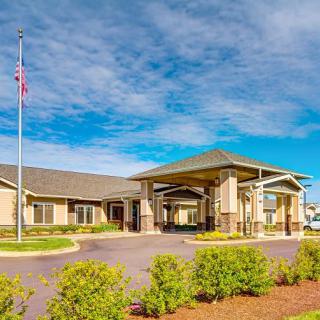
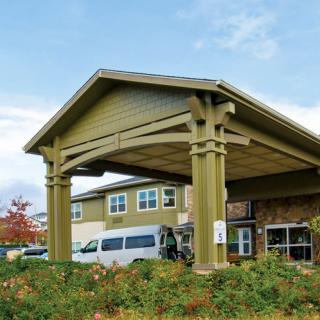
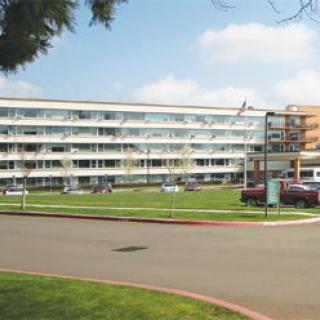
- Marquis Newberg is clean, well maintained, and welcoming, with a thoughtful layout.
- The nurses and assistants are caring and knowledgeable, forming deep connections with residents.
- Residents and families appreciate being able to stay connected through Facetime and window visits.
- The therapy team provides excellent rehabilitation and helps patients regain independence.
Cons
 The experience was horrible for the family, with hours-long delays for pain medications and frequent staff shortages.
- The patient had to soil herself after no timely response to pressing the call button.
- Dinners were forgotten, indicating neglect.
- There was no one available to talk to over the weekend for help.
- The social worker in charge was abysmal, giving incorrect information, being defensive, and blaming the family; the reviewer had to record all interactions.
- Aides spoke little English and were poorly trained, and some nurses lacked warmth and empathy.
Review
Marquis Newberg is best suited for families prioritizing aggressive rehab and therapy, a newer, well-kept environment, and staff who demonstrate warmth and ongoing personal attention. The facility earns praise for its strong nursing presence and a therapy team that consistently helps residents regain mobility and independence after procedures or hospital stays. The newer building, thoughtful layout, and clean, welcoming common areas create a practical setting where daily routines, from PT/OT sessions to accessible rooms and even window visits or FaceTime with loved ones, feel workable and reassuring. A bilingual dynamic at the top levels, including a medical director who can converse with residents in French, adds a meaningful ease for some families. In short, the community delivers dependable medical and rehab support within a modern, resident-centered atmosphere.
Alternatives should be considered for families whose top priorities include spot-on medication administration, unwavering weekend coverage, and flawless end-of-life protocols. Repeated concerns about pain management delays, missed meals, and limited weekend access point to gaps that could be intolerable for residents with high medical needs or sensitive care requirements. The social-work layer at Marquis Newberg also shows a split: some families encounter reliable, engaged coordinators, while others report incorrect information, defensiveness, and slow follow-through. For families who cannot tolerate inconsistent communications or a pattern of delays in essential care, exploring other options, whether within Marquis’ network or outside, is prudent.
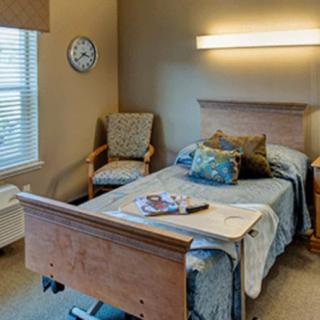
On the positive side, the pros align strongly with what most families seek in a rehab-focused community. The nursing staff is frequently described as personable, kind, and attentive, and the therapy team is repeatedly praised for the balance of care and firmness that motivates progress. The rehabilitation program stands out as a core strength, with PT/OT staff framed as phenomenal and capable of moving patients from bed to independence with practical, compassionate coaching. Administration and leadership are often cited as accessible and engaged, willing to navigate transitions, such as arranging transfers to other Marquis locations when a higher level of care is needed. The physical environment reinforces these strengths: the building’s newer construction, cleanliness, and well-maintained rooms contribute to a sense of safety and dignity, complemented by robust activity options and social programs that keep residents engaged.
However, the most serious drawbacks center on day-to-day operational reliability and care continuity. Pain meds and urgent needs can be delayed for hours, and staff shortages at peak times translate into long wait times for assistance, sometimes with residents reporting incontinence events or missed meals. End-of-life care experiences, particularly around hospice integration and timely pain management, have been described as troubling in some cases, with families feeling sidelined or uncertain about who is coordinating care. Communication gaps from a stressed social-work unit, especially when information is incorrect or not followed through, undercut confidence in the overall care plan. It is not universal, but the pattern of problematic interactions and inconsistent service is enough to warrant serious scrutiny before admission.
In weighing the pros against the cons, Marquis Newberg offers a credible core of medical reliability and rehab expertise that can deliver meaningful improvements in function and quality of life. The dedicated nursing cadre, the efficacy of PT/OT, and the supportive, empathetic culture among many staff are meaningful offsets to the facility’s risk areas. Yet the cons cannot be dismissed: persistent delays in medication administration, gaps in weekend coverage, and uneven social-work performance can undermine safety and trust, particularly for residents with complex pain management needs or end-of-life care expectations. Prospective residents should approach with a concrete plan: identify a primary nurse and social worker early on, request clear medication schedules, and insist on written records and regular progress notes to avoid miscommunications.
The practical takeaway is clear. Marquis Newberg is a capable, rehab-forward choice for families who want a modern setting, strong therapy, and a culture of caring among a broad swath of staff. It is less compelling for those who cannot tolerate uneven care execution, where timely pain management and cohesive hospice coordination are non-negotiable. For families evaluating options, rigorously verify staffing levels during weekends, request specifics on the medication pass times, and obtain a dedicated social worker assignment with measurable follow-through. Tour with questions focused on how care plans are communicated, how end-of-life scenarios are handled, and what concrete steps are taken when a concern arises. If these checks align with expectations, Marquis Newberg can justify its cost as a practical, capable solution for post-acute rehab and long-term care needs.
 54 resident community capacity
 Skilled Nursing Facility
 Air-conditioning
 Beauty salon
 Cable or satellite TV
 Computer center
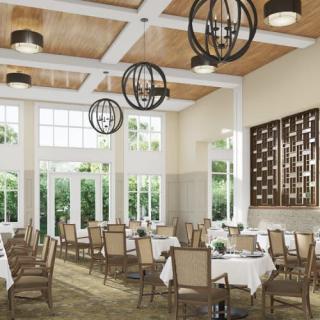
 Dining room
 Fitness room
 Fully furnished
 Gaming room
 Garden
 Housekeeping services
 Kitchenette
 Move-in coordination
 Outdoor space
 Private bathrooms
 Restaurant-style dining
 Small library
 Telephone
 Wellness center
 Wi-Fi/high-speed internet available
 Community operated transportation
 12-16 hour nursing
 24-hour call system
 Activities of daily living assistance
 Assistance with bathing
 Assistance with dressing
 Assistance with transfers
 Diabetes diet
 Medication management
 Mental wellness program
 Special dietary restrictions
 Concierge services
 Planned day trips
 Fecal Incontinence in Older Adults: A Comprehensive Guide
 Recognizing the Journey: Understanding and Navigating Anticipatory Grief
 Encouraging Participation in Adult Day Care: A Guide to Supporting a Hesitant Parent