
10950 PINE GROVE TRAIL, Chardon, OH 44024
To contact a resident: (440) 279-9400
For more information about senior living options: (866) 208-4318
Overall Review of Notre Dame Village
Pros
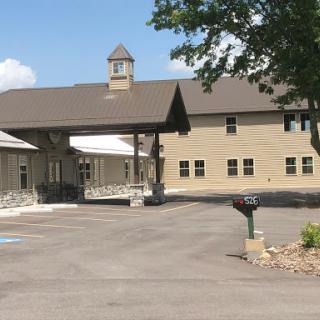
 The establishment is beautifully built.
 - The staff are attentive and caring toward elderly residents, even giving them fresh air on quiet strolls.
- The facility is highly recommended for families with relatives who have dementia.
- The campus is a beautiful senior living community built by the Sisters of Notre Dame.
- Families are excited about becoming part of the community.
- The small homes are a blessing for those with memory loss.
Cons
 None found; the reviews are all positive about the facility, staff, and residents.
Review
Notre Dame Village in Chardon, OH is best suited for families seeking a memory-care oriented, faith-informed senior living environment where residents live in small, home-like settings and receive attentive, hands-on care. The campus stands out for seniors with dementia who benefit from calm routines, regular outdoor time, and staff who respond with patience and clarity. It is especially compelling for families who want a campus built with dignity at the core and a sense of belonging shaped by the Sisters of Notre Dame.
Those weighing alternatives should consider options if a more clinical model is preferred, or if a larger campus with a broader activity calendar is desired. Location matters too: if proximity to family, a more urban setting, or easier highway access is a priority, other communities may fit better. For households seeking non-faith-based programming, different vendor networks, or more aggressive medical staffing, it pays to explore options beyond this campus. In short, the strengths here are warmth, memory-care sensitivity, and a home-like vibe; other communities may offer different balances of medical intensity, programming breadth, or secular orientation.
The strongest pros center on the built environment paired with a caregiving approach tailored to memory loss. The facility’s aesthetic quality communicates care and stability, while staff demonstrate a level of attentiveness and competence that tends to reassure families and residents alike. Crucially, the daily routine includes fresh air and quiet outdoor experiences, which can reduce agitation and isolation for those living with dementia. The small-home layout matters: it supports person-centered care, allowing staff to design routines and activities that align with individual memory needs. Taken together, these factors weigh heavily in favor of a setting where residents feel known, respected, and secure.
Another core strength is the faith-based heritage behind the community, carried forward by the Sisters of Notre Dame. Families consistently express comfort and gratitude that the campus reflects a mission of service and steady, compassionate care. The sentiment that this is a welcoming, purpose-driven place resonates in the way staff interact with residents and families, and it reinforces trust in long-term caregiving relationships. The emphasis on gentle, family-friendly design, paired with the facility’s beauty and orderly environment, creates a reassuring backdrop for seniors who need predictable, respectful daily living.
The rating distribution further informs the decision: seven five-star reviews versus one one-star review signals a strong overall consensus of satisfaction, with a single dissenting voice that warrants closer look. Prospective families should not dismiss that outlier but should pursue clarifying conversations: what specific concerns did that reviewer raise, and did those issues reflect personal expectations, service gaps, or situational factors? This is a reminder to verify what matters most, staff responsiveness, clarity of care plans, and how memory-care routines are executed on a day-to-day basis.
For families actively evaluating Notre Dame Village, the practical path is clear: schedule a visit to observe how staff interact with residents, especially those with memory impairment; inquire about dementia-specific programs, staffing ratios, and all-inclusive pricing versus add-ons; ask to meet direct care staff and cognitive support coordinators; discuss possible respite or trial-stay options to gauge fit; and confirm alignment with any religious or cultural preferences. If the resident values a serene, intimate setting and a caregiving team that treats memory challenges with tailored, compassionate attention, this community offers a compelling, well-supported choice. If priorities tilt toward a medicalized model, greater secular variety, or a different geographic footprint, exploring alternatives will ensure the final decision aligns with the resident’s needs and the family’s expectations.
 Independent Living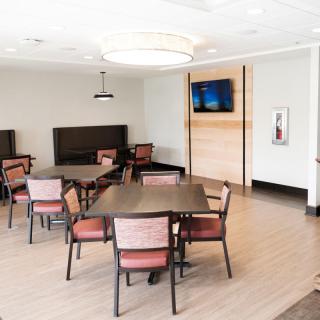





 Recognizing the Journey: Understanding and Navigating Anticipatory Grief
 Encouraging Participation in Adult Day Care: A Guide to Supporting a Hesitant Parent
 Comprehensive Exploration of Living Wills and Other Advance Directives