
12222 Mayfield Road, Chardon, OH 44024
For more information about senior living options: (866) 208-4318

Overall Review of Joy's Place
Pros
 Joy's Place provides compassionate care and treats residents like family.
 - Families are eternally grateful for the love and compassionate care they receive at Joy's Place.
- Joy's Place staff treat residents like family throughout their stay.
- Many families describe Joy's Place as angels on earth.
- Joy's Place offers family-style living for those who need assistance.
- The staff are great and very caring to each resident, with everyone treated like family.
- The staff are incredibly caring and friendly, and Joy's Place comes highly recommended.
- Joy's Place is a lifesaver for families, offering affordable, caring, and personable care that residents love.
- Joy's Place is a wonderful home where residents are treated like royalty and happiness abounds.
Review
Joy’s Place in Chardon, OH is best suited for families seeking a warm, home-like assisted living option where residents are treated with genuine care and respect. It shines as a family-style setting that prioritizes personal attention over clinical formality, making it a strong fit for seniors who want to preserve a sense of home even as daily living becomes assisted. The strongest alignment is with residents who need help with daily tasks but still value companionship, dignity, and a lived-in atmosphere. The care story is reinforced by multiple accounts of compassionate, patient support for loved ones with complex needs, including a brother living with schizophrenia who was cared for with kindness by Joy, Heather, and the staff. This track record signals that the community can accommodate challenging scenarios without sacrificing warmth.
Families considering alternatives should note that Joy’s Place may not be the right fit for everyone. Those requiring highly medicalized oversight, on-site physicians, or structured dementia-specific programming may prefer a more clinical, memory-care–focused environment or a larger campus with formalized protocols. While the home emphasizes accessibility and relational care, it may not deliver the breadth of clinical resources or the tightly regimented programming some residents seek. In short, Joy’s Place succeeds by prioritizing heart and home, but families with the expectation of robust, hospital-level oversight should compare options to ensure alignment with medical and cognitive needs.
The core strengths rest on the culture and everyday interactions. Staff are consistently described as caring, attentive, and personable, with residents treated like family. The setting itself supports close, day-to-day engagement rather than impersonal, impromptu contact. A day nurse adds a practical layer of medical assurance, and intake processes are portrayed as straightforward and professional. When care feels personal and dependable, families gain confidence that their loved ones are facing each day with dignity and a familiar, comforting atmosphere. All of this compounds into a lived experience where residents often appear content and well-cared-for, reinforcing the sense that Joy’s Place is more than a dwelling, it is a caregiving community.
Affordability is repeatedly cited as a meaningful advantage, a practical consideration for families balancing long-term care costs. The option is described as more affordable than competing choices, which can be decisive when budgeting for extended care. Beyond price, the ability to welcome residents who might not have another viable placement underscores a practical flexibility that many families value deeply. In exchange for cost efficiency, families report peace of mind from know-how and consistency in daily care, with loved ones experiencing stability, familiarity, and respect. That combination, affordability married to personal attention, can offset concerns about amenities or program breadth.
Nonetheless, the presence of a couple of low-star reviews cannot be ignored. A small number of residents’ families report dissatisfaction, reminding prospective movers that experiences vary. The negatives tend to reflect expectations gaps rather than outright neglect, suggesting that communication, alignment of services with individual needs, and consistency of staff interactions are critical to satisfaction. These signals are not universal red flags, but they do imply the importance of a thorough pre-move assessment: ask pointed questions, visit during different times of day, and seek candid input from current families about how care is coordinated and adjusted to changing needs.
In the end, Joy’s Place is a solid choice for families prioritizing warmth, dignity, and a home-like routine at an approachable price point. It is particularly well-suited for residents who respond to a relational, hands-on caregiving model and for families who value a sense of neighborhood and belonging over clinical spectacle. For those requiring heavy medical oversight, specialized memory-care programming, or highly regimented clinical services, alternatives with a more explicit dementia focus or larger medical footprint should be explored. A well-timed visit, direct conversations with Joy and Heather, and conversations with current residents will clarify whether the day-to-day realities, staffing patterns, and available services align with the resident’s care plan and family expectations, ensuring a well-informed decision.
 22 resident community capacity
 Assisted Living
 Beauty salon
 Cable or satellite TV
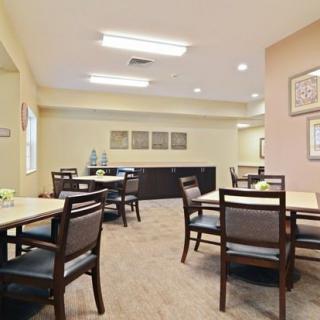
 Dining room
 Fully furnished
 Garden
 Housekeeping services
 Kitchenette
 Move-in coordination
 Outdoor space
 Telephone
 Wi-Fi/high-speed internet available
 24-hour call system
 Activities of daily living assistance
 Assistance with bathing
 Assistance with dressing
 Assistance with transfers
 Diabetes diet
 Meal preparation and service
 Medication management
 Mental wellness program
 Special dietary restrictions
 Transportation arrangement (medical)
 Transportation to doctors appointments





 Comprehensive Insights into Activities of Daily Living (ADLs) and Their Assessment
 Guiding Elderly Parents Who Refuse Assisted Living: 6 Practical Steps
 Your Comprehensive Guide to Luxury Assisted Living: Elevated Facilities, Amenities, and Costs